
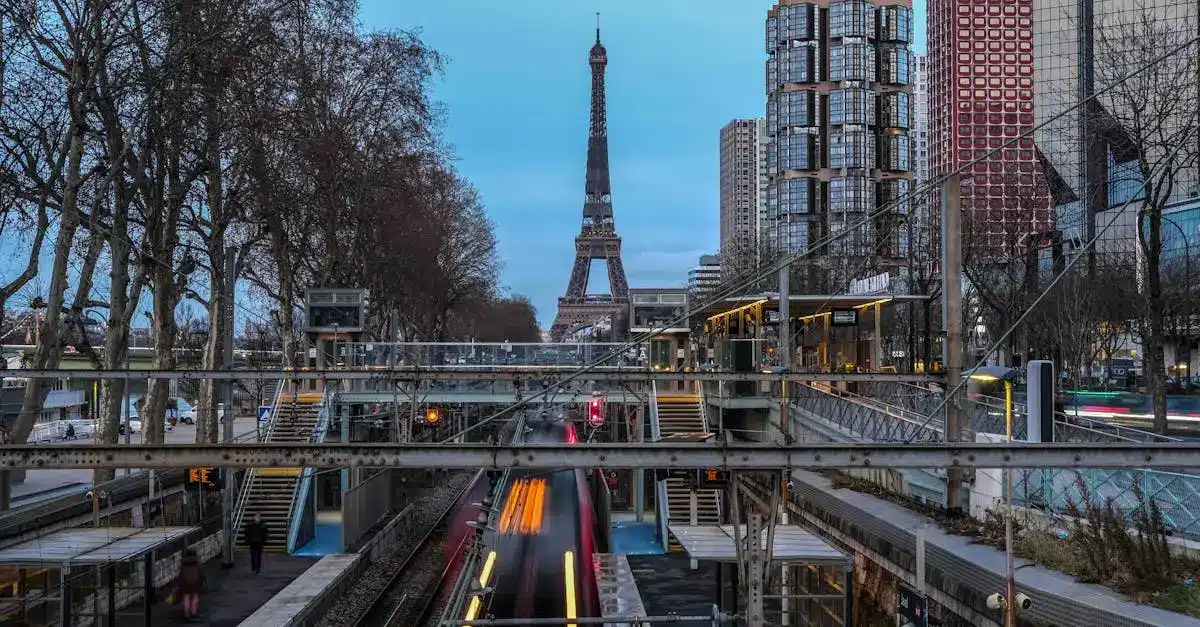
Compare transport costs between Paris and Marseille: A detailed guide to public transit, taxis, and car rentals in France’s top cities.
Introduction
Paris and Marseille are the two most important cities in France, each with its own transportation system designed by its own characteristics. Paris, the busy capital city, has a complex network of metro lines, buses, and trams that serve millions of people every day. On the other hand, Marseille, which is France’s second-largest city and a major port on the Mediterranean Sea, has a smaller but efficient transportation system that is suited to its coastal layout.
Understanding transportation costs in these cities is crucial for:
- Travelers planning their trip to France: Allocating budget for daily commutes affects overall trip expenses
- Expats settling into French life: Monthly transport spending impacts long-term financial planning
- Business visitors: Effective cost management for work-related travel
- Students: Finding affordable transport options for daily commutes
Both cities have various transportation choices available – including public transit networks, taxi services, and car rentals. Each option comes with its own price range and level of convenience, leading to a complicated structure of transport costs that differs greatly between Paris and Marseille. You might want to check:
For a full budget picture, pair transport figures with cost of living in France: Paris vs. Marseille.
Public Transit Systems in Paris and Marseille
Paris has one of the most extensive public transportation networks in Europe, serving millions of residents and tourists every day. The city’s transportation system includes:
- 16 Metro Lines covering 214 kilometers
- 5 RER Lines connecting central Paris to its suburbs
- 8 Tram Lines circulating around the city
- 350+ Bus Routes reaching every neighborhood
The Paris Metro operates from 5:30 AM to 1:15 AM, with trains arriving every 2-4 minutes during peak hours. This frequent service makes public transit cost in Paris a worthwhile investment for daily commuters.
Marseille’s public transport system, while smaller, offers efficient coverage across the city:
- 2 Metro Lines spanning 21.5 kilometers
- 3 Tram Lines connecting major districts
- 88 Bus Routes including night services
- Maritime Shuttle Services linking the Vieux Port to coastal areas
Both cities prioritize accessibility through:
- Integrated ticket systems
- Real-time tracking apps
- Multilingual information displays
- Disabled access facilities
These public transit networks help reduce traffic congestion, lower carbon emissions, and provide essential mobility for residents and visitors. The systems cater to various travel needs, from daily commutes to tourist explorations, making them an integral part of urban life in both Paris and Marseille.
Cost Comparison for Public Transit
Public transit prices in Paris and Marseille show notable differences that impact daily travel expenses. Let’s break down the costs:
Paris Transport Prices:
- Daily transportation average: €22
- Single metro ticket: €6.80
- Weekly pass (Navigo): €22.80
- Monthly pass: €75.20
Marseille Metro Fares:
- Single ticket: €1.70
- 24-hour pass: €5.20
- Weekly pass: €15.50
- Monthly pass: €53.60
These price differences reflect the cities’ distinct economic landscapes. Paris’s higher costs align with its status as a global metropolis, while Marseille maintains more affordable rates typical of regional French cities. The substantial price gap makes Marseille’s public transport system particularly attractive for budget-conscious travelers and residents.
A family of four visiting Paris might spend €88 daily on transport, while the same family in Marseille would pay just €20.80 using day passes. These cost variations influence how locals and tourists navigate each city, with many Paris visitors planning their routes carefully to maximize their transport budget.
Taxi Services: A Comparison Between Paris and Marseille
Taxis are an essential mode of transportation in both Paris and Marseille, providing convenience and accessibility when public transit isn’t an option. These services are especially valuable during late-night hours, rainy weather, or when carrying heavy luggage.
Taxi Fares in Paris
Paris taxi rates reflect the city’s status as a major metropolitan hub:
- Base fare: €7.30
- Cost per kilometer (daytime): €1.07
- Cost per kilometer (nighttime): €1.37
- Waiting time charge: €37.00 per hour
Additional charges apply for:
- Airport pickups (€1-4)
- Extra luggage
- 4+ passengers
- Pet transport
Taxi Fares in Marseille
Marseille’s taxi services offer more budget-friendly rates:
- Base fare: €3.50
- Cost per kilometer (daytime): €0.93
- Cost per kilometer (nighttime): €1.20
- Waiting time charge: €30.00 per hour
The price difference between Paris and Marseille taxis becomes significant on longer journeys. A 10-kilometer taxi ride in Paris costs approximately €18-€21 during daytime hours, while the same distance in Marseille amounts to €12-€15.
Booking Options
Paris Taxi Services:
- G7 Taxis (www.g7.fr)
- Alpha Taxis
- Licensed street-hail taxis
Marseille Taxi Services:
- Taxi Radio Marseille
- Les Taxis Marseillais
- Licensed street-hail taxis
Both cities have strict regulations for licensed taxis to ensure passenger safety and standardized rates. Taxis display illuminated signs when available and must use meters for all journeys. Passengers receive printed receipts detailing the fare breakdown, distance traveled, and additional charges.
Car Rentals: Analyzing Costs in Paris and Marseille
Car rentals offer flexibility and convenience for visitors and expats exploring France’s vibrant cities. The costs and experiences differ significantly between Paris and Marseille, influenced by urban density, traffic patterns, and parking availability.
Car Rental Prices: A Comparison Between The Two Cities
Paris Car Rental Landscape:
- Base rental rates start at €40 per day for economy vehicles
- Premium vehicles range from €60-€100 daily
- Hidden costs include:
- Parking fees (€20-€30 per day in central areas)
- Fuel surcharges
- Insurance (mandatory)
- GPS navigation (€8-€12 daily)
Traffic and Parking Considerations in Paris:
- Heavy traffic during peak hours (8-10 AM, 5-7 PM)
- Limited parking spaces in central districts
- Strict parking regulations with hefty fines
- Underground parking structures charge premium rates
Marseille Car Rental Scene:
- Starting prices from €35 daily for basic models
- Mid-range vehicles available at €45-€70 per day
- Additional costs include:
- Parking fees (€10-€15 daily in city center)
- Fuel charges
- Optional insurance supplements
- GPS rental (€5-€10 daily)
Marseille’s Advantages:
- Less congested streets
- More abundant street parking
- Lower parking facility rates
- Easier navigation for newcomers
For the best deals, check Rentalcars.com or AutoEurope for competitive rates in both cities. Local rental agencies like Sixt and ADA often provide special offers for long-term rentals, particularly valuable for expats planning extended stays.
The rental market fluctuates seasonally – peak tourist seasons (June-August) see price increases of 20-30% in both cities. Booking 3-4 months ahead typically secures better rates and ensures vehicle availability.
Summary of Cost Differences Between Public Transit, Taxis, and Car Rentals
Public transit stands out as the budget-friendly champion in both Paris and Marseille. Here’s a clear breakdown of costs across transportation options:
Public Transit
- Paris: €22/day average, single Metro ticket €6.80
- Marseille: €12/day average, single ticket €1.70
Taxi Services
- Paris: Starting fare €7.30
- Marseille: Starting fare €3.50
Car Rentals
- Paris: From €40/day + parking (up to €30/day)
- Marseille: From €35/day + lower parking fees
The cost gap between Paris and Marseille is significant, with Marseille offering more affordable options across all transport modes. For accurate trip planning, check these helpful resources:
Pro tip: Book multi-day public transit passes for the best value in both cities.
Tips for Budget Travelers and Expats Managing Transportation Expenses In France
Smart transportation choices can significantly impact your travel budget in France. Here’s how to maximize your savings:
1. Long-Term Transit Passes
- Purchase monthly or annual passes for substantial savings
- Consider the Navigo Découverte card in Paris – valid for unlimited travel
- Look into student and senior discounts for additional savings
2. Strategic Travel Planning
- Book transit tickets in bulk (carnet of 10 tickets)
- Travel during off-peak hours for reduced fares
- Use night buses instead of taxis when metros are closed
3. Cost-Effective Alternatives
- Rent bikes through city bike-sharing programs
- Walk shorter distances – many attractions are closer than they appear
- Share rides with other expats for longer journeys
4. Money-Saving Apps
- Download RATP app for Paris transit updates
- Use BlaBlaCar for intercity travel
- Install Citymapper for optimal route planning
5. Location-Based Savings
- Choose accommodation near public transit hubs
- Live in outer arrondissements in Paris for lower transport costs
- Consider suburban areas with direct transit links
6. Membership Benefits
- Join local expat groups for carpool opportunities
- Sign up for loyalty programs with car rental companies
- Get a French bank account for automated transit payments
For practical commuting tips, see public transport systems in Paris and Marseille.
Conclusion
Transport costs in France vary significantly between Paris and Marseille, with each city offering distinct advantages. Paris has a wide-ranging public transportation system, but the prices are higher. On the other hand, Marseille offers more affordable options for all types of transportation.
Key Cost Considerations:
- Public transit remains the most cost-effective choice in both cities
- Taxi services cost nearly 50% less in Marseille compared to Paris
- Car rental expenses drop significantly outside the capital
The transport systems in these French cities cater to different needs and budgets. Public transit users save substantial amounts through monthly passes, while occasional travelers benefit from day passes. Car rentals suit those exploring beyond city limits, despite higher costs in Paris.
For precise budget planning, these resources provide detailed cost calculations:
Transport costs in France reflect each city’s unique character and infrastructure, with Marseille emerging as the more economical choice for budget-conscious travelers and expats. If you need city-specific detail, use Navigating Paris and Navigating Marseille as next steps.