
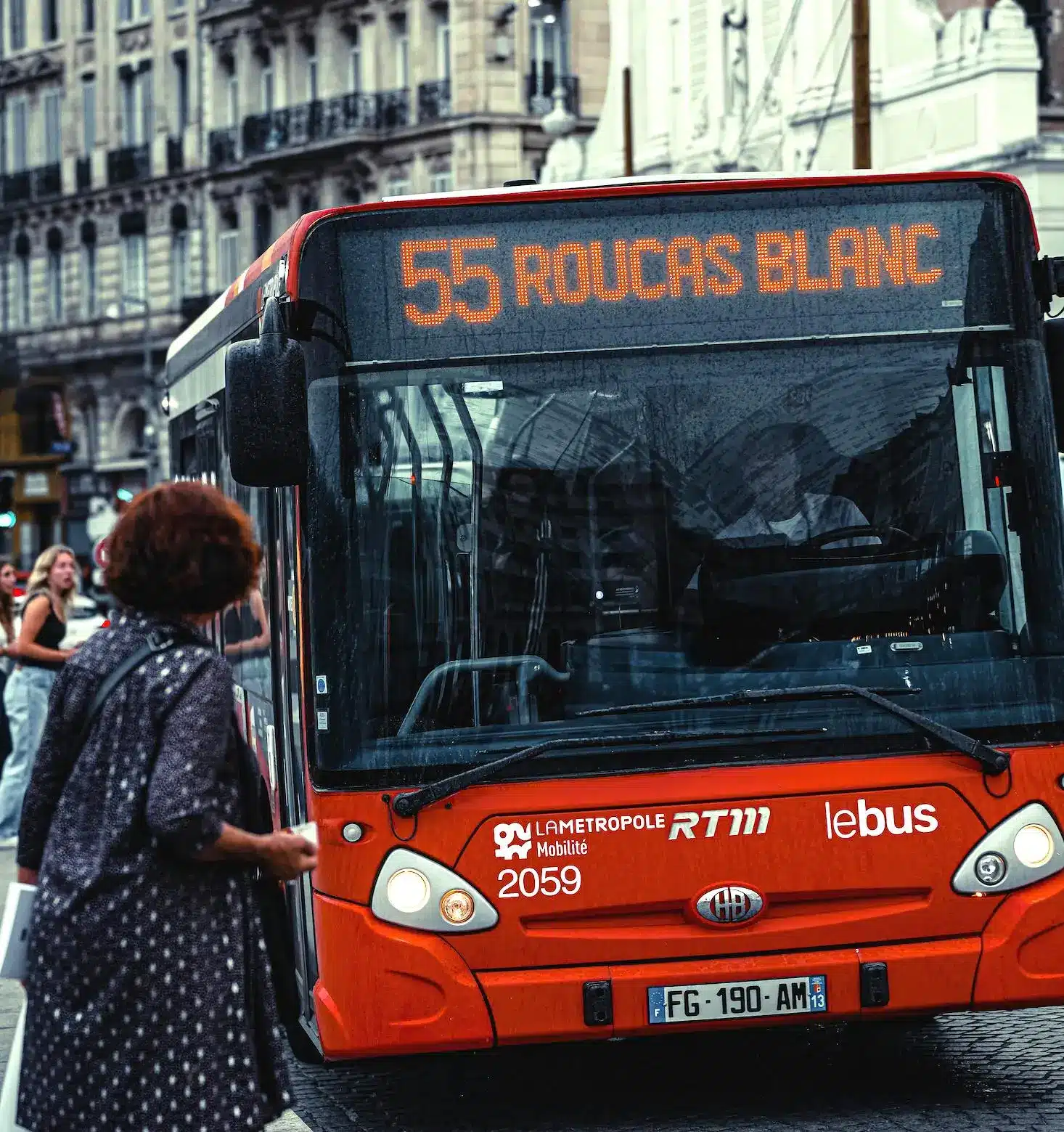
Navigate Marseille easily: explore metro, trams, buses, and ferries. Discover attractions and enhance your commute in this vibrant city.
Introduction
Marseille, a busy port city in southern France, has a variety of public transport options such as metro, trams, buses, and ferries. A well-functioning transit system is crucial here, making daily travels easier and improving overall living conditions. When getting around Marseille, it’s important to know about its metro and tram lines, use buses to access far-off attractions, and understand the significance of ferries and walking routes. For renters assessing the convenience of commuting, being close to public transport hubs is a key consideration in selecting a place to live.
1. Overview of Public Transport in Marseille
Public transport in Marseille offers a diverse range of options, making it convenient to navigate the city. Understanding these modes helps in planning your journey efficiently.
Marseille Metro
- Lines: The Marseille metro comprises two lines, M1 and M2.
- Key Stations: These lines connect significant spots like Vieux Port and Notre Dame du Mont Basilica.
- Frequency: Services run from 5 AM to 1 AM, ensuring accessibility throughout the day.
Marseille Trams
- Lines: There are three tram lines: T1, T2, and T3.
- Significance: Line T2 is especially useful for tourists as it links many attractions.
- Operational Hours: Trams operate from early morning until midnight.
Marseille Buses
- Coverage: With over 100 bus lines, buses reach areas beyond the metro and tram networks.
- Destinations: Ideal for accessing beaches and Calanques National Park.
Ferries
- Functionality: Ferries offer an inexpensive way to cross the Old Port.
- Connections: They link various points within the city.
Apart from these options, Marseille-Provence Airport connects travelers to the city center via direct bus service and train links. Each mode plays a crucial role in covering different parts of Marseille efficiently. This comprehensive network ensures residents and visitors can move around with ease.
If you’re relocating, you can browse verified rooms and apartments on Marseille listings and filter by transit access and budget.
2. Detailed Look at Public Transport Options
Exploring Marseille’s public transport system reveals a network designed for convenience and accessibility. The Marseille metro map is your guide to the city’s efficient subway in Marseille, featuring two main lines: M1 and M2.
Metro System
- M1 Line: connects the northeastern suburb of La Rose to the southern district of La Fourragère. Notable stops include Vieux Port, where you can soak up the vibrant heart of Marseille, and La Timone, near one of the city’s main hospitals.
- M2 Line: stretches from Bougainville in the north to Sainte-Marguerite Dromel in the south, passing through major hubs like Saint-Charles, which links to high-speed trains. This line is crucial for visitors heading to tourist hotspots like Notre Dame du Mont Basilica.
Both lines operate between 5 AM and 1 AM, providing a reliable service throughout most of the day.
Tram Services
Trams enhance the connectivity within Marseille with three lines: T1 tram, T2 tram, and T3 tram.
- T1: covers a route from Noailles to Les Caillols, offering an easy way to access diverse local neighborhoods.
- T2: runs from Arenc Le Silo to Blancarde, conveniently passing by numerous attractions such as Longchamp Palace.
- T3: links Arenc Le Silo to Castellane, making it ideal for those looking to explore popular dining and shopping areas.
These trams serve as a significant resource for both tourists seeking an effortless way to discover the city and residents commuting daily.
Bus Network
With over 100 bus lines, buses are indispensable for venturing beyond central Marseille. They extend the reach of public transport by connecting remote areas and attractions such as beaches or Calanques National Park. This extensive network ensures that no corner of Marseille is out of reach, offering flexibility for diverse travel needs within the city limits.
3. Ticketing System and Pricing
Purchasing tickets for public transport in Marseille is a breeze with several convenient options available. Tickets can be bought at metro and tram stations, tourist offices, or local tobacco shops.
- Single Journey Tickets: Ideal for short trips, they include unlimited transfers within an hour of validation.
- Day Passes: Perfect for tourists and residents planning multiple trips in a day.
Understanding ticket options for public transit helps renters evaluate ease of commute. This knowledge aids in selecting a location that ensures accessibility to the city’s vibrant offerings.
4. Tips for Getting Around the City
Exploring Marseille on foot offers a unique way to experience its charm. The city’s compact size and scenic streets make walking an ideal choice. Discover hidden cafés, vibrant markets, and architectural wonders at your own pace.
For those who prefer cycling, Marseille offers bike-sharing schemes throughout the city. These stations are conveniently located, making it easy for both residents and visitors to access bikes.
Whether you’re walking through historic neighborhoods or cycling along the coast, local transportation in Marseille allows you to enjoy the city’s beauty while staying active and environmentally friendly.
5. Evaluating Ease of Commute as a Renter
When searching for a rental property in Marseille, the ease of commute plays a vital role in decision-making. Proximity to major transport hubs such as Gare St-Charles can significantly enhance day-to-day convenience. This train station connects renters to high-speed trains and other transit options, making it a desirable feature for any property.
Accessibility is another key factor that impacts the quality of life for renters. Living near metro or tram stops ensures quick access to various parts of the city, including popular destinations like Vieux Port and Notre Dame du Mont Basilica. The metro’s two lines (M1 and M2) and the three tram lines (T1, T2, T3) provide extensive coverage, offering a reliable way to navigate around Marseille.
For those who prefer scenic routes or have destinations beyond public transport networks, roads and bike-sharing schemes are excellent alternatives. Renters can evaluate potential living spaces based on their proximity to these amenities, ensuring a smooth transition from home to work or leisure activities.
Considering accessibility and ease of commute when renting in Marseille not only enhances comfort but optimizes time management and daily routines within this vibrant cityscape.
Use Marseille’s neighborhood guide to compare areas based on connectivity.
Conclusion: Embracing Public Transport to Explore the Vibrant Cityscape of Marseille
Exploring the diverse world of Marseille public transit offers a unique perspective on this vibrant city. From metros to buses, each mode provides an efficient way to discover Marseille’s charm. By navigating public transport in Marseille, you not only ease your daily commute but also immerse yourself in the local culture. Whether you’re a tourist exploring or a renter evaluating accessibility, public transit is key. So, hop on a tram or take a ferry ride and let Marseille reveal its wonders through its well-connected transit network.
If you’re weighing housing costs, see Marseille rental costs and safe areas for practical planning.