
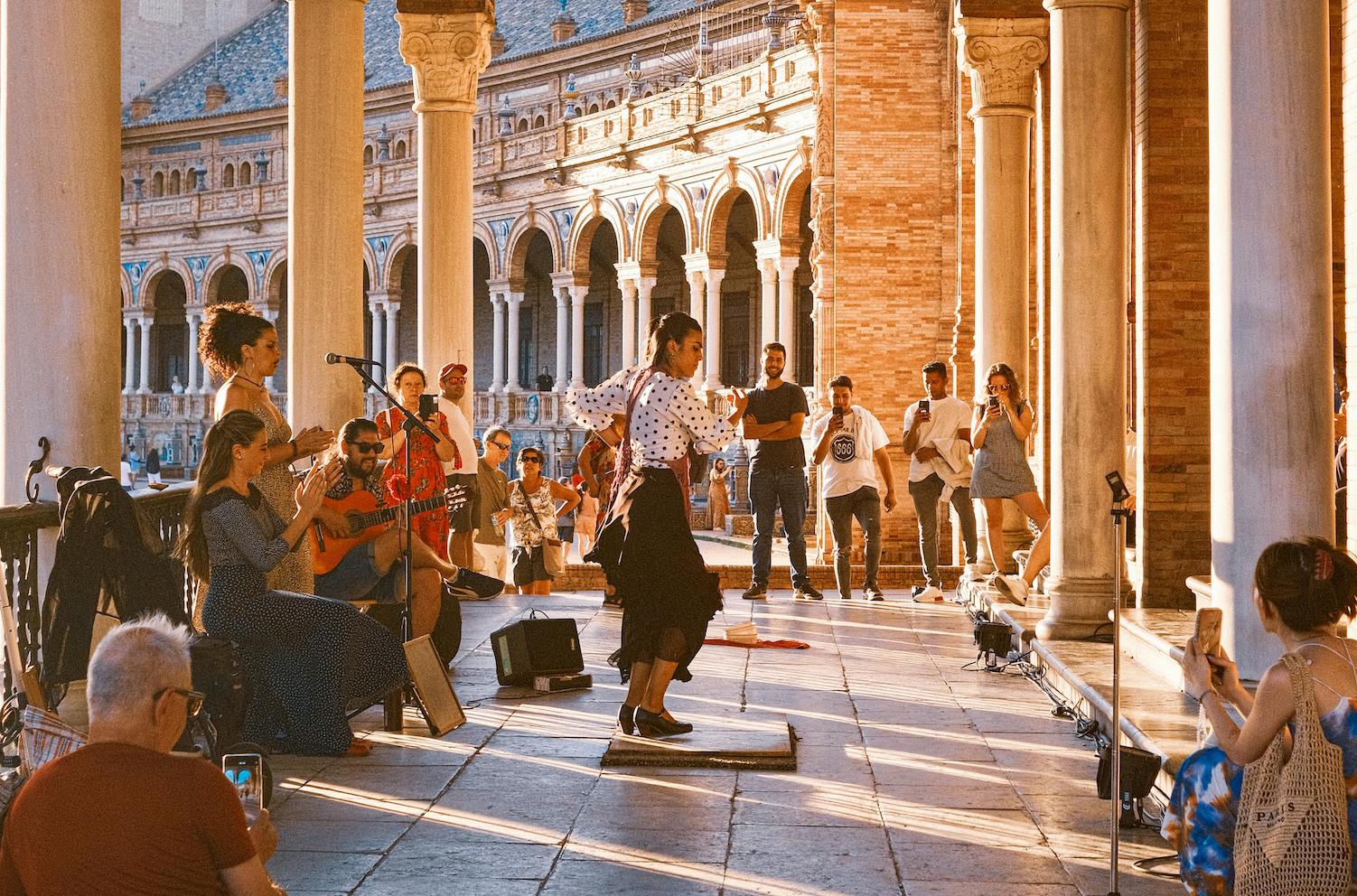
Living in Spain offers exciting opportunities to immerse yourself in a rich culture. Understanding Spanish customs and traditions is crucial for building meaningful connections with locals and feeling at home in cities like Barcelona, Madrid, and Valencia.
Spanish culture is full of unique social norms, celebrations, and daily practices that may be different from what you’re used to. From enjoying tapas to taking siestas, these cultural elements shape everyday life in Spain.
This guide explores ten essential Spanish traditions that will help you navigate social situations with confidence. Whether you’re attending business meetings in Madrid or family gatherings in Valencia, these insights will enhance your expat experience and help you embrace the Spanish way of life.
1. Family and Social Life
Family is the foundation of Spanish society, influencing daily life and social interactions. Spanish families have strong connections across generations, with grandparents often living near or with their children and grandchildren. This close-knit structure impacts the expat lifestyle in Spain in several ways:
- Regular Sunday family lunches that can last several hours
- Multi-generational celebrations for birthdays and holidays
- Shared responsibility in childcare and elder support
Spanish hospitality is known for its warmth and inclusivity. When invited to a Spanish home, guests are treated like family. Local hosts take pride in:
- Preparing generous home-cooked meals
- Creating inviting spaces for conversation
- Including guests in family traditions and celebrations
The family role in Spanish culture goes beyond blood relations, welcoming friends and newcomers with genuine interest and care. This friendly spirit makes Spain’s social environment uniquely enriching for expats adjusting to local life.
2. Meal Times and Tapas Culture
Spanish dining schedules follow a unique rhythm that might surprise newcomers. A typical day starts with a light breakfast around 8 AM, followed by a substantial lunch (la comida) between 2 PM and 4 PM. Dinner (la cena) happens late by international standards – most restaurants in Barcelona and Valencia don’t open until 8:30 PM, with peak dining hours between 9 PM and 11 PM.
3. Fiestas, Celebrations, and Siesta Tradition
Spain’s vibrant festival culture brings communities together through spectacular celebrations. Las Fallas in Valencia transforms the city into an open-air art gallery, featuring giant satirical sculptures that are ceremoniously burned on March 19th. The world-famous La Tomatina turns Buñol’s streets into the planet’s biggest food fight, with thousands of participants hurling ripe tomatoes.
The siesta tradition shapes daily life across Spanish cities. Between 2 PM and 4 PM, many local businesses pause operations as temperatures peak. This cultural practice:
- Provides relief from midday heat
- Allows time for family lunches
- Creates a natural work-life balance
- Influences business hours in Barcelona, Madrid, and Valencia
While modern urban areas maintain varied schedules, many traditional neighborhoods still embrace this cherished custom. Local organizations like España Cultural and Festival Guide Spain offer updated calendars of regional celebrations and customs.
4. Greetings, Social Etiquette, Dress Code Norms, Punctuality Practices
Spanish social etiquette follows distinct patterns that vary between personal and professional settings. In Madrid and Barcelona, greeting customs include:
Personal Encounters
- Two kisses on the cheeks between women or mixed gender
- Firm handshakes between men
- Direct eye contact during conversations
- Using “tú” for informal settings, “usted” for formal ones
Professional Settings
- Conservative dress code: dark suits for men
- Elegant business attire for women
- Limited jewelry and accessories
- Regional variations: lighter fabrics in southern Spain
Time Management
- Business meetings: Punctuality expected
- Social gatherings: 15-30 minutes late acceptable
- Dinner invitations: Arrive 15 minutes after stated time
- Business hours: Strict adherence in major cities
Understanding Spanish customs means adapting to a flexible social calendar while maintaining professional punctuality. The dress code shifts from formal business attire in Madrid’s financial district to smart-casual in Barcelona’s creative sectors.
Many of these social customs are closely tied to key Spanish traditions every expat should know.
5. Cultural Diversity Across Regions: Public Holidays and Business Etiquette
Spain’s culture is made up of different regional identities. Barcelona has its own traditions that reflect the proud Catalan heritage, with its unique language and customs setting it apart from other regions. The Basque Country still speaks its ancestral language, while Galicia has Celtic influences.
Key National Holidays:
- Día de la Hispanidad (October 12) – Spain’s National Day
- Semana Santa (Holy Week) – Religious celebrations nationwide
- Día de la Constitución (December 6) – Constitution Day
Regional Celebrations:
- Barcelona’s La Mercè Festival (September)
- Madrid’s San Isidro (May)
- Valencia’s Las Fallas (March)
Spanish business culture values personal connections. Business meetings usually begin with casual conversations about family or sports. Trust-building through social interactions, such as shared meals and informal gatherings, is crucial for successful negotiations. This relationship-focused approach influences Spain’s heritage in both professional and social aspects.
Resources for Further Cultural Understanding
Your journey into Spanish traditions doesn’t end here. These valuable resources will deepen your understanding of Spain’s rich cultural heritage:
- Instituto Cervantes – Official Spanish cultural center offering language courses and cultural programs
- Spain Culture – Comprehensive guide to Spanish traditions, festivals, and customs
- Expat.com Spain Guide – Community-driven platform with firsthand experiences from expats
Pro Tip: Join local cultural associations in your city. These groups organize events, workshops, and meetups that bring Spanish traditions to life.
Embracing Spanish customs enriches your expat experience. Start small – join a tapas crawl, participate in local festivals, or practice the Spanish greeting style. Each tradition you adopt helps build authentic connections with your Spanish neighbors and creates lasting memories in your new home.