
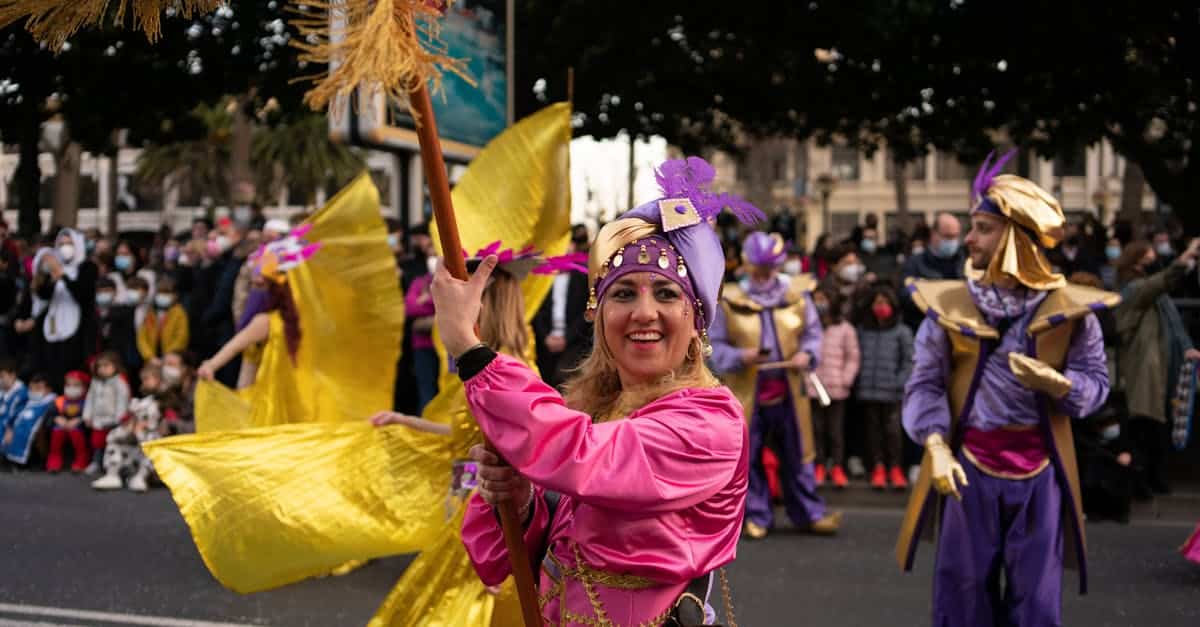
Spain’s local festivals are vibrant celebrations that showcase the country’s culture, bringing communities together in spectacular displays of tradition, music, and joy. These festivals are like living museums, preserving centuries-old customs while creating unforgettable experiences for both locals and visitors.
The Three Cities of Spain’s Most Captivating Celebrations
Three cities stand out as epicenters of Spain’s most captivating celebrations:
- Barcelona – Where ancient traditions blend with modern artistic expression
- Madrid – The capital’s grand festivities showcase Spain’s cultural heart
- Valencia – Home to some of the country’s most unique and explosive celebrations
Distinctive Festival Experiences in Each City
Each city offers its own distinctive festival experiences:
- Traditional parades with giants and mythical creatures
- Cultural performances featuring flamenco and regional dances
- Food festivals celebrating local gastronomy
- Religious processions steeped in history
- Modern music events attracting international artists
The Magic of Spain’s Local Celebrations
These celebrations transform ordinary streets into magical spaces where history comes alive through fireworks, costumes, music, and shared traditions. Whether you’re watching human towers reach for the sky in Barcelona, dancing at Madrid’s street parties, or witnessing Valencia’s spectacular fire festivals, Spain’s local celebrations promise unforgettable memories. These celebrations follow a natural rhythm throughout the year, shaping how people experience life in Spain beyond individual cities or events.
Festivals in Barcelona
Barcelona’s festivals bring life to the city with lively celebrations all year round.
Epiphany
The magical Epiphany celebration on January 6th transforms the streets into a grand spectacle as the Three Kings parade through neighborhoods, distributing sweets and presents to eager children. Families gather to share the traditional Roscón de Reyes, a ring-shaped cake hiding tiny surprises inside.
Carnival
The city bursts into life during Carnival, a week-long celebration filled with:
- Elaborate costume parties
- Street performances
- Traditional gegants (giant figures) dancing through Gothic Quarter
- Masked balls in historic venues
Dia de Sant Jordi
Dia de Sant Jordi brings a unique blend of culture and romance to Barcelona’s Las Ramblas. This Catalan Valentine’s Day sees the famous boulevard transformed into a sea of red roses and books. Local tradition dictates men gift roses to women, while women present books to their loved ones. The scent of fresh flowers mingles with the excitement of book lovers browsing countless stalls, creating an unforgettable atmosphere unique to Barcelona festivals.
2. Celebrations in Madrid
Madrid’s cultural heartbeat pulses strongest during its traditional festivals. The San Isidro Festival transforms the city each May into a celebration honoring Madrid’s patron saint. Dating back to the 12th century, this festival brings the city’s rich history to life through:
- Traditional chulapo and chulapa costumes
- Folk music performances in Plaza Mayor
- Religious processions to San Isidro Church
- Traditional zarzuela shows
- Local delicacies like rosquillas and limonada
The Madrid Carnival paints the streets with color and music during February. This pre-Lenten celebration features:
- Grand Opening Parade along Gran Vía
- Manteo del Pelele ritual with straw dolls
- Masquerade balls in historic venues
- Traditional murga performances
- Children’s costume contests
- Street performances by local dance groups
Both festivals showcase Madrid’s dedication to preserving cultural traditions while creating spaces for community celebration. Local dance schools offer workshops for visitors eager to learn traditional steps, making these cultural events accessible to everyone.
3. Traditions of Valencia
Valencia’s traditional festivals are among the most visually striking in Spain, with Las Fallas transforming the city into an open-air art museum each March.. Artists spend months crafting ninots – giant satirical figures made from wood, cardboard, and papier-mâché. These masterpieces fill the streets, telling stories of politics, culture, and society through their intricate designs.
The festival reaches its peak during La Cremà on March 19th. As midnight strikes, these elaborate sculptures are set ablaze in a spectacular display of fire and celebration, symbolizing renewal and new beginnings.
In the small town of Buñol, La Tomatina brings a different kind of artistic expression. Born from a spontaneous food fight in 1945, this unique festival sees participants hurl over 150,000 tomatoes at each other. The hour-long tomato battle turns the streets into rivers of red, creating unforgettable memories for locals and visitors alike.
Key festival dates:
- Las Fallas: March 1-19
- La Tomatina: Last Wednesday of August
Both festivals showcase Valencia’s traditions through distinct celebrations – one through artistic expression and fire, the other through playful chaos and community spirit.
Tips for Expats Participating in Festivals
Maximize your festival experience in Spain with these essential tips:
- Research the Festival Schedule: Check official tourism websites like Spain.info to plan ahead and secure accommodations early
- Dress Appropriately: Pack festival-specific attire – white clothes for La Tomatina, traditional dress for San Isidro
- Learn Key Phrases: Master basic Spanish greetings and festival-specific terms to connect with locals
- Arrive Early: Get to festival venues before peak hours to find good viewing spots and avoid crowds
- Stay Hydrated: Carry water, especially during summer festivals like La Tomatina
- Join Local Groups: Connect with expat communities through social media or Expat Explore for festival meetups
- Respect Traditions: Follow local customs, such as participating in moments of silence during religious processions
- Document Responsibly: Check photography rules – some festivals restrict flash photography or filming
- Keep Valuables Safe: Use anti-theft bags or leave valuable items at home during crowded events
- Book Local Tours: Consider guided festival experiences through Visit Valencia or similar regional tourism offices
Resources for Festival Information
Stay connected with Spain’s vibrant festival scene through these trusted online platforms:
- Spain.info – The official tourism website features a comprehensive Spanish festival guide, complete with dates, locations, and detailed event descriptions
- Barcelona Life – Access insider tips, event schedules, and local recommendations for Barcelona’s cultural celebrations
- Expat Explore – Connect with fellow expats and discover community events through their dedicated Spanish festivals section
Local Tourism Offices
- Visit physical tourist information centers in each city
- Sign up for their newsletters
- Download their official mobile apps
Social Media Communities
- Follow city-specific hashtags
- Join expat Facebook groups
- Subscribe to local event organizers’ Instagram accounts
Pro tip: Many Spanish cities offer dedicated festival apps during major celebrations – download these for real-time updates and interactive maps.
Conclusion
Spain’s local festivals offer a vibrant gateway into the heart of Spanish culture. Each celebration brings unique traditions, from the fiery spectacle of Las Fallas to the romantic charm of Sant Jordi. These festivals create lasting memories and deep connections with Spain’s rich cultural heritage.
Take the leap – join the dancing crowds in Madrid’s San Isidro, build human towers at La Mercè, or embrace the joyful chaos of La Tomatina. Your participation in these celebrations will transform your understanding of Spanish life and create unforgettable experiences.
Ready to start your festival journey? Check out these essential resources:
Make these magical celebrations part of your Spanish adventure!