
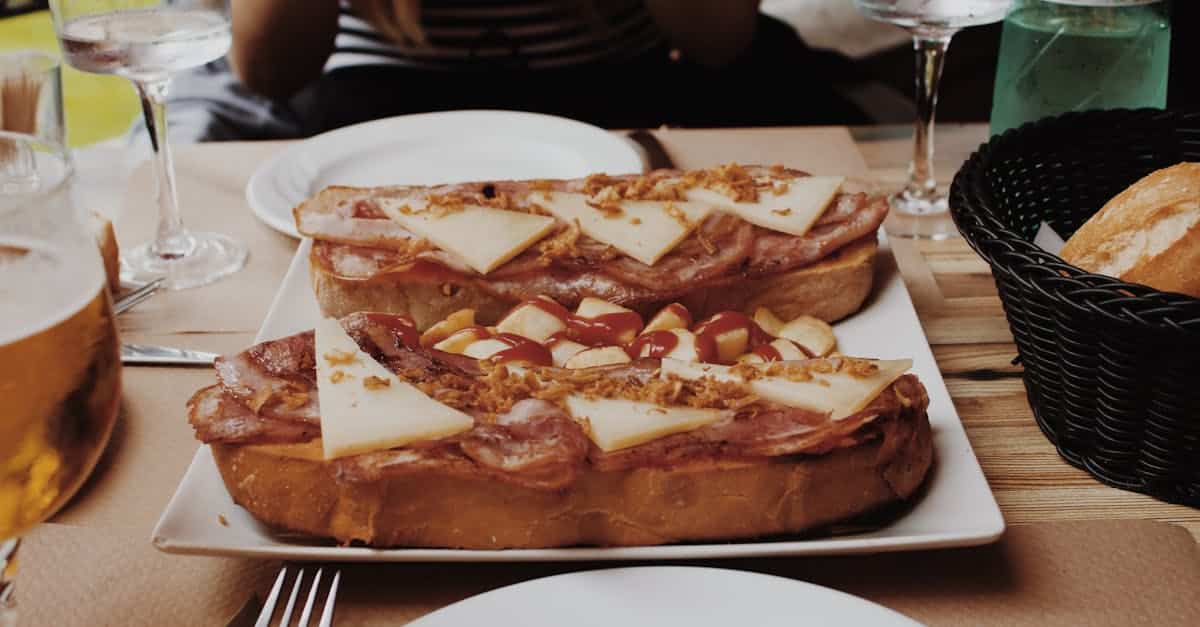
Spain’s culinary landscape tells a story as diverse as its regions, where each dish carries centuries of tradition and local pride. From Barcelona’s vibrant food markets to Madrid’s bustling tapas bars and Valencia’s aromatic rice dishes, traditional Spanish cuisine offers a feast for both the palate and soul.
For expats making Spain their home, diving into the local food scene opens doors to authentic cultural experiences. Understanding Spanish food culture goes beyond knowing what to eat – it’s about embracing the social rituals, timing of meals, and regional specialties that make dining in Spain unique.
In this guide, you’ll discover:
- Signature dishes that define Barcelona, Madrid, and Valencia’s culinary identity
- Hidden gems and must-visit restaurants in each city
- Essential dining customs to help you eat like a local
- Tips for navigating tapas bars and traditional restaurants
Ready to embark on a flavorful journey through Spain’s most beloved dishes? Let’s explore the tastes and traditions that make Spanish cuisine an unforgettable experience for expats and food lovers alike.
Learn more about Spanish gastronomy
1. Understanding Traditional Spanish Cuisine
Spanish food traditions have a rich history, influenced by various cultures and civilizations over the centuries. The Romans introduced olive oil production, the Moors brought in spices and rice cultivation, and the discovery of the Americas added ingredients like tomatoes, potatoes, and peppers to Spain’s cooking.
How Spain’s Geography Influences Its Cuisine
Spain’s diverse landscape plays a vital role in shaping its traditional dishes:
- The Mediterranean coastline provides fresh seafood for meals such as zarzuela (a seafood stew) and pescaíto frito (fried fish)
- The central plains produce wheat used for making bread and pastries
- The mountainous regions offer cured meats and hearty stews
- The southern parts of Spain are known for their olive trees and citrus fruits
Regional Climates and Their Impact on Spanish Dishes
The climate of each region also influences its signature dishes:
- Hot, dry areas: Gazpacho (a cold soup) and other chilled soups
- Rainy northern coast: Rich fish stews
- Continental central regions: Roasted meats and dishes made with legumes (such as beans or lentils)
The Importance of Fresh Ingredients in Spanish Cooking
Spanish food culture places great importance on using fresh, local ingredients. Dishes are prepared simply, allowing the natural flavors of the ingredients to shine through.
The Significance of Food in Spanish Social Life
In Spain, meals are not just about satisfying hunger; they are also an opportunity for socializing. The concept of “sobremesa” refers to the practice of lingering at the table after a meal, engaging in conversation and enjoying each other’s company. This tradition dates back to ancient times when communal gatherings were centered around food.
Religious Influences on Spanish Cuisine
Religious beliefs have also influenced Spain’s culinary traditions. During Lent, when certain foods were restricted, creative seafood dishes emerged as a way to maintain variety in meals. Additionally, the need to preserve meat led to the creation of Spain’s renowned cured hams and chorizo sausages.
2. Culinary Highlights in Barcelona
Barcelona’s food scene brings together Catalan traditions and Mediterranean flavors. The city’s culinary landscape reflects its coastal location and rich agricultural heritage.
Popular Dishes in Barcelona
- Bomba de la Barceloneta: A potato croquette filled with spiced meat, topped with aioli and spicy sauce. This beloved street food originated in the seaside neighborhood of Barceloneta.
- Escalivada: Grilled vegetables, primarily eggplant and red peppers, dressed with olive oil. This simple yet flavorful dish showcases Catalonia’s fresh produce.
- Crema Catalana: Similar to crème brûlée, this dessert features a creamy custard base with caramelized sugar on top. The addition of citrus zest and cinnamon gives it a distinct Catalan character.
- Fideuà: A noodle-based seafood dish cooked in a paella pan. Local fishermen created this dish as an alternative to rice-based paella.
- Pa amb Tomàquet: Toasted bread rubbed with ripe tomatoes, garlic, and olive oil. This simple breakfast staple represents the essence of Catalan cuisine.
For an authentic Barcelona food experience, visit Barcelona Food Guide or join a local food tour through Devour Barcelona.
Recommended Restaurants in Barcelona
Barcelona’s food scene is full of hidden gems and famous places. Here’s where you can enjoy authentic Spanish flavors:
- El Xampanyet – A busy tapas bar in the El Born district known for its house-made vermouth and anchovy-stuffed olives. Don’t miss their signature potato bombas and fresh seafood tapas.
- Can Culleretes – Established in 1786, this historic restaurant serves traditional Catalan dishes. Try their hearty Escudella i Carn d’Olla and seafood paella.
- Quimet & Quimet – A standing-room-only tapas bar featuring unique montaditos (topped bread) and preserved seafood. Their smoked salmon with Greek yogurt and truffle honey is a must-try.
- 7 Portes – A legendary establishment since 1836, famous for its paella and seafood rice dishes. The black rice with squid ink comes highly recommended.
- Bar Pinotxo – Located in La Boqueria market, this tiny bar serves fresh market-to-table dishes. Their chickpeas with morcilla and garbanzos con chipirones draw locals daily.
3. Madrid’s Vibrant Culinary Scene
Madrid’s food scene is a delightful blend of tradition, creativity, and cultural heritage. It showcases flavors from all over Spain, resulting in a one-of-a-kind culinary identity that appeals to both locals and expatriates.
The streets of Madrid are alive with activity as both residents and tourists search for genuine Spanish tastes. From lively food markets to tucked-away family-owned eateries, every establishment contributes its own unique flair to Madrid’s diverse food culture.
Signature Dishes in Madrid
- Cocido Madrileño: This hearty chickpea-based stew stands as Madrid’s most iconic dish. Served in three stages – broth, vegetables, and meats – it reflects the city’s tradition of communal dining.
- Bocadillo de Calamares: A beloved street food staple, this crispy calamari sandwich draws crowds to Plaza Mayor. Fresh squid rings, lightly battered and fried, nestled in crusty bread create the perfect quick lunch.
- Churros con Chocolate: Madrid’s breakfast of champions pairs crispy, ridged churros with thick, velvety hot chocolate. Local tip: visit Chocolatería San Ginés for an authentic experience.
- Huevos Rotos: Perfectly fried eggs served over crispy potatoes, often topped with Iberian ham. This simple yet satisfying dish captures Madrid’s unpretentious approach to good food.
- Callos a la Madrileña: A traditional tripe stew that dates back centuries, seasoned with paprika and served piping hot – a true taste of old Madrid.
Where to Eat in Madrid
Madrid’s culinary scene shines through these authentic establishments:
- Taberna la Elisa – A charming family-run restaurant in the heart of Madrid. Their star dish is a perfectly crafted Cocido Madrileño, simmered for hours following a generations-old recipe. The intimate dining room features traditional Spanish tiles and wooden beams.
- Casa Julio – This bustling tavern in Malasaña serves the city’s crispiest croquetas. The vintage photos on the walls tell stories of Madrid’s history while guests enjoy house-made vermouth and traditional tapas.
- La Casa del Abuelo – A Madrid institution since 1906, famous for its garlic shrimp and sweet house wine. The standing-room-only bar area creates an authentic Spanish dining experience.
- Chocolatería San Ginés – A 24-hour haven for churros con chocolate lovers. The historic green facade and marble tables transport visitors to 1894 when it first opened.
Learn more about Madrid’s food scene at Madrid Food Tour
4. Valencia’s Gastronomic Treasures
Valencia is known as Spain’s culinary powerhouse, combining Mediterranean ingredients with ancient cooking traditions. The region’s fertile lands and coastal location create a unique food identity that sets it apart from other Spanish regions.
The city’s rich agricultural heritage – la huerta – provides fresh ingredients year-round, from juicy tomatoes to tender artichokes. These local products are the basis of Valencia’s most famous dishes.
Must-Try Dishes in Valencia
- Paella Valenciana – The authentic version features rabbit, chicken, green beans, and garrofó (butter beans). Cooked over orange wood, this dish captures Valencia’s agricultural roots
- Fideuà – A seafood-based dish using thin noodles instead of rice, topped with fresh prawns and fish. Popular in coastal areas like El Cabanyal
- All i Pebre – A hearty stew made with eels, potatoes, garlic, and paprika. Traditional fishermen’s dish from Albufera
- Horchata de Chufa – A refreshing drink made from tiger nuts, served with fartons (sweet bread)
- Arroz al Horno – Baked rice with pork ribs, black pudding, chickpeas, and potatoes. A Sunday lunch staple
Each dish tells a story of Valencia’s connection to both land and sea. Local chefs preserve these recipes while adding creative touches to keep traditions alive.
For authentic recipes and cooking tips, visit Spain Food Sherpas or explore Valencia Culinary.
Dining Recommendations in Valencia
Valencia’s culinary scene shines through these exceptional restaurants:
- La Pepica – A beachfront institution since 1898, renowned for their authentic Paella Valenciana. Their seafront terrace offers stunning Mediterranean views while you savor their signature rice dishes.
- Casa Carmela – Set in a charming 1920s building, this family-run restaurant specializes in wood-fired paellas cooked in traditional methods. Their arroz negro (black rice with squid ink) is a local favorite.
- Casa Montaña – Located in the historic Cabanyal district, this 1836 bodega serves exceptional tapas and regional wines. Their preserved seafood and house-cured meats reflect Valencia’s rich culinary heritage.
- Ricard Camarena Restaurant – A two-Michelin-starred venue showcasing modern interpretations of Valencian ingredients. Their tasting menus celebrate local produce through innovative techniques.
- Central Bar – Situated in Valencia’s Central Market, Chef Ricard Camarena’s casual spot offers fresh market-inspired dishes. Try their signature bocadillos made with locally sourced ingredients.
5. Dining Tips for Expats in Spain
Living in Spain means adapting to a unique dining rhythm that might surprise newcomers. Spanish mealtimes follow their own schedule:
- Breakfast (Desayuno): 8:00-10:00 AM
- Lunch (Comida): 2:00-4:00 PM
- Dinner (Cena): 9:00-11:00 PM
The social magic happens at tapas bars, where food becomes a communal experience. These establishments buzz with energy as locals hop from bar to bar, sampling different specialties. Join the locals in the art of “ir de tapas” – order a drink and receive a complimentary tapa, then move to the next spot.
Immerse yourself in Spanish food culture through these experiences:
- Sign up for cooking classes at Spain Food Sherpas
- Book food tours with local guides
- Visit seasonal food festivals and markets
- Join expat foodie groups on social media
For authentic recipes and dining recommendations, check out Spanish Sabores and Spain Recipes. These resources offer valuable insights into regional specialties and cooking techniques.
Pro tip: Many restaurants offer “menú del día” – a fixed-price lunch menu that includes multiple courses at reasonable prices. This lunch special provides an excellent opportunity to try local dishes while saving money.
Discover the Flavors of Spain as an Expat!
Spanish cuisine is a reflection of its rich history, diverse regions, and strong family ties. Every dish tells a story, whether it’s the lively tapas culture of Barcelona, the comforting stews of Madrid, or the famous paella from Valencia.
Exploring traditional Spanish food goes beyond just satisfying your taste buds. It opens up opportunities for genuine cultural experiences and meaningful connections with locals. Imagine bonding with new friends over plates of patatas bravas, uncovering hidden gems in family-owned eateries, and perfecting Spanish recipes in your own kitchen.
Get Started with These Resources
If you’re eager to explore Spain’s culinary scene, here are some reliable resources to kickstart your journey:
- Spain Food Sherpas – Expert-led food tours and cooking workshops
- Spanish Sabores – Authentic recipes and local food guides
- Devour Tours – Curated food experiences in major Spanish cities
Make Spanish cuisine part of your expat story. Whether you’re wandering through Barcelona’s Gothic Quarter, bustling markets of Madrid, or seaside restaurants in Valencia, every meal brings you closer to understanding and embracing your new home. Your Spanish culinary adventure starts now!