
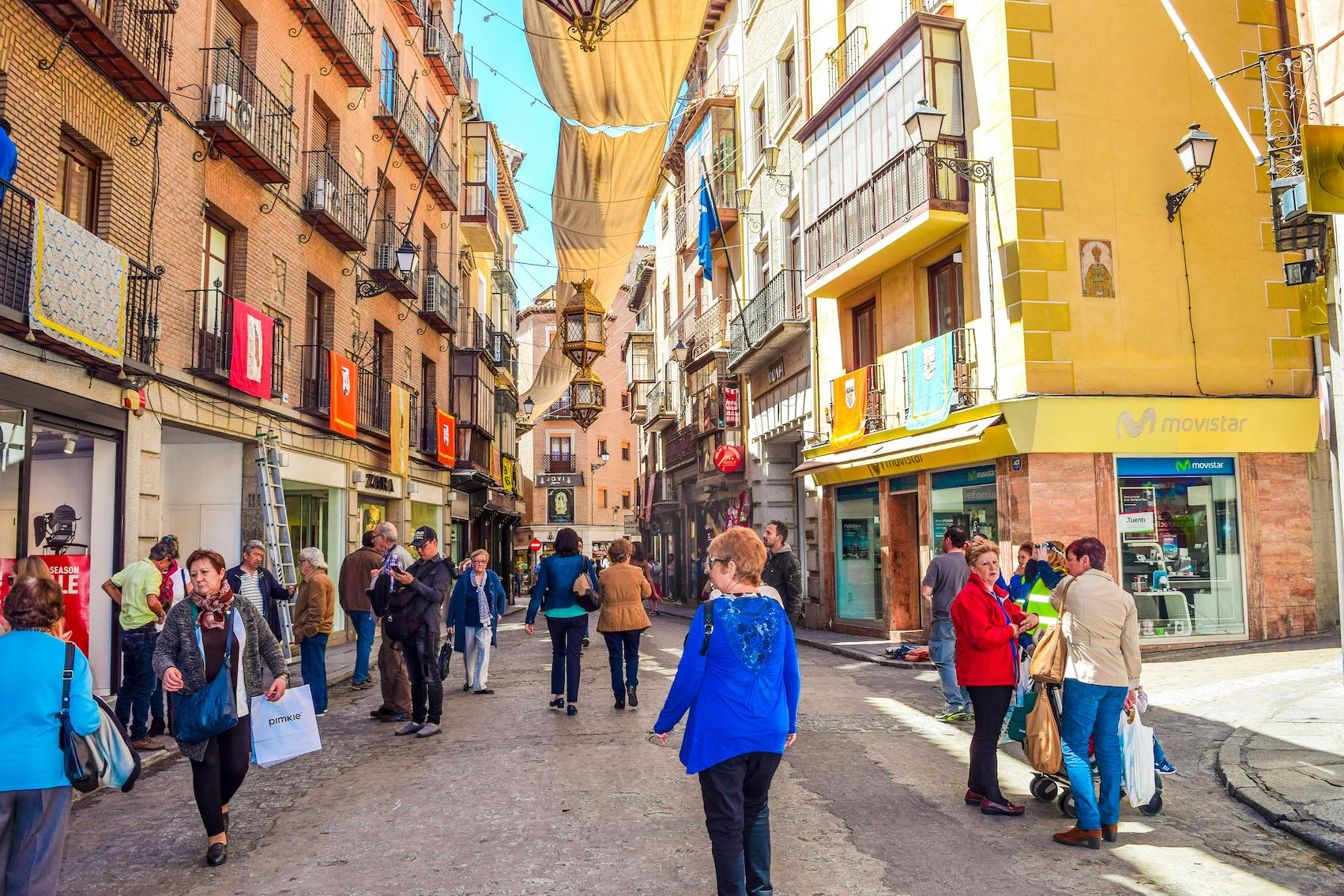
Moving to Spain brings exciting opportunities to immerse yourself in a rich cultural tapestry where traditional values blend seamlessly with modern life. Spanish etiquette shapes daily interactions, from casual greetings to business meetings, creating a unique social environment that sets Spain apart from other European nations.
Living in vibrant cities like Barcelona, Madrid, and Valencia requires understanding distinct social norms that govern local life. Each city carries its own cultural fingerprint:
- Barcelona: A cosmopolitan hub where Catalan customs influence social expectations
- Madrid: The capital’s fast-paced lifestyle balanced with traditional Spanish hospitality
- Valencia: A coastal city known for its warm community spirit and relaxed social atmosphere
Mastering Spanish etiquette opens doors to authentic connections with locals and helps avoid cultural misunderstandings. Whether you’re navigating business relationships or building friendships, understanding these unwritten rules transforms you from a tourist to a respected community member.
Recommended resources:
Understanding Spanish Greetings and Social Interactions
Spanish greetings reflect the warm, expressive nature of local customs in Spain. Physical contact plays a central role in daily interactions – two kisses on the cheeks serve as a standard greeting between women and mixed-gender pairs, while men often share a firm handshake or a friendly pat on the back.
Essential Social Customs:
- Maintain direct eye contact during conversations to show respect and engagement
- Stand closer than you might expect – personal space bubbles are smaller in Spain
- Use a gentle touch on the arm or shoulder to emphasize points during discussions
Public Space Etiquette:
- Say “Hola” when entering small shops or businesses
- Greet others with “Buenos días” when stepping into elevators
- Acknowledge fellow diners with a simple “Que aproveche” at restaurants
These social norms extend beyond major cities like Barcelona and Madrid into smaller towns, where following local customs helps build meaningful connections with Spanish neighbors. Physical warmth and social acknowledgment create the foundation for authentic relationships in Spanish culture.
Punctuality in Spain: What Expats Need to Know
Time flows differently in Spanish culture. The relaxed approach to punctuality often surprises newcomers adjusting to expat life in Spain. Social gatherings embrace a flexible schedule – arriving 15-30 minutes late is standard practice and culturally acceptable.
This laid-back attitude varies by context:
Social Events
- Dinner parties: 15-30 minutes late is normal
- House parties: 30-60 minutes late is common
- Casual meetups: Time windows rather than exact times
Professional Settings
- Business meetings: Punctuality expected
- Medical appointments: Arrive on time
- Job interviews: Be 5-10 minutes early
The Spanish perspective on time prioritizes quality social interactions over strict schedules. While Northern European and American cultures view tardiness as disrespectful, Spanish manners and customs embrace a more fluid approach.
A practical tip: Ask locals about specific timing expectations when invited somewhere. Some hosts might specify “hora española” (Spanish time) – a subtle hint that arriving late is perfectly fine.
Dining Etiquette Across Major Cities: A Guide for Expats
Spanish dining culture follows a unique rhythm that shapes daily life in cities like Barcelona, Madrid, and Valencia. The traditional meal schedule differs significantly from other European countries:
- Lunch (La Comida): 2:00 PM – 4:00 PM
- Dinner (La Cena): 9:00 PM – 11:00 PM
These mealtimes aren’t just eating schedules – they’re social institutions. A proper Spanish lunch can last two hours or longer, especially in Madrid’s bustling business district where important deals are often sealed over a leisurely meal.
La Sobremesa: The Art of After-Meal Conversation
La sobremesa represents the heart of Spanish dining culture. This post-meal ritual involves lingering at the table, sharing stories, and building relationships. In Barcelona’s Gothic Quarter restaurants, it’s common to see tables occupied for hours as diners engage in animated discussions.
Restaurant Etiquette Tips
- Wait for the host to indicate seating arrangements
- Keep hands visible on the table, not in your lap
- Don’t start eating until everyone is served
- Order shared plates (raciones) to experience authentic Spanish dining culture
In Valencia’s seaside restaurants, the relaxed atmosphere encourages spontaneous seating arrangements. Guests often choose their spots freely unless it’s a formal occasion.
Social Gathering Expectations
- Bring a small contribution when invited to someone’s home
- Participate actively in table conversations
- Stay for at least 30 minutes after the meal ends
- Express gratitude for the meal and company
Learn more about Spanish dining customs
Tipping Practices in Spain: A Cultural Insight for Expats
Tipping in Spain follows different rules compared to countries like the US or UK. Spanish service workers receive full wages, making tips a gesture of appreciation rather than an obligation.
Common Tipping Scenarios:
- Restaurants: 5-10% for exceptional service
- Taxis: Round up to the nearest euro
- Bars: Leave loose change or €1 for good service
- Hotels: €1-2 per bag for porters, €5-10 per day for housekeeping
The practice of pagar a pachas (splitting the bill equally) is deeply embedded in Spanish social culture. Friends and colleagues typically divide the total amount evenly, regardless of individual orders. This custom reflects the Spanish value of shared experiences and equality in social settings.
Service Gratuity Tips for Expats:
- Ask for separate bills (cuentas separadas) if preferred
- Keep small bills handy for tipping
- Watch local customers’ behavior as a guide
- Include service charges in your calculations – some establishments add them automatically
Spanish servers appreciate tips but don’t expect them. This relaxed approach to tipping aligns with Spain’s laid-back dining culture and social atmosphere.
Gift Giving Customs: Navigating the Spanish Tradition as an Expat
Gift-giving in Spain reflects the country’s warm, relationship-focused culture. When visiting a Spanish home, bringing a thoughtful gift shows respect and appreciation for your host’s hospitality. Popular choices include:
- A quality bottle of wine
- Fresh pastries from a local bakery
- Chocolates or sweets
- Flowers (avoid lilies or chrysanthemums – associated with funerals)
Spanish local customs around adult gift-giving tend to be modest. Birthday celebrations among adults often focus on sharing experiences rather than exchanging presents. Close friends might give small, meaningful gifts, but it’s not expected.
Children’s gift-giving traditions differ significantly. Spanish families celebrate:
- Birthdays: Small gatherings with presents
- Christmas: Gifts from both Santa Claus (Papá Noel) and the Three Kings (Reyes Magos)
- First Communion: Significant gifts from family members
Special occasions like weddings or housewarmings call for more substantial presents. Money gifts are common at weddings, typically given in envelopes during the reception.
A unique Spain manners and customs practice involves bringing regional specialties when visiting friends from different parts of the country – it’s seen as a gesture of cultural exchange and appreciation.
Navigating Business Culture in Spain: Tips for Expats
Spanish business culture embraces a distinctive blend of professionalism and personal connection. Business meetings in Spain often feel like casual conversations between friends, creating an environment where relationships take precedence over immediate business objectives.
Key Business Meeting Characteristics:
- Meetings start with personal discussions about family, hobbies, or sports
- Agendas serve as guidelines rather than strict schedules
- Multiple participants might speak simultaneously
- Physical contact, like light touches on the arm, is common
Business meals play a central role in Spanish professional relationships. A typical business lunch can last 2-3 hours, with actual business discussions starting after the main course. This relaxed approach allows natural relationship development and trust-building.
Business Meal Protocol:
- Accept invitations to business meals – declining can appear rude
- Avoid discussing business until your Spanish counterpart initiates
- Stay engaged in personal conversations throughout the meal
- Follow your host’s lead on ordering and pacing
Negotiation Strategies:
- Build rapport before discussing business details
- Show patience – decisions often require multiple meetings
- Maintain flexible timelines for project completion
- Express disagreement diplomatically rather than directly
- Keep documentation informal until final stages
Spanish business culture values personal trust over written agreements. While contracts remain necessary, verbal commitments and handshakes carry significant weight in professional relationships. Building strong personal connections often leads to more successful long-term business partnerships.
Learn more about Spanish business culture
Regional Cultural Variations: Adapting as an Expat in Different Parts of Spain
Spain’s diverse regions showcase distinct cultural identities that shape daily interactions and social expectations. Understanding these regional nuances helps expats navigate local customs effectively.
Catalonia (Barcelona)
- Strong emphasis on Catalan identity and language
- Direct communication style in business settings
- Social gatherings often start and end earlier than in Madrid
- High value placed on punctuality compared to other regions
- Barcelona social norms favor personal space in public areas
Valencia
- Blend of Mediterranean and Spanish traditions
- Valencia cultural behaviors emphasize outdoor social life
- Local festivities play a crucial role in community bonding
- More relaxed pace of life than Barcelona
- Strong focus on preserving regional traditions
Madrid (updated)
- Cosmopolitan atmosphere shaped by diverse cultural influences reflected in the city’s daily life
- Later dining times than coastal regions
- More formal business environment
- Spanish (Castilian) dominates daily communication
- Nightlife extends later than other major cities
Language Considerations
- Learn basic greetings in regional languages
- Respect language preferences in different settings
- Use Castilian Spanish as a backup option
- Consider regional accents and expressions
- Practice active listening for better understanding
Many regions maintain their own distinct dialects and customs. Barcelona residents often switch between Catalan and Spanish, while Valencian speakers use their regional variant. Madrid primarily uses Castilian Spanish but welcomes international influences. These linguistic differences reflect deeper cultural variations that shape social interactions across Spain’s regions.
Conclusion
Living as an expat in Spain opens doors to a vibrant tapestry of cultural experiences. The Spanish way of life embraces warmth, connection, and a deep appreciation for life’s simple pleasures. Your journey into Spanish etiquette goes beyond memorizing rules – it’s about embracing the spirit of convivencia (living together harmoniously).
The richness of Spanish culture invites you to:
- Share meals that stretch into hours of meaningful conversation
- Build relationships through genuine personal connections
- Appreciate the unique customs of each region
- Learn from local communities and their traditions
Spanish etiquette reflects the country’s values of hospitality, respect, and community. By approaching these customs with curiosity and openness, expats create deeper connections and more authentic experiences in their new home.
The path to cultural integration rewards those who embrace Spain’s social rhythms and traditions with lasting friendships and enriching experiences.
Additional Resources for Further Exploration on Spanish Culture and Etiquette
Essential Reading Materials:
- Culture Shock! Spain by Marie Louise Graff – A comprehensive guide covering daily life, customs, and social etiquette
- The Art of Being Spanish blog – Real-life experiences and practical advice from long-term expats
- Living and Working in Spain by Nick Dunnett – Detailed insights into Spanish business culture
Community Engagement Opportunities:
- InterNations Spain – Connect with fellow expats and locals
- Meetup Groups in Spain – Join cultural exchange events and language practice sessions
- Language Exchange Apps – Practice Spanish while making local connections
Digital Resources:
- SpainGuru – Updated cultural guides and city-specific etiquette tips
- Spanish Ministry of Culture – Official resource for cultural events and traditions