
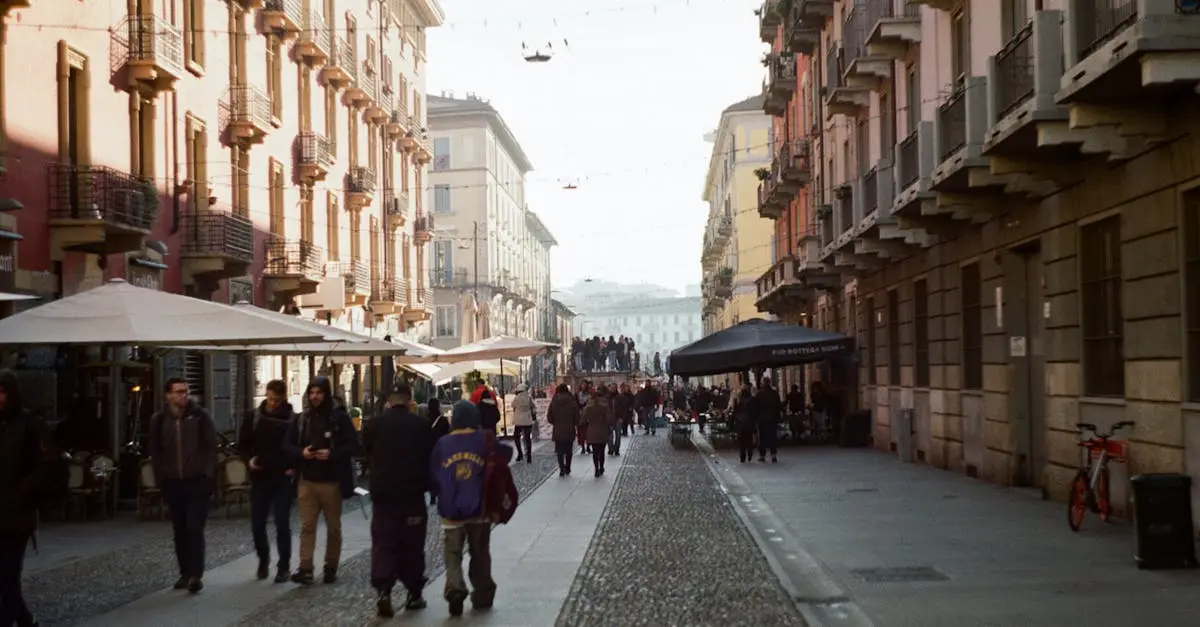
Discover Milan’s Porta Romana, where historic Spanish walls meet modern art at Prada Foundation. Experience traditional trattorias and vibrant nightlife.
In the heart of Milan, you’ll find Porta Romana, a neighborhood that beautifully combines the city’s rich history with its contemporary energy. Here, ancient Spanish walls from the 16th century stand proudly alongside innovative art installations at the Prada Foundation, showcasing Milan’s ability to embrace both its past and present.
The streets of Porta Romana are alive with activity, offering a delightful mix of traditional trattorias serving aromatic dishes and stylish cocktail bars buzzing with nightlife. Local favorites like Cascina Cuccagna breathe new life into historic buildings, transforming them into modern culinary destinations where you can savor unique dining experiences that pay homage to Milan’s heritage while also embracing its future.
In this guide, we’ll take you on a journey through Porta Romana, uncovering:
- Hidden historical gems and architectural masterpieces
- Must-try restaurants and trendy eateries
- Vibrant cultural spaces and art venues
- Peaceful green retreats within the urban landscape
- The dynamic influence of international student life
Get ready to explore a neighborhood where every corner tells a story of Milan’s evolution, and every moment presents an opportunity to witness the perfect blend of tradition and innovation.
Choosing an area is easier once you understand commuting—see Milan public transport tips for routes and day-to-day planning.
Historical Significance of Porta Romana
The Spanish walls of Porta Romana stand as silent witnesses to Milan’s 16th-century defensive architecture. Built between 1548 and 1562 during Spanish rule, these imposing fortifications once protected the city from invaders. The walls stretched for nearly 11 kilometers, featuring six main gates – with Porta Romana serving as the southern entrance to Milan.
Cultural Landmarks Bridging Past and Present
The neighborhood houses remarkable cultural landmarks that bridge past and present. The Prada Foundation, housed in a century-old distillery, exemplifies architectural preservation. Its gold-leaf covered tower and concrete structures create a striking contrast between industrial heritage and contemporary design. The space hosts cutting-edge art exhibitions while maintaining its historical character.
The Franco Parenti Theatre, originally built in 1933, represents another cultural cornerstone. This art deco building survived WWII bombings and underwent extensive renovation in 2008. Today, it hosts avant-garde performances while preserving its distinctive architectural elements.
Porta Romana’s Role in Milan’s Development
Porta Romana’s strategic location shaped Milan’s development as a trade hub. The gate connected the city to Rome via the ancient Via Romana, establishing crucial commercial routes. This position attracted merchants, artisans, and intellectuals, transforming the area into a vibrant cultural district that continues to influence Milan’s artistic landscape.
Adaptive Reuse of Historical Structures
The neighborhood’s historical structures now serve as creative spaces, galleries, and cultural venues, maintaining their architectural integrity while adapting to contemporary needs. The Cascina Cuccagna, an 18th-century farmhouse, exemplifies this blend, functioning as a modern cultural center while preserving its original features.
2. Modern Developments and Contemporary Culture in Porta Romana
Porta Romana is a symbol of Milan’s architectural growth, where sleek glass buildings stand next to historic structures. The neighborhood is home to innovative residential projects such as the Symbiosis Business District, a sustainable urban development featuring state-of-the-art office spaces and eco-friendly technologies.
A Hub for Contemporary Art
The district’s vibrant contemporary art scene can be seen in its numerous galleries and creative spaces. Leading this cultural revival is the Prada Foundation, known for its eye-catching architecture – a repurposed distillery from the 1910s redesigned by Rem Koolhaas. This venue hosts groundbreaking exhibitions, installations, and cultural events that attract art lovers from all corners of the world.
A Unique Lifestyle Blend
Residents of Porta Romana enjoy a unique way of life that combines traditional Italian practices with modern city living. Here are some examples:
- Coworking spaces located in renovated industrial buildings
- Trendy cafes serving artisanal coffee alongside classic espresso bars
- Design studios and creative agencies revitalizing historic structures
- Pop-up art galleries in converted warehouses
Revitalizing Public Spaces
The neighborhood’s transformation also includes innovative public areas. The Porta Romana Railway Yard redevelopment project is a prime example, creating sustainable urban spaces that honor the district’s industrial history while offering contemporary amenities for residents.
Local life embodies this seamless blend – mornings spent at traditional markets followed by evenings at modern wine bars, with century-old craftsman workshops coexisting alongside digital startups.
3. Culinary Delights: Exploring Restaurants in Porta Romana
Porta Romana’s dining scene is filled with a variety of flavors, ranging from traditional Milanese cuisine to creative fusion concepts. One of the standout places in this area is the historic Cascina Cuccagna, which is located in an 18th-century farmhouse. This one-of-a-kind venue offers a combination of a restaurant, café, and educational garden, providing visitors with a complete food experience.
Authentic Milanese Flavors
If you’re looking for genuine Milanese dishes, Trattoria del Nuovo Macello is the place to go. Here, you can enjoy classic risotto alla Milanese and ossobuco in a warm and inviting atmosphere run by a family. The restaurant’s vintage decor and handwritten menus add to its charm.
Must-Try Dining Spots:
- Temakinho Porta Romana – Brazilian-Japanese fusion with signature rolls
- Osteria del Binari – Traditional Lombardy cuisine in a historic railway station
- Pescaria – Modern seafood sandwiches with creative combinations
Hidden Gems
There are also some hidden gems in the neighborhood’s side streets that are worth exploring:
- Un Posto a Milano – Farm-to-table dining in a restored farmhouse
- Røst – Innovative small plates focusing on local ingredients
- Nebbia – Natural wines paired with contemporary Italian dishes
Fresh Produce and Street Food
Every Friday, there is a weekly market along Via Crema where you can find fresh local produce and artisanal food products. This is a great opportunity to stock up on picnic supplies or cooking ingredients. Additionally, street food lovers will be pleased to discover the many food trucks and casual eateries scattered throughout the district, offering delicious and convenient meal options on the go.
4. Green Spaces, Cultural Events, and Shopping Experience in Porta Romana
The Giardini della Guastalla is a hidden gem in Porta Romana, offering a peaceful escape from city life. This historic garden features:
- A stunning baroque fish pond
- Centuries-old trees
- Intricate sculptures
- Perfectly manicured lawns
Local events in Porta Romana create a vibrant community atmosphere throughout the year. The Friday Market along Via Crema brings together:
- Local artisans displaying handmade crafts
- Fresh produce vendors
- Street food stalls
- Live music performances
Art enthusiasts flock to seasonal exhibitions at smaller galleries scattered throughout the neighborhood, complementing the Prada Foundation’s larger shows.
Shopping in Porta Romana reflects the area’s creative spirit. Via Vittadini hosts boutique fashion stores showcasing emerging Italian designers, while Via Orti features:
- Vintage clothing shops
- Independent bookstores
- Artisanal jewelry makers
- Handcrafted leather goods
The Secret Gardens of Via Orti host pop-up markets during spring and summer, where local designers and craftspeople display their latest collections. These events transform the quiet gardens into bustling marketplaces, drawing visitors from across Milan.
The neighborhood’s shopping scene extends to specialty food stores, with family-run delicatessens and wine shops offering curated selections of regional products. These establishments preserve traditional shopping experiences while embracing modern retail trends.
5. The Influence of Bocconi University on the Neighborhood
Bocconi University is a game-changer for Porta Romana, turning it into a lively international center. This prestigious university attracts thousands of students from over 100 countries, creating a rich multicultural environment that benefits the local community.
Changes in the Neighborhood
The presence of so many students has brought about significant changes in the area:
- More Housing Options: With an increasing number of international students, there has been a rise in modern residential complexes and refurbished apartments.
- Businesses Catering to All Languages: Local shops and services are now accommodating various language requirements.
- Flexible Business Hours: Numerous establishments are adjusting their operating hours to suit students.
- Cultural Blending: The combination of Italian and international students is giving rise to distinctive social spaces.
Vibrant Streets Filled with Students
The student population is injecting new life into the streets of Porta Romana:
- Diverse study groups gathering in local cafes
- International eateries serving global cuisines
- Cultural initiatives and events organized by students
- Lively nightlife around campus areas
Connecting Tradition with Global Influences
The impact of the university goes beyond education – it connects Milan’s traditional charm with worldwide influences. After graduation, young professionals and scholars often decide to make this area their home, further shaping its identity as a hub of knowledge. This combination of academic brilliance and cultural variety makes Porta Romana an attractive destination for innovative thinking and artistic collaboration.
Conclusion: Embrace Both Old-World Charm and Modern Vibes in Porta Romana
Porta Romana is a perfect example of how Milan can preserve its rich history while also embracing modern culture. The neighborhood has something for everyone, from the historic Spanish walls to the innovative Prada Foundation. Every corner has its own story to tell.
In Porta Romana, you can indulge in traditional Italian dishes at Cascina Cuccagna or try out trendy bistros offering modern fusion cuisine. The lively streets are filled with students, locals, and visitors, creating a unique atmosphere that can’t be found anywhere else in Milan.
Whether you’re interested in exploring historical architecture, contemporary art, or simply want to experience authentic Milanese life, Porta Romana has it all. It promises an unforgettable journey through time and culture.
Ready to discover your own perfect blend of old and new? Visit Porta Romana – where tradition meets tomorrow.
If you’re comparing neighborhoods, explore Navigli for canals or Isola for a greener, trendier scene.