
Introduction
Milan is a city that attracts travelers from all over the world with its elegance and historical significance. As one of Italy’s liveliest cities, Milan offers a perfect mix of ancient wonders and contemporary marvels. With its famous landmarks, world-renowned art galleries, and bustling shopping areas, it guarantees an experience that you will never forget.
By showcasing the top attractions in Milan through vibrant images and detailed descriptions, we can truly grasp the essence of this magnificent city. We can imagine ourselves strolling through centuries-old cathedrals, discovering majestic castles, and admiring breathtaking artworks created by legendary artists. These visuals and stories breathe life into Milan’s rich cultural heritage.
In this article, we present a comprehensive guide to exploring the best attractions in Milan. Whether you are planning your first trip or returning to uncover more hidden gems, our goal is to showcase the must-visit places in the city. Through delving into the history and significance of each location, we hope to ignite your curiosity and appreciation for Milan’s distinct allure and splendor.
If you’re planning a move, you can browse verified rooms and apartments in Milan listings and filter by budget, location, and move-in date.
So without further ado, let us begin our journey through the most enchanting sights of Milan.
1. Duomo di Milano
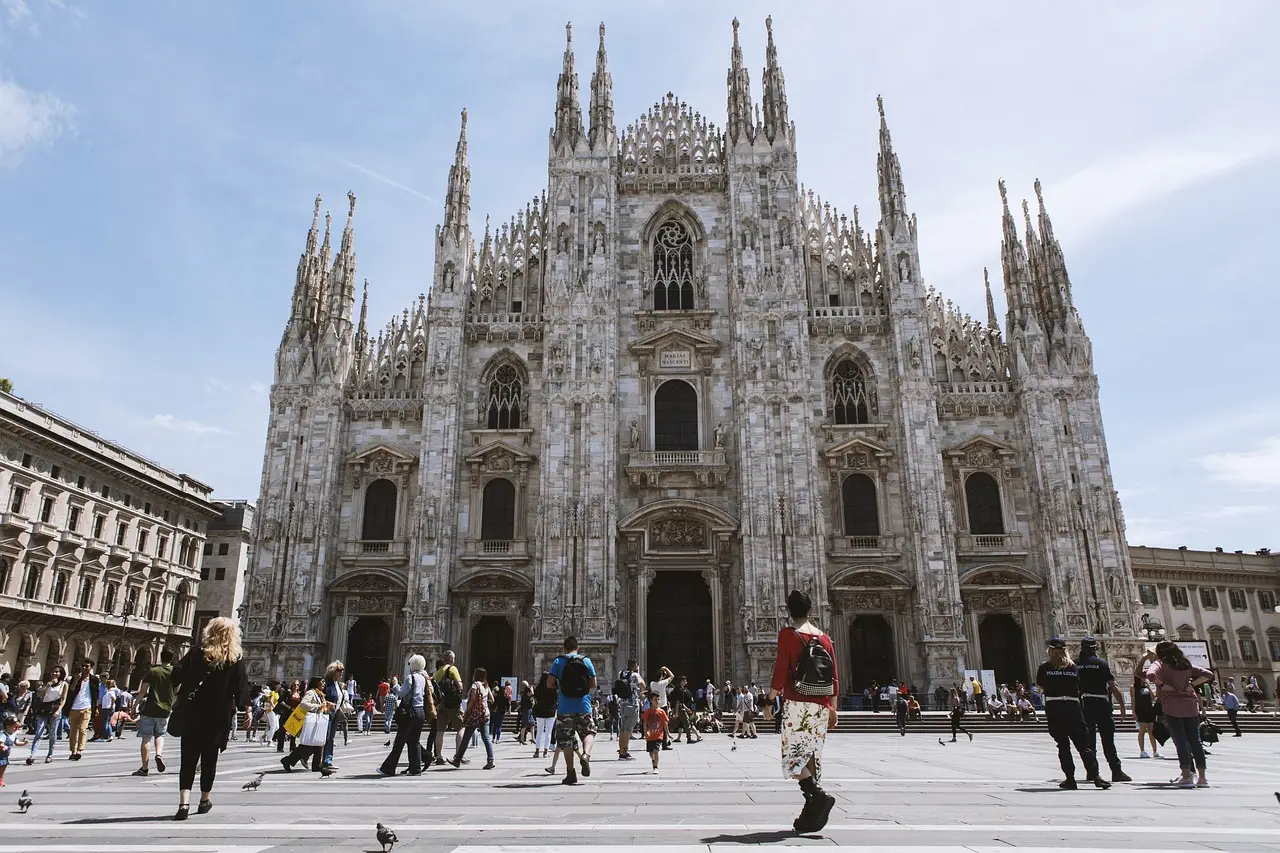
The Duomo di Milano, also known as the Milan Cathedral, stands as the city’s most iconic landmark. Its stunning Gothic architecture draws visitors from all over the world.
Brief Description
The cathedral’s construction began in 1386 and took nearly six centuries to complete. It boasts a magnificent facade adorned with countless statues and spires.
Historical Significance
This cathedral has been at the heart of Milan’s religious and cultural life for centuries. It served as a symbol of the city’s resilience and artistic ambition.
Notable Features
- Marble Interiors: Step inside to witness intricate marble floors and columns that elevate its grandeur.
- Stained-Glass Windows: The vibrant stained-glass windows, depicting biblical scenes, cast a kaleidoscope of colors across the interior, creating a serene and spiritual atmosphere.
Walking through the Duomo di Milano feels like stepping back in time. Its historical roots and breathtaking beauty make it a must-see when exploring Milan.
2. Castello Sforzesco
Castello Sforzesco, also known as Sforza Castle, is a powerful symbol of power and culture in Milan. It was originally built in the 15th century by Francesco Sforza, Duke of Milan, to show off his family’s power.
The castle has a fascinating history, starting as a military fortress and later becoming one of the city’s most important cultural landmarks. Today, it is home to several museums and art collections, making it a lively destination for art enthusiasts.
Historical Significance
- Originally Built: 15th Century by Francesco Sforza
- Transformation: From fortress to art museum
Visitors can admire incredible works of art by famous artists such as Leonardo da Vinci and Michelangelo. Inside the castle walls, you’ll find da Vinci’s frescoes and Michelangelo’s unfinished Rondanini Pietà, both considered precious masterpieces.
Exploring Castello Sforzesco takes us on a journey through time, showcasing Milan’s artistic heritage and cultural growth.
To make planning easier, pair sightseeing with Milan public transport tips and choose a base in neighborhoods like Brera or Navigli.
3. Galleria Vittorio Emanuele II
Galleria Vittorio Emanuele II is a symbol of Milan’s passion for extravagant shopping and beautiful architecture.
Overview
Situated in the heart of the city, this shopping arcade in Milan is more than just a place to shop – it’s a living piece of history. Constructed in the 19th century, it links Piazza del Duomo with Piazza della Scala, making it a central meeting point for both locals and tourists.
Architectural Wonder
One of its most impressive features is the stunning glass dome. This dome, an incredible feat of engineering at that time, fills the gallery with sunlight and creates a majestic ambiance. It holds the distinction of being one of the oldest shopping malls in the world, showcasing Milan’s enduring tradition of blending business with art.
Shopping Delight
Step inside and discover a wide selection of top-tier brands and designer stores:
- Prada
- Gucci
- Louis Vuitton
Each boutique contributes to the gallery’s opulent atmosphere. Roaming through the Galleria Vittorio Emanuele II feels like entering a realm where fashion intertwines with history, promising an unforgettable experience for every visitor to Milan.
4. Brera Art Gallery
The Brera Art Gallery is a must-visit for art enthusiasts. Nestled in the charming Brera district, this gallery holds a significant place in the European art scene. Its history dates back to the late 18th century, when it began as an educational institution.
Inside, visitors can admire masterpieces by renowned artists such as:
- Andrea Mantegna
- Raphael
- Caravaggio
Each artwork tells a unique story and reflects the evolution of artistic expression over centuries. The gallery’s collection includes pieces from the Renaissance to modern art, showcasing Italy’s rich cultural heritage.
Being close to the Quadrilatero della Moda, Milan’s fashion district, makes it easy to blend a day of high-end shopping with an afternoon of cultural immersion at the Brera Art Gallery. This combination of art and fashion highlights Milan’s diverse appeal and vibrant cultural landscape.
5. Teatro alla Scala
Teatro alla Scala, often simply known as La Scala, is one of the most prestigious opera houses in the world. It was built in 1778 and remains a symbol of Milan’s deep connection to the arts.
A Brief History
- Opened: 1778
- Architect: Giuseppe Piermarini
- Historical Significance: Symbolizes Milan’s deep-rooted connection to the arts
Teatro alla Scala has hosted countless iconic performances, contributing to its renowned status. Its stage has witnessed legendary conductors like Arturo Toscanini and acclaimed artists such as Maria Callas and Luciano Pavarotti.
Notable Performers
- Conductors: Arturo Toscanini, Riccardo Muti
- Artists: Maria Callas, Luciano Pavarotti
The allure of La Scala lies not only in its historical significance but also in the breathtaking performances that continue to enchant audiences today. Its rich legacy makes it an essential experience for anyone exploring Milan’s cultural scene.
6. Navigli (Canals)
The Navigli district is a magical part of Milan that you’ll fall in love with. It’s known for its lively nightlife and beautiful canals. Picture yourself walking along the canals at night, with the stars above you and their reflection shimmering on the water.
Things to Do in Navigli
- Take a Romantic Stroll: The canals are perfect for a romantic walk, with their cobblestone paths and charming scenery.
- Explore the Antiques Market: Every last Sunday of the month, the Navigli Antiques Market comes to life. Browse through more than 350 stalls and discover unique treasures.
- Dine at Waterfront Restaurants: There are plenty of restaurants along the canals where you can enjoy delicious meals. Whether you’re in the mood for traditional Italian dishes or modern cuisine, you’ll find something to satisfy your taste buds.
The beauty of Navigli is how it seamlessly combines its rich history with contemporary vibes. Originally built for transportation and irrigation purposes, the canals now provide a picturesque setting for unforgettable experiences.
7. Porta Nuova and Corso Como
Porta Nuova and Corso Como are the perfect examples of modern architecture in Milan. These areas are famous for their sleek, contemporary designs that are completely different from the city’s historical landmarks.
Porta Nuova is a busy center of innovation and urban development. One of the main attractions here is Piazza Gae Aulenti, which has a futuristic design. This square is surrounded by tall buildings, fountains, and public art installations, creating a lively space for both locals and tourists.
Corso Como, which is nearby, offers a combination of innovative architecture and stylish shops. The area is renowned for its trendy vibe, making it a favorite spot for fashion enthusiasts.
Notable Landmarks:
- Bosco Verticale: Also known as the “Vertical Forest,” these towers are covered in greenery to showcase sustainable living in a city environment.
- UniCredit Tower: As the tallest building in Italy, this tower represents Milan’s economic power.
Walking around Porta Nuova and Corso Como feels like entering the future while enjoying the present moment.
8. Leonardo da Vinci’s ‘The Last Supper’
Leonardo da Vinci’s The Last Supper is a monumental masterpiece of Renaissance art. It is located in the refectory of Santa Maria delle Grazie church and depicts the moment when Jesus reveals that one of his disciples will betray him.
A Living Painting
Da Vinci’s work is famous for its incredible perspective and emotional depth. The expressions on the apostles’ faces, each reacting differently to Jesus’ revelation, make the scene come alive.
- Leonardo da Vinci’s The Last Supper stands as a monumental masterpiece of Renaissance art.
- Housed in the refectory of Santa Maria delle Grazie church, this iconic mural captures the poignant moment of Jesus announcing that one of his disciples will betray him.
- Da Vinci’s work is renowned for its remarkable use of perspective and emotional depth.
- The expressions on the faces of the apostles, each reacting uniquely to Jesus’ revelation, create a scene that feels alive and immediate.
An Essential Experience
When you’re in Milan, visiting Santa Maria delle Grazie to see The Last Supper is a must-do. The church itself has a peaceful atmosphere and stunning architecture, making it the perfect setting for this extraordinary artwork.
Seeing this masterpiece in person allows us to truly understand Leonardo’s brilliance and the timeless impact of Renaissance artistry.
9. Basilica di Sant’Ambrogio
The Basilica di Sant’Ambrogio is a hidden gem in Milan, offering visitors a glimpse into its rustic beauty and serene atmosphere. This ancient church stands as a testament to Lombardy’s rich architectural heritage.
Romanesque Architecture Style
- The basilica showcases an exquisite example of Romanesque architecture, characterized by its simple lines and robust structure.
- Built in the 4th century by Saint Ambrose, it remains one of Milan’s oldest churches.
- Notable features include:
- Two tall bell towers that frame the entrance.
- An open atrium leading to the main nave.
- Beautifully preserved mosaics and frescoes inside.
Visiting Basilica di Sant’Ambrogio feels like stepping back in time, offering a peaceful retreat from the bustling city life. Its historical significance and architectural beauty make it a must-see for anyone looking to explore Milan’s diverse cultural landscape.
Conclusion
Exploring Milan’s best attractions is like opening a treasure chest filled with history, art, and modern marvels. Each landmark tells a unique story, blending past and present in a way that celebrates Milan’s rich cultural heritage.
Highlights to Remember:
- Duomo di Milano: The iconic cathedral with its breathtaking marble interiors.
- Castello Sforzesco: A fortress turned art museum, housing works by Leonardo and Michelangelo.
- Galleria Vittorio Emanuele II: A luxury shopping haven under a stunning glass dome.
- Brera Art Gallery: Home to masterpieces by Mantegna, Raphael, and Caravaggio.
- Teatro alla Scala: A prestigious opera house hosting world-renowned artists.
- Navigli Canals: Perfect for evening strolls and vibrant nightlife.
- Porta Nuova and Corso Como: Showcases modern architectural wonders like the Bosco Verticale tower.
- ‘The Last Supper’: Da Vinci’s renowned mural at Santa Maria delle Grazie church.
- Basilica di Sant’Ambrogio: A hidden gem of Romanesque architecture.
We are invited to walk through these streets, soak in the stories, and become part of Milan’s living tapestry. Milan is not just a city; it’s an experience waiting for us to embrace.
Let’s pack our bags and step into this adventure. Milan awaits with open arms, ready to share its beauty and charm. Whether we are art lovers, history buffs, or simply curious travelers, there’s something in Milan for each of us to cherish.
Prefer a quieter local feel? Consider exploring Porta Romana or Isola next.