
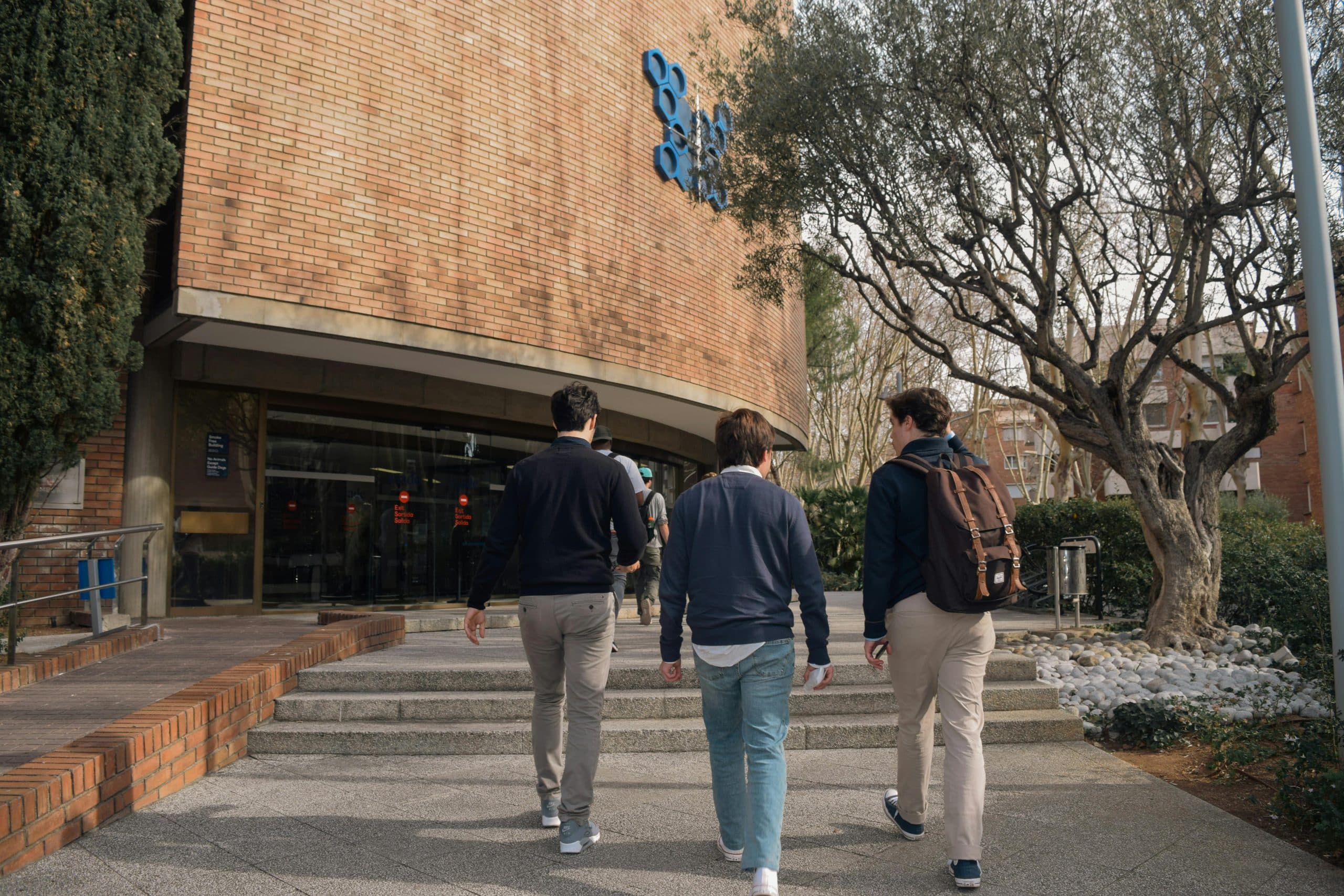
Spain welcomes more than 240,000 international students every year. A combination of well-regarded universities, a cost of living that remains affordable relative to northern Europe, and a culture built around shared meals and genuine social connection makes it one of the most consistent study abroad destinations in the world.
The academic year runs September to June across two semesters, with English-taught programmes widely available, particularly at master’s level. Spain’s education system includes universities like the Universidad Complutense de Madrid, the Universitat de Barcelona, and the Universidad de Salamanca, which consistently rank among Europe’s leading institutions, and most run an active international office that organises events and language programmes specifically for incoming students.
Whether you’re arriving for a semester through Erasmus, completing a full degree, or starting a master’s, this guide covers what you need to navigate student life in Spain from day one.
Find student housing in Spain on Uniplaces
Housing Options for Students in Spain
Shared apartments (pisos compartidos) are the most popular and cost-effective option — they offer the best balance of independence, price, and cultural immersion. University dormitories suit first-semester arrivals who want a ready-made community. Homestays work best for students whose primary goal is language immersion. Whichever you choose, start searching at least 2–3 months before your move-in date.
| University Dormitories | Shared Apartments | Homestays |
|---|---|---|
|
|
|
How to find housing before you arrive
- Start your search 2–3 months before your arrival
- Use verified platforms that show real photos, landlord reviews, and secure payment
- Request video tours if you’re booking from abroad
- Book temporary accommodation for your first week to visit flats in person
- Read contracts carefully (confirm what utilities are included and the notice period)
- Never transfer money outside a secure payment platform
In Madrid and Barcelona, the most affordable rooms near campus are typically taken by July for the September semester. The earlier you search, the more options you have and the more room you have to negotiate.
Search student rooms in Spain on Uniplaces
Budgeting for Student Life in Spain
Expect to spend between €600 and €1,200 per month depending on your city and lifestyle. Smaller cities like Granada and Salamanca offer a significantly lower cost of living without sacrificing quality of life. Madrid and Barcelona are at the other end of the scale. On top of living costs, tuition fees at public universities typically range from €800–3,000/year for EU students, with non-EU students generally paying higher rates depending on the institution and programme.
Practical ways to reduce costs
- Get an ESN Card for discounts on travel, culture, and activities across Europe
- Buy a student transport pass; the Madrid Abono Joven costs around €20/month for under-26s
- Open a Spanish bank account to avoid international transaction fees (N26 and Revolut are popular with students)
- Shop at local markets for fresh produce at lower prices than supermarkets
- Cook at home (even cheap restaurant meals add up faster than home-cooked meals)
- Buy second-hand textbooks through student groups or platforms like Wallapop
Financial aid available to international students
- Erasmus+ grants: covers a significant portion of living costs for EU students on exchange
- Spanish Government Scholarships: available for non-EU students from eligible countries
- University-specific grants: check your institution’s international office for internal funding
- Regional government grants: some autonomous communities offer additional support
Read our cost of living guide for Spain
Choosing Your City in Spain
Madrid and Barcelona are the largest and most international, but they come at a cost. Valencia and Seville offer a strong balance of university quality, student life, and affordability. Smaller cities like Granada and Salamanca have exceptional universities and very low living costs and a student life that punches well above their size.
| Value tier | Mid-range | Premium |
|---|---|---|
| Granada, Salamanca, Valladolid. Lowest cost of living in Spain with high-quality universities. Best for students focused on academics and cultural immersion. | Valencia, Seville, Bilbao. Strong universities, active student scenes, and living costs significantly below Madrid or Barcelona. Popular Erasmus destinations. | Madrid, Barcelona. Spain’s two most international cities, with the widest range of universities, industries, and social opportunities — at a higher monthly cost. |
Uniplaces insight: The most searched cities on Uniplaces Spain are Madrid, Barcelona, Seville and Valencia. Demand in Madrid and Barcelona peaks in August and September, while Valencia and Seville see a secondary peak in January ahead of the second semester intake.
Explore our neighbourhood guides for Madrid, Barcelona, and Valencia — where to live by lifestyle, housing type, and budget.
Making Friends and Building a Social Network
Building meaningful connections is one of the most important parts of a fulfilling student experience in Spain. Your social network shapes your daily life, provides support during harder weeks, and is often what students remember most when they look back.
Through your university
- Join university clubs aligned with your interests
- Participate in language exchange (intercambio) programmes
- Attend campus events and student gatherings
- Sign up for sports teams or fitness classes
Through Erasmus
The Erasmus Student Network (ESN) is active at most Spanish universities and is the fastest way to meet a broad group of international students from day one. ESN chapters typically organise weekend trips, cultural workshops, social dinners, and outdoor activities throughout the semester.
Beyond campus
- Visit local cafés and bars regularly (becoming a regular is a very Spanish way to build community)
- Join community sports clubs open to non-students
- Volunteer for local causes (longer-term involvement leads to genuine local connections)
- Use apps like Meetup or Tandem to find language exchange partners and local events
Tips for cultural integration
- Accept invitations to social gatherings, even last-minute ones (Spanish social life runs on spontaneity)
- Show genuine interest in local traditions and celebrations
- Keep your schedule flexible (relationships here develop naturally through repeated, unplanned interactions)
Language Preparation for Studying in Spain
You don’t need to be fluent to arrive, but having A2–B1 Spanish before you land will noticeably improve your daily experience. Starting 3–4 months before arrival, combining app-based learning with real conversation practice, is the most efficient approach. Most universities also offer free or subsidised Spanish courses for international students once you’re there.
Many Spanish universities offer programmes taught in English, particularly at master’s level and across business, engineering, and the sciences. That said, Spanish is the language of your neighbourhood, your landlord, your flatmates, and your daily life. Learning Spanish before you arrive is one of the best investments you can make.
Resources by stage
Before arrival: Duolingo and Babbel work well for vocabulary and grammar. Preply connects you with native-speaking tutors for live conversation practice. YouTube channels such as Butterfly Spanish and Why Not Spanish? are good for listening comprehension. Apps like Tandem and HelloTalk let you start conversations with native speakers before you land.
After arriving: Your university’s language centre likely offers intensive Spanish courses for international students, often free or heavily subsidised. Beyond that, set your phone to Spanish, watch Spanish TV with Spanish subtitles, and prioritise making at least one Spanish-speaking friend in your first month.
Embracing Cultural Experiences as a Student in Spain
Spain’s rich cultural life offers students countless opportunities for authentic experiences beyond the classroom. Immersing yourself in local traditions creates lasting memories and deepens your understanding of Spanish society — and the academic calendar makes it easy, lining up almost perfectly with the country’s biggest celebrations.
Local festivals and celebrations
- La Tomatina: join the world’s largest food fight in Buñol (August)
- Las Fallas: experience Valencia’s spectacular fire festival (March)
- Semana Santa: witness the Holy Week processions, most dramatic in Seville and Málaga (March/April)
- La Feria de Abril: dance sevillanas at Seville’s spring fair (April)
Daily cultural practices
- Adapt to Spanish mealtimes: late lunch, even later dinner
- Practice sobremesa: the art of lingering at the table after meals for conversation
- Join the evening paseo: neighbourhood walks before dinner are standard social life, not a tourist activity
- Use student discounts actively: your university card gets you into museums, theatres, and transport for less
Regional traditions worth seeking out
- Watch flamenco performances in Andalusia
- Experience Basque pelota in the north
- Attend a castells human tower performance in Catalonia
- Join a local verbena street party in your neighbourhood
Spanish universities often organise cultural exchange events and excursions throughout the year — check with your institution’s international office for what’s coming up during your semester.
Read our guide to local festivals in Spain
Frequently Asked Questions
Is Spain a good country to study abroad?
Yes. Spain is consistently one of Europe’s top study abroad destinations. It’s the most popular Erasmus destination on the continent, home to 15 universities in the QS World Rankings 2026 top 500, and offers one of the lowest costs of living among Western European countries. The combination of high academic quality, a genuinely social culture, and a warm climate makes it particularly well suited to students who want more than just a degree from their time abroad.
How much does it cost to live in Spain as a student?
Monthly costs range from €600–800 in smaller cities like Granada or Salamanca, €700–900 in Valencia or Seville, and €900–1,200 in Madrid or Barcelona. Rent is the biggest variable — a shared room in Madrid averages €500–800/month, while the same in Granada might be €300–450. A student transport pass, cooking at home, and the ESN Card for discounts can reduce costs significantly. For a full breakdown, see our cost of living guide for Spain.
Do I need a visa to study in Spain?
EU/EEA students do not need a visa to study in Spain. Non-EU students staying longer than 90 days must apply for a National Study Visa (Type D) before arriving. You’ll need proof of university enrolment, health insurance valid in Spain, proof of accommodation, and evidence of sufficient financial means (typically €600–800/month). Apply at least 8–12 weeks before your course starts, as processing times vary by country.
Do I need to speak Spanish to study in Spain?
Not for all programmes. Many universities offer degrees and courses in English, particularly at master’s level. However, having A2–B1 Spanish before you arrive makes a significant difference to daily life: communicating with your landlord, navigating admin, and socialising with local students all become much easier. Most universities offer free or subsidised Spanish courses for international students in the first semester.
Which city in Spain is best for international students?
It depends on what you’re looking for. Madrid and Barcelona offer the widest range of universities, industries, and social life but at a higher cost. Valencia and Seville are strong Erasmus destinations with active student scenes and lower living costs. Granada and Salamanca have excellent universities, very affordable living, and a social life that’s entirely shaped by the student population.
Can international students work while studying in Spain?
EU students can work without restrictions. Non-EU students on a student visa can work up to 30 hours per week during term time, and full-time during official holiday periods, provided their visa permits it. You’ll need to notify the immigration office before starting work. Part-time jobs in hospitality, tutoring, and language assistance are the most common options for international students in Spanish cities.
Ready to start your time in Spain?
Finding the right housing is the most practical first step. The earlier you secure your accommodation, the more time and energy you have for everything else.
Uniplaces lists verified student rooms and apartments across Spain’s main university cities, with secure online booking and reviews from previous tenants.