
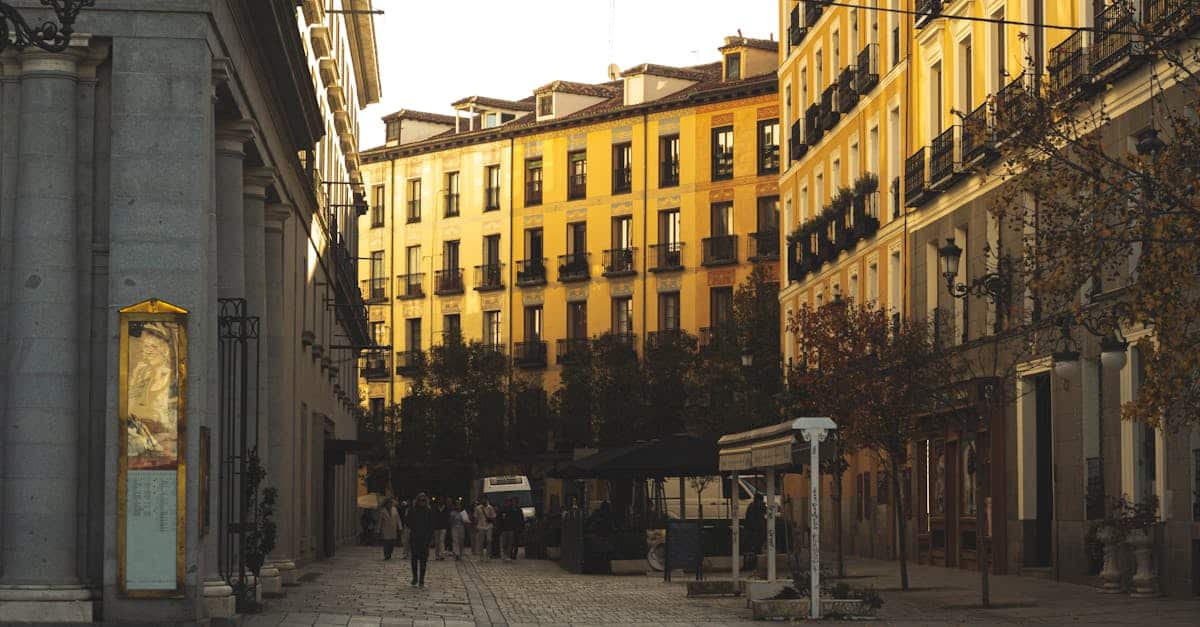
Madrid is a vibrant and diverse city made up of neighborhoods with very distinct personalities. From historic streets and local markets to nightlife, green spaces, and rich food scenes, each area offers a different way of experiencing life in the Spanish capital.
Whether you’re a student, a young professional, or moving to Madrid for the first time, understanding the city’s neighborhoods is a key step before choosing where to live. This guide explores Madrid’s most popular areas, combining lifestyle insights with practical accommodation considerations to help you decide where to settle.
Browse available accommodation in Madrid
1. Understanding Madrid’s Neighborhoods
Madrid’s neighborhoods reflect the city’s cultural diversity and dynamic lifestyle. Some areas are known for creativity and nightlife, while others stand out for elegance, tradition, or a strong sense of community.
Malasaña
Malasaña is famous for its alternative spirit, street art, and buzzing nightlife. Vintage shops, independent cafés, and live music venues make it one of the most popular areas among students and young professionals.
Living in Malasaña:
This central neighborhood is dominated by shared apartments and smaller flats. Demand is high due to its location and lifestyle, so rooms tend to rent quickly, especially during the academic year.
Uncover the secrets of Malasaña’s alternative scene
La Latina
La Latina is known for its historic charm, traditional tapas bars, and lively plazas. Its narrow streets and authentic atmosphere make it one of Madrid’s most characterful neighborhoods.
Living in La Latina:
Residents are often drawn to La Latina for its central location and strong local identity. Shared apartments are common, with prices varying depending on proximity to major squares and metro connections.
Exploring La Latina: Madrid’s timeless gem of tapas and tradition
Lavapiés
Lavapiés is one of Madrid’s most multicultural neighborhoods, offering international cuisine, independent art spaces, and a diverse, creative community.
Living in Lavapiés:
Often considered more budget-friendly than other central districts, Lavapiés attracts students, creatives, and newcomers. Housing options mainly include rooms in shared flats, with a mix of renovated and older buildings.
Chueca
Chueca is the heart of Madrid’s LGBTQ+ community and is known for its inclusive atmosphere, stylish bars, and trendy restaurants. It’s a lively, central area with a strong social scene.
Living in Chueca:
Chueca offers mostly rooms in shared apartments and compact studios. Its popularity and central location mean prices are slightly higher than in surrounding neighborhoods.
Discover Chueca: your guide to Madrid’s LGBTQ+ oasis
Salamanca
Salamanca is one of Madrid’s most elegant districts, recognised for its refined architecture and high-end shopping streets such as Calle de Serrano.
Living in Salamanca:
This area is particularly popular with professionals and residents looking for comfort and a quieter environment. Housing mainly consists of studios and full apartments, usually at higher price points.
A day in Salamanca: shopping, dining, and elegance
2. Daily Life in Madrid Neighborhoods
Social Life and Nightlife
Madrid’s daily rhythm is closely linked to its social culture. Dinner usually starts around 8–9 pm, followed by long evenings spent in bars, terraces, or cultural venues.
- Malasaña and Chueca are well known for nightlife and live music
- La Latina is a hotspot for tapas and Sunday outings near El Rastro
- Lavapiés offers a more relaxed but international social scene
These differences often influence where people decide to live, depending on whether they prioritise calm evenings or an active nightlife.
Local Communities and International Residents
Madrid’s neighborhoods host a mix of locals and international residents. Areas like Malasaña, Lavapiés, and Chueca attract many students and expats, while Salamanca is often preferred by professionals and long-term residents.
This mix shapes the atmosphere of each district and directly impacts accommodation demand throughout the year, particularly around the start of the academic calendar.
3. Food, Markets, and Everyday Life
Food plays a central role in daily life across Madrid’s neighborhoods.
- La Latina: traditional tapas bars and historic taverns
- Lavapiés: international cuisine from all over the world
- Chueca: trendy cafés and modern restaurants
Local markets such as Mercado de la Paz (Salamanca) or Mercado de las Maravillas (Tetuán) are key meeting points for residents and often influence where people choose to live.
4. Culture, Green Spaces, and Urban Balance
Madrid combines urban life with easy access to cultural landmarks and green spaces.
- Puerta del Sol and Plaza Mayor are easily reachable from many central neighborhoods
- Retiro Park and Casa de Campo provide space for relaxation, sports, and outdoor activities
Living close to parks and cultural areas is often a priority for those seeking balance between city life and quieter surroundings.
5. Choosing the Right Neighborhood to Live in Madrid
Each neighborhood offers a different mix of lifestyle, budget, and housing options:
| Neighborhood | Best for | Typical housing |
| Malasaña | Students, nightlife | Shared apartments |
| Lavapiés | Budget-conscious, multicultural | Rooms, shared flats |
| Chueca | Central living, young professionals | Rooms, studios |
| Salamanca | Professionals, comfort | Studios, apartments |
Understanding these differences helps narrow down the areas that best match your lifestyle before starting your accommodation search.
By combining neighborhood knowledge with a clear idea of your budget and lifestyle, you’ll be better prepared to find suitable accommodation and a place that truly feels like home. For a broader view of what daily life looks like across the capital, exploring a comprehensive city guide to living in Madrid can help you make more informed decisions.