
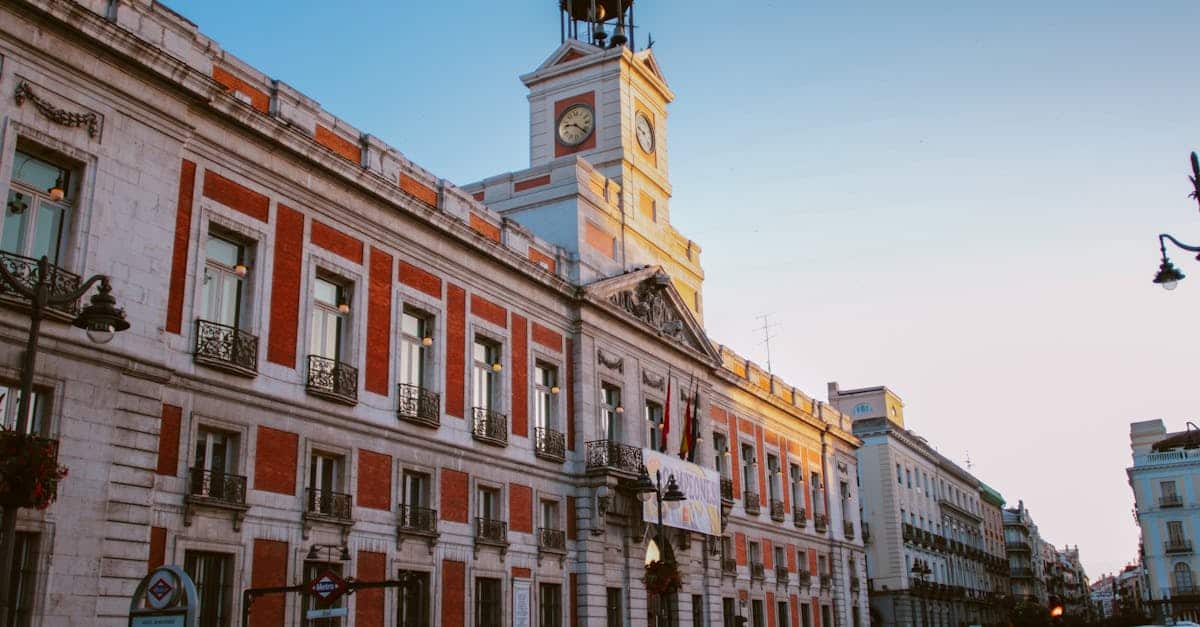
Introduction
Madrid, the capital of Spain, is a city that pulses with life. Known for its rich cultural scene and historical charm, it offers an irresistible blend of the old and new. From stunning architecture to vibrant festivals, Madrid has something for everyone. This city guide is designed to help new residents exploring Madrid effectively.
You will learn:
- Essential information for living in Madrid
- Popular neighborhoods like Malasaña and Chueca
- Major attractions such as the Royal Palace and Prado Museum
- Tips for budgeting and finding housing in the city
Exploring Madrid becomes easier with the right knowledge. Beyond practical considerations, gaining insight into daily life and local traditions in Madrid helps newcomers understand how the city really works, while exploring its local lifestyle and social rhythms offers a more immersive view of what it means to live here.Dive into this comprehensive Madrid travel guide to make your transition smooth and enjoyable.
Essential Information for New Residents
Transportation System in Madrid
Madrid’s transportation system is well-organized and accessible, making it easy to navigate the city. Here are your primary options:
- Subway (Metro): The Madrid Metro is one of the largest in Europe with 13 lines covering the entire city. Trains run frequently, ensuring you can get to your destination quickly.
- Buses: The city’s bus network includes over 200 routes, with night buses (búhos) available for late-night travel.
- Trains (Cercanías): For travel to surrounding areas, the Cercanías trains are a reliable choice. These trains connect Madrid to nearby towns and cities.
- Biking and Walking: Madrid’s public bike-sharing program, BiciMAD, offers an eco-friendly way to explore the city.
The comprehensive transportation system in Madrid ensures that you can easily access all parts of the city without a car.
Living Costs in Madrid
Understanding the price of living in Madrid will help you budget effectively. Here’s a breakdown of typical living expenses:
- Rent:
- One-bedroom apartment in the city center: €900 – €1,200 per month
- One-bedroom apartment outside the city center: €700 – €900 per month
- Utilities (electricity, heating, cooling, water, garbage): Around €100 – €150 per month
- Groceries:
- Monthly grocery bill for one person: Approximately €150 – €250
- Dining out at a mid-range restaurant: Around €10 – €20 per meal
To manage living costs in Madrid effectively:
- Budgeting Tips:
- Use public transportation instead of owning a car.
- Shop at local markets like Mercado de la Cebada for fresh produce at lower prices.
- Share an apartment to split rent and utility costs.
Living expenses in Madrid can be manageable with careful planning. Making use of the robust transportation system and being mindful of daily expenses will help new residents settle comfortably into life in this vibrant city.
Exploring Neighborhoods in Madrid
1. Malasaña
Malasaña stands out among the neighborhoods in Madrid for its bohemian atmosphere and vibrant nightlife. This area, often compared to New York’s East Village or London’s Camden Town, is a haven for young adults and creatives. Walking through its streets, you’ll find an eclectic mix of vintage shops, trendy cafes, and stylish boutiques.
Bohemian Vibe: Malasaña is known for its artistic charm. Street art adorns many walls, and independent galleries are scattered throughout. It’s common to see impromptu performances and local artists showcasing their work.
Nightlife Scene: The nightlife here is one of the main attractions. Bars and clubs cater to various tastes, from laid-back lounges to energetic dance floors. Popular spots like La Vía Láctea and TupperWare offer unique experiences that keep the streets lively until the early hours.
Trendy Cafes and Shops: Daytime in Malasaña is just as engaging as nighttime. Quaint coffee shops such as Café de la Luz provide cozy corners for reading or catching up with friends. Vintage stores like Magpie Vintage offer a treasure trove of retro clothing and accessories.
Navigating this neighborhood can feel like stepping into a different world with each street you explore. The blend of historical architecture with modern influences makes Malasaña a must-visit for anyone wanting to experience the dynamic spirit of Madrid areas.
City guides articles that focus on providing all the necessary information for living in Madrid highlight Malasaña as a key destination due to its unique character. Whether you’re looking for nightlife, shopping, or just soaking in the creative energy, Malasaña delivers a comprehensive glimpse into the city’s diverse culture.
Exploring different neighborhoods in Madrid like Malasaña allows new residents to find their niche within the city’s vibrant tapestry.
2. Chueca
The Chueca neighborhood is Madrid’s LGBTQ+ district, known for its welcoming atmosphere and lively energy. With its colorful street art and bustling nightlife, Chueca provides a friendly environment for all.
1. Inclusive Vibe
Chueca’s appeal lies in its open-mindedness. The neighborhood embraces diversity, making it one of the most accepting areas in Madrid. As you stroll through Chueca, you’ll see rainbow flags proudly displayed from balconies and shops.
2. Lively Events
Throughout the year, various events take place in the area. One of the most significant is Madrid Pride, an annual celebration that draws visitors from around the globe. During this festive time, the streets come alive with parades, concerts, and parties.
3. Social Scene
Cafes, bars, and restaurants in Chueca are always buzzing with activity. Popular spots like Plaza de Chueca serve as social hubs where people gather to enjoy delicious food and great company.
Chueca effortlessly combines tradition with modernity, offering a one-of-a-kind experience for both locals and tourists. As one of Madrid’s many unique neighborhoods, it embodies the city’s spirit of inclusivity and celebration.
3. La Latina
La Latina neighborhood is one of the most charming areas in Madrid. Its winding streets are packed with tapas bars, making it a top spot for food lovers. Head to Cava Baja and Cava Alta for a taste of traditional Spanish cuisine.
One of the highlights here is Mercado de la Cebada, a bustling market where you can find fresh produce, local delicacies, and unique crafts. It’s a perfect place to soak in the local culture and pick up some gourmet treats.
La Latina has a close-knit community feel that makes it stand out among other neighborhoods in Madrid like Malasaña and Chueca. Residents often gather in Plaza de la Paja and Plaza de la Cebada to socialize and enjoy the relaxed atmosphere.
With its blend of historic charm and vibrant community life, La Latina offers newcomers a warm welcome into Madrid’s diverse tapestry.
4. Salamanca
Welcome to Salamanca, one of the most upscale areas in Madrid. Known for its luxury boutiques on Calle Serrano and elegant architecture, Salamanca exudes sophistication. If you’re a fan of high-end shopping, this is your go-to place.
Here are some highlights of Salamanca:
- Luxury Boutiques: Calle Serrano, often referred to as the “Golden Mile,” features designer stores like Gucci, Prada, and Louis Vuitton. Perfect for fashion enthusiasts.
- Elegant Architecture: Stroll through streets lined with beautifully preserved buildings showcasing 19th-century charm.
- Dining Options: Fine dining restaurants and chic cafes make Salamanca a hotspot for food lovers.
This area stands out among other neighborhoods in Madrid like Malasaña, Chueca, and La Latina, offering a different vibe with its polished atmosphere. For new residents looking to indulge in a bit of luxury while navigating their Madrid budget, Salamanca offers a unique blend of elegance and convenience.
If you’re drawn to upscale living within vibrant Madrid areas, Salamanca is definitely worth exploring.
Cultural Highlights and Major Attractions to Explore
Madrid is a city full of famous landmarks and cultural treasures. Here are some of the top places to visit:
1. Royal Palace
The Royal Palace is a must-see site in Madrid. It is an architectural wonder that gives visitors a glimpse into Spain’s royal history. With over 3,000 rooms, each beautifully decorated and filled with priceless artworks, the palace offers guided tours through its luxurious halls and gardens, allowing guests to experience a piece of living history.
2. Prado Museum
Another gem in Madrid’s crown is the Prado Museum. This museum houses one of the finest collections of European art, featuring masterpieces by renowned artists such as Velázquez, Goya, and El Greco. Art lovers can spend hours exploring its expansive galleries, each showcasing different artistic periods.
3. Flamenco Festivals
Madrid’s cultural scene goes beyond its landmarks. Flamenco festivals are vibrant celebrations of Spain’s musical heritage. These events feature passionate performances with soulful singing, intricate guitar playing, and dynamic dancing.
4. San Isidro Bullfighting Festival
Another significant event in Madrid’s cultural calendar is the San Isidro bullfighting festival. Held every May, this festival attracts top matadors from around the world and draws large crowds to celebrate this traditional spectacle.
Experiencing these cultural highlights helps new residents connect with Madrid’s rich heritage while making their transition smoother.
Tips for Budgeting and Finding Housing in the City
Renting vs. buying property in Madrid is a common consideration for new residents. Younger people usually prefer renting due to flexibility and lower upfront costs. Buying property, though appealing, might not be feasible right away.
Navigating the Rental Market
Madrid’s rental market is competitive, but with some tips, you can find your ideal home:
- Use Online Platforms: Websites like Idealista and Fotocasa list numerous rental options.
- Join Local Groups: Facebook groups and local forums often have rental listings and advice.
- Work with Agencies: Real estate agencies can help navigate paperwork and language barriers.
For newcomers, browsing available apartments early helps set realistic expectations around prices, locations, and availability. Exploring apartments for rent in Madrid can give you a clearer picture of what’s on the market across different neighborhoods
Budgeting Tips
Living costs in Madrid vary by neighborhood. Here’s a quick breakdown:
- Rent: Expect €700-€1,200 per month for a one-bedroom apartment.
- Utilities: Around €100-€150 monthly.
- Groceries: Approximately €200-€300 per month.
Tip: Track your expenses using apps like Mint or YNAB to stay within budget.
City guides articles offer focused insights into city living. These guides provide overviews of neighborhoods, major attractions, and practical tips, making them invaluable resources for new residents.