
Introduction
Madrid’s public transport system is a lifeline for both residents and visitors, offering a seamless way to navigate the city and simplifying everyday travel. From metro lines and city buses to commuter trains connecting surrounding areas, Madrid makes it easy to move around efficiently. This guide covers everything from the broader Spanish transportation network to practical tips for navigating Madrid using the metro, buses, and rail services.
For renters, understanding how well-connected different neighbourhoods are plays an important role when choosing where to live — exploring available Madrid city listings alongside transport accessibility can help identify areas that best match both lifestyle preferences and daily commuting needs.
Overview of Spain’s Transportation Network
Airports in Spain: A Gateway to Madrid
When considering the Spain transportation network, airports are a crucial component, especially for international travelers. Among these, Madrid-Barajas Airport stands out as the largest and busiest. Handling millions of passengers annually, it serves as a major hub connecting numerous global destinations to the heart of Spain.
Madrid-Barajas Airport’s Operations:
- International Hub: Hosting flights from all over the world, Madrid-Barajas plays a pivotal role in the connectivity of Spain.
- Passenger Traffic: With multiple terminals, the airport efficiently manages high volumes of passengers.
- Services and Amenities: From shops and restaurants to lounges and business centers, the airport ensures a comfortable experience for travelers.
Public Transport Connections to Madrid City Center:
Madrid-Barajas Airport offers several convenient options to reach the city center:
- Metro (Line 8): This is one of the fastest ways to get into Madrid. The metro runs frequently and connects directly to key areas within the city.
- Commuter Trains (C1 and C10): These Cercanías lines provide another quick option. They link the airport with major train stations like Atocha and Chamartín.
- Buses: Multiple bus routes serve the airport, catering to different parts of Madrid. The EMT buses are reliable and cover extensive areas within the city.
The Madrid subway system, complemented by these connections, ensures that even newcomers can navigate easily. Whether you’re just arriving or planning to explore further, Madrid-Barajas Airport’s integration with public transport is designed for efficiency and convenience.
This expansive network not only highlights how well-developed Spain’s transportation infrastructure is but also underscores its importance in making travel within and around Madrid seamless.
Exploring Rail Services in Spain: High-Speed Trains and Commuter Connections
Spain has a vast rail network that is essential for both local and long-distance travel. The Cercanías commuter trains are crucial in connecting Madrid with its nearby areas, providing smooth commuting options for both residents and tourists.
Importance of Rail Services
The high-speed trains in Spain, called AVE (Alta Velocidad Española), greatly shorten travel time between major cities. For example, a journey from Madrid to Barcelona on a high-speed train takes only about 2.5 hours compared to over 6 hours by car. This efficiency makes rail services the preferred choice for many.
Madrid’s main train stations, such as Atocha and Chamartín, serve as central hubs not only for the city but also for connections across the country. These stations link passengers to various destinations efficiently, improving accessibility and connectivity within Spain’s transportation network.
Key Features of Rail Services
- Cercanías Trains:
- Connects Madrid with suburbs and nearby towns
- Operates frequently throughout the day
- Ideal for daily commuters
- High-Speed Trains (AVE):
- Links major cities like Madrid, Barcelona, Seville
- Reduces travel time significantly
- Preferred for long-distance travel
This strong rail system ensures that getting around Madrid and beyond is both easy and quick.
The Importance of Road Systems in Spain: Local Commuting and Travel Made Easy
Spain’s well-developed road infrastructure plays a crucial role in facilitating local commuting and travel. The country has a wide range of highways and secondary roads, making it easy to explore both urban and rural areas.
1. Highways and Expressways
Major highways connect cities like Madrid, Barcelona, and Seville, enabling efficient long-distance travel.
2. Secondary Roads
These roads ensure accessibility to smaller towns and scenic routes, perfect for road trips.
3. Urban Roads
In cities like Madrid, well-maintained urban roads support daily commutes and provide easy access to public transport hubs.
The strong road systems in Spain improve the overall transportation network, ensuring smooth connectivity throughout the country.
Navigating Around Madrid: Tips for Newcomers and Visitors
Understanding Madrid’s Public Transport System: A Cost-Effective Way to Explore the City
Madrid’s public transport system is renowned for its efficiency and ease of use, making it a great option for both residents and visitors. It offers a comprehensive network that includes:
1. The Metro System
With over 300 stations across 12 lines, the metro is the fastest way to get around Madrid. Trains run frequently every 3-4 minutes, ensuring minimal waiting times. Using a metro map or apps like Moovit can help you navigate easily.
2. Buses and EMT Services
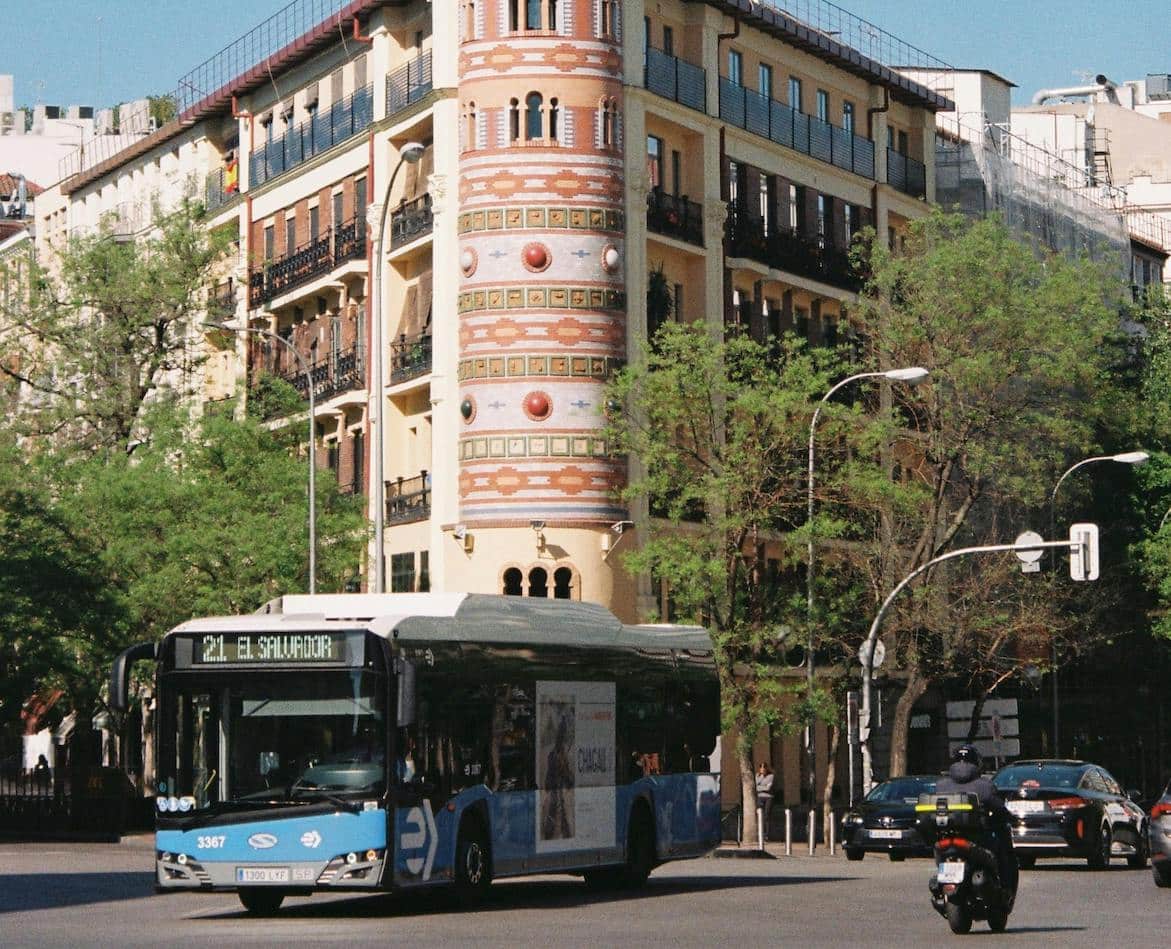
Empresa Municipal de Transportes (EMT) operates more than 200 bus lines. These buses cover extensive routes throughout the city, running from early morning until late at night. They are a convenient option for shorter distances and areas not served by the metro.
3. Cercanías Commuter Trains
These trains connect Madrid with surrounding regions, making them ideal for daily commuters or those looking to explore areas outside the city. They operate daily from early morning until midnight.
Navigating around Madrid tips include familiarizing oneself with these public transport options to ensure a smooth commute. For those considering living in Madrid, understanding the ease of commute and accessibility of public transport can be an important factor in choosing a place to live.
Tickets for single journeys on buses typically cost around €1.50, while metro rides can go up to €2. For regular commuters, various passes are available:
- Monthly Passes: Offer unlimited travel within specific zones at reduced prices.
- Multi Card: Allows users to load single or ten-trip tickets, providing flexibility.
Madrid’s public transit system ensures that getting around the city is both affordable and convenient. Whether you’re commuting daily or exploring as a tourist, knowing your options can make navigating around Madrid effortless.
Using resources like smartphone apps and online maps can enhance your experience and help you make the most of Madrid’s vibrant public transport network.
1. The Metro System: Your Fastest Route Around Town
Madrid’s Metro system is one of the most efficient ways to get around the city. With over 300 stations spread across 12 lines, it’s a vast network that ensures you can reach almost any part of Madrid quickly and easily.
Why Choose the Metro?
- Extensive Coverage: The metro covers all major neighborhoods and key attractions, making it ideal for both daily commutes and sightseeing.
- Frequent Services: Trains run every 3-4 minutes during peak times, minimizing wait times and ensuring a smooth journey.
- Ease of Use: Navigating the metro is straightforward, especially with tools like the Madrid Metro map or mobile apps such as Moovit. These resources provide real-time updates and route planning to help you find your way.
Tips for Using the Metro
For newcomers and visitors, understanding how to use the metro can significantly enhance your experience in Madrid. Consider these tips:
- Download a Metro Map: Having a digital Madrid subway map on your phone helps you plan routes efficiently.
- Use Mobile Apps: Apps like Moovit offer detailed information on train schedules, delays, and the best routes to take.
Evaluating proximity to metro stations can also be crucial when choosing a place to live. Accessibility to this extensive network can greatly improve your ease of commute and overall quality of life.
2. Buses and EMT Services: A Convenient Option for Short Distances
Madrid’s bus network, operated by EMT (Empresa Municipal de Transportes), features more than 200 lines that crisscross the city. These buses provide an excellent option for navigating around Madrid, especially for short distances and areas not directly accessible by metro.
EMT Bus Services Highlights:
- Wide Coverage: The bus routes cover a vast area of Madrid, ensuring you can reach most parts of the city with ease.
- Operating Hours: Buses run from early morning until late at night, with some lines offering 24-hour services. This makes it convenient for early commuters and night owls alike.
- Accessibility: Most buses are equipped to accommodate passengers with reduced mobility, making public transport inclusive for everyone.
- Real-Time Updates: Use apps like Moovit or EMT Madrid to get real-time information on bus schedules and routes.
Exploring the city by bus also offers a scenic view of Madrid’s streets and neighborhoods, enhancing your travel experience. For newcomers and visitors, understanding the bus system helps evaluate the ease of commute and accessibility—important factors in choosing a place to live or stay in Madrid.
Navigating around Madrid tips include familiarizing yourself with key bus stops near your residence or destination. This practical advice ensures efficient use of Madrid’s public transport options.
3. Taxi Services in Madrid: An Alternative Mode of Transportation When Needed
Taxis in Madrid are a convenient option for those times when the metro or bus isn’t the best fit. Identifying taxis is easy; look for white cars with a red diagonal stripe and a green light on top indicating availability.
Benefits of Using Taxis:
- Availability: Taxis can be hailed directly on the street, found at designated taxi stands, or booked via phone apps like MyTaxi and Cabify.
- Convenience: Ideal for short trips, late-night travel, or when carrying heavy luggage.
- Accessibility: Taxis offer door-to-door service, which can be crucial for those with specific accessibility needs.
Comparing Taxis with Other Services:
- Uber/Bolt: These ride-hailing services provide similar convenience but often boast lower prices and easier bookings via mobile apps.
- Public Transport: While buses and metros are more cost-effective, they might not always be practical depending on your schedule or location.
Navigating around Madrid tips emphasize the ease of commute and accessibility. This helps renters evaluate important factors in choosing a place to live. Whether you’re using the Madrid bus, metro, or taxis, understanding your options can make your experience smoother.
Making Use of Public Transport Tickets and Passes: What You Need to Know Before Boarding Any Vehicle!
Understanding the variety of public transport tickets in Madrid helps you travel efficiently. Here’s a breakdown:
Ticket Prices for Single Journeys
- Metro Rides: Single tickets cost between €1.50 and €2, depending on the distance.
- Bus Rides: Flat rate of €1.50 for single journeys.
Pass Options for Regular Commuters
Madrid offers several pass options that save money and time:
- Multi Card Pass Option:
- This reusable card allows you to load multiple trips.
- Ideal for visitors, it costs €2.50 plus the fare of the loaded trips.
- Monthly Passes:
- Unlimited travel within specified zones.
- Prices range from €54.60 (Zone A) to higher amounts covering broader areas.
Use these cards to streamline your travel experience, avoiding the hassle of buying single tickets repeatedly. Whether you’re a resident or a visitor, these options make navigating Madrid’s public transport system a breeze.
Conclusion
Madrid’s public transport network makes navigating the city both simple and efficient. With an extensive metro system, a wide-reaching bus network, and reliable commuter and rail connections, moving around Madrid is accessible for daily commuting as well as exploring different parts of the city. Affordable ticket options and flexible travel passes further support a cost-effective and practical way of getting around.
For those planning to live in Madrid, transport accessibility is a key factor in everyday comfort and time management. Proximity to metro stations, bus routes, or commuter lines can significantly shape daily routines and neighbourhood choices. Taking public transport connections into account while browsing Madrid city listings helps narrow down areas that align with both lifestyle expectations and commuting needs.
By combining an understanding of Madrid’s transport system with informed housing decisions, newcomers and renters can settle more easily into the city and enjoy a smoother, more connected urban experience.