
1. Finding Your Ideal Neighborhood
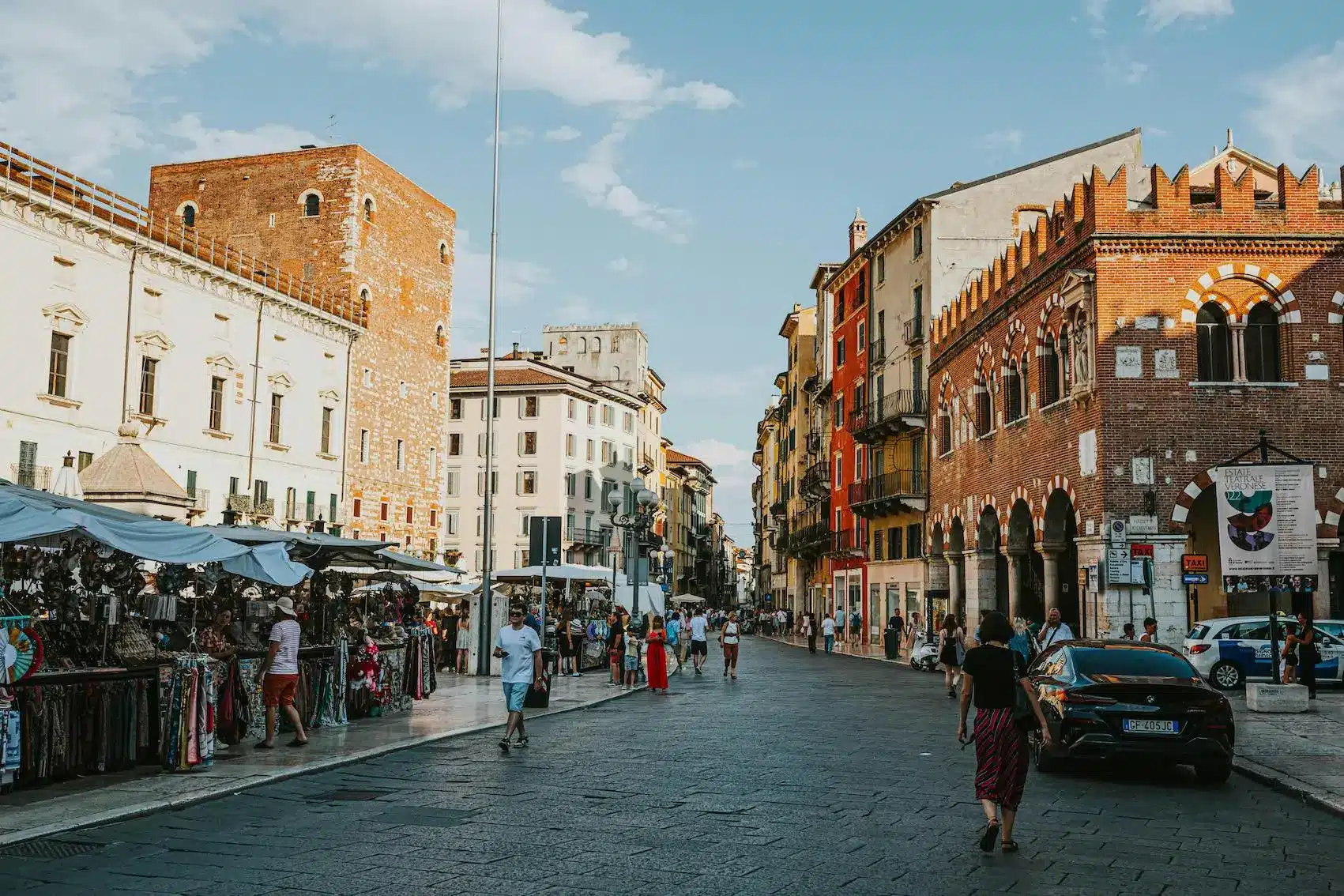
Living expenses in Rome can be heavily influenced by your choice of neighborhood. Housing costs are a significant part of the cost of living in Rome, and it’s essential to find an area that suits both your budget and lifestyle preferences.
Central Areas vs. Suburban Areas
Central Areas
Renting a place in the heart of Rome, such as near the Colosseum or Vatican City, can be costly. Rent prices in these central locations often range from €1,200 to €2,500 per month for a one-bedroom apartment. The benefits include proximity to iconic landmarks, vibrant nightlife, and easy access to public transportation. However, these areas can be crowded and noisy.
Suburban Areas
Opting for suburban neighborhoods may lower your housing expenses significantly. Areas further from the city center, like Monteverde or San Giovanni, offer more affordable rent options ranging from €800 to €1,200 per month for similar accommodations. These locations provide a quieter environment with more space but might require longer commutes to central attractions.
Popular Neighborhoods for Expats
Trastevere
Known for its bohemian atmosphere, Trastevere is one of the best neighborhoods to stay in Rome for expats seeking charm and culture. It boasts cobblestone streets, lively piazzas, and a plethora of cafes and trattorias. Living here offers a quintessential Roman experience with easy access to both local life and tourist destinations.
Testaccio
This neighborhood is famous for its authentic Roman cuisine and vibrant market scene. Testaccio provides a mix of tradition and modernity with art galleries and music venues woven into its historic fabric. It’s an ideal spot for those wanting to immerse themselves in local traditions while enjoying a strong sense of community.
Understanding these options helps expats decide where they might want to settle based on their needs and financial situation. Exploring these neighborhoods presents opportunities not only to manage rome living expenses effectively but also to experience different facets of life in this historic city.
2. Embracing Local Traditions Through Food and Transport
Living in Rome is an experience full of history and culture, but it also comes with its own set of daily expenses. For expats looking to manage their budgets effectively, it’s important to understand the cost of living in Rome.
Grocery Shopping
Exploring Local Markets
Grocery shopping makes up a big part of living expenses in Rome. Local markets are a great place to find fresh produce at reasonable prices. To save money, it’s advisable to explore these markets instead of going to supermarkets that might charge more for imported goods.
Dining Out
Balancing Treats and Home Cooking
Eating out can be a delightful experience, but it often costs more than cooking at home because of Rome’s famous food traditions. Finding a balance between enjoying meals at trattorias (traditional Italian restaurants) and preparing authentic Italian dishes in your own kitchen can help keep food expenses in check.
Getting Around
The Benefits of Public Transportation
Public transportation is an affordable way to get around the city, making it unnecessary for residents to own cars. This is beneficial since owning a car can be expensive due to fuel and maintenance costs. By using public transport, you can fully embrace the vibrant local customs and everyday practices without putting too much strain on your budget.
Comparing Costs
Understanding Value in Rome
If you’re comparing the affordability of Rome with other cities in Italy or Europe, keep in mind that some costs may be higher, especially in central neighborhoods. However, the cultural richness and lifestyle that Rome offers make it worthwhile. By adapting to local traditions and being smart with your finances, you can enjoy everything this historic city has to offer.
Healthcare Costs: Navigating the Italian System as an Expat
Understanding healthcare in Italy is crucial for expats in Rome. The country offers a dual system comprising public and private healthcare options.
1. Public Healthcare System (Servizio Sanitario Nazionale – SSN)
This system provides affordable healthcare services to residents, including expats. Registration with the SSN grants access to general practitioners, hospital care, and specialist services at low or no cost. However, wait times can be lengthy.
2. Private Healthcare
Offers quicker access to specialists and more personalized care but at a higher cost. Many expats opt for private insurance to cover these expenses, ensuring timely medical attention without long queues.
Typical costs vary based on the level of coverage chosen. Expats should consider insurance options that cover both public and private services to ensure comprehensive care during their stay in Rome. Balancing between these systems allows for efficient management of health needs while living in this vibrant city.
Cultural Considerations: How Local Traditions Shape Life in Rome
Understanding local traditions is key to embracing the Italian lifestyle in Rome. Family and social connections are at the heart of daily life, often guiding interactions and decisions. Romans cherish family gatherings, with Sunday lunches being a cherished custom where extended families come together to enjoy traditional meals.
- Social Connections: Building relationships is essential. Romans often form close-knit communities, where neighbors become like family.
- Common Customs: Simple greetings such as a friendly “Ciao” or the exchange of kisses on both cheeks are part of the warm social culture.
Exploring these Rome traditions offers insights into the vibrant cultural fabric of the city, helping expats connect more deeply with locals.
Financial Tips for a Smooth Transition to Life as an Expat in Rome
Navigating finances in Italy for expats can be straightforward with the right approach. Here are some essential tips:
1. Currency Exchange
Before moving, explore options for exchanging money. Banks often provide better rates than airports or hotels.
2. International Banking
Consider opening a local bank account to avoid unnecessary fees. This makes transactions smoother and often cheaper.
3. Digital Payments
Apps like Revolut or Wise offer competitive rates for transferring money internationally.
4. Budgeting Tools
Utilize budgeting apps to track expenses and adapt to Rome’s cost of living.
These insights into local lifestyle and traditions of Rome help you manage your finances effectively, making it clear why many ask, “Is Italy a good place to live?”
Embrace the Rich Culture of Rome While Managing Your Finances Wisely!
Immersing yourself in the vibrant local culture can help you manage your living expenses in Rome effectively. As you navigate your new life, celebrate the insights into the local lifestyle and traditions that enrich this historic city. Embrace the chance to explore Rome’s unique customs, savor its culinary delights, and connect with its people.
- Balance: Enjoy Rome’s cultural experiences while being mindful of budget constraints.
- Integration: Build relationships and adapt to local practices for a smooth transition as an expatriate.
Appreciate the city’s rich history and make your time in Rome both memorable and financially savvy.