
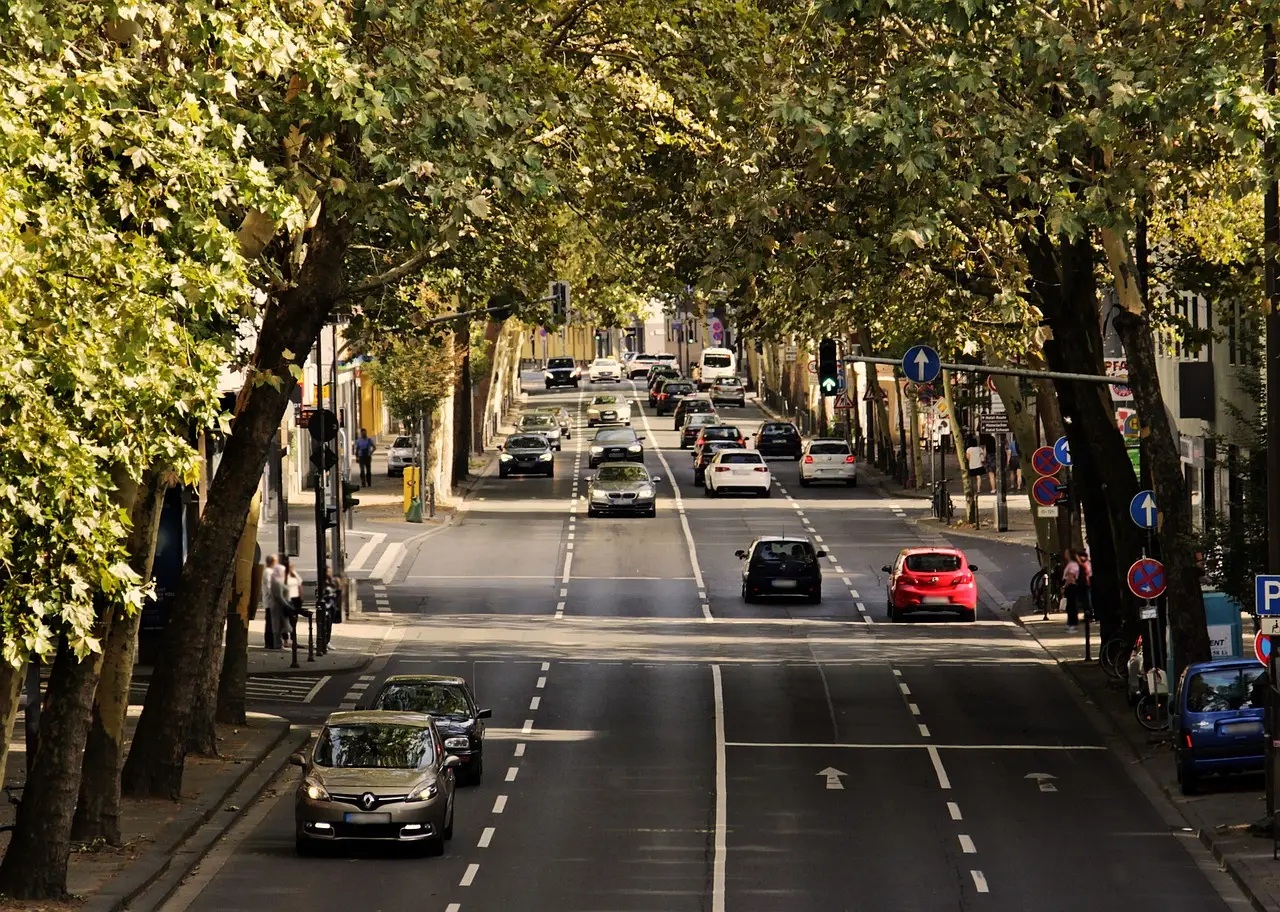
Exploring Portugal by car opens up endless possibilities for adventure, but it requires a solid understanding of local road safety practices. From navigating winding coastal roads to managing urban traffic in Lisbon, driving in Portugal presents unique challenges for visitors. Before renting a car, the ultimate expat guide to driving in Portugal covers licensing requirements, road rules, toll systems, and parking across the country.
Did you know? Portugal has significantly improved its road safety standards in recent years, yet specific hazards still exist that every driver should know about.
Your safety on Portuguese roads depends on:
- Understanding local driving laws and regulations
- Knowing how to handle different road conditions
- Being prepared for toll systems and payment methods
- Recognizing common driving hazards
- Following proper car rental procedures
This guide walks you through essential safety measures for renting and driving a car in Portugal. You’ll learn about speed limits, toll road navigation, rural driving challenges, and local driving customs. We’ll also cover crucial information about insurance requirements, emergency procedures, and alternatives to driving when needed.
Learn more about Portuguese driving regulations
Whether you’re planning to explore the Algarve’s scenic routes or navigate Lisbon’s busy streets, this comprehensive guide ensures you’re well-prepared for a safe journey on Portugal’s roads.
1. Familiarizing Yourself with Portuguese Traffic Laws
Portuguese traffic laws set clear guidelines for both locals and visitors. The legal driving age starts at 18, making it essential for young travelers to plan accordingly.
License Requirements:
- Valid driver’s license from your home country
- International Driving Permit (IDP) for non-EU licenses
- Permits must be carried while driving
- IDPs remain valid for 6 months
Car Rental Age Restrictions:
- Minimum age: 23-25 years (varies by rental company)
- Young driver surcharges apply (ages 23-25)
- Some companies require 2+ years of driving experience
Documentation for Expats:
- EU licenses valid throughout Portugal
- Non-EU residents must exchange license after 185 days
- Medical certificate required for license exchange
- Portuguese residency card needed for permanent drivers
These regulations protect both drivers and pedestrians while maintaining road safety standards. Rental companies strictly enforce age restrictions and documentation requirements to ensure compliance with local laws.
2. Navigating Different Road Conditions in Portugal
Portugal’s roads present unique challenges that vary between urban and rural settings. City streets feature narrow lanes, cobblestone surfaces, and frequent roundabouts. Urban areas like Lisbon and Porto experience heavy traffic congestion during peak hours, requiring extra caution and patience.
Rural roads demand heightened attention due to:
- Steep inclines and sharp curves
- Limited visibility around bends
- Unpaved sections in remote areas
- Sudden changes in road width
The EN125 in Algarve and IC19 from Lisbon to Sintra rank among Portugal’s most challenging routes. These roads see high accident rates due to:
- Heavy tourist traffic
- Unexpected intersections
- Poor lighting in certain sections
- Rapid speed changes
Common hazards on Portuguese roads include:
- Urban Areas:Pedestrians crossing unexpectedly
- Trams sharing road space
- Delivery vehicles making sudden stops
- Rural Areas:Livestock crossing without warning
- Deep potholes after rainfall
- Limited road markings
- Farm vehicles moving slowly
3. Understanding Speed Limits and Traffic Laws
Speed limits in Portugal vary based on road types and locations:
Urban Areas
- Built-up areas: 50 km/h
- Residential zones: 20 km/h
Rural Roads
- Standard roads: 90 km/h
- Express routes: 100 km/h
Highways (Autoestradas)
- Standard limit: 120 km/h
- Reduced to 100 km/h during rain or poor visibility
Portugal uses automated speed enforcement systems across major roads. Speed cameras, both fixed and mobile, operate 24/7. Fines range from €60 to €2,500 depending on the speed violation.
Key Traffic Signs
- Red circular signs: Prohibitions
- Blue circular signs: Mandatory actions
- Triangular signs: Warnings
- Rectangular signs: Information
The Portuguese Road Safety Authority enforces strict penalties for traffic violations. Running red lights can result in fines up to €500 and license suspension. Driving under the influence carries severe penalties, including imprisonment for serious cases. For a broader overview of Portugal’s legal framework beyond traffic rules, Portugal’s local laws for travelers covers what visitors and expats need to know about their rights and obligations.
4. Dealing with Toll Roads in Portugal
Portugal has two types of toll roads: traditional ones with physical booths and electronic-only ones. Knowing how these systems work will help you drive without any stress.
Traditional Toll Roads:
- Pay with cash or credit card at physical booths
- Look for signs marked “Via Verde” for automatic payment lanes
- Keep toll tickets until you exit the highway
Electronic Toll Roads:
- No physical payment booths
- Cameras capture license plate numbers
- Payment required within 5 days at post offices or PayShops
Tips for Rental Cars:
- Ask your rental company about their toll payment system
- Some companies offer toll transponders for a daily fee
- Request an itemized toll statement at the end of your rental
Route Planning:
- Use navigation apps to calculate toll costs
- Consider toll-free alternatives for shorter trips
- Budget approximately €0.10-€0.25 per kilometer for toll roads
Many rental companies in Portugal offer pre-registered electronic toll devices. This option simplifies payment by automatically charging tolls to your rental agreement, letting you focus on safe driving without payment worries.
5. Essential Safety Precautions While Driving in Portugal
Safe road trips in Portugal require vigilant attention to key safety practices. Reckless driving behaviors pose significant risks on Portuguese roads. Keep these crucial safety measures in mind:
- Maintain a safe following distance of at least 3 seconds behind other vehicles
- Avoid sudden lane changes or aggressive acceleration
- Stay within posted speed limits, especially in urban areas
- Never engage in tailgating, a common cause of accidents
The use of mobile phones while driving is strictly prohibited in Portugal. Hands-free devices are permitted, but it’s safer to pull over for calls or messages. Violations can result in hefty fines starting at €120.
In case of emergencies:
- Dial 112 immediately
- Stay calm and provide clear location details
- Keep your hazard lights on
- Move to a safe spot if possible
For broader safety advice that extends beyond driving, the Portugal travel security guide has practical tips for expats and visitors across all situations.
Have these essential documents ready:
- Driver’s license
- Insurance papers
- Vehicle registration
- Rental agreement
Portuguese roads demand heightened awareness during peak tourist seasons. Defensive driving techniques help prevent accidents and ensure a smooth journey through this beautiful country.
6. Car Rental Tips Every Traveler Should Know
Renting a car in Portugal requires careful attention to detail and proper preparation. Here’s what you need to know about securing a safe rental experience:
Insurance Coverage Essentials:
- CDW (Collision Damage Waiver) reduces your liability for vehicle damage
- Super CDW eliminates your liability completely
- Third-party liability insurance protects against damage to other vehicles
- Personal accident insurance covers medical expenses
Pre-Rental Vehicle Inspection:
- Take photos of existing scratches, dents, or damage
- Check tire condition and spare tire presence
- Test all lights, wipers, and electronic systems
- Document interior condition and cleanliness
- Verify fuel level matches rental agreement
Common Issues and Solutions:
- Keep rental company’s contact number handy
- Save roadside assistance details in your phone
- Request an English-speaking representative
- Document any mechanical issues immediately
- Get written confirmation for extended rental periods
Portugal’s Road Safety Authority provides comprehensive guidelines for rental vehicles. Remember to carry your rental agreement and insurance documents at all times while driving in Portugal. Local rental agencies must comply with IMT regulations for vehicle safety standards.
7. Ensuring Child Safety on the Roads in Portugal
Child safety in cars Portugal follows strict regulations to protect young passengers. Portuguese law mandates car seats for children under 12 years old or shorter than 135cm.
Here’s what you need to know about car seat requirements:
- Group 0 (0-10kg): Rear-facing baby seats
- Group 0+ (0-13kg): Extended rear-facing seats
- Group 1 (9-18kg): Forward-facing seats with harness
- Group 2 (15-25kg): Booster seats with back
- Group 3 (22-36kg): Booster cushions
The right car seat selection depends on your child’s specific measurements:
- Weight – Primary factor for choosing appropriate restraint
- Height – Must match the seat’s specifications
- Age – Additional consideration for developmental needs
Many car rental companies in Portugal offer child seats as add-ons. Request these during booking to ensure availability. The seats must be properly installed with secure anchor points and correctly adjusted straps.
Fines for non-compliance with child safety regulations range from €120 to €600. Police officers regularly check for proper child restraint systems during traffic stops.
8. Meeting Vehicle Requirements in Portugal
Portuguese law mandates specific safety equipment in every vehicle. Here’s what you need to carry at all times:
- Reflective Safety Vest: Keep it within easy reach (not in the trunk)
- Warning Triangle: Required for roadside emergencies
- Spare Tire: Must be in good condition
- Basic Tool Kit: For minor repairs
- First Aid Kit: While not mandatory, it’s highly recommended
During a breakdown or accident:
- Pull over safely to the side of the road
- Switch on hazard lights immediately
- Put on your reflective vest before exiting the vehicle
- Place the warning triangle 30 meters behind your car
- Call emergency services (112) if needed
- Document the scene with photos if it’s an accident
- Exchange information with other drivers involved
Car rental companies typically provide these mandatory items. Check their presence during your initial vehicle inspection. Missing safety equipment can result in fines during police checks, ranging from €60 to €300.
9. Understanding Local Driving Etiquette
Portuguese drivers have a unique way of driving that may surprise visitors. In cities like Lisbon and Porto, local drivers often keep a short distance between vehicles and drive assertively.
Common Portuguese Driving Behaviors:
- Quick lane changes without extensive signaling
- Frequent horn usage as communication
- Assertive merging in roundabouts
- Close following distances in traffic
Tips for Safe Navigation:
- Stay in the right lane unless passing
- Use turn signals early and clearly
- Maintain a defensive driving stance
- Allow extra space between vehicles
- Yield to aggressive drivers when necessary
Urban vs. Rural Etiquette:
- Cities: Expect fast-paced, assertive driving
- Rural areas: Watch for slower vehicles and farm equipment
- Coastal roads: Be prepared for tourist traffic during peak seasons
Parking Customs:
- Double parking occurs frequently in cities
- Flash hazard lights when briefly stopping
- Respect designated resident parking zones
Learn more about Portuguese driving regulations
Adapting to local driving customs helps create a safer driving experience. Remember to stay calm and focused, even when encountering unexpected driving behaviors.
10. Exploring Alternatives to Driving in Portugal
Portugal’s public transportation network offers reliable alternatives to car rental. The country’s integrated system includes:
- Modern Metro Systems: Clean, efficient service in major cities with regular schedules and extensive coverage, featuring air-conditioned carriages.
- Historic Trams: Iconic yellow trams in Lisbon, perfect for exploring narrow city streets and offering scenic routes through historic districts.
- Intercity Trains: High-speed connections between major cities with comfortable seating, dining options, and scenic coastal and countryside views.
Public transportation becomes an ideal choice when:
- Exploring city centers with limited parking
- Traveling between major tourist destinations
- Avoiding toll roads and parking fees
- Planning budget-friendly trips
- Visiting during peak tourist seasons
Many travelers combine public transport with occasional car rentals, using trains for long-distance travel and renting cars for specific day trips or rural explorations. This hybrid approach maximizes convenience while minimizing stress and expenses.
Conclusion: Embracing Safe Driving Practices in Portugal with Car Rentals
Your Portuguese road adventure awaits! With knowledge about local traffic laws, road conditions, and safety requirements, you’re ready to explore this beautiful country confidently behind the wheel. Remember these key points for a smooth journey:
- Keep emergency numbers handy
- Stay alert to local driving customs
- Follow speed limits and traffic rules
- Carry required safety equipment
- Maintain proper insurance coverage
For inspiration on where to take your rental car, Portugal’s natural wonders and top tourist landscapes makes an excellent self-drive itinerary companion — from the Algarve coastline to the Douro Valley vineyards.