
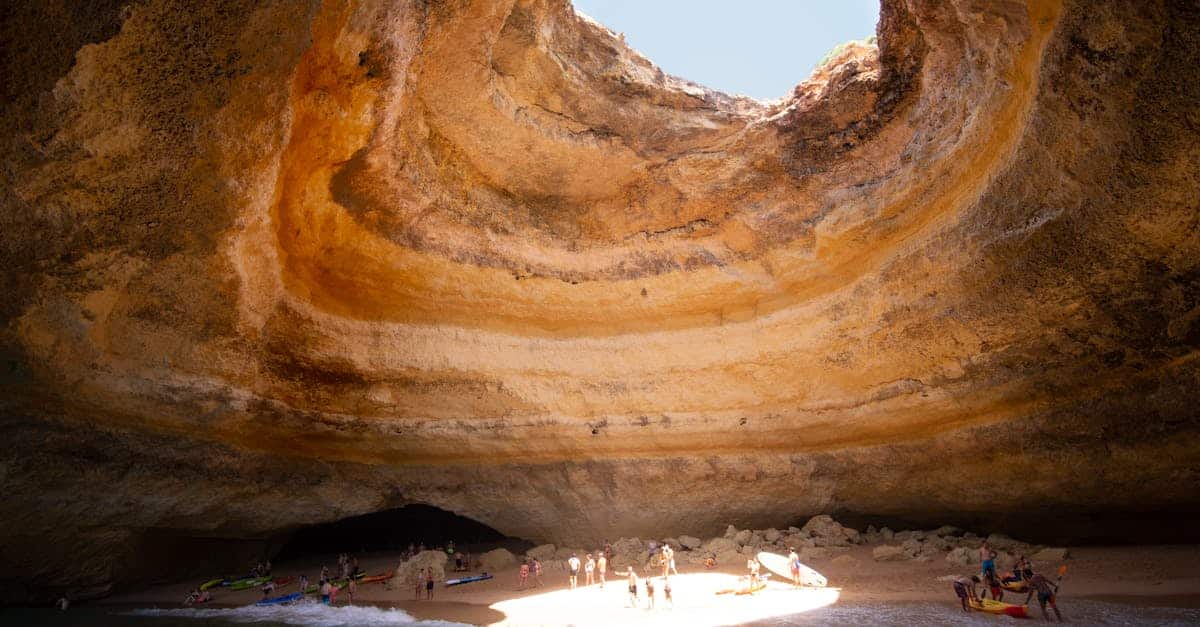
Explore Portugal’s natural wonders and cultural treasures: stunning landscapes, vibrant cities, and charming towns await your adventure.
Portugal is a hidden treasure in southwestern Europe, known for its breathtaking landscapes and vibrant cultural heritage. Located on the Iberian Peninsula, this country boasts a variety of geographical features that are sure to mesmerize any traveler. Many of these natural spots are best combined with Portugal’s top cultural landmarks on a longer road trip.
Key Geographical Highlights:
- Northern Coast: Known for its cold, rugged beauty.
- Atlantic Ocean: Borders the west and south, shaping Portugal’s climate and tourism.
- Algarve: Famous for its warm climate and beautiful beaches.
- Estrela Mountains: The highest mountain range in Portugal.
- Douro River & Tagus River: Vital waterways influencing landscapes and agriculture.
The cultural diversity of Portugal adds layers to its charm. The history is marked by Celtic settlements, Roman conquests, and Moorish rule, each leaving behind rich traditions and architectural marvels. This blend of natural wonders and cultural influences makes Portugal a unique destination worth exploring.
1. Coastal Regions: Where Land Meets the Atlantic
Portugal’s northern coast offers a unique beauty, characterized by cold, rugged landscapes that meet the powerful waves of the Atlantic Ocean. This area provides dramatic cliffs, rocky shores, and quaint fishing villages. The northern coast is less frequented by tourists, offering a serene escape into nature.
The Atlantic Ocean plays a crucial role in shaping Portugal’s tourism industry. Its vastness influences the weather and creates ideal conditions for water sports like surfing, especially along the western shores. Coastal towns thrive on seafood cuisine, with fresh catches being a staple in local dishes.
Algarve Beaches: Sun and Sand
The Algarve region stands out with its warm climate and stunning Algarve beaches. Renowned for golden sands and clear waters, it attracts sun-seekers from around the world. Popular spots include:
- Praia da Marinha: Known for its striking rock formations.
- Praia da Rocha: Famous for its bustling beach scene.
- Lagos: Offers beautiful coves and caves to explore.
Each beach in Algarve presents a unique experience, making it a must-visit for anyone looking to bask in Portugal’s coastal charm.
2. Majestic Mountains: A Playground for Outdoor Enthusiasts
The Estrela Mountains stand as Portugal’s highest mountain range. This majestic region offers breathtaking views and a variety of outdoor activities perfect for adventurers. Estrela Mountains hiking trails attract nature lovers from all over.
Hiking Trails
Trek through diverse landscapes, from dense forests to rocky peaks.
Outdoor Activities
Enjoy skiing in winter, bird watching, and exploring glacial valleys.
Discover the charm of traditional mountain villages nestled in the valleys. The Estrela Mountains offer not just physical challenges but also a serene escape into nature’s beauty.
3. Scenic Rivers and Fertile Valleys: Nature’s Bounty on Display
Portugal’s major rivers, the Douro and Tagus, are central to its landscapes and agriculture.
The Douro River: A Journey Through Vineyards
The Douro River meanders through the northern part of the country, carving out steep valleys that are both breathtaking and fertile. This river is synonymous with the Douro Valley, a UNESCO World Heritage site known for its terraced vineyards.
A Haven for Wine Enthusiasts
The Douro River valley wine production is world-renowned. Vineyards here produce some of the finest Port wines. The unique microclimate created by the river’s path through the mountains makes this region perfect for growing grapes. Visitors can explore these vineyards, taste exceptional wines, and enjoy the stunning scenery that defines this area.
The Tagus River: A Lifeline for Lisbon
Moving south, the Tagus River flows through Lisbon before emptying into the Atlantic Ocean. It has historically been crucial for trade and settlement in Portugal.
Fertile Lands Supporting Agriculture
The fertile lands along its banks support diverse agricultural activities, contributing significantly to local food production.
Together, these rivers shape Portugal’s natural beauty and agricultural richness. Their valleys are not just scenic but also vital to the country’s economy and cultural heritage.
4. UNESCO World Heritage Sites: A Journey Through Time
Portugal has a remarkable collection of UNESCO sites that provide insight into its rich history and cultural heritage. Here are some of the most significant UNESCO World Heritage sites in Portugal:
1. Sintra’s Palaces
Located in the beautiful hills of Serra de Sintra, these palaces are famous for their romantic architecture and breathtaking landscapes. The Pena Palace, with its vibrant colors and unique design, is a must-see.
2. Évora’s Roman Temple
Also known as the Temple of Diana, this ancient structure dates back to the first century AD. It serves as a reminder of Portugal’s Roman history and is one of the best-preserved Roman monuments on the Iberian Peninsula.
3. Monastery of Batalha
This Gothic masterpiece was built to celebrate the Portuguese victory in the Battle of Aljubarrota. Its intricate stonework and stunning stained glass windows make it a true work of art.
4. Alcobaça Monastery
Founded in 1153 by the first King of Portugal, this Cistercian monastery is an architectural treasure that showcases medieval monastic life.
These UNESCO sites in Portugal not only emphasize the country’s historical importance but also its architectural brilliance.
5. Vibrant Cities: Where History Meets Modernity
Lisbon and Porto stand out as iconic cities that perfectly blend history and contemporary culture.
Lisbon: A Cultural Hotspot
Portugal’s capital, Lisbon, is a cultural hotspot with its historic neighborhoods like Alfama and Bairro Alto. Landmarks such as the Belem Tower and Jerónimos Monastery highlight its rich past. The city also buzzes with modern attractions, trendy cafes, and vibrant nightlife.
Porto: A Blend of Old and New
Known for its stately bridges and port wine production, Porto offers a mix of medieval architecture and modern urban life. Its Ribeira district, a UNESCO World Heritage site, features narrow streets lined with colorful houses, while the contemporary Serralves Museum showcases cutting-edge art.
Both cities embody Portugal’s unique charm, offering visitors an immersive experience in the country’s rich heritage and dynamic present.
6. Quaint Towns and Villages: A Step Back in Time
Portugal’s charming villages offer a glimpse into the past. Sintra, a town near Lisbon, enchants visitors with its fairytale-like palaces and lush gardens.
Sintra’s Enchanting Attractions
- Pena Palace: Perched on a hilltop, this colorful palace boasts extravagant architecture and breathtaking views.
- Quinta da Regaleira: Explore its mystical gardens filled with hidden tunnels, grottoes, and fountains.
Évora, located in the Alentejo region, is another gem known for its well-preserved Roman ruins.
Évora’s Historical Treasures
- Roman Temple of Évora: Standing in the city center, this ancient temple is a testament to Portugal’s rich history.
- Chapel of Bones: A unique and eerie site decorated with human skulls and bones.
These quaint towns and villages highlight Portugal’s historical depth and architectural beauty.
7. Unique Attractions: Uncovering Portugal’s Hidden Gems
Portugal is home to some architectural wonders that capture the imagination and transport visitors to another era. Two standout examples are Quinta da Regaleira and Pena Palace.
1. Quinta da Regaleira
Quinta da Regaleira in Sintra is a must-see for anyone enchanted by mysticism and intricate design. This estate features mystical gardens, secret tunnels, and a stunning palace adorned with symbolic carvings. The Initiation Well is particularly captivating, offering an underground spiral staircase that descends into the depths of the earth.
2. Pena Palace
Pena Palace, perched atop a hill in the Sintra Mountains, stands as a testament to romantic architecture. Its vibrant colors and eclectic mix of Gothic, Moorish, and Manueline styles make it look like something out of a fairy tale. The views from Pena Palace are breathtaking, allowing visitors to gaze over lush forests and rolling hills.
These hidden gems showcase Portugal’s rich architectural heritage and offer unique experiences that leave lasting impressions.
8. Embracing Rural Life: The Allure of Alentejo’s Countryside
Alentejo’s countryside offers idyllic landscapes where time seems to stand still. Rolling hills, endless plains, and ancient cork oak forests paint a picture of serene beauty. To reach more remote landscapes independently, the ultimate expat guide to driving in Portugal covers licensing, tolls, and road rules.
Traditional practices of rural life in Alentejo are still alive today. Farmers tend to their olive groves, vineyards, and wheat fields using methods passed down through generations. These practices not only preserve the region’s heritage but also produce some of the finest wines and olive oils in Portugal.
Life here is slow-paced and deeply connected to nature. Villages like Monsaraz and Marvão showcase whitewashed houses, cobbled streets, and medieval castles that take you back in time. Exploring Alentejo means immersing yourself in a lifestyle that values simplicity and tradition, providing a refreshing escape from modern hustle and bustle.
Conclusion
Plan your trip to Portugal and explore its natural wonders and cultural treasures. From stunning landscapes to vibrant cities and charming towns, Portugal offers a wide range of experiences that showcase its beauty and heritage. Before heading to remote areas, skim the Portugal travel safety guide for practical tips. Start your adventure now!