
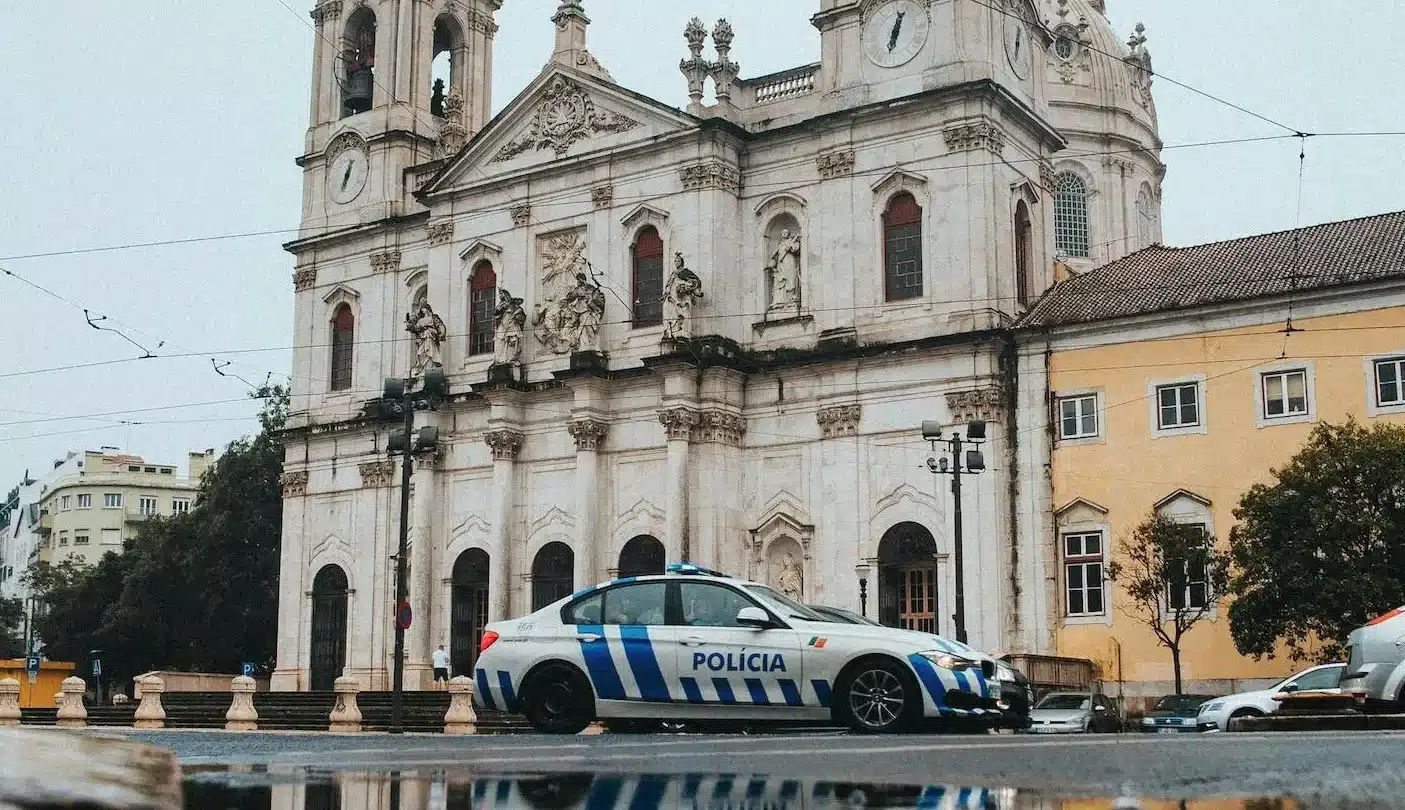
Portugal’s charm draws countless travelers and expats to its sun-kissed shores each year. While this beautiful country ranks as one of Europe’s safest destinations, staying informed about potential risks helps ensure a worry-free experience.
This comprehensive safety guide equips you with essential knowledge for navigating Portugal’s cities, beaches, and countryside. For a quick reference checklist version of the key points covered here, top 10 safety tips for expats living in Portugal distils the essentials into an easy reference.
We’ll explore crucial aspects of personal security in bustling urban centers like Lisbon and Porto, where street smarts make a difference. You’ll learn to identify common scams targeting visitors, master road safety guidelines, and access vital emergency resources.
Key Areas We’ll Cover:
- Personal safety strategies for urban environments
- Common tourist scams and prevention tactics
- Road safety rules and driving requirements
- Emergency contacts and healthcare access
- Beach and rural area safety tips
Whether you’re planning a short visit or considering a permanent move to Portugal, these safety tips will help you embrace Portuguese life with confidence and peace of mind.
1. Personal Safety
While Portugal ranks among Europe’s safest countries, staying vigilant in urban areas helps prevent unwanted incidents. Cities like Lisbon and Porto experience specific patterns of petty crime that travelers should know about.
Key Urban Safety Tips:
- Keep belongings close in crowded tourist spots like Baixa and Alfama
- Use anti-theft bags or money belts when exploring busy areas
- Avoid displaying expensive jewelry or electronics
- Stay alert on public transport, especially during peak hours
Public Transport Safety Measures:
- Hold bags in front of you on buses and metros
- Sit near the driver on night buses
- Use official taxi stands or licensed ride-sharing services
- Keep your ticket accessible to avoid fumbling through belongings
High-Risk Areas to Watch:
- Crowded tourist attractions
- Popular tram routes
- ATM locations
- Nightlife districts after dark
Smart Safety Practices:
- Walk confidently and purposefully
- Stay in well-lit areas after sunset
- Keep emergency numbers saved in your phone
- Travel in groups when possible
- Trust your instincts – if something feels wrong, leave
Crime reports indicate most incidents involve opportunistic theft rather than violent crime. Maintaining awareness of your surroundings and implementing these preventive measures helps ensure a safe experience in Portugal’s vibrant cities.
2. Avoiding Scams
Tourist scams in Portugal require constant awareness, particularly in popular destinations. The iconic Tram 28 in Lisbon, while a must-see attraction, has become a hotspot for pickpocketing. Thieves often work in groups, creating artificial crowds or distractions to target unsuspecting visitors.
Common Scam Tactics to Watch For:
- Fake petitions requiring your signature and donation
- “Found” gold rings or jewelry on the street
- Unofficial taxi drivers offering special rates
- Restaurant menu switches with inflated prices
- Street sellers pushing counterfeit goods
Protecting Your Valuables:
- Keep passports in your hotel safe
- Use money belts or hidden pouches
- Carry minimal cash and only necessary cards
- Make digital copies of important documents
- Lock all valuables in rental car trunks
Beach and Property Safety:
- Never leave belongings unattended at beaches
- Use official beach lockers where available
- Book accommodations through verified platforms
- Document rental property conditions upon arrival
- Verify property owner credentials before payments
Coastal areas present unique safety challenges. Thieves often target unattended beach bags while visitors swim. When renting properties, scammers may list fake accommodations or demand wire transfers. Always book through reputable platforms and maintain digital payment records.
3. Road Safety
Driving in Portugal requires extra attention due to unique road conditions and local driving habits. Portuguese roads range from modern highways to narrow cobblestone streets, each presenting distinct challenges. For those renting a car, the car rental safety guide for Portugal covers insurance traps, vehicle inspection tips, and what to watch out for at the rental desk.
Common Road Hazards:
- Aggressive overtaking on rural roads
- Sudden lane changes without signals
- Motorbikes weaving through traffic
- Limited parking in city centers
- Steep hills and tight corners in historic areas
Essential Traffic Laws:
- Blood alcohol limit: 0.05%
- Mandatory seatbelts for all passengers
- No phone use while driving
- Headlights required during daytime
- Children under 12 must use appropriate car seats
Driving Requirements:
- Minimum age: 18 years
- Valid driver’s license from home country (up to 6 months)
- International Driving Permit recommended
- Vehicle insurance mandatory
- Reflective vest and warning triangle in vehicle
Speed Limits:
- Motorways: 120 km/h
- Main roads: 90 km/h
- Urban areas: 50 km/h
- Residential zones: 20 km/h
Radar speed traps are common across Portugal, with hefty fines for violations. The National Road Safety Authority maintains updated information about road conditions and temporary restrictions.
Many Portuguese roundabouts follow unique rules – vehicles inside the roundabout must give way to entering traffic. Always carry your vehicle documents, insurance papers, and identification while driving.
4. Emergency Contacts and Health Precautions
Knowing essential emergency contacts in Portugal can make a critical difference during unexpected situations. The primary emergency number 112 connects you to police, medical services, and fire departments. For a comprehensive list of all emergency numbers, expat health lines, and consular contacts in one place, save the emergency contacts guide for Portugal — it covers everything from SNS24 to sea rescue and the anti-poison center.
Key Emergency Numbers:
- Medical Emergency: 112
- Police: 112 or PSP (Urban Police) – 21 765 42 42
- Fire Department: 112
- Sea Rescue: 210 401 919
- Anti-Poison Center: 808 250 143
The U.S. Embassy in Lisbon stands ready to assist American citizens. You can reach them at:
- Phone: +(351) (21) 770-2122
- Address: Avenida das Forças Armadas, 1600-081 Lisboa
- Email: conslisbon@state.gov
Health Safety Tips:
- Purchase comprehensive travel health insurance that covers medical evacuation
- Keep digital copies of insurance documents and emergency contacts
- Pack prescription medications in original containers with labels
- Bring extra medication for unexpected delays
- Research nearby medical facilities at your destination
- Save local pharmacy contacts – many operate 24/7
Additional Resources:
- Download the Portugal eCall app for GPS-enabled emergency services
- Register with STEP (Smart Traveler Enrollment Program) for safety updates
- Save local taxi numbers for non-emergency transport
- Learn basic Portuguese medical terms for emergencies
Conclusion
Portugal is a friendly place for travelers and expats. But to make the most of your time here, it’s important to know about safety precautions. This will help you have a better experience in this beautiful country. Make it a habit to be aware of safety every day — like keeping your belongings safe and knowing who to call in case of an emergency.
Quick Safety Checklist:
- Save emergency contacts in your phone
- Keep updated on local news and weather conditions
- Register with your embassy for important alerts
- Join local expat groups for real-time safety updates
- Trust your instincts and stay alert in unfamiliar areas
Understanding the legal framework that governs your stay also helps — Portugal’s local laws for travelers explains your rights and what to avoid to stay on the right side of local regulations.
Remember — being prepared doesn’t mean being overly cautious. Portugal is one of the safest countries in Europe. With these safety tips in mind, you’re all set to discover the rich culture, breathtaking landscapes, and warm hospitality that make Portugal an unforgettable destination.