venice

你好, venice

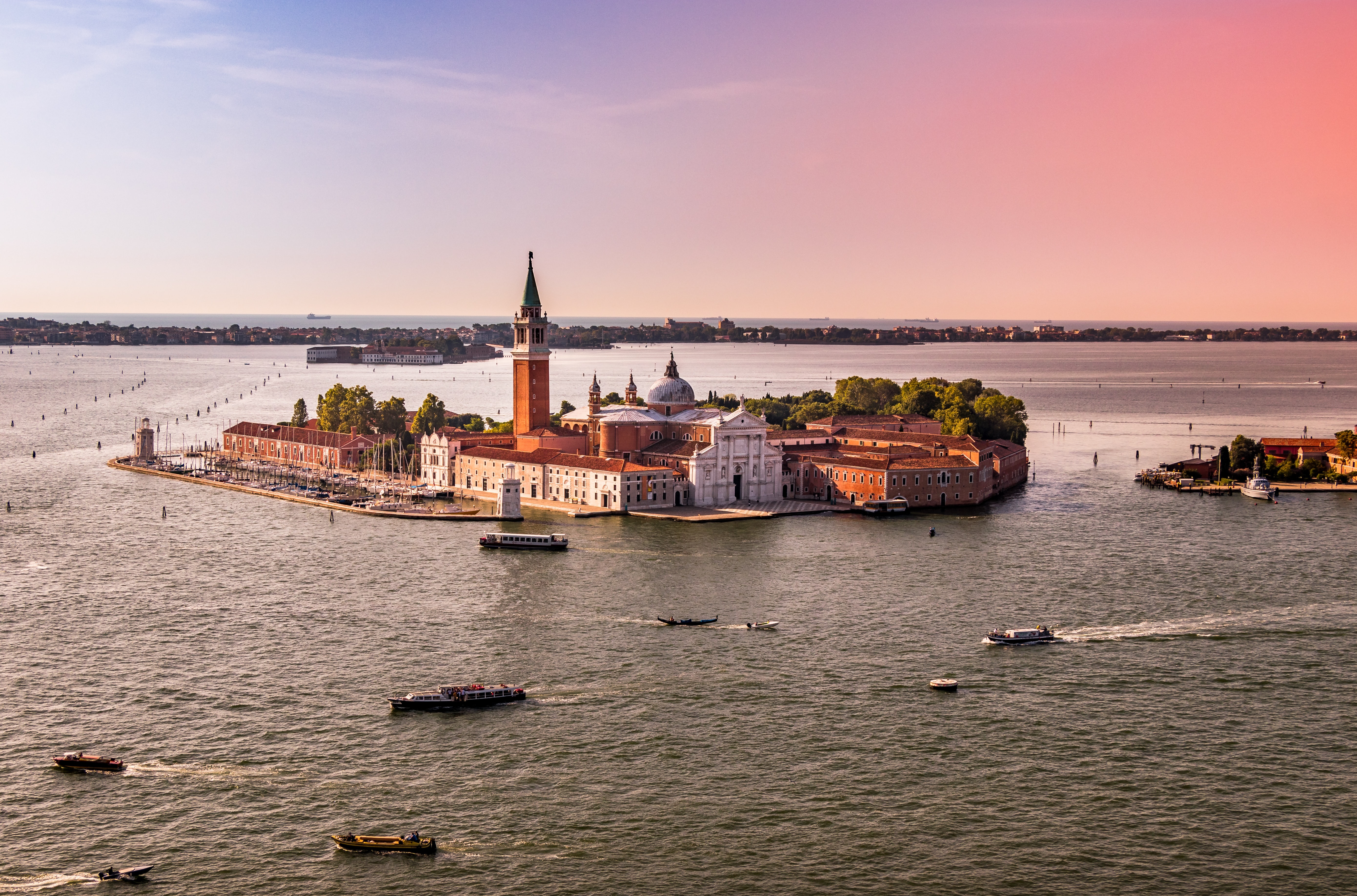
From its unmatched romantic allure to its historical heritage to its indisputable beauty, there is no other city like Venice. The "Queen of the Adriatic" is composed of a maze of islands, canals, and bridges, hiding magnificent buildings, historical landmarks of great artistic and cultural importance, as well as charming restaurants and squares. There are no cars in Venice, but you won't need them anyway since "The City of Bridges" is best explored on foot.

venice做什么?

有很多事情要做和看

显示更多

Rialto Bridge

The Rialto Bridge is one of the several bridges crossing Canal Grande. Be prepared to meet many other tourists here since this is one of the most well-known landmarks of Venice. The architecture is impressive, especially considering it was built on approximately 12,000 wooden pilings over 400 years ago.

Teatro La Fenice

La Fenice is a world-renowned opera house and a symbol of the Italian theatre tradition. Its name means "the phoenix", which suits the theatre very well, as it happened more than once that it burned down and had to be reconstructed. La Fenice was originally built in 1755 and witnessed several world-class performances, like the premiere of Verdi's La Traviata. Nowadays, you can either visit the theatre to see its magnificent interiors and learn about its rich history or enjoy a show there during the opera season.

Grand Canal

Canal Grande is the largest canal in town, almost 4 km long and 90-metre-wide in some parts, with an average depth of 5 metres. Public transport is available in the form of gondolas, water taxis, and the popular vaporetti — water buses. Along the canal, which is crossed by three stunning bridges, you'll discover plenty of famous buildings.

Doge’s Palace

Built in Venetian Gothic style and one of the most iconic landmarks of Venice, the Doge's Palace or Palazzo Ducale used to be the residence of the Doge of Venice, as well as the seat of power for the Venetian Republic, which lasted more than 1,000 years. Both the court and the prison were located within the palace walls, but since 1923 the building is better known as a museum.