去做&去看
有很多事情要做和看
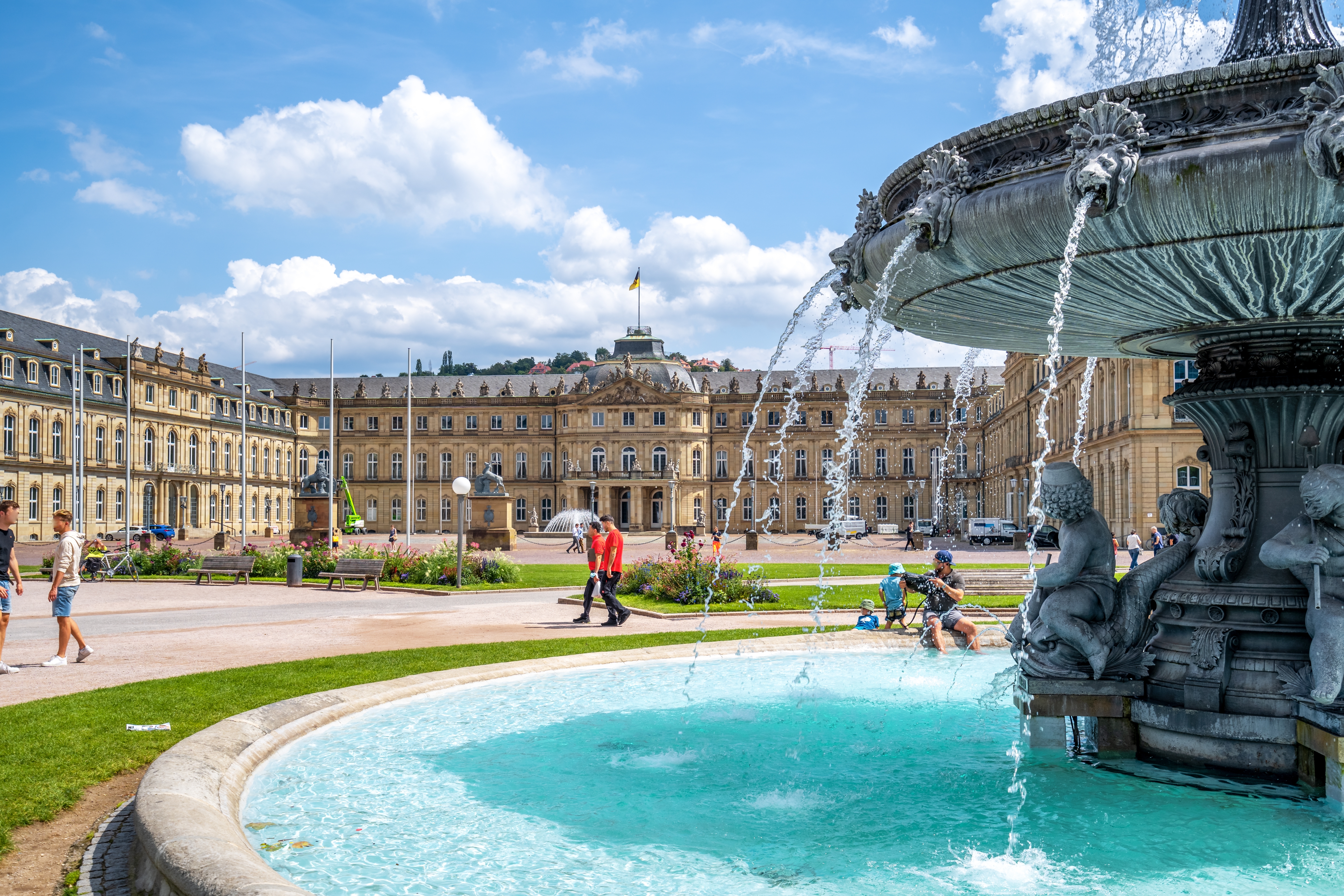
Palace Square
Palace Square (Schlossplatz) is Stuttgart’s central gathering spot, framed by the New Palace and the Königsbau. At its centre stands the Jubilee Column, topped by the goddess Concordia, commemorating King Wilhelm I’s 25th year of rule. Once a military parade ground, the square was opened to the public in the 19th century and now hosts open-air concerts, festivals, and parts of the Christmas market.
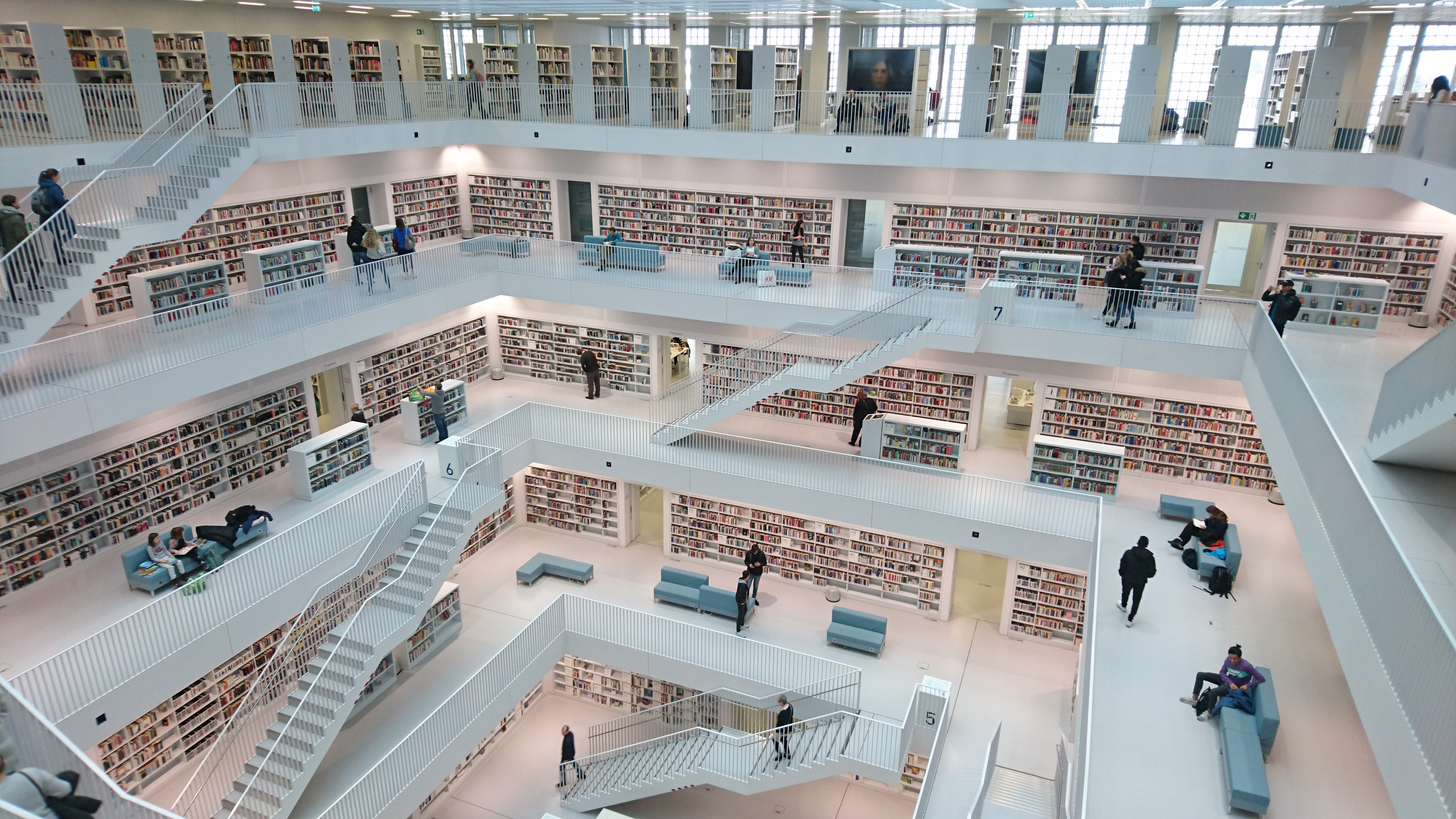
Stuttgart City Library (City Library at the Mailänder Platz)
Hard to miss and easy to like, the Stuttgart City Library is a massive white cube just a short walk from the main station. Step inside and you're in a vast, white space that feels more like a sci-fi film set than a library. Books line open balconies around a light-filled atrium, everything quiet, clean, and geometric. Head to the rooftop for a surprisingly good city view, or grab a coffee downstairs and just take it all in.
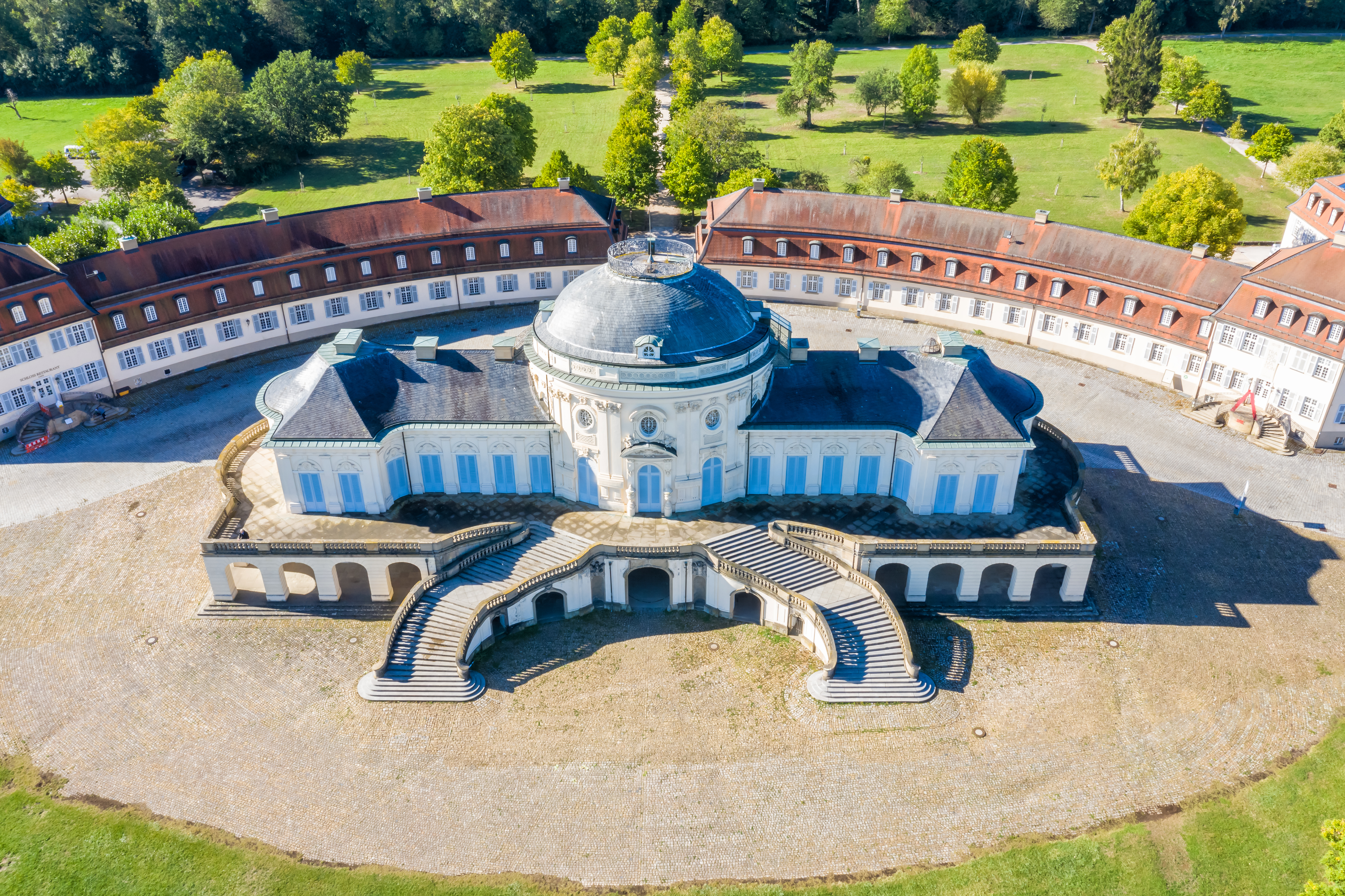
Schloss Solitude
Schloss Solitude sits on a quiet ridge just outside Stuttgart, built in the 1760s as Duke Carl Eugen’s rather extravagant idea of a hunting lodge. It’s Rococo inside and out—decorative, symmetrical, and full of detail. You can join a guided tour or just come for the surroundings: forest paths, a long avenue that leads back to the city, and a view that opens wide on a clear day.
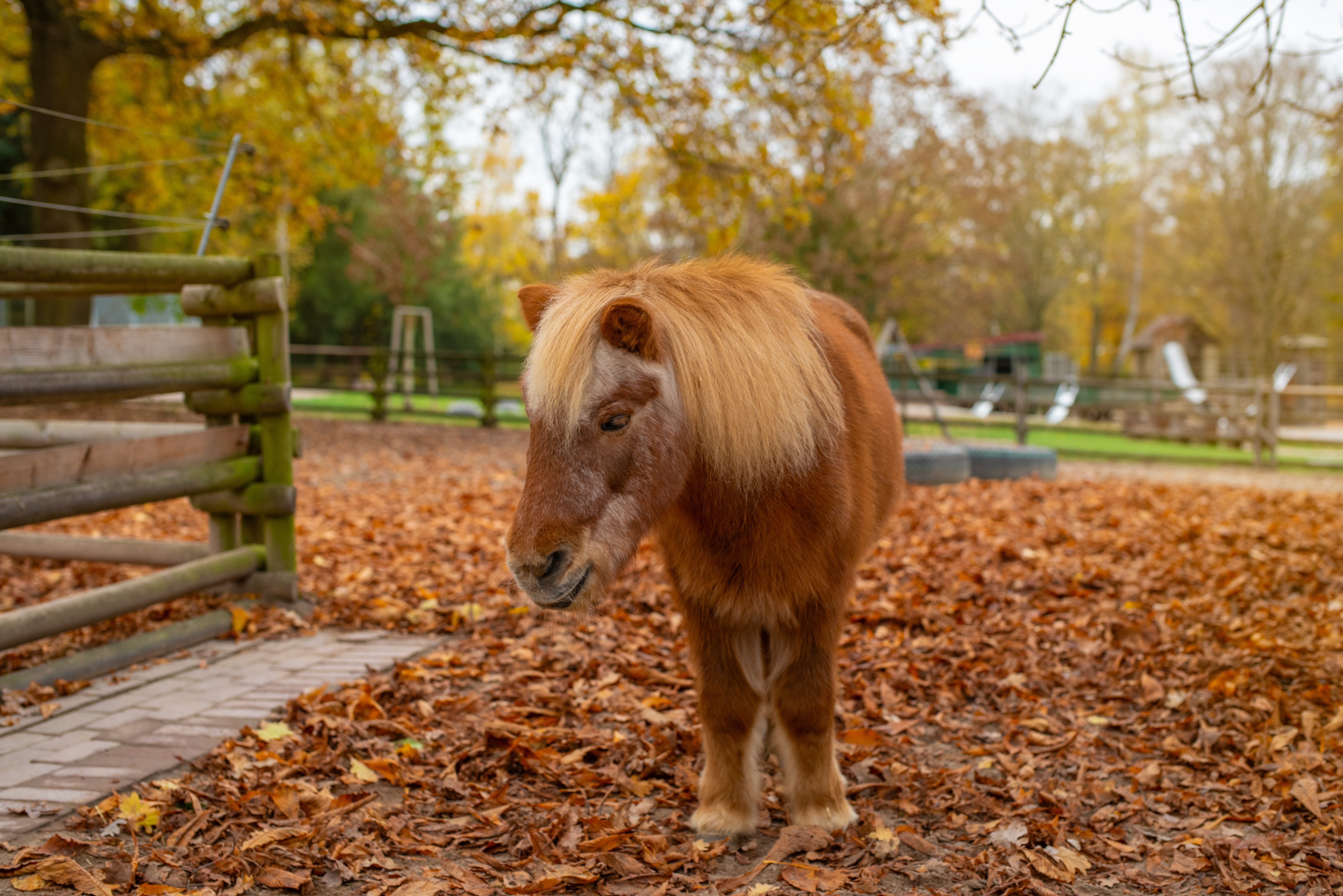
Höhenpark Killesberg
Höhenpark Killesberg is Stuttgart’s go-to green space when you want a break from the city buzz. It’s got a bit of everything: a 40-metre spiral tower with city views, a miniature train that loops through the park, and a petting zoo with goats, donkeys, and llamas. During the summer months, the outdoor pool and wave machine are a hit, and there’s plenty of space to picnic or wander through flower gardens.

Mercedes-Benz Museum
The Mercedes-Benz Museum is worth a few hours, even if you're not big on cars. Spread over nine levels, it walks you through more than 130 years of automotive history—from the first motorised carriage to modern electric prototypes—with around 160 vehicles on display. The building itself is a bit of an architectural talking point, designed like a double helix. Exhibits are well laid out, easy to follow, and occasionally rotate.
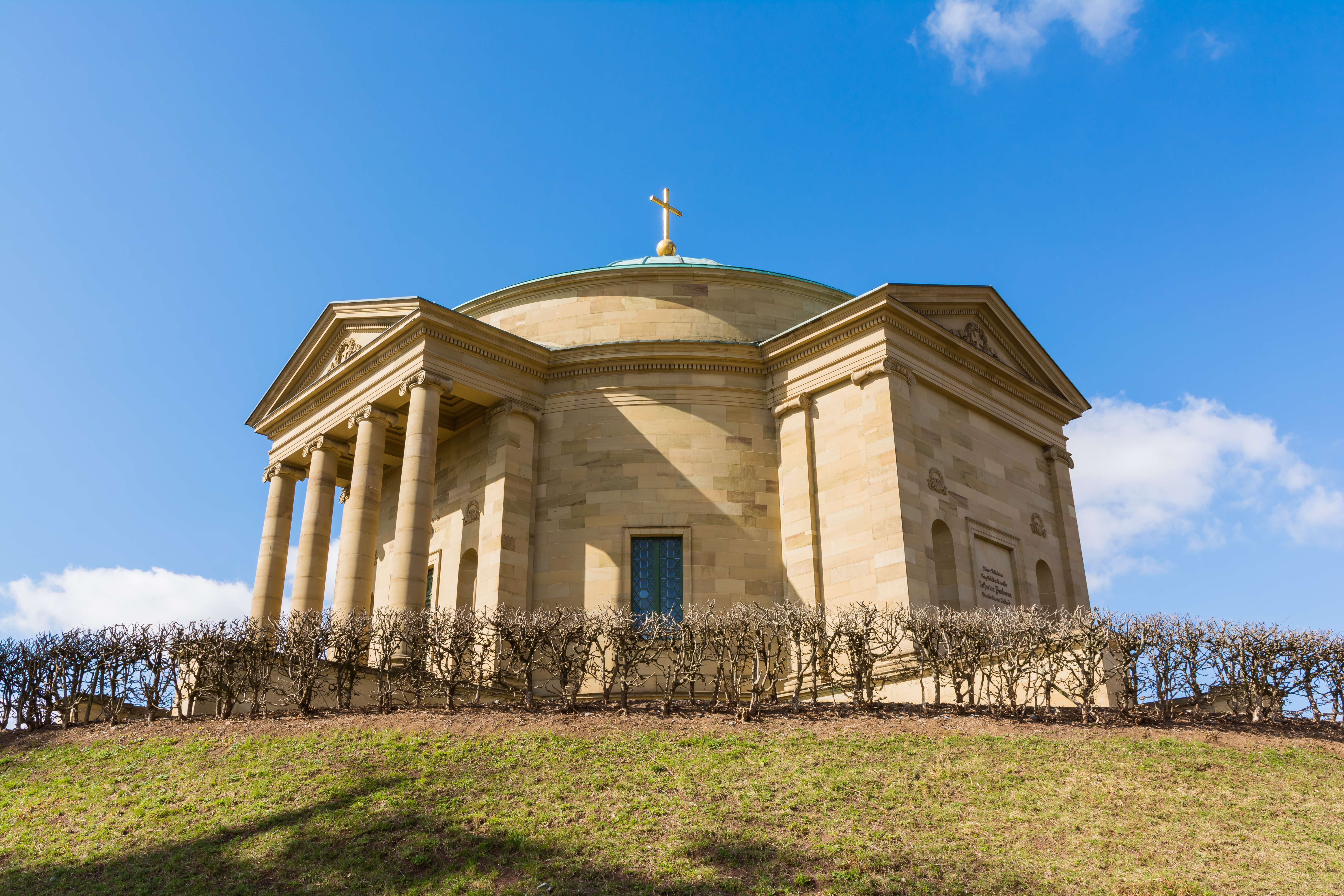
Sepulchral Chapel on Württemberg Hill
Perched atop Württemberg Hill, the Sepulchral Chapel (Grabkapelle) was built by King Wilhelm I in the early 19th century as a tribute to his late wife, Katharina. Designed by court architect Giovanni Salucci, the neoclassical structure features a domed rotunda and houses the tombs of the royal couple and their daughter. The chapel is surrounded by vineyards and offers panoramic views over the Neckar Valley and Stuttgart.