palermo

你好, palermo

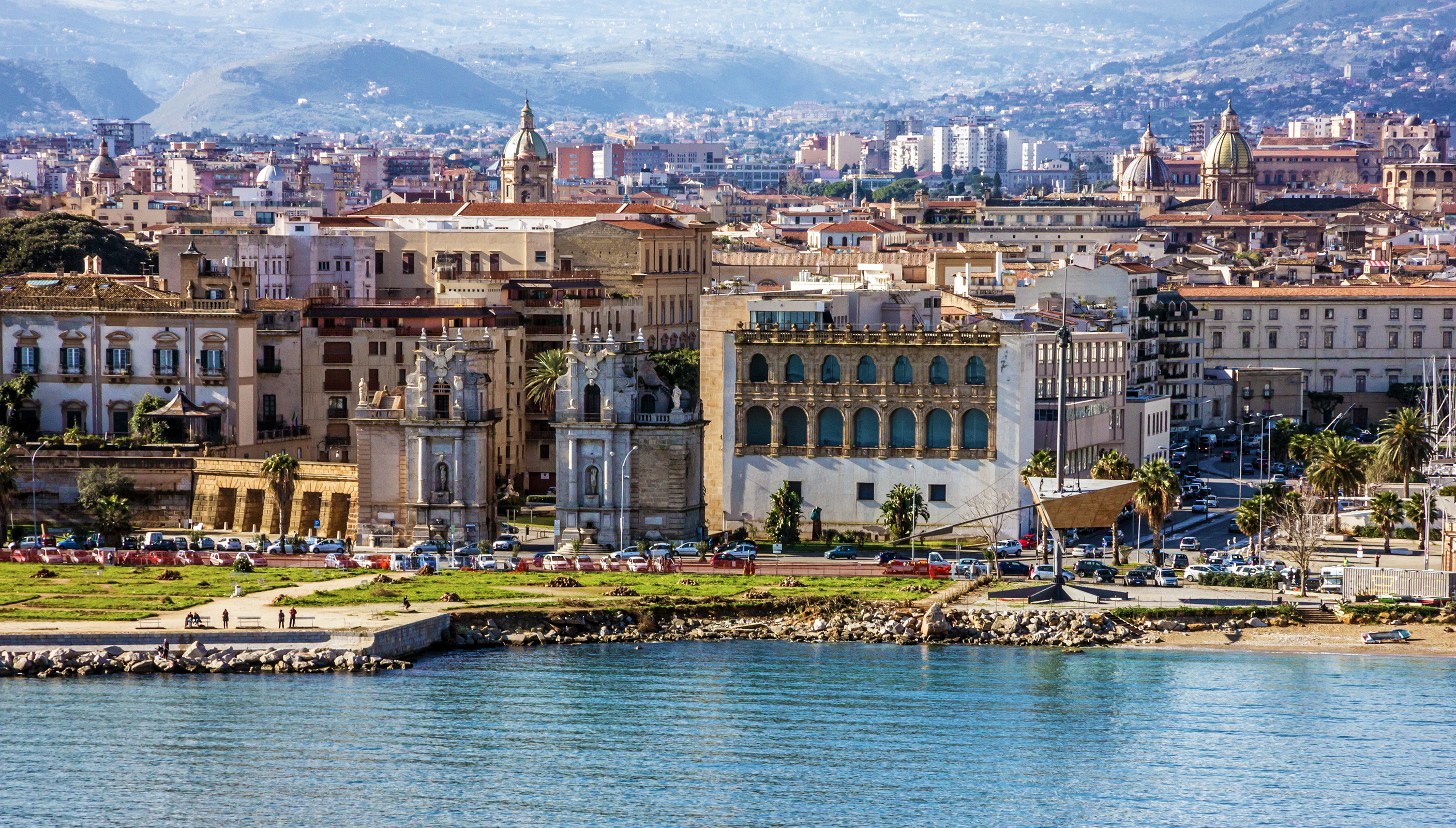
Capital of the beautiful region of Sicily, Palermo is a fascinating hidden gem awaiting to be discovered. This busy port city pulsates with vibrant energy, embodying a perpetual transformation that has firmly reinstated it among Europe's cultural hubs. Palermo is full of sights and treasures: from ornate Baroque churches and glorious Norman-Gothic architecture to elegant Art Nouveau villas and lively markets. Amidst the chaotic streets, the city's flamboyant spirit thrives, offering a delightful surprise at every turn.

palermo做什么?

有很多事情要做和看

显示更多

Church of Saint Catherine of Alexandria

The Chiesa di Santa Caterina d'Alessandria in Palermo attracts visitors from all corners of the globe with its remarkable Sicilian Baroque architecture and ornate decor: the walls are full of ornamental paintings and there are vibrant frescoes, intricately carved statues, and stunning colourful marble interiors. Don't miss out on the magnificent majolica cloister and the view from the rooftop terrace. The bakery located inside the complex sells sweet treats prepared with century-old recipes from Sicily's convents.

Art Nouveau Kiosks

The three Art Nouveau kiosks by architect Ernesto Basile appear like unexpected gems along the buzzing streets of Palermo. Built about the end of the 19th century, the kiosks once hosted the traditional Sicilian vendors of soft drinks and refreshing beverages but are today converted into tobacconists. Chiosco Ribaudo located in Piazza Verdi, the most famous one, is a crimson and wrought iron building adorned with golden letters. The second Ribaudo kiosk in Piazza Castelnuovo is decorated with colourful majolica and mosaics while the Chiosco Vicari, in front of the Teatro Massimo, is a triumph of Moorish, Islamic, and Colonial architecture.

Diocesan Museum

Housed in the Archbishop's Palace, the Museo Diocesano di Palermo boasts an impressive collection of sculptures from the 15th to 18th centuries. It also displays interesting artworks, such as religious silverware and textiles, frescoes and Italian and Flemish paintings from the 16th to 19th centuries.

Capuchin Catacombs

Located in the Capuchin Monastery since 1599, the Catacombe dei Cappuccini houses 8,000 mummified bodies and skeletons of former residents of Palermo who died between the 17th and 19th centuries. It's a somewhat macabre insight into the customs and traditions of the Palermitan society of the time, with gender, religion, profession, and social status rigidly applied to the disposition of the bodies.