去做&去看
有很多事情要做和看
Malaga's Old Town
Wandering through Malaga’s Old Town is one of the best ways to get a feel for the city. The maze of narrow streets still follows the original Moorish layout — winding paths that offer shade during the heat and open into small squares lined with cafés, churches, and tapas bars. It's an easy place to get a bit lost in the best way possible. At its heart is Plaza de la Constitución, the city’s main square since medieval times. Nearby, Calle Larios is the grand pedestrian street — good for shopping, people-watching, or just walking under the seasonal lights and decorations. The area’s full of small shops, old buildings, and hidden corners that tell Málaga’s layered story.
Alcazaba
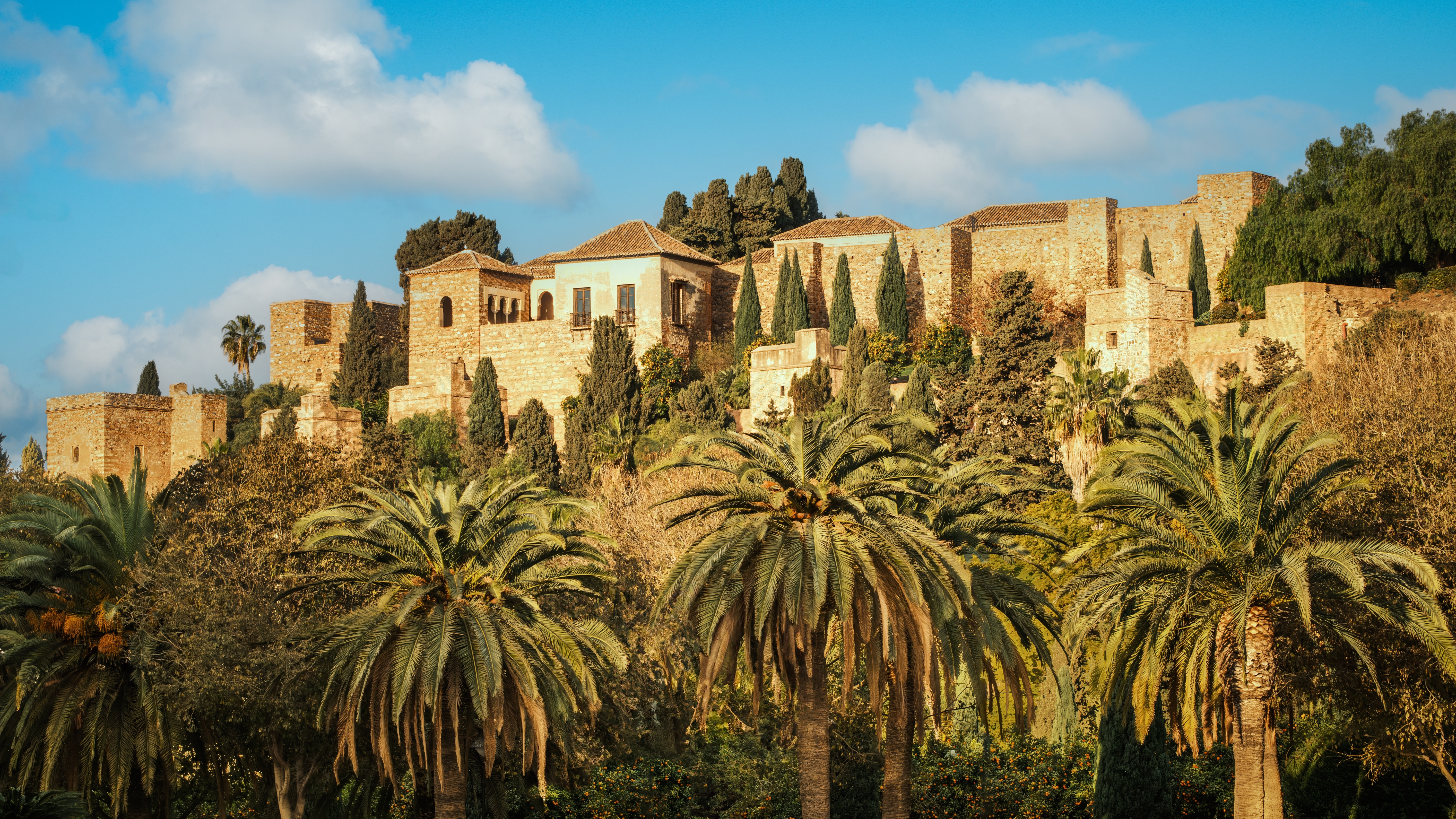
The Alcazaba is an 11th-century palatial fortification which stands as a testament to Malaga’s rich Moorish past. You can walk up if you’re feeling active, or take the bus if it’s too hot — it drops you near the top. Inside, it’s a mix of stone walls, arches, and quiet courtyards with views out over Malaga and the port.
Gibralfaro Castle
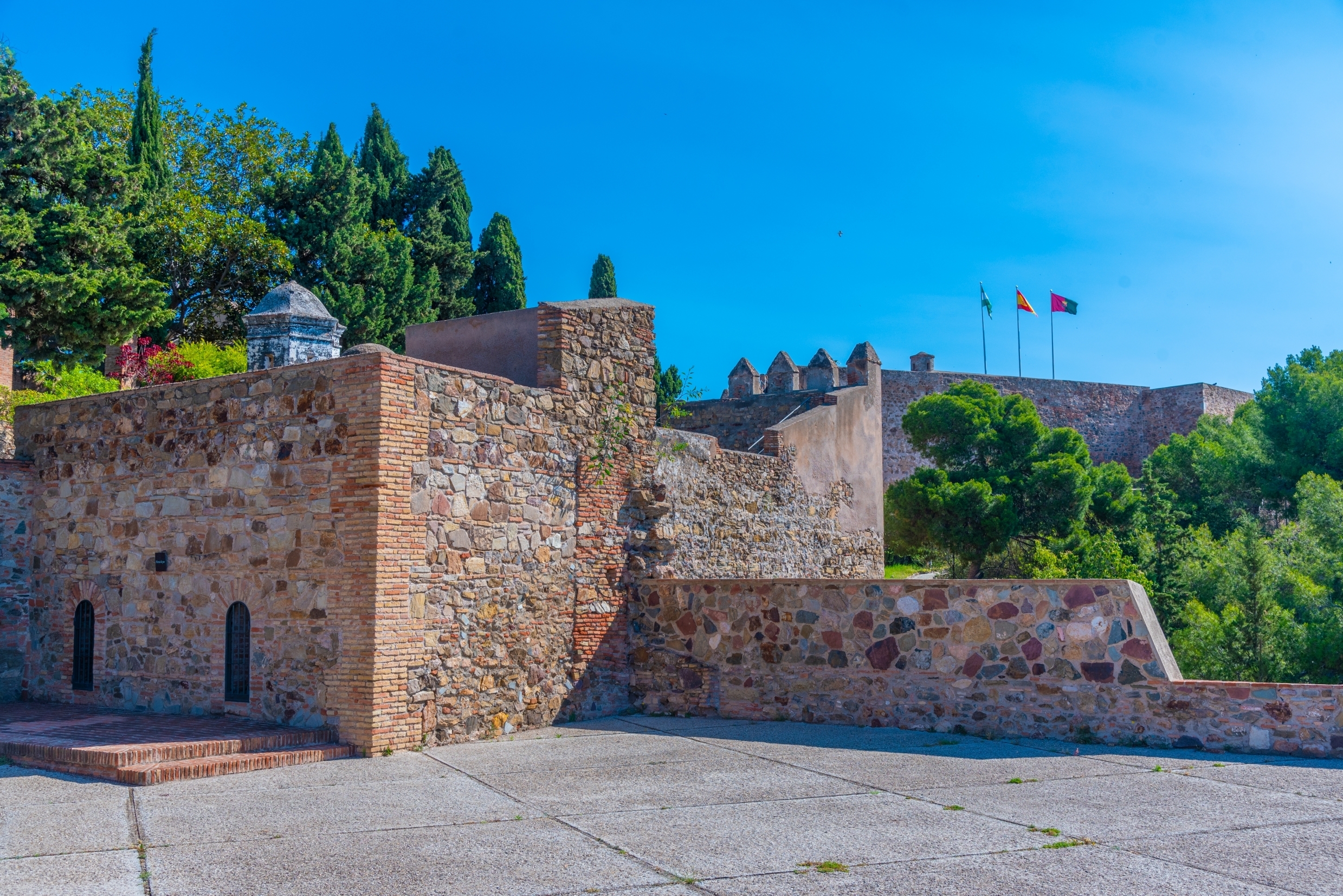
Built in the 1300s to protect the Alcazaba and house troops, Gibralfaro Castle still has walkable ramparts with some of the best views over Malaga, the port, and the coastline. Inside, there’s a small military museum. The name comes from Jabal-Faruk, meaning 'hill of the lighthouse' in Arabic. The castle was also the site of a long siege in 1487, when Catholic forces took the city from the Moors.
Malaga's Beaches
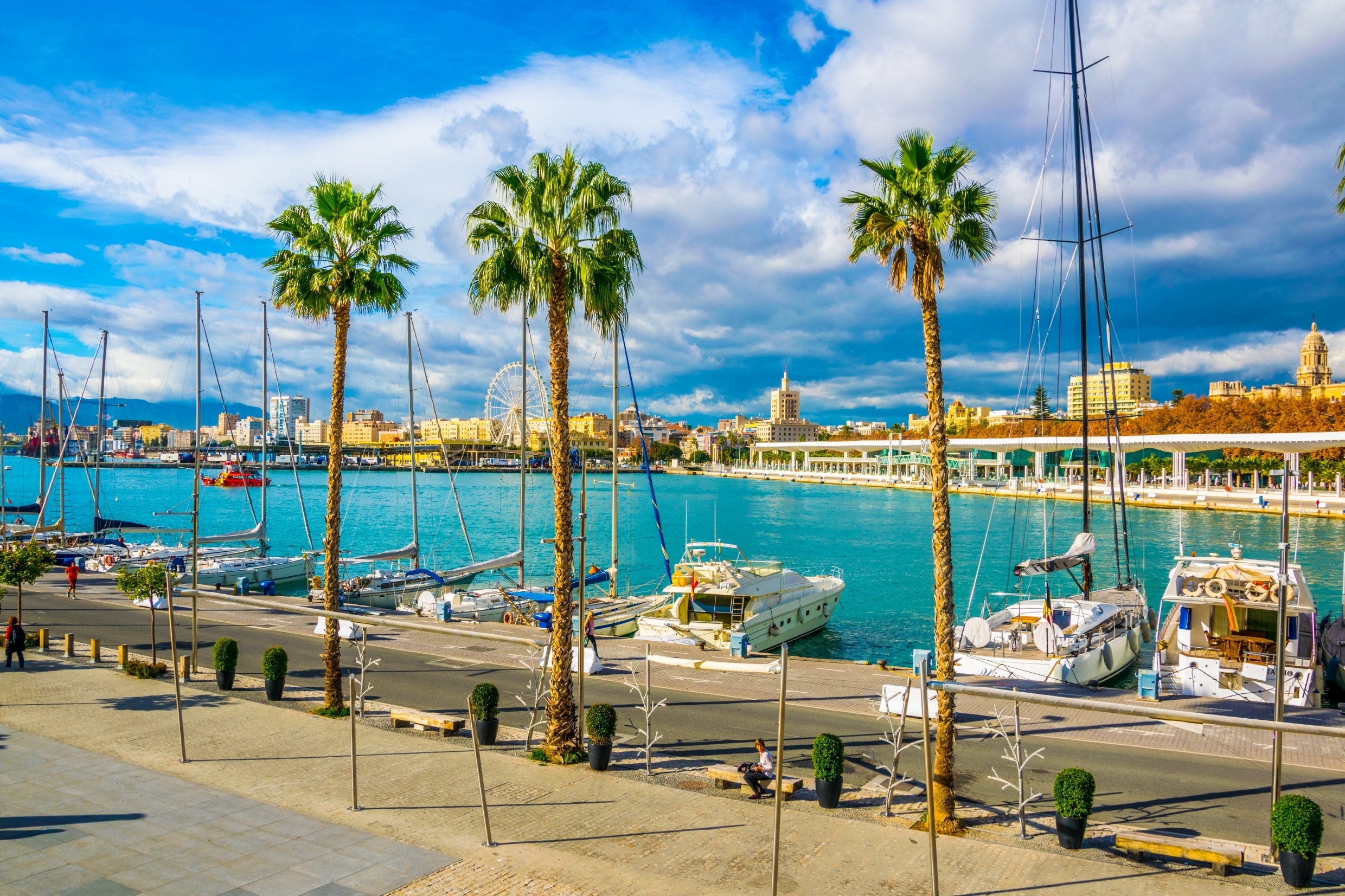
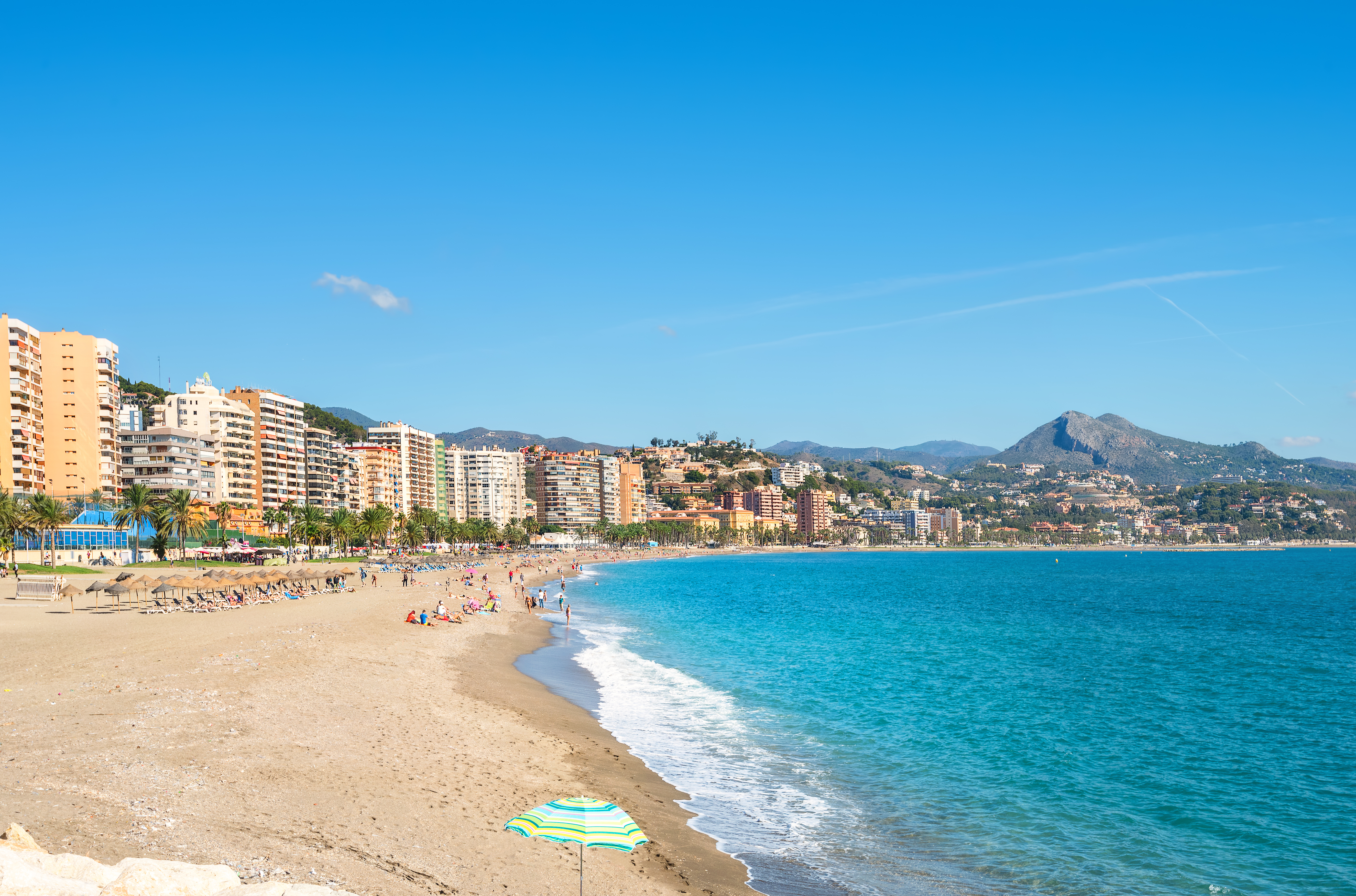
Malaga’s coastline runs right along the city, so you don’t need to go far for a swim. The main stretch starts near the port along the Paseo de Pablo Ruiz Picasso. La Malagueta is the most central beach — about 10 minutes from the Old Town — with dark sand, showers, toilets, and sunbeds for hire. You’ll spot the big Malagueta sign where everyone stops for photos. The beach is lined with chiringuitos, casual seafood spots where you can try grilled sardines (espetos) cooked over open fire. La Caleta, just a bit further east, is quieter but has the same setup — clean, calm water, and easy access.
Malaga Cathedral (La Manquita)
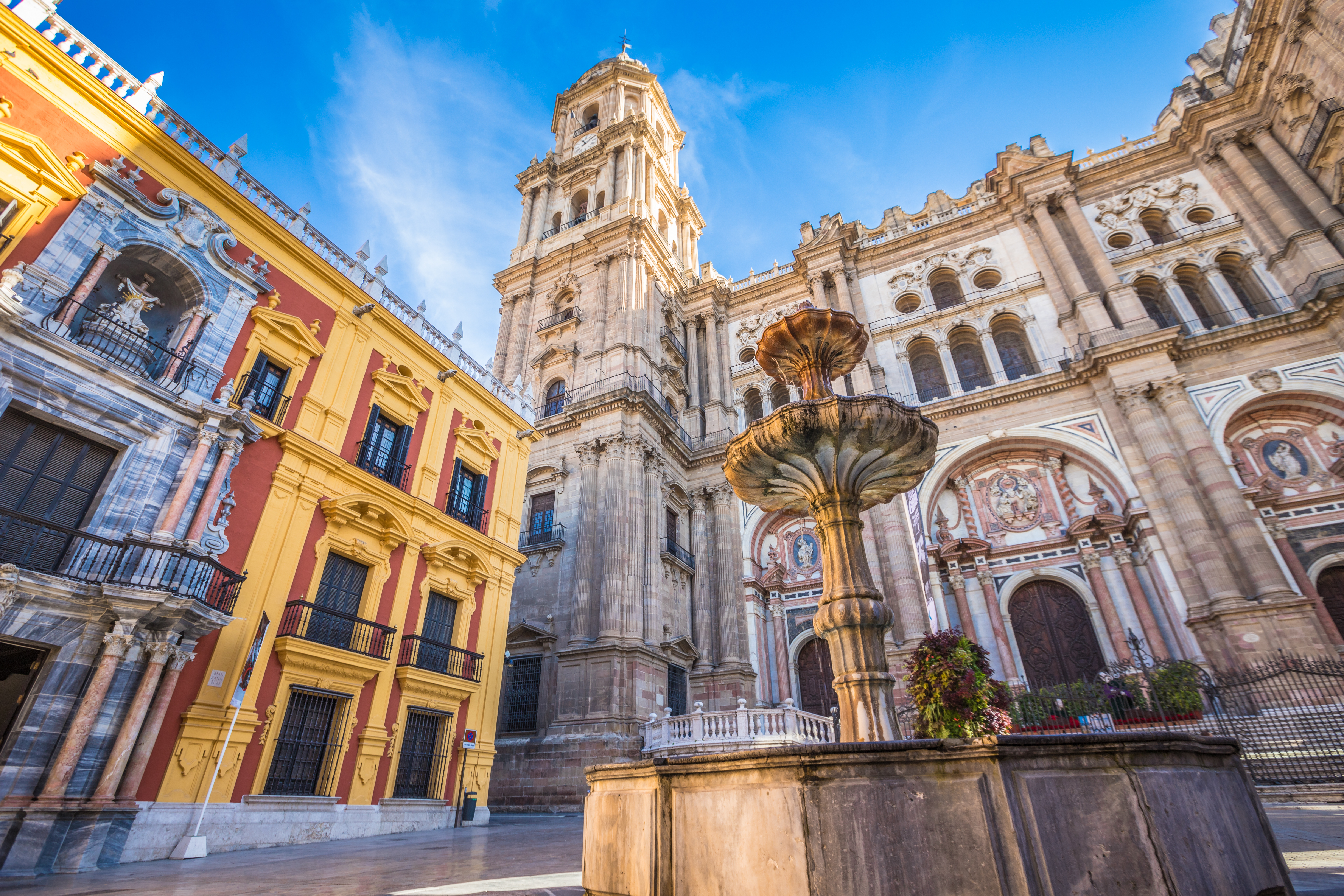
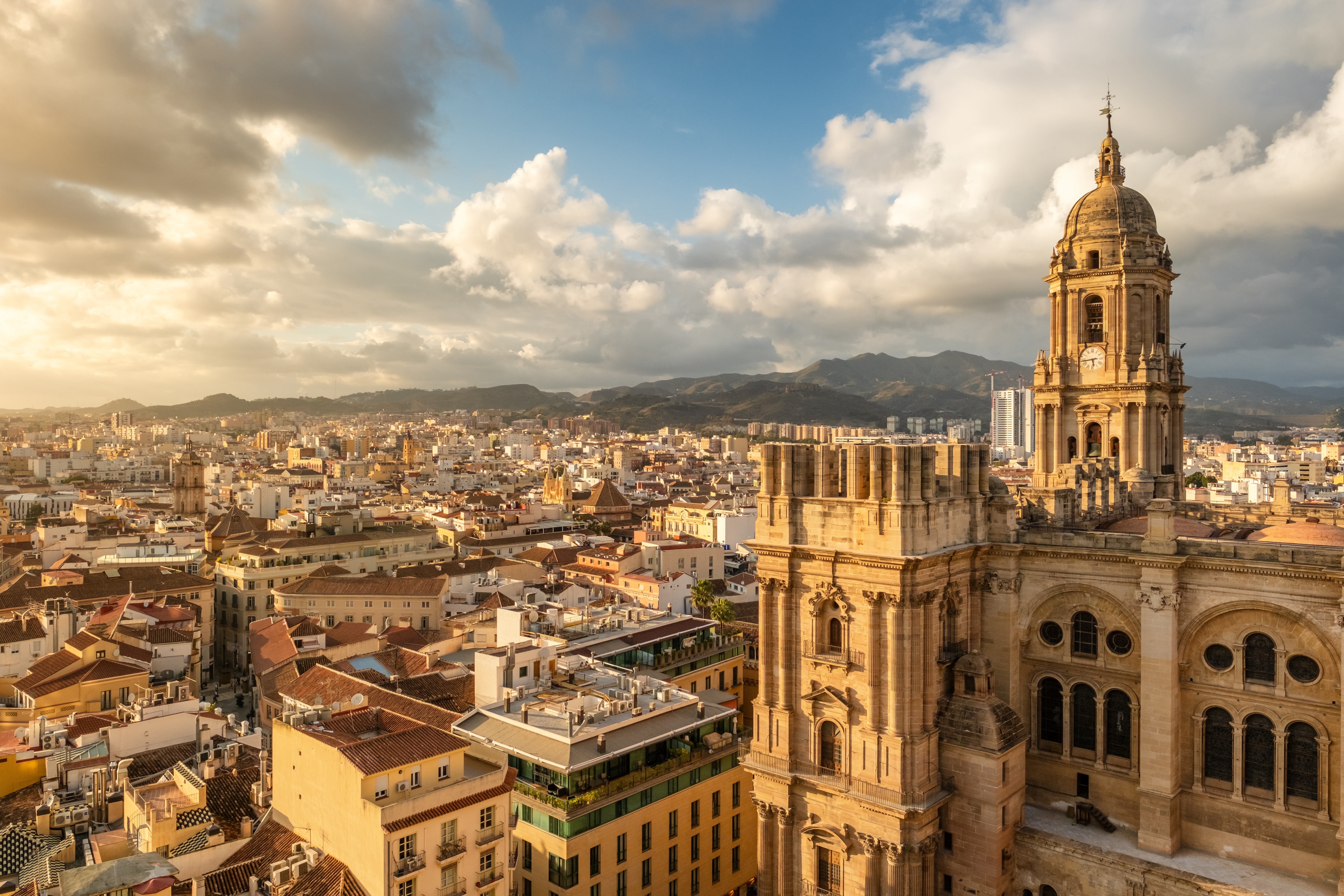
Locals call it La Manquita — 'the one-armed lady' — because only one of its towers was ever finished. Built between the 16th and 18th centuries, the cathedral mixes Renaissance design with a Baroque front. It actually sits on the site of a former mosque, and you can still spot a few traces of that. There's a long-running rumour that money meant for the second tower went to support the American War of Independence — not confirmed, but it’s part of the local lore.
Plaza de la Merced
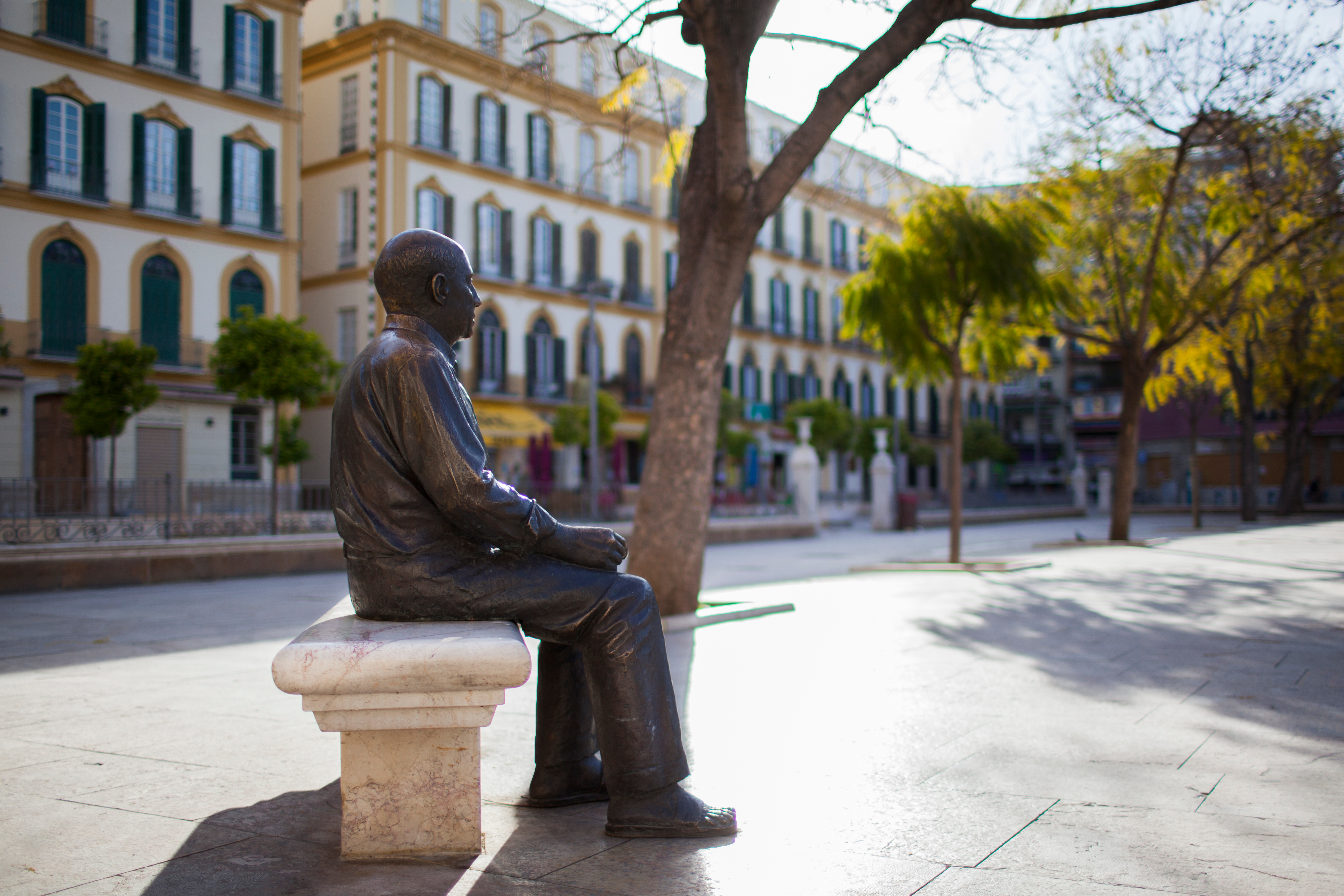
One of Málaga’s liveliest squares, Plaza de la Merced is known for its statue of Picasso sitting on a bench — a nod to the artist who was born just a few steps away. The square has a long history as a public meeting spot, once home to a local market (hence the name Merced, tied to trade). These days, it’s a social hub with cafés, bars, and outdoor tables where people linger late into the evening.