Para fazer e conhecer
Muitas coisas para fazer e conhecer
Guggenheim Museum
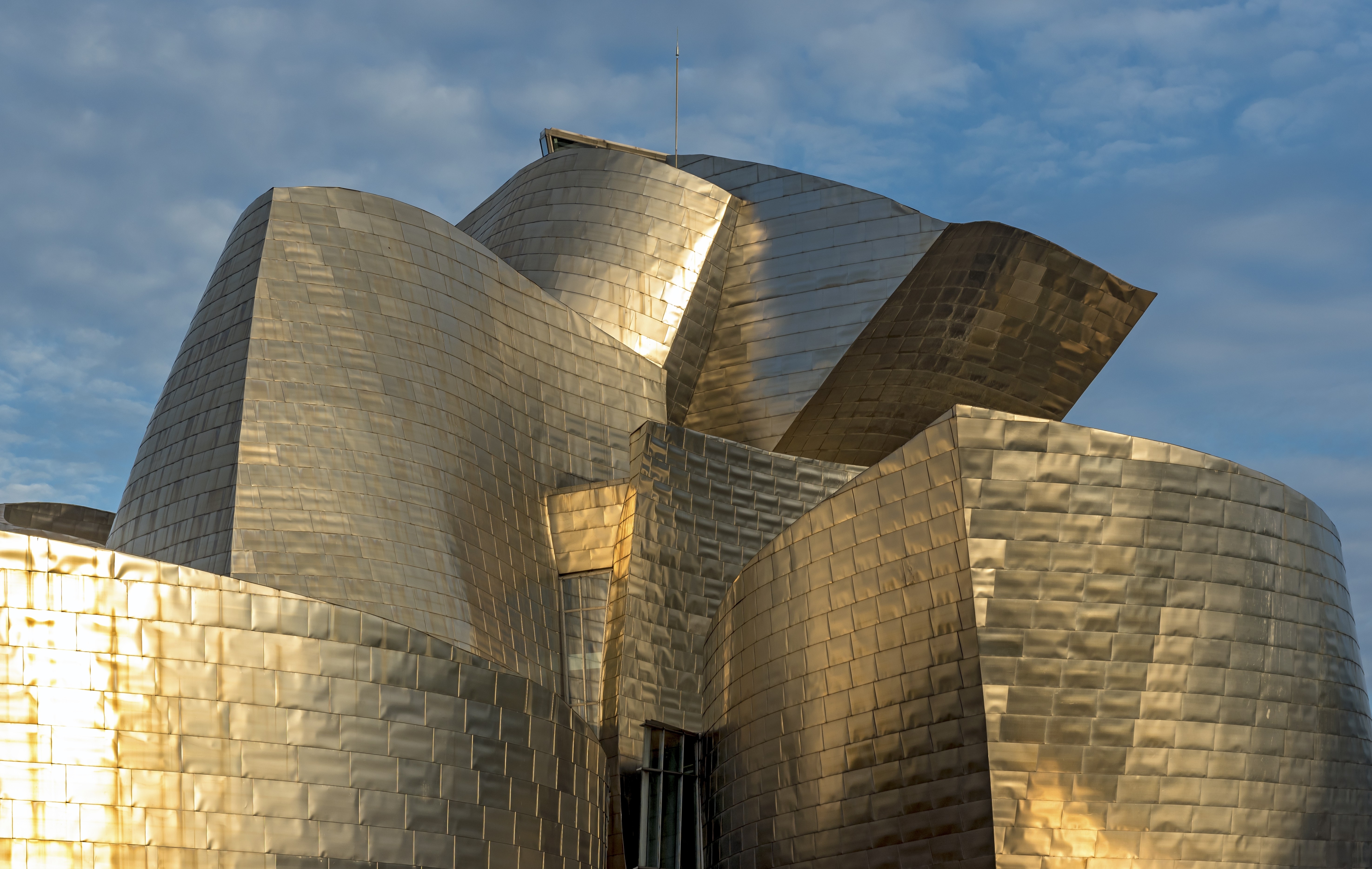
The Guggenheim Museum Bilbao is a landmark of contemporary architecture and a cultural beacon for the city. Designed by Canadian-American architect Frank Gehry, the museum's fluid, sculptural form has been hailed as one of the most significant architectural achievements of the 20th century. Its titanium-clad curves and organic shapes have transformed the Bilbao skyline and are often likened to a ship or flower. Beyond its jaw-dropping exterior, the museum houses a world-class collection of modern and contemporary art, focusing on postwar American and European artists. Notable works include pieces by Mark Rothko, Jeff Koons, and Louise Bourgeois, among others.
Zubizuri Bridge
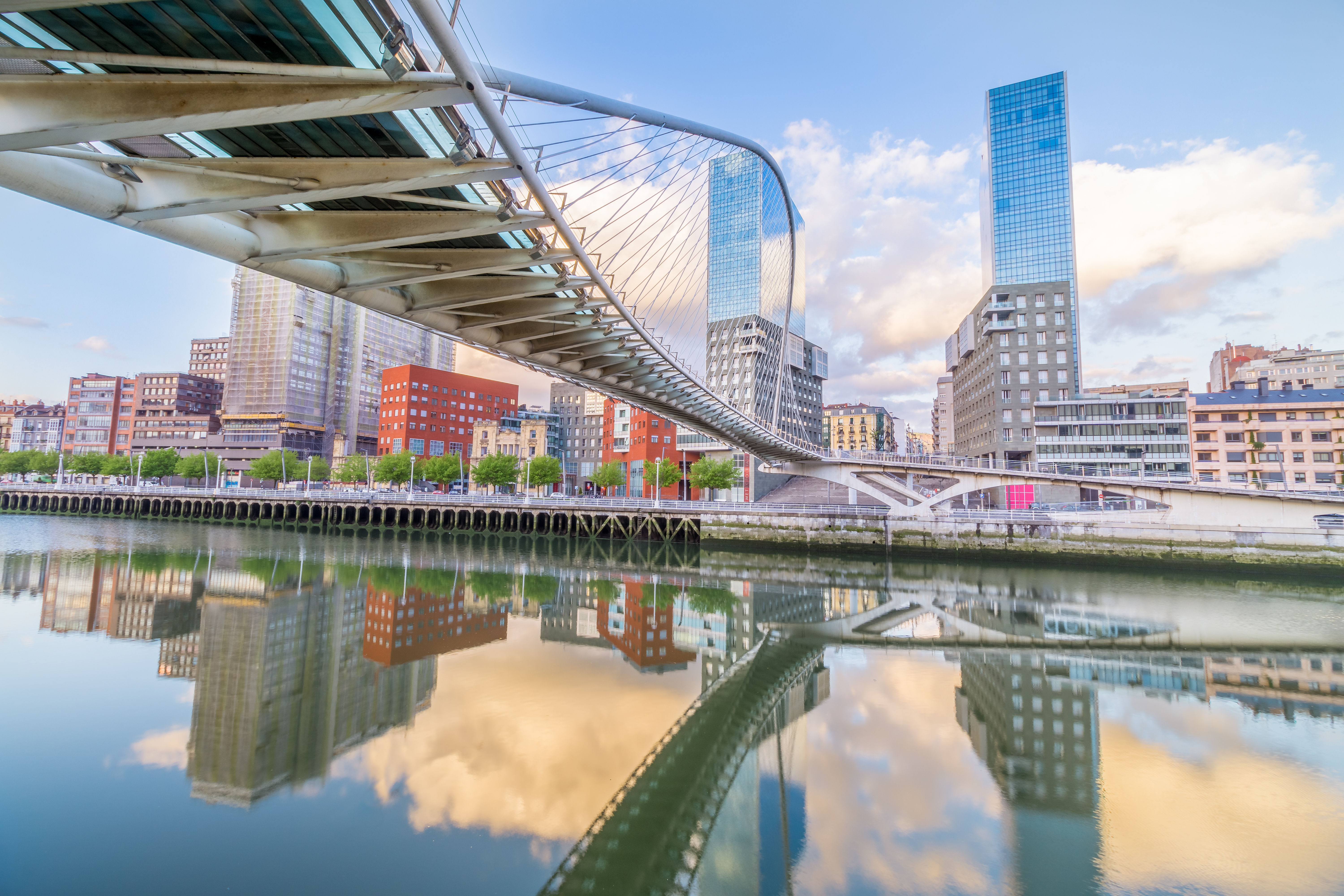
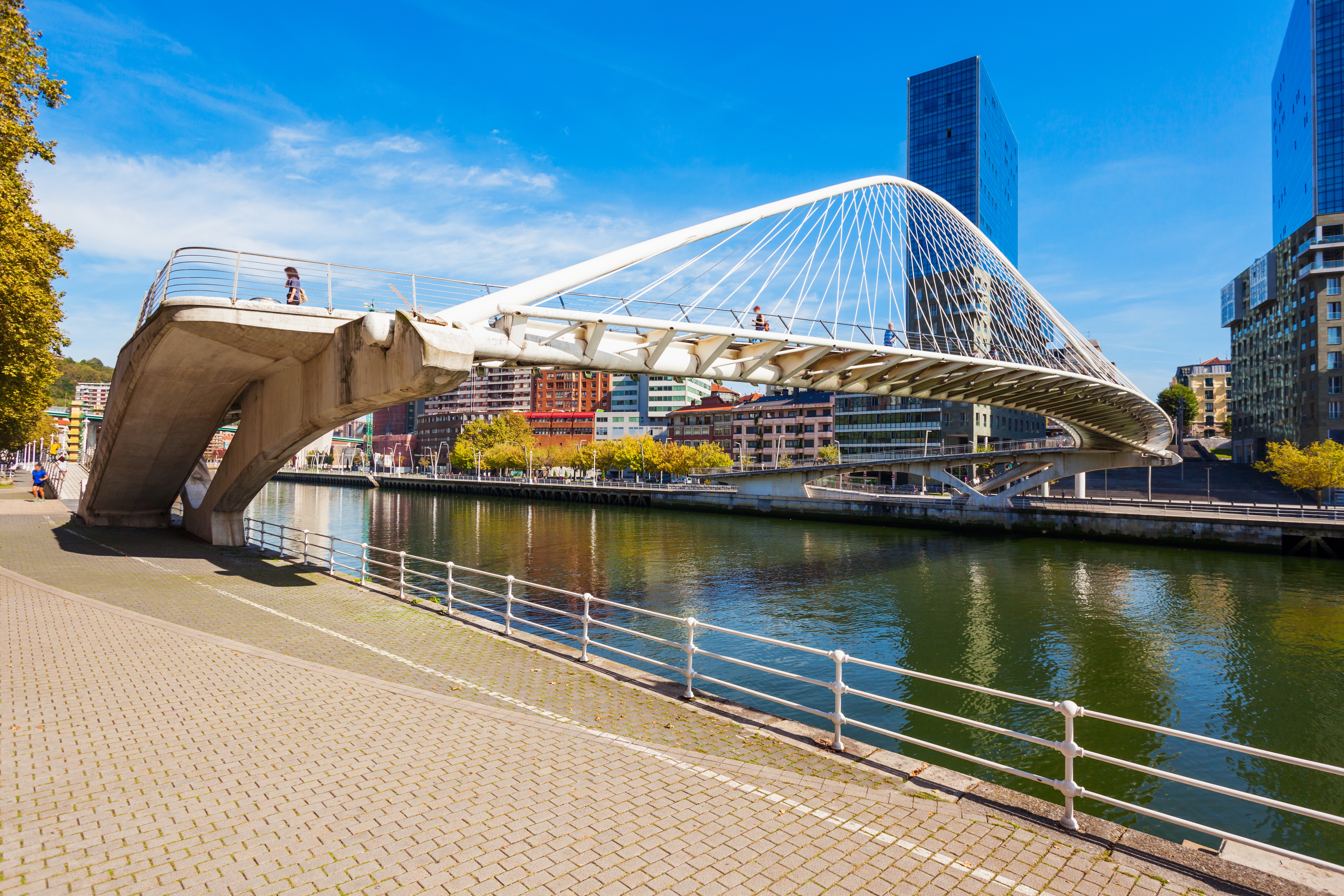
Zubizuri, meaning 'white bridge' in Basque, is a steel-and-glass footbridge over the Nervión River, designed by Santiago Calatrava and opened in 1997. It links Campo Volantín on one side to Uribitarte on the other. The deck was originally made of translucent glass bricks, but they became dangerously slippery when wet, so now there’s a non-slip covering over much of the walking surface. From the middle of the bridge, you get a good view of the river and the Guggenheim, especially at sunrise or when the lights come on at night.
Plaza Nueva (Plaza Barria)
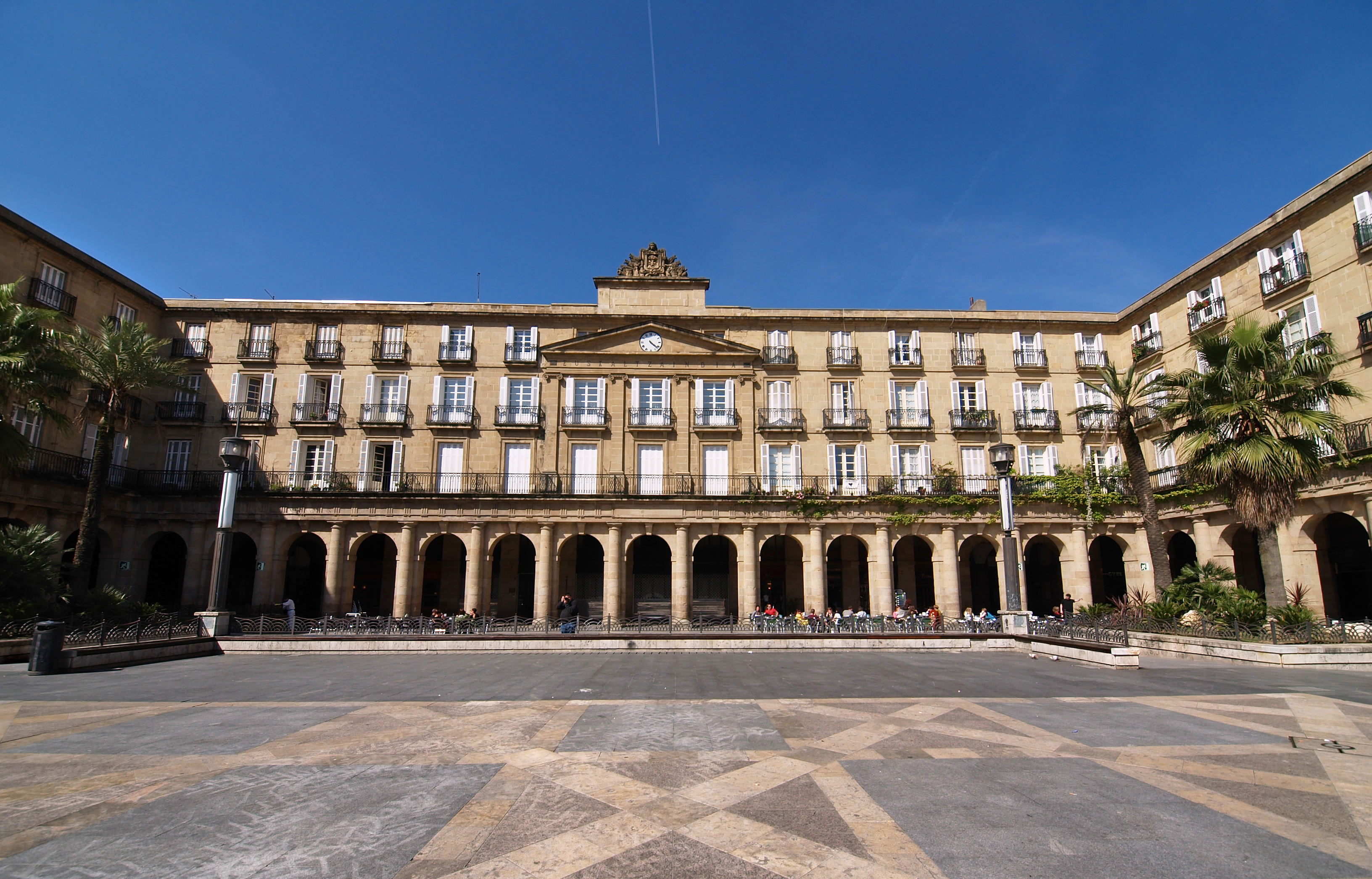
Plaza Nueva is Bilbao’s oldest surviving square, built in 1849. Pop by for some coffee, watch locals and visitors pass by, or try some of the city’s top pintxos. Café Bar Bilbao is one of the most famous here, known for its squid pintxo and the ham-and-onion version, which are local favourites.
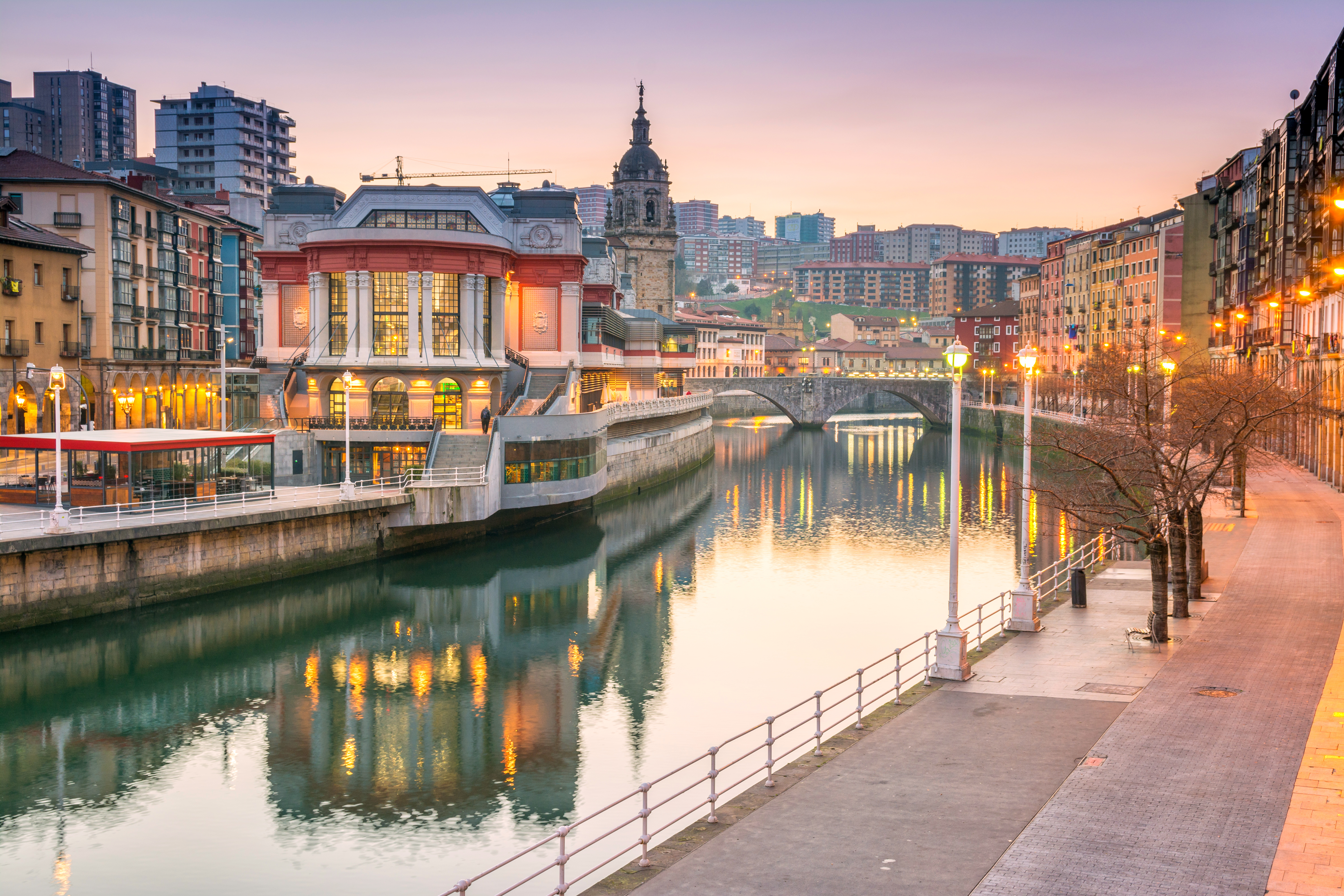
A Walk Along the River
Take a stroll along the Nervión River starting at Palacio Euskalduna Jauregia, Bilbao’s modern conference and concert centre. The riverside path is lined with sculptures and impressive contemporary buildings. You’ll pass the Guggenheim Museum and cross the Zubizuri Footbridge, which connects the museum with the Ayuntamiento. It’s an easy, scenic walk that blends art, architecture, and city life in one route.
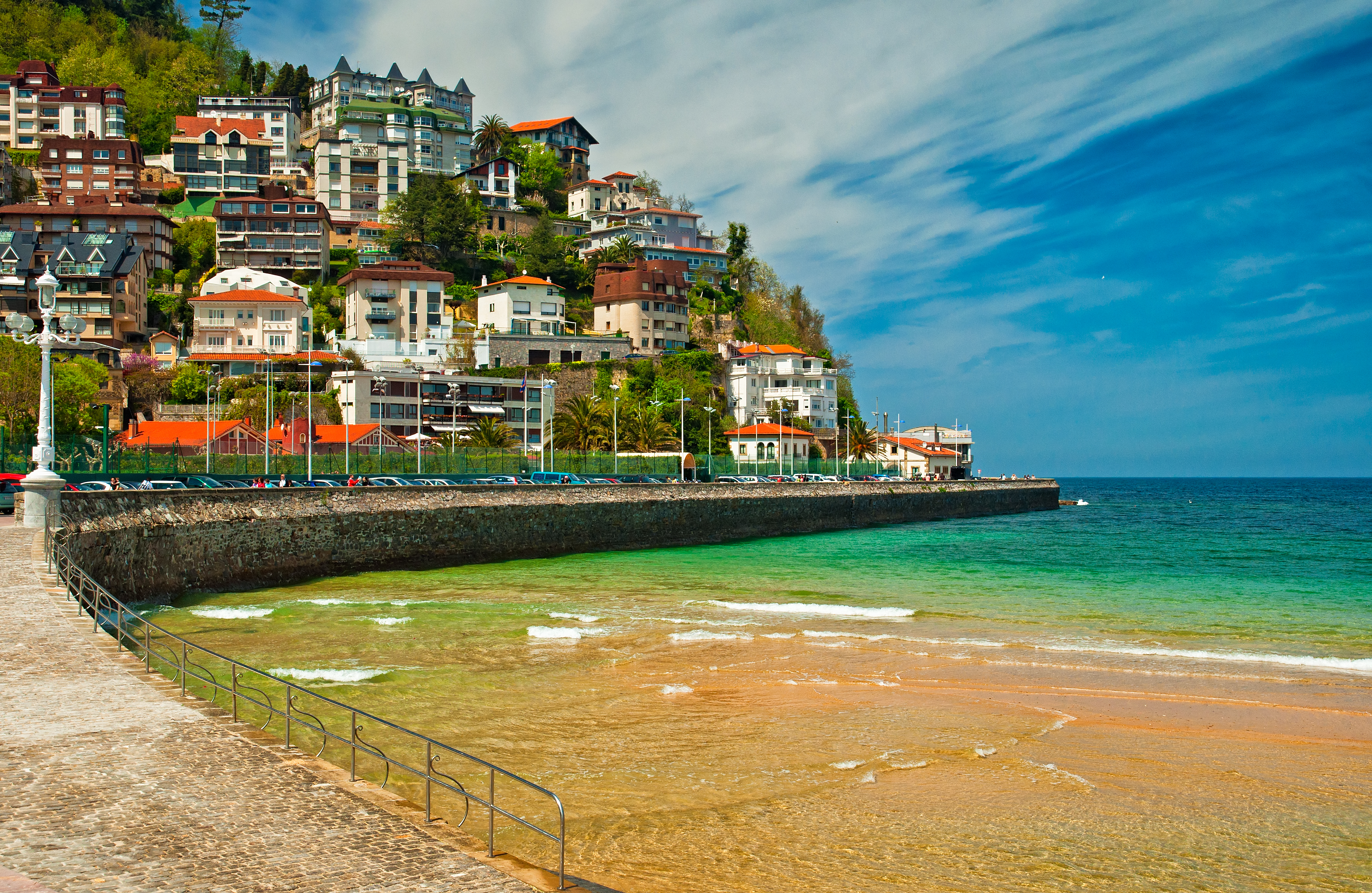
Day Trip to Donostia - San Sebastián
Donostia sits between hills around La Concha Bay, with Belle Époque architecture, famous restaurants, and a seaside vibe that makes it a killer day out. The Old Town (Parte Vieja) is your pintxo ground zero with narrow streets, tiny bars, and lots to try. East of there is the Gros neighbourhood with Zurriola Beach: waves, surf shops, and a youthful crowd. Across the bay are the more sheltered beaches La Concha and Ondarreta; Ondarreta borders the Antiguo neighbourhood, which feels quieter, leafier, with classic mansions, gardens, and a calm place to stroll.

Santiago Cathedral (Bilboko Donejakue Katedrala)
Built from the late 14th to the 15th centuries, the Santiago Cathedral is the city’s oldest major church, dedicated to Saint James (Santiago), Bilbao's patron saint. The building features a mix of different styles: its core is Gothic (nave, vault, cloister), a grand Renaissance portico was added in the 1500s, while much of the façade and tower with spire were rebuilt in a neo-Gothic style in the late 1800s by Severino de Achúcarro. Inside, you’ll see three naves, several side chapels, the Gothic cloister accessible via the Door of the Angel ('Puerta del Ángel'), and beyond the main altar, there’s an ambulatory with chapels. Floods in 1983 caused damage, but the cathedral was restored and reopened around 2000.
Viva onde quiser
Navega por tipo de propriedade

Amazing studio in a residence, in Deustuko San Pedro-Erribera

Quarto com cama de solteiro em apartamento com 4 quartos

Quarto com cama de casal, com casa de banho privada, em apartamento com 3 quartos

Cama de solteiro em quarto com várias camas em residência

Apartamento com 2 quartos

Quarto com cama de casal em apartamento com 3 quartos

Quarto com cama de casal em apartamento com 3 quartos

Quarto com cama de solteiro em apartamento com 3 quartos

Quarto com cama de solteiro, com casa de banho privada, em residência

Quarto com cama de casal em apartamento com 4 quartos
Corresponde a quem tu és
Navega por tipo de perfil

Estudantes
Explore uma variedade de alojamentos estudantis em diferentes bairros.

Nómadas digitais
Mude a maneira como você descobre o mundo, desfrute de lugares únicos com comunidades vibrantes.

Profissionais
Trabalhe com Wi-Fi confiável e ótimas comodidades, mantenha-se produtivo e faça o seu melhor trabalho.

Grupos
Seja um grupo grande ou pequeno, pode ser desafiante, mas nós facilitamos.

Famílias
Uma família grande ou pequena, pode ser desafiante, mas nós conseguimos facilitar a vossa vida.