nice

Hallo, nice

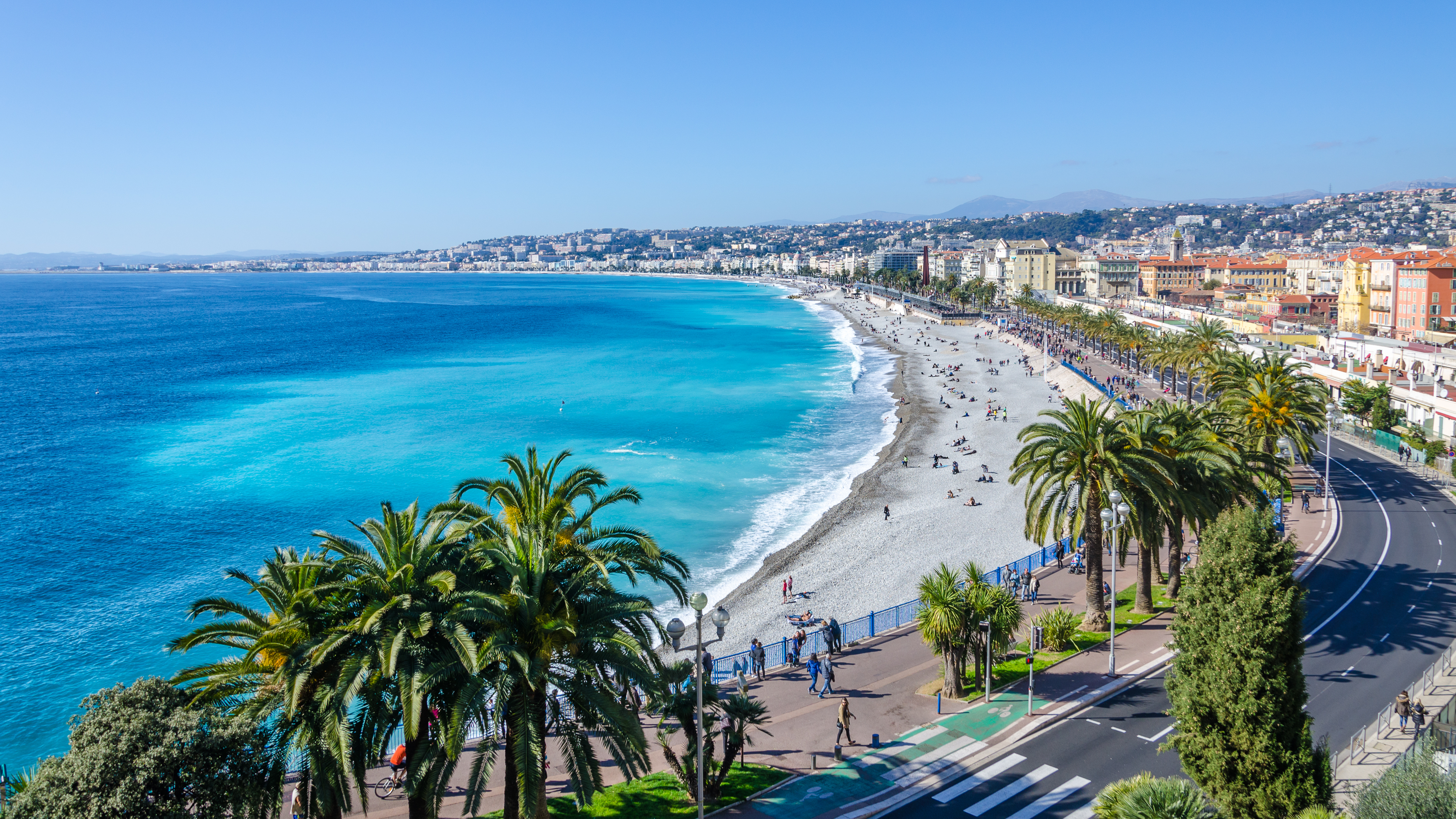
The Greeks and Romans did it, as did rich lords, film stars, artists, and thousands of tourists. They were just going to pass by but instead remained in Nice and along the Riviera. Some for just a few weeks, others for months and years. They were too captivated by the light, enchanted by the scents, and charmed by the taste of olives and wine. Additionally, a Nice Nouveau has evolved – a sassy Mediterranean metropolis with pulsating nightlife, modern hotels, and daring art galleries. All this with a chance to dabble their toes in a turquoise sea.

De beste dingen om te doen in nice

Genoeg te doen en te zien

Laat meer zien

Phœnix Parc Floral de Nice

Phœnix Parc Floral de Nice is the world’s largest greenhouse. Seven different tropical climates (damp, in other words) covering seven hectares, packed with 2,500 different plants. You can walk in the shadow of an (almost) unknown palm tree here, look at a baby shark, smell a thousand flowers and listen to bird song- on the loudspeakers.

Modern & Contemporary Art Museum (MAMAC)

Nice wants to make a name for itself as a centre for pop art. Admire Nice’s famous local artists such as Ben and Niki de Saint Phalle in this imposing building. The latter has donated 170 of her works, but there are also works of Andy Warhol, Picasso, and the like.

Musee de la Castre — Musée des explorations du monde

Musee de la Castre is a small museum but well worth a visit, located on the hills of old Cannes, in the ruins of a medieval castle and classed as an historic monument. It is home to an extensive collection of antiquities, mainly from the Mediterranean and the Middle East. Musee de la Castre is a must for art lovers and ethnographers alike.

Palais Lascaris

Even though many of us long for the sun, it can get too hot here in Nice. Palais Lascaris is a perfect escape from the heat. This baroque-style aristocratic residence now houses a museum dedicated to the art and music of the 17th and 18th centuries. The palace, built for the Lascaris Vintimille family in the mid-17th century, features a monumental staircase, frescoes, and luxuriously decorated salons. Visitors can explore the reception apartments, which boast frescoes depicting mythological themes, stucco work from the late 17th century, and a permanent collection of paintings, sculptures, furniture, objets d'art, and tapestries. The palace also houses a remarkable collection of antique musical instruments, including a prestigious deposit from the Institut de France.