
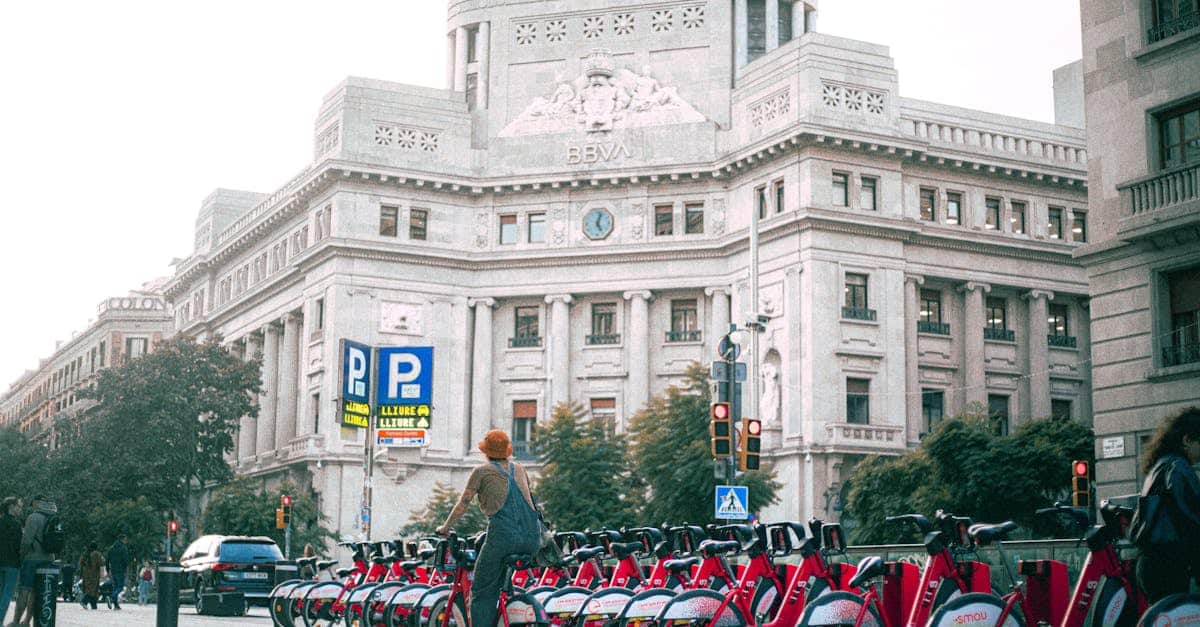
Spain’s vibrant cities are embracing cycling culture, creating a welcoming environment for expats seeking sustainable transportation options. Cycling fits naturally within Spain’s broader public transport landscape, where metro, bus, and tram networks structure daily mobility across major cities. Barcelona, Madrid, and Valencia stand at the forefront of this two-wheeled revolution, offering comprehensive cycling networks that support both daily commutes and leisure rides.
The Benefits of Cycling for Expats
Choosing cycling as your primary mode of transport in Spain unlocks significant advantages for expat life. A bike-sharing membership costs around €50 annually – a fraction of public transport passes that can exceed €500 yearly.
The environmental impact speaks volumes:
- Zero carbon emissions
- Reduced urban noise pollution
- Decreased traffic congestion
Regular cycling transforms daily commutes into fitness opportunities:
- Burns 400-600 calories per hour
- Strengthens cardiovascular health
- Improves mental well-being through outdoor activity
- Builds leg muscles and core strength
The flexibility of cycling allows expats to:
- Avoid rush hour crowds
- Access car-free zones
- Park directly at destinations
- Explore hidden city corners
These benefits make cycling an attractive option for expats seeking cost-effective, healthy, and sustainable transportation in Spanish cities. For many newcomers, cycling becomes part of learning how residents move around cities and organise their daily routines.
Cycling Infrastructure in Major Cities
Spain’s major cities have developed impressive cycling networks, each with unique characteristics and services tailored to urban mobility needs.
Barcelona’s Cycling Network
Barcelona’s cycling infrastructure spans over 200 kilometers of dedicated bike lanes. The Bicing bike-sharing system offers:
- 6,000+ traditional and electric bikes
- 500+ stations across the city
- 24/7 availability through a user-friendly mobile app
- Secure parking spots at major transport hubs
The city’s cycling lanes connect residential areas to business districts, beaches, and cultural landmarks. Protected bike lanes separate cyclists from traffic on major roads, creating safe routes for daily commutes.
Madrid’s Urban Cycling Scene
Madrid’s BiciMAD system revolutionizes urban mobility with its all-electric bike fleet:
- 2,500+ electric bikes
- 250+ docking stations
- Smart location tracking
- Integration with Madrid’s transport card
The city’s cycling routes link major parks and neighborhoods through dedicated lanes. Popular paths include the Madrid Río route along the Manzanares River and the Anillo Verde – a green belt connecting urban parks.
Valencia’s Cyclist-Friendly Design
Valencia’s flat terrain makes it ideal for cycling. The Valenbisi system provides:
- 2,750+ bikes
- 275+ stations
- Easy registration for residents
- Tourist-friendly short-term passes
The city’s star attraction is the Jardín del Turia, a 9-kilometer green corridor perfect for cycling. Bike lanes connect to:
- Beach promenades
- Historic city center
- University zones
- Major transport stations
The cycling infrastructure integrates seamlessly with public transport – bikes are allowed on metros and trams during off-peak hours, and secure parking facilities exist at major stations.
Useful Links:
Exploring the Cities: Popular Cycling Routes and Tips for Safe Riding
Barcelona’s Scenic Routes
Barcelona’s cycling paths offer stunning views and cultural experiences. The beachfront route from Barceloneta to Forum stretches 7km along the Mediterranean, perfect for beginners seeking sea breezes and coastal views. Advanced cyclists can tackle the challenging Collserola mountain trails, offering panoramic city views.
Must-Try Barcelona Routes:
- Gothic Quarter Loop (4km) – weaves through medieval streets
- Montjuïc Hill Circuit (8km) – passes Olympic sites and botanical gardens
- Diagonal Mar Route (5km) – connects major shopping districts and parks
Madrid’s Urban Adventures
Madrid’s cycling scene blends urban exploration with natural escapes. The Madrid Río route spans 10km along the Manzanares River, connecting major landmarks and green spaces. Casa de Campo, the city’s largest park, offers varied terrain for different skill levels.
Popular Madrid Cycling Tours:
- Royal Palace Circuit – historical landmarks and architecture
- Art Triangle Route – connects Prado, Reina Sofia, and Thyssen museums
- El Retiro Park Loop – peaceful paths through manicured gardens
Valencia’s Garden City
Valencia’s Turia Gardens create a green belt through the city center. This 9km car-free path connects the City of Arts and Sciences to the Bioparc, ideal for leisurely rides. The beach promenade offers flat, scenic routes perfect for family cycling.
Valencia Cycling Highlights:
- Turia Gardens Path – ancient bridges and modern architecture
- L’Albufera Natural Park – wildlife spotting and rice field views
- Maritime Route – connects port areas and beach neighborhoods
Essential Safety Tips
Spanish traffic laws require cyclists to follow specific guidelines:
Required Safety Measures:
- Bike lights (white front, red rear) mandatory after sunset
- Reflective gear recommended for night riding
- Bell or horn required in urban areas
- Helmets mandatory for riders under 16
Road Safety Rules:
- Ride in designated bike lanes when available
- Signal turns with appropriate hand gestures
- Maintain 1.5m distance from parked cars
- Stay visible at intersections
- Follow traffic
Resources for Cyclists in Spain
Spain’s cycling culture thrives through well-organized bike-sharing programs and dedicated cycling organizations. Here’s a comprehensive list of essential resources to enhance your cycling experience in major Spanish cities:
Official Bike-Sharing Programs:
1. Bicing Barcelona
- Website: www.bicing.cat
- Registration for residents
- Real-time bike availability
- Station maps
- Maintenance updates
2. BiciMAD Madrid
- Website: www.bicimad.com
- Electric bike rentals
- Mobile app for instant access
- Payment options
- Route planning
3. Valenbisi Valencia
- Website: www.valenbici.es
- Subscription services
- Network coverage
- Station locations
- User guidelines
Additional Cycling Organizations:
- ConBici – National cycling advocacy network
- Spanish Cycling Federation – Official cycling authority
- Ciclismo Urbano – Urban cycling community
These platforms offer practical information about routes, safety guidelines, and local cycling events. Many include English language options to support the expat community. Regular updates on their social media channels keep cyclists informed about infrastructure changes and community activities.
Remember to check these resources’ mobile apps for on-the-go access to maps, bike availability, and route planning tools.