
Introduction
Living in Spain’s vibrant cities opens up a world of possibilities, with Barcelona’s artistic charm, Madrid’s cultural richness, and Valencia’s coastal allure beckoning expats from around the globe. The key to unlocking these urban treasures? Mastering the public transport system.
As an expat in Spain, understanding local transportation transforms daily life from challenging to effortless. The extensive networks of metros, buses, and trams create a seamless web connecting every corner of these bustling metropolises.
Picture stepping out of your apartment, tapping your transport card, and gliding through the city like a local. No parking hassles, no navigation stress – just the freedom to explore Spain’s most captivating cities at your own pace.
This guide will help you navigate Spain’s public transport system with confidence, from buying tickets to choosing the best travel apps for your daily commute.
Understanding Public Transport in Spain
Spain’s public transport network is one of the most advanced systems in Europe, providing expats with reliable options for daily commuting. The integrated network covers cities and regions, making it easy to get around urban areas without a personal vehicle.
Available Transport Options:
- Metro Systems: Underground networks in major cities with frequent service
- City Buses: Extensive routes covering both central and suburban areas
- Trams: Modern light rail systems complementing metro services
- Regional Trains: Connecting suburbs and nearby towns
- High-Speed Rail: Linking major cities across the country
Why Choose Public Transport:
- Skip traffic congestion during peak hours
- Save money on parking fees and fuel costs
- Reduce environmental impact
- Access dedicated bus lanes for faster travel
- Enjoy time to read, work, or relax during commutes
The TMB App helps navigate Barcelona’s transport system, while Madrid’s Metro App provides real-time updates. For intercity travel, the Renfe App offers train bookings and digital tickets.
Spain’s transport infrastructure prioritizes accessibility with step-free access, clear signage in multiple languages, and regular maintenance schedules. These features make daily commuting straightforward for expats adjusting to life in Spanish cities.
Getting Around Barcelona: Public Transport Made Easy
Barcelona’s public transport system is designed to make it easy for residents and visitors to navigate the city. With a combination of metro, bus, and tram services, getting from one place to another is convenient and efficient. Here’s a breakdown of how to make the most of Barcelona’s public transport:
1. Exploring the City by Metro
The metro is one of the fastest ways to get around Barcelona. Here are some key things to know:
- Lines and Operating Hours: The metro has 12 lines that cover various parts of the city. On weekdays, it operates from 5 AM until midnight, while on weekends, it runs until 2 AM.
- Important Lines for Tourists: As a tourist, you’ll find the following metro lines particularly useful:
- L3 (Green Line): Connects to Park Güell and Las Ramblas
- L4 (Yellow Line): Access to Barceloneta Beach
- L5 (Blue Line): Reaches Sagrada Familia
- L9 Sud: Direct connection to El Prat Airport
2. Navigating Barcelona by Bus
Buses are another reliable mode of transport in Barcelona. Here are some tips for using the bus system:
- Real-Time Information: Download the TMB App to track bus arrivals in real-time.
- Night Buses: If you need to travel late at night, take advantage of the NitBus service that operates from 10 PM to 6 AM.
- Identifying Bus Stops: Look out for vertical red signs indicating bus stops.
3. Complementing Your Journey with Trams
Trams can be a convenient option for reaching certain areas not directly accessible by metro or bus. There are two main tram networks in Barcelona:
- Trambaix: Serves southwestern suburbs
- Trambesòs: Connects northeastern areas
4. Visiting Popular Attractions via Public Transport
Here are some popular landmarks in Barcelona and how you can reach them using public transport:
- Sagrada Familia: Take L2 or L5 metro lines
- Gothic Quarter: Get off at L4 Jaume I station
- Camp Nou: Use L3 Les Corts or L5 Badal stations
- Park Güell: Alight at L3 Vallcarca station
5. Time-Saving Strategies for Efficient Travel
To optimize your travel time in Barcelona, consider these tips:
- Purchase a T-casual card for multiple journeys
- Use Google Maps or Citymapper apps for route planning
- Avoid peak hours (8-9:30 AM and 5-7 PM) when possible
- Stand on the right side of escalators to allow others to pass
6. Enjoying Seamless Transfers between Transport Modes
One of the advantages of Barcelona’s integrated transport system is that you can easily switch between different modes of transport within a single journey without paying extra fares.
With this knowledge about Barcelona’s public transport network, you’ll be well-equipped to explore all that this vibrant city has to offer!
Madrid
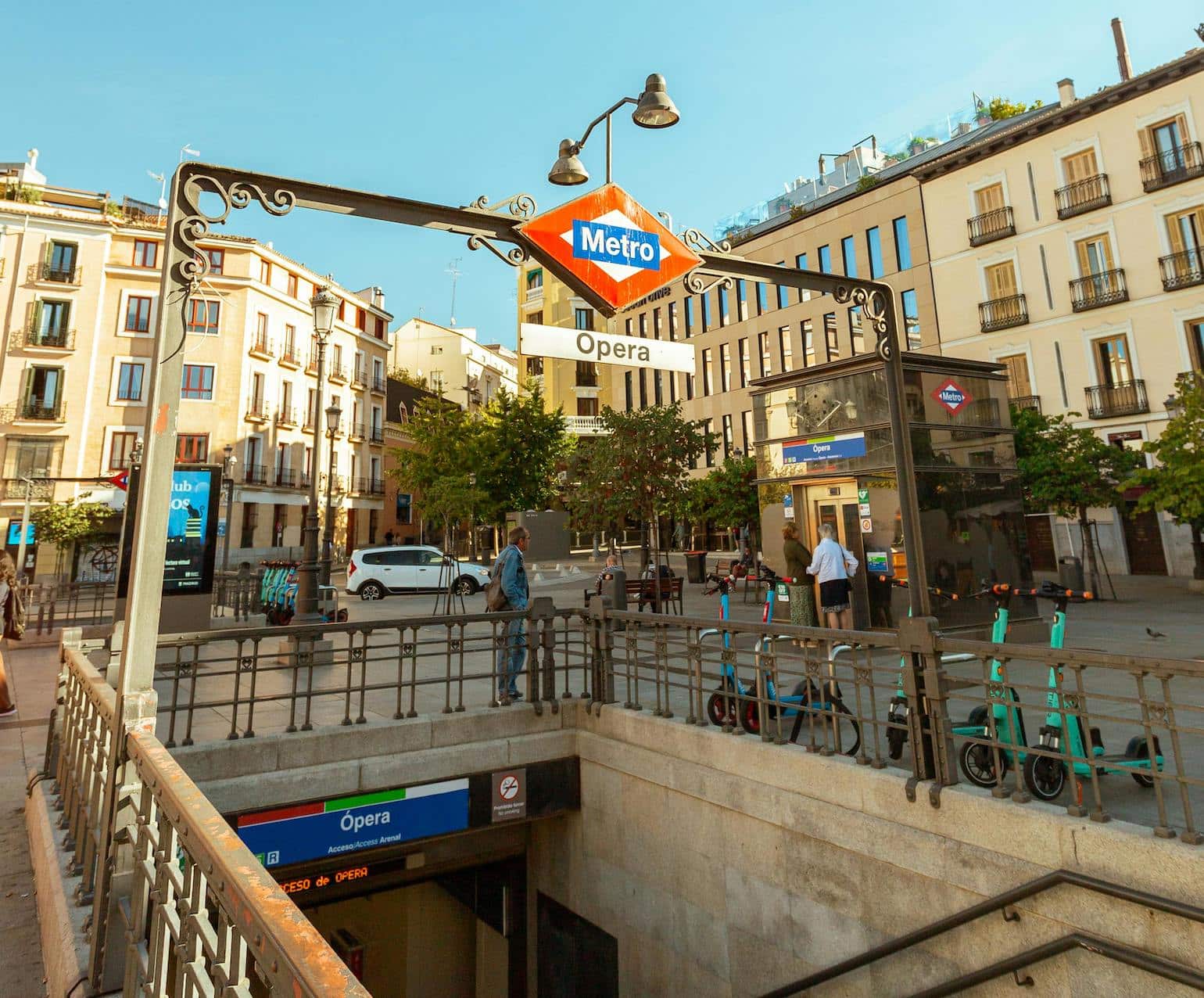
Madrid’s metro system stands as one of Europe’s largest underground networks, spanning an impressive 300 kilometers with 13 color-coded lines. The system connects major districts through 302 stations, operating from 6:00 AM until 1:30 AM daily.
Metro Network Highlights:
- Line 8 provides direct access to Madrid-Barajas Airport
- Line 10 connects popular expat neighborhoods like Chamartín and Príncipe Pío
- Line 6 (circular line) loops around central Madrid, perfect for reaching tourist spots
The Metro de Madrid app serves as an essential tool for expats, offering:
- Real-time arrival updates
- Service disruption notifications
- Interactive route planning
- Multi-language support
Madrid’s bus network complements the metro system with over 200 routes. Key bus lines for expats include:
- Line C1: Circular route connecting major shopping areas
- Line 27: Links Embajadores to Plaza de Castilla
- Line 200: Express service to Madrid-Barajas Airport
Night owls can rely on “Búhos” (night buses) marked with an N prefix, running from 11:30 PM to 6:00 AM. These services maintain 15-20 minute frequencies, ensuring safe travel during late hours.
The integrated transport system allows seamless transfers between metro and bus services using a single ticket or travel card, making commuting efficient for residents and visitors alike.
Valencia
Valencia’s transportation system combines modern metro lines with historic trams, creating a unique mix that serves both locals and visitors. The city’s 6 metro lines and 3 tram routes connect the historic center to the beaches and suburbs.
Metro and Tram Network Highlights:
- Lines 3 and 5 run to popular beaches like Malvarrosa
- Line 4 connects to the City of Arts and Sciences
- Tram routes offer scenic views through the old town
Smart Navigation Tips:
- Download the Metrovalencia app for real-time updates
- Buy a rechargeable Móbilis card for seamless travel
- Use the night bus service (NitBus) for late-night trips
Must-Visit Destinations by Public Transport:
- Central Market: Lines 3, 5 (Xàtiva station)
- Bioparc: Line 3, 5, 9 (Nou d’Octubre station)
- El Cabanyal Beach District: Line 5, 7 (Marítim-Serrería station)
The network’s efficiency peaks during major events like Las Fallas festival, when extra services run to accommodate crowds. Valencia’s compact size means most attractions sit within walking distance of metro or tram stops, making public transport an ideal choice for exploring the city’s blend of modern architecture and historic charm.
Ticketing Options and Fare Structures
Spain’s public transport system offers flexible ticketing options to suit different travel needs and budgets. Here’s what you need to know about ticket types and costs across major cities:
Single Tickets
- Barcelona: €2.40 per journey
- Madrid: €1.50-€2.00 depending on zones
- Valencia: €1.50 for metro/bus
Monthly Cards
- Barcelona: T-usual (€40) – unlimited journeys for 30 days
- Madrid: Abono Transport (€54.60) – all zones included
- Valencia: TuiN card (€35) – rechargeable with discounted rates
Digital Purchasing Options
- TMB App – Barcelona’s official app for ticket purchases
- Metro de Madrid – Digital tickets for Madrid’s metro
- Renfe Ticket – Essential for intercity train travel
Money-Saving Tips
- Buy 10-journey tickets for better value
- Consider tourist cards for short-term visits
- Check for student and senior discounts
- Look for combined transport + attraction passes
Digital tickets are stored on your phone, while physical cards use contactless technology. Most stations have multilingual ticket machines accepting cash and cards.
Essential Travel Apps for Expats
Mastering Spain’s public transport becomes effortless with these must-have travel apps.
For All of Spain: Citymapper and Renfe Ticket
Citymapper stands out as the ultimate navigation companion, offering:
- Real-time arrival updates
- Multi-modal route planning
- Service disruption alerts
- Offline maps for data-free navigation
Renfe Ticket simplifies intercity travel across Spain:
- Direct ticket booking
- Digital boarding passes
- Seat selection options
- Price alerts for better deals
For Barcelona: TMB App
TMB App revolutionizes Barcelona travel with:
- Digital ticket purchasing
- Station accessibility information
- Nearest bus and metro locations
- Live service status updates
For Madrid: Metro Madrid Official
Metro Madrid Official enhances your Madrid experience through:
- Interactive network maps
- Journey time calculations
- Platform accessibility details
- Tourist attraction route suggestions
These apps support multiple languages, making them ideal Spain travel hacks for expats. The integrated features allow seamless switching between transport modes, helping you navigate like a local while saving time and money.
Biking and Beyond: Additional Travel Options
Spain’s commitment to sustainable transportation extends beyond traditional public transit. Bicycle sharing services add a flexible, eco-friendly layer to urban mobility. Barcelona’s Bicing system offers:
- 6,000+ bikes across 400+ stations
- Both mechanical and electric options
- 24/7 availability in strategic locations
The integration of eco-friendly travel options creates a seamless experience:
- Bike racks on buses and designated metro areas for bicycles
- Dedicated bike lanes connecting to transport hubs
- Combined bike-transit passes in many cities
Cities like Valencia and Madrid have followed Barcelona’s lead with their own bike-sharing programs: Valenbisi and BiciMAD. These services complement existing transport networks, allowing users to cover shorter distances while reducing their carbon footprint.
The rise of electric scooter services adds another dimension to Spain’s urban mobility landscape, with companies like Lime and Bird operating in major cities.
For many residents, urban cycling in Spanish cities has become a natural extension of everyday commuting habits. In cities like Barcelona, Madrid, and Valencia, cycling as an alternative transport option works especially well for short distances or as a complement to metro and bus journeys. As part of a broader shift toward eco-friendly transport options, cycling allows expats to move more flexibly while staying closely aligned with local routines and urban life.
Conclusion
Mastering public transport in Spain opens up endless possibilities for expats to discover the heart and soul of Spanish cities. The comprehensive networks across Barcelona, Madrid, and Valencia create seamless connections to hidden gems, cultural hotspots, and daily necessities.
Your journey through Spanish cities becomes richer when you embrace the local transport systems. Each metro ride, bus journey, or tram adventure brings new perspectives and authentic experiences of expat life in Spain. The convenience of digital tools like Citymapper and TMB App puts the entire city at your fingertips.
Ready to start your transport adventure? Here’s your action plan:
- Download essential transport apps for your city
- Get a monthly transport card for cost-effective travel
- Mix different transport modes to optimize your journeys
- Connect with local expat communities to share travel tips
Navigating Spanish cities becomes second nature with practice. The efficient public transport systems make it possible to live car-free while exploring every corner of your new home. Your commitment to mastering public transport not only simplifies daily life but also reduces your environmental impact and deepens your connection to Spanish urban culture.
Take that first step – your next adventure on Spanish public transport awaits!