
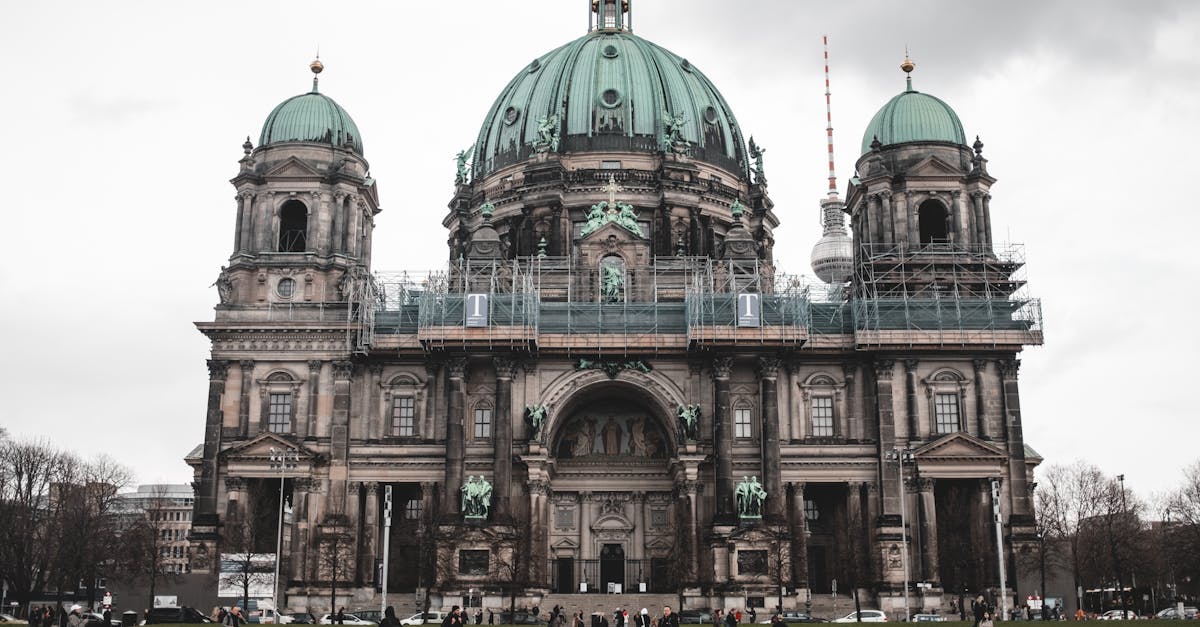
Welcome to Mitte, the heart of Berlin where history meets modern city life. This historic district is like a living museum, home to some of Germany’s most valuable landmarks and cultural institutions. Those planning to base themselves here can search for apartments in Berlin — Mitte is one of the most in-demand areas for new arrivals.
Imagine strolling through streets once ruled by emperors, passing by the iconic Brandenburg Gate — a symbol of German unity — and exploring the enlightening halls of Museum Island, a UNESCO World Heritage site with five world-class museums.
Mitte has something for everyone:
- Stunning Architecture: From the glass dome of the Reichstag to the neo-baroque beauty of Berlin Cathedral
- Cultural Gems: Ancient artifacts at the Pergamon Museum and contemporary art galleries
- City Adventures: Bustling squares like Alexanderplatz and peaceful hidden courtyards
This district tells Berlin’s story through its streets, buildings, and people. Whether you’re interested in historical sites, artistic endeavours, or modern urban life, Mitte offers an authentic Berlin experience where every corner reveals a new aspect of the city’s rich history.
1. The Historical Significance of Mitte
Mitte’s story reflects Berlin’s dramatic transformation over the centuries. As one of Berlin’s historic neighborhoods, Mitte witnessed the city’s evolution from a medieval trading post to a modern metropolis. The district’s name, meaning “middle” in German, signifies its central role in Berlin’s development.
The District’s Historical Journey
The district’s historical journey includes:
- Medieval Origins: The twin settlements of Berlin and Cölln merged in Mitte during the 13th century
- Prussian Glory: Home to the royal palace and grand boulevards during Prussia’s golden age
- Weimar Republic: Hub of artistic and intellectual life in the 1920s
- World War II: Severe damage from allied bombing raids
- Cold War Division: Split between East and West Berlin
- Post-Reunification: Symbol of German unity and renewal
Among the historic sites, Mitte holds traces of each era – from medieval churches to Cold War checkpoints. The district’s architecture narrates stories of power shifts, cultural revolutions, and social changes. Buildings like the Nikolaikirche, Berlin’s oldest church, stand alongside remnants of the Berlin Wall, creating a living timeline of the city’s past.
Memories Embedded in the Streets
The streets of Mitte hold memories of resistance and revolution. Unter den Linden boulevard witnessed Napoleon’s triumphant march, the Nazi regime’s parades, and peaceful protests that led to the fall of the Berlin Wall. Each cobblestone and corner in this historic neighborhood carries tales of triumph, tragedy, and resilience.
2. Iconic Landmarks in Mitte
Mitte’s skyline tells Berlin’s story through its magnificent landmarks, each a testament to the city’s rich heritage and modern spirit. These architectural marvels draw millions of visitors yearly, offering glimpses into Germany’s past while celebrating its present. Most of Berlin’s headline must-see attractions are within walking distance of Mitte’s centre, making sightseeing unusually straightforward.
Brandenburg Gate
The Brandenburg Gate stands as Berlin’s most recognizable symbol, a neoclassical monument that has witnessed centuries of German history. Built in 1791, this 18th-century masterpiece features:
- Quadriga: The copper chariot atop the gate, driven by Victoria, the Roman goddess of victory
- Doric columns: 12 massive columns divided into five passageways
- Relief panels: Intricate sculptures depicting scenes from Greek mythology
The gate’s transformation from a symbol of division during the Cold War to a beacon of unity makes it particularly meaningful. During the Berlin Wall era, the gate stood in the “death strip” between East and West Berlin. Today, it represents Germany’s reunification and serves as a symbol of peace.
Visitor Tips for Brandenburg Gate:
- Visit at sunrise for the best photos without crowds
- Join a guided walking tour to learn detailed historical context
- Experience the gate illuminated at night
- Stop by the Room of Silence inside for quiet reflection
- Visit during festivals to see special light installations
The gate anchors the eastern end of Pariser Platz, a square buzzing with street performers, cafes, and the embassies of several nations. The surrounding area houses significant institutions like the American Embassy and the Hotel Adlon, adding to the location’s prestigious atmosphere.
The Brandenburg Gate serves as a starting point for exploring other must-visit Mitte landmarks, creating a natural path through the district’s historical center. Its central location makes it an ideal reference point for navigating between Museum Island, the Reichstag Building, and other cultural attractions.
Reichstag Building
The Reichstag Building is a symbol of Germany’s political evolution and has been home to the German Parliament (Bundestag) since 1999. This historic structure, designed by Paul Wallot, features a combination of neo-renaissance architecture and modern elements, creating a unique blend of old and new.
Architectural Highlights
The most prominent feature of the building is its glass dome, which was added during Norman Foster’s reconstruction in the 1990s. This architectural masterpiece serves both aesthetic and practical purposes – visitors can walk up spiral ramps for panoramic views of Berlin while the dome’s mirrors reflect natural light into the parliamentary chamber below.
Key Architectural Features:
- Iconic glass dome with 360-degree viewing platform
- Historic facade with classical elements
- Modern interior design integrating sustainable technology
- Rooftop restaurant with city views
Visiting Information
Book your visit to the Reichstag through the official website. Free guided tours are available daily from 8:00 AM to midnight, with last admission at 9:45 PM. Advance registration is required, and visitors must present valid ID.
Visitor Tips:
- Book at least 3 days in advance
- Visit during sunset for spectacular views
- Allow 1-2 hours for the complete experience
- Audio guides available in multiple languages
The Reichstag’s location near the Brandenburg Gate makes it a perfect stop on your Mitte exploration. The building’s rich history and modern transformation reflect Berlin’s journey from imperial capital to contemporary democracy.
Museum Island (Museumsinsel)
Museum Island, a UNESCO World Heritage site since 1999, showcases human creativity and cultural preservation. This architectural wonder is home to five exceptional museums constructed between 1824 and 1930 on a small island in the River Spree.
The Five Museums of Museumsinsel:
- Pergamon Museum – Home to monumental reconstructions including the Pergamon Altar and the Market Gate of Miletus
- Neues Museum – Houses the iconic bust of Nefertiti and an extensive Egyptian collection
- Alte Nationalgalerie – Showcases 19th-century art and the German Romantic movement
- Bode Museum – Features Byzantine art and sculpture collections
- Altes Museum – Displays Greek and Roman antiquities
The Pergamon Museum attracts visitors with its full-scale recreations of ancient architectural wonders. Its most famous exhibit, the Pergamon Altar, represents Hellenistic architecture at its finest. The Neues Museum houses the Egyptian Museum and Papyrus Collection, with the renowned bust of Nefertiti as its centerpiece.
Each museum building showcases unique architectural styles, ranging from Neoclassical to Baroque Revival. The museums are connected by the James-Simon-Gallery, a contemporary visitor center designed by David Chipperfield, which bridges the gap between historical preservation and modern museum experience.
A Museum Island Day Pass provides entry to all five museums, with guided tours offered in various languages. The ideal time to visit is during early morning hours or weekday afternoons to avoid peak tourist times.
3. Cultural Institutions and Attractions in Mitte
Mitte’s cultural landscape sparkles with architectural marvels and vibrant spaces that capture Berlin’s artistic spirit. The district houses some of the city’s most treasured cultural institutions, each telling its own unique story of Berlin’s rich heritage.
Berlin Cathedral (Berliner Dom)
The majestic Berlin Cathedral stands proudly on Museum Island, its green dome a defining feature of Berlin’s skyline. Built in 1905, this Protestant church showcases the grandeur of Prussian architecture with its:
- Ornate Baroque and Renaissance-inspired façade
- 98-meter-high main dome
- Intricate mosaics and sculptures
- Hohenzollern Crypt housing 94 royal sarcophagi
Visitors can climb 270 steps to reach the dome’s observation walkway for panoramic views of Berlin’s historic center. The cathedral’s interior mesmerizes with:
- A massive Sauer organ with 7,269 pipes
- Stained glass windows depicting biblical scenes
- Marble and onyx altar
- Imperial staircase
The cathedral hosts regular:
- Classical music concerts
- Organ recitals
- Religious services
- Special exhibitions
Visitor Information:
- Opening hours: Mon-Sat 9am-8pm, Sun 12pm-8pm
- Audio guides available in multiple languages
- Photography permitted (without flash)
- Regular guided tours in English and German
The cathedral’s museum displays historical photographs, architectural models, and liturgical objects that document its transformation through time. The building survived significant damage during World War II, with restoration work continuing into the 1990s, making it a symbol of Berlin’s resilience and renewal.
Learn more about cultural attractions in Mitte
Alexanderplatz
Alexanderplatz is Berlin’s most vibrant public square, filled with energy and modern attractions. The iconic Berlin TV Tower stands tall at 368 meters, dominating the skyline and offering breathtaking views of the city from its observation deck and rotating restaurant.
A Historic Transformation
This historic square has evolved from a medieval cattle market into a bustling metropolitan center. Here’s what you can find today in “Alex”:
- The World Clock (Weltzeituhr) – showcasing time zones worldwide
- The Neptune Fountain (Neptunbrunnen) – a magnificent baroque masterpiece
- Modern shopping complexes like Alexa and Galeria Kaufhof
- Underground shopping passages connecting major transit lines
Berlin’s Transport Hub
Alexanderplatz serves as Berlin’s primary transport hub, seamlessly connecting various modes of transportation:
- U-Bahn lines U2, U5, and U8
- S-Bahn lines S3, S5, S7, and S9
- Regional and long-distance trains
- Numerous bus and tram routes
Vibrant Atmosphere
Throughout the year, street performers, seasonal markets, and public events bring additional vibrancy to Alexanderplatz. Nearby, you’ll find the Rotes Rathaus (Red City Hall) with its distinctive red brick architecture, adding historical charm to this modern hub.
Culinary Delights
Visitors can indulge in a wide range of dining options available at the square. From traditional German cuisine to international food courts, there’s something to satisfy every palate.
The combination of historical elements and contemporary attractions makes Alexanderplatz a prime example of Berlin’s transformation into a global city.
Gendarmenmarkt
Gendarmenmarkt is the most elegant square in Berlin, surrounded by three architectural masterpieces that create a stunning baroque ensemble. The French Cathedral (Französischer Dom), German Cathedral (Deutscher Dom), and the Konzerthaus Berlin form a harmonious triangle that exemplifies 18th-century architectural brilliance.
A Glimpse into History
The square’s rich history dates back to 1688, when it served as a marketplace for the growing Friedrichstadt quarter. Today, the restored buildings showcase intricate details and magnificent domes that light up beautifully at night.
Cultural Events & Entertainment
Gendarmenmarkt hosts a variety of cultural events and entertainment options throughout the year:
- Classical concerts at the Konzerthaus Berlin
- Annual Christmas Market with handcrafted goods
- Summer open-air concerts and festivals
- Berlin Classic Days vintage car show
Dining Experiences
The square is home to some of Berlin’s finest restaurants:
- FACIL – Two Michelin-starred contemporary cuisine
- VAU – Sophisticated German dishes
- Aigner – Austrian-German classics with terrace views
The surrounding streets hide charming cafes and wine bars perfect for people-watching. Local favorites include Charlotte & Fritz for afternoon tea and Rausch Schokoladenhaus for artisanal chocolates.
Seasonal Transformations
The square transforms seasonally, from summer jazz performances to winter markets. Street performers and artists add to its vibrant atmosphere, making Gendarmenmarkt a living testament to Berlin’s cultural heritage.
Learn more about Gendarmenmarkt’s history and events
4. Exploring Modernity Amidst History in Mitte
Modern architecture and contemporary culture blend seamlessly with historical landmarks as you explore Mitte’s evolving landscape. The district showcases this fusion through:
Innovative Architecture
- The glass-domed Sony Center at Potsdamer Platz lights up the night sky with its futuristic design
- The sleek Hauptbahnhof (Central Station) represents cutting-edge transportation architecture
- Contemporary office buildings along Friedrichstraße create a striking contrast with preserved pre-war facades
Creative Spaces
- Art galleries in converted industrial buildings dot the neighborhood
- Hackescher Markt’s courtyards house trendy boutiques and innovative start-ups
- The former Jewish Girls’ School now hosts modern art exhibitions and upscale restaurants
Urban Development
- Sustainable building projects prioritize green spaces and community areas
- New residential complexes incorporate historical elements while offering modern amenities
- Tech companies establish headquarters in renovated historical buildings
As you explore Mitte, you’ll discover pocket parks, rooftop gardens, and urban art installations nestled between centuries-old structures. Street art adorns building walls, telling stories of Berlin’s present while acknowledging its past. Local initiatives transform unused spaces into community gardens and cultural venues, breathing new life into historical locations.
The district maintains its authentic character while embracing innovation, making every corner an opportunity to explore Mitte’s dynamic evolution.
5. Practical Tips for Visiting Mitte
Make your exploration of Mitte’s cultural treasures smoother with these essential tips:
Guided Tours
- Book a Walking Through Time tour to discover hidden historical gems
- Join free walking tours starting at Brandenburg Gate daily at 10 AM and 2 PM
- Consider specialized photography tours for capturing iconic landmarks
- Book private guides for personalized experiences focusing on art, architecture, or history
Best Times to Visit
- Early mornings (8-10 AM) offer peaceful exploration of popular sites
- Winter months (November-March) see fewer tourists
- Avoid peak hours (11 AM-3 PM) at Museum Island
- Visit the Reichstag Building during sunset for spectacular views
Getting Around
Getting across the city from Mitte is simple once you understand the network — our Berlin public transport guide maps out the key lines and connections.
- U-Bahn stations: Alexanderplatz, Friedrichstraße, and Unter den Linden
- S-Bahn connections at Hackescher Markt and Brandenburg Gate
- Bike rentals available at multiple locations for flexible exploration
- Walking routes connect major attractions within 15-20 minutes
Smart Planning
- Purchase the Museum Pass Berlin for access to multiple museums
- Download the BVG app for real-time public transport updates
- Book attraction tickets online to skip long queues
- Carry cash as some smaller establishments don’t accept cards
Conclusion
Mitte captures Berlin’s essence through its remarkable fusion of past and present. From the majestic Brandenburg Gate to the treasure-filled halls of Museum Island, from the elegance of Gendarmenmarkt to the energy of Alexanderplatz, this district rewards curious explorers at every turn. Understanding how Mitte sits alongside other districts is useful for anyone planning a longer stay — our guide to Berlin’s neighbourhoods offers that wider perspective.