
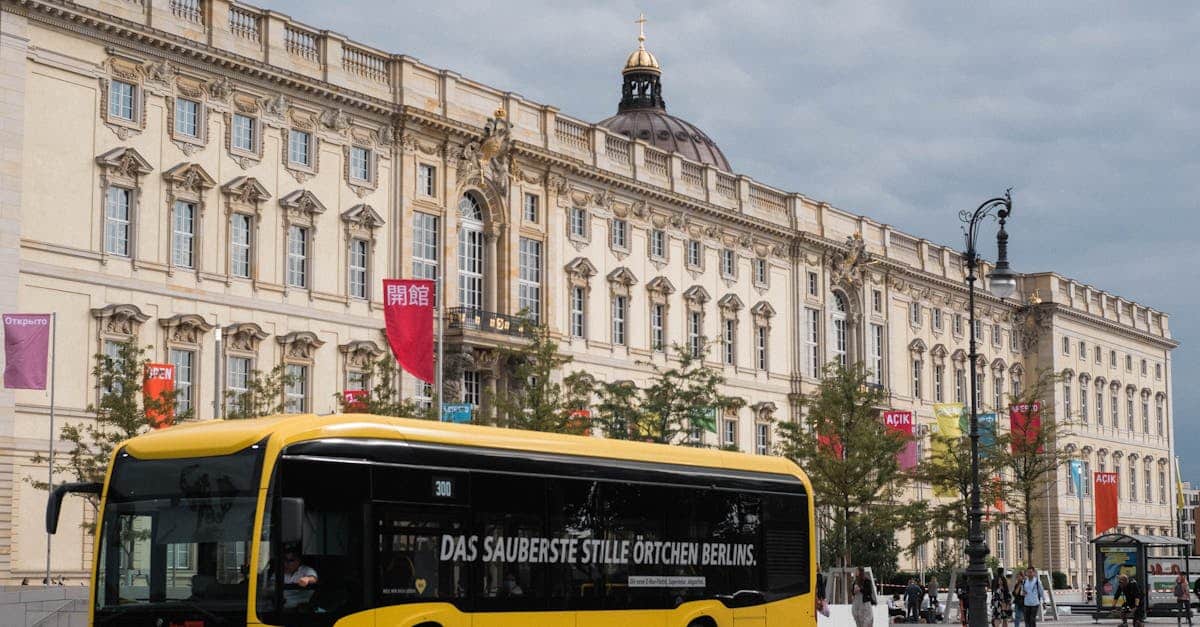
Berlin’s public transportation system is a lifeline for expats, offering a seamless way to explore the city. With an extensive network including buses, trams, U-Bahn (subway), and S-Bahn (commuter trains), getting around Berlin is both easy and efficient. New arrivals often look for housing and transport solutions simultaneously — you can browse accommodation in Berlin to find a flat well-connected to the U-Bahn or S-Bahn.
Useful Resources
- BVG Official Website: Visit BVG for detailed information on routes and schedules.
- S-Bahn Berlin: Explore S-Bahn for connectivity options.
- Expat Transport Guides: Check Out Expat Guide Berlin for tailored tips.
Navigating efficiently enhances your experience, making life in Berlin both exciting and manageable.
Understanding Berlin’s Public Transportation System
Berlin’s public transportation network is a marvel of integration, designed to provide seamless connectivity across the city. This system combines U-Bahn, S-Bahn, buses, and trams into one cohesive unit. Each mode complements the other, ensuring no part of Berlin is out of reach.
Fare Structure
Understanding the fare structure is key for expats navigating Berlin efficiently. The city is divided into three fare zones: A, B, and C.
- Zone A covers the city center up to the S-Bahn ring.
- Zone B extends to the outskirts of Berlin.
- Zone C reaches surrounding areas such as Potsdam.
Tickets are valid across all transportation modes within these zones.
Importance of the Transportation Map
The Berlin transportation map is a vital tool for any newcomer. It outlines all routes and connections clearly. You can find maps at stations, online, or through various apps. These maps often highlight key transfer points, making it easier to plan your journey.
Tips for Using the Map
When using the map:
- Identify your starting point and destination.
- Note any required transfers.
- Check which zones your trip covers to select the right ticket.
With these insights, navigating Berlin becomes straightforward, allowing expats to explore the city with confidence.
Modes of Transport in Berlin
Navigating Berlin can be a breeze once you understand the different modes of transport available. The city offers a seamless network that includes the U-Bahn, S-Bahn, buses, and trams.
U-Bahn (Subway)
The Berlin U-Bahn guide will show you how this underground system connects various neighborhoods. With 10 lines and over 170 stations, the U-Bahn is ideal for reaching central areas and popular districts like Kreuzberg, Mitte, and Charlottenburg. It’s fast and frequent, especially during peak hours, making it a popular choice for daily commutes.
S-Bahn (Commuter Trains)
Offering a different experience, the S-Bahn Berlin tips focus on its extensive reach beyond city limits. This above-ground train network links Berlin with surrounding regions. Key stations include Alexanderplatz, Hauptbahnhof, and Ostkreuz. Perfect for longer distances or trips to nearby towns like Potsdam.
Buses
Buses in Berlin play a crucial role in areas not covered by rail services. They connect suburbs to the city center and offer night routes when trains stop running. Look out for the M-series buses which are known for their high frequency. Essential routes include the 100 line that passes major landmarks like Brandenburg Gate and Reichstag.
Trams
The Berlin tram system is mainly found in the eastern parts of the city. It covers areas such as Prenzlauer Berg and Friedrichshain with high frequency during the day. Trams are reliable for short distances and offer picturesque views of urban landscapes.
Understanding these options allows you to tailor your travel plans effectively within Berlin’s public transportation framework.
Cycling
Beyond the formal network, cycling is a genuine alternative for many journeys across the city. Our cycling in Berlin guide covers routes, infrastructure, and safety tips for getting started on two wheels.
Ticketing System Explained for Expats
Navigating Berlin’s public transportation system becomes much easier once expats understand the ticketing options available. Whether you’re commuting daily or exploring the city, knowing the right ticket can save you time and money.
Types of Tickets Available
- Single Journey Tickets: Ideal for occasional trips. These tickets allow travel across all modes within a two-hour window, but you cannot backtrack.
- Day Pass (Tageskarte): Perfect for those planning multiple journeys in a day. Valid until 3 AM the following day, it offers unlimited travel within selected zones.
- Monthly/Annual Subscriptions: Frequent travelers can benefit from these subscriptions. They offer significant savings when compared to single or day tickets.
- Deutschland-Ticket: A popular choice among expats, this ticket provides unlimited travel across Germany’s public transport network for a fixed monthly fee, making it an excellent option for those who travel frequently within and outside Berlin.
Understanding Berlin transit costs is crucial for efficient budgeting. The integrated fare structure allows your ticket to be valid on buses, trams, U-Bahn, and S-Bahn. For further details and official updates, check out BVG’s website and Berlin Welcome Card resources.
Exploring the city as an expat becomes seamless with these options at your disposal. Knowing which Berlin travel pass suits your lifestyle can enhance your experience while getting around the city.
Accessibility Features in Public Transport for All Users
Berlin’s public transportation system is designed with inclusivity in mind, ensuring that all users, including those with mobility issues, can navigate the city comfortably. Accessibility features are integral to public transportation in Germany.
Features for Mobility Assistance
- Elevators and Ramps: Many stations are equipped with elevators and ramps to facilitate wheelchair access. This makes it easier for individuals with mobility challenges to enter and exit platforms smoothly.
- Low-Floor Vehicles: Buses and trams often feature low-floor designs. This ensures that boarding is straightforward, especially for those using wheelchairs or strollers.
Features for Language Support
Navigating Berlin is made simpler for non-German speakers as well. English signage and announcements are prevalent across the network:
- Bilingual Signage: Key information is displayed in both German and English, helping expats understand directions and important notices with ease.
- Announcements: Audio announcements in English are common, particularly on U-Bahn and S-Bahn services, assisting travelers in staying informed about stops and service changes.
These thoughtful features enhance the experience of public transportation Germany offers, making it welcoming for everyone.
Tips for Expats Using Public Transportation in Berlin Efficiently
Navigating Berlin as an expat can be a smooth experience if you know a few key tips. Understanding how to use the expat transport Berlin system efficiently is essential.
Best Practices:
- Plan Ahead: Use apps like BVG Fahrinfo or Google Maps to plan your route. These apps provide real-time updates and help you find the quickest path.
- Boarding and Exiting: Stand on the right side of escalators and allow passengers to exit before boarding trains or buses.
Staying Updated:
- Real-Time Information: Download the BVG app for updates on schedules and delays. Follow local transportation authorities on social media for alerts about any disruptions.
- Check Displays: Keep an eye on digital displays at stations which show upcoming departures and any service changes.
Knowing which apps locals use day-to-day saves a lot of trial and error — our list of top Berlin transport apps is worth bookmarking alongside the official BVG website.
Safety Tips:
- Stay Aware: Keep your belongings close, especially in crowded areas like Alexanderplatz or major transit hubs.
- Late-Night Travel: Use well-lit stations and avoid empty train cars when traveling late at night.
For nights out when regular services run differently, our Berlin night transportation guide covers the Nachtbus network, U-Bahn night schedules, and safety tips for late-night travel.
For a broader picture of staying safe on Germany’s transport network, our public transport safety guide covers theft prevention and what to do in an emergency.
Additional Resources for Expats Navigating Berlin’s Transit System
Navigating Berlin’s extensive public transportation system becomes easier with the right resources. For real-time information and updates, official public transportation websites are invaluable. The BVG website is a key resource, offering details on schedules, routes, and service changes. It provides an overview of the entire network, including buses, trams, U-Bahn, and S-Bahn.
For expats seeking more tailored advice, expat transit guides can be helpful. Websites like Expatrio provide insights into Berlin public transit from an expat perspective. These guides often include tips on cultural nuances and ticketing options specific to international residents.
Incorporating these resources into your daily routine will make getting around Berlin a breeze. Engaging with these platforms enhances your understanding of the city’s transport landscape, making it easy for expats to navigate the city efficiently and confidently.
Conclusion
Exploring Berlin through its public transportation system offers expats a chance to truly connect with the city. With options like buses, trams, U-Bahn, and S-Bahn at your disposal, getting around Berlin becomes an integral part of your daily adventure. Embrace this efficient network to discover hidden gems and enjoy a seamless urban experience.
For more information on navigating Berlin’s public transit, check out the BVG website, explore insights on the Visit Berlin guide, or consult the Expat Guide to Berlin Transportation.