
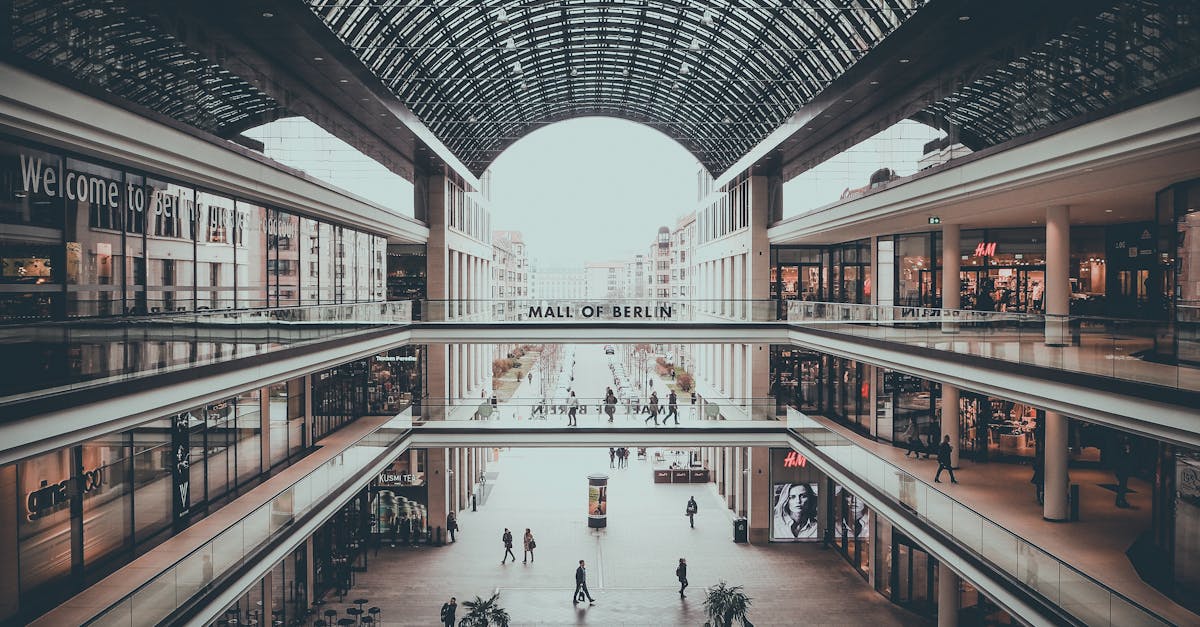
Berlin’s customs and traditions shape daily life in this vibrant capital. Understanding these local Berlin traditions creates meaningful connections and helps expats navigate social situations with confidence. These norms are woven into everyday Berlin traditions and lifestyle practices that shape the city’s social fabric.
From the moment you step into a shop and greet the owner with a cheerful “Guten Tag” to mastering the art of punctuality, these cultural practices reflect Berlin’s unique character. The city’s customs blend traditional German values with modern metropolitan life, creating an environment where respect for local etiquette opens doors to genuine connections.
This guide explores essential aspects of Berlin’s social fabric:
- Proper greetings and communication styles
- Dining customs and table manners
- Gift-giving practices
- Public behavior expectations
- Cultural sensitivities
- Unique Berlin traditions
Ready to dive deeper into Berlin’s cultural landscape? Let’s explore these customs that will help you feel at home in this dynamic city.
1. Greetings and Communication in Berlin
Understanding how to greet people in Berlin is important for making a good impression and having successful conversations. In both casual and professional situations, a strong handshake and direct eye contact are the usual ways to say hello. Germans prefer straightforward and honest ways of communicating.
Essential German Greetings:
- “Guten Morgen” (Good morning) – until 11 AM
- “Guten Tag” (Good day) – for general use
- “Auf Wiedersehen” or casual “Tschüss” for goodbyes
Shop Etiquette:
When you enter or leave a store, make sure to acknowledge the staff by saying “Hallo” when you come in and “Tschüss” when you leave. This simple act shows that you respect them and helps create friendly interactions with local businesses.
Basic Communication Tips:
- Learn essential phrases like “Danke” (thank you) and “Bitte” (please)
- Use “Sie” for formal situations and “Du” for informal settings
- Address people by their titles (Herr/Frau) followed by their surname
- Keep your voice at a moderate level – Germans value quiet public spaces
Keep in mind that even though many people in Berlin speak English, making an effort to speak German shows that you respect their culture and will often result in friendlier reactions from locals.
2. Punctuality: A Cultural Norm in Germany
Time management is a fundamental aspect of German culture. The saying “Pünktlichkeit ist eine Tugend” (punctuality is a virtue) reflects the strong belief Germans have in being on time. This extends well into the office — Berlin’s work culture carries its own distinct professional norms that are worth understanding early.
Professional Settings:
- Arrive 5-10 minutes early for meetings
- Schedule appointments with specific start times
- Set clear time frames for business discussions
Social Gatherings:
- Dinner parties: Arrive within 5 minutes of stated time
- Casual meetups: Maximum 5-10 minutes flexibility
- Birthday celebrations: Show up at the exact time
Late Arrival Protocol:
- Call or text as soon as you know you’ll be delayed
- Provide an estimated arrival time
- Apologize briefly without extensive explanations
Being late in Germany can harm professional relationships and social connections. Germans see punctuality as a sign of respect and dependability – qualities that are important in both business and personal life. This cultural focus on being on time helps keep things running smoothly and shows consideration for other people’s schedules.
The German way of managing time goes beyond just arriving on time. Events begin exactly when planned, trains leave exactly when scheduled, and meetings finish at the agreed-upon time.
3. Dining Etiquette: Understanding Berlin’s Culinary Culture
Dining in Berlin combines traditional German customs with modern social practices. The meal begins when the host raises their glass with “Guten Appetit” – this signals guests to start eating. It’s polite to respond with “Danke, gleichfalls” (Thank you, likewise).
Essential Table Manners:
- Keep hands visible on the table, not in your lap
- Cut food with the knife in your right hand, fork in left
- Place utensils parallel at 4 o’clock position when finished
- Never leave the table during meals without excusing yourself
Continental Style Dining Rules:
- Hold fork tines down when eating
- Use bread as a push assist, not for mopping sauces
- Cut one bite at a time, avoid pre-cutting entire portions
Common Practices:
- Split bills equally unless agreed otherwise beforehand
- Tip 5-10% for good service
- Drink only after toasting – maintain eye contact saying “Prost“
- Wait for everyone to be served before eating
4. Gift-Giving Customs: Navigating Berlin’s Social Landscape
Gift-giving plays a vital role in Berlin’s social etiquette. When invited to someone’s home, bringing a small gift demonstrates respect and appreciation for the host’s hospitality. This custom helps build stronger social connections in Berlin’s diverse community.
Appropriate Gift Ideas:
- Quality wine or spirits
- Fresh flowers (wrapped, not in a vase)
- High-end chocolates
- Small decorative items
- Books related to the host’s interests
Gifts to Avoid:
- Red roses (reserved for romantic gestures)
- Chrysanthemums (associated with funerals)
- Unwrapped flowers
- Expensive or extravagant items
Birthday Celebrations in Berlin
Birthday customs in Berlin differ from many other cultures. The birthday person typically:
- Organizes their own celebration
- Provides food and drinks for guests
- Receives gifts but opens them during the party
- Treats colleagues to cake or snacks at work
A unique Berlin custom involves single adults on their 25th birthday – friends sprinkle cinnamon on them if they’re not married yet, creating a playful tradition that adds to Berlin’s rich social fabric.
5. Public Behavior: Embracing the Social Norms of Berlin
Public spaces in Berlin operate under distinct social codes that shape daily interactions. The city’s public transport system exemplifies German expat etiquette through its unspoken rule of silence. Berliners maintain a quiet atmosphere on buses, trains, and in waiting areas – phone calls and loud conversations are considered disruptive.
Specific Patterns of Social Interactions
Social interactions in public spaces follow specific patterns:
- Maintain personal space of at least an arm’s length
- Keep voices low during conversations
- Avoid prolonged eye contact with strangers
- Stand on the right side of escalators
- Wait in orderly lines at shops and services
Public behavior in Berlin reflects a culture of mutual respect. Discussions about sensitive historical topics require thoughtful consideration – while open dialogue is welcome, approaching these subjects with respect and awareness is essential. The city’s residents value direct communication but appreciate discretion in public settings.
Germans practice a clear separation between public and private spheres. This distinction means keeping personal matters, emotional displays, and intimate conversations within private settings rather than public spaces.
6. Cultural Sensitivity: Respecting Germany’s Complex Past
Germany’s history shapes modern Berlin’s cultural identity. The city approaches historical discussions with thoughtful reflection and commitment to education. As an expat, understanding these sensitivities helps build meaningful connections with locals. Many of these attitudes are an expression of broader German cultural values — understanding the national picture makes local behaviour easier to decode.
Key considerations when discussing historical topics:
- Avoid casual references to Nazi Germany or the Holocaust
- Listen and learn from local perspectives
- Show genuine interest in understanding historical contexts
- Respect memorial sites and their significance
The Berlin cultural tradition emphasizes direct, honest dialogue about the past. Many museums, memorials, and educational centers offer opportunities to learn about German history in appropriate settings.
Recommended approaches:
- Ask questions from a place of genuine curiosity
- Share personal reflections respectfully
- Acknowledge Germany’s efforts in historical education
- Visit historical sites with appropriate reverence
7. Unique Customs: Exploring Berlin’s Quirky Side
Berlin’s local traditions embrace a refreshingly open attitude toward nudity through Freikörperkultur (FKK), or “free body culture.” This practice reflects Germans’ relaxed approach to naturism, making it common to spot nude sunbathers in parks like Tiergarten or at lakes around the city.
Key FKK locations in Berlin:
- Müggelsee
- Wannsee
- Volkspark Friedrichshain
- Mauerpark
The nudity norms in Berlin separate the concept of nakedness from sexuality. Public nudity is viewed as natural and non-sexual, creating a judgment-free environment. Staring or making comments about nude individuals is considered rude and disrespectful.
Social etiquette for FKK areas:
- Respect designated FKK zones
- Photography is strictly prohibited
- Keep a respectful distance from others
- Treat the environment as any other public space
This cultural acceptance of nudity extends beyond summer activities – many saunas and wellness centers practice mixed-gender nude bathing year-round, reflecting Berlin’s progressive stance on body acceptance.
8. Practical Tips for Expats Living in Berlin
Living in Berlin requires adapting to specific local practices. The city’s waste management system stands as a prime example of German efficiency and environmental consciousness.
Recycling System Basics
Here’s a breakdown of Berlin’s recycling system:
- Bio (Brown) – Food waste and organic materials
- Papier (Blue) – Paper and cardboard
- Gelber Sack/Tonne (Yellow) – Packaging materials
- Restmüll (Black) – General waste
- Glass – Separate containers for clear, brown, and green glass
Pro tip: Keep separate bins in your home for each category to simplify daily sorting.
Smoking Guidelines
As an expat in Berlin, it’s essential to be aware of the city’s smoking regulations. Here’s what you need to know:
- Indoor smoking is banned in public buildings.
- Some bars and clubs have designated smoking areas.
- Restaurants with outdoor seating allow smoking.
- Violators may face fines ranging from €50 to €100.
- Smoking is prohibited on public transport platforms.
Berlin’s recycling practices reflect the city’s commitment to sustainability. Each neighborhood features dedicated recycling stations, making proper waste disposal convenient for residents. New expats often receive a recycling schedule from their property management, detailing collection dates for different waste categories.
Embracing Local Culture as an Expat in Berlin
Living in Berlin offers a unique opportunity to immerse yourself in a rich cultural tapestry. The city’s customs and traditions create a distinct social fabric that shapes daily interactions and community life.
Embracing local customs goes beyond mere politeness – it opens doors to meaningful connections with Berliners. Small gestures like learning basic German phrases, respecting punctuality, and participating in local traditions demonstrate your commitment to becoming part of the community.
Key Ways to Embrace Berlin’s Culture:
- Join local community events and festivals
- Practice German language skills in daily interactions
- Adopt recycling habits and environmental consciousness
- Respect public spaces and maintain appropriate noise levels
- Participate in traditional celebrations and customs
For a more structured breakdown of dos and don’ts, Berlin Etiquette 101 is a useful companion read.
Helpful Resources for Cultural Integration:
- Make It In Germany – Living in Berlin Guide
- Berlin Welcome Center – New Residents Portal
- InterNations Berlin Expat Guide
Remember: Berlin’s cultural landscape welcomes those who approach it with curiosity and respect. Your journey of cultural discovery starts with small steps and grows into a deeper understanding of this dynamic city.