
Germany traditions and culture are integral to daily life in Germany. This article delves into various facets of the lifestyle in Germany, providing insights into the customs and traditions renters need to know.
What This Article Covers:
- Core Values: The importance of efficiency, punctuality, and work-life balance.
- Family and Community: Deep-rooted family values and community respect.
- Traditions and Festivals: Key celebrations and regional customs.
- Daily Life: Typical daily activities, transportation, and urban living.
- Culinary Culture: Traditional foods and the significance of the Beer Purity Law.
- Social Etiquette: Communication styles and the education system.
Understanding these aspects can significantly enhance your experience when living in Germany. By embracing the German lifestyle, you’ll find it easier to adapt and enjoy your new environment.
1. The Core Values That Shape Daily Life in Germany
Life in Germany is built on a set of core values that influence how people interact and go about their daily routines.
Efficiency and Punctuality
Germans place high importance on efficiency and punctuality. Meetings start on time, deadlines are met, and schedules are adhered to strictly. This respect for time reflects a broader cultural appreciation for order and reliability.
Distinction Between Professional and Personal Time
Another key aspect of the German lifestyle is the clear distinction between professional and personal time. Work hours are respected, and once the workday ends, personal time begins. This boundary ensures that both work commitments and personal life receive their due attention.
Work-Life Balance
Work-life balance is a cornerstone of life in Germany. The culture emphasizes not just hard work but also ample leisure activities. Germans enjoy generous vacation policies, which allow them to engage in outdoor pursuits like hiking, cycling, or simply spending quality time with family and friends.
Understanding these core values can significantly enhance your experience of living in Germany by aligning your expectations with local customs. Embracing these aspects will help you navigate daily life more smoothly and integrate into the community effectively.
2. Deep-Rooted Family Values and Community Respect
Family holds a central place in German society. It’s common to see multiple generations living close to each other, maintaining strong bonds and offering mutual support. Family values emphasize the importance of spending quality time together, often through shared meals and weekend activities.
Community responsibility is another key aspect of daily life. Germans take pride in their neighborhoods, participating actively in local events and initiatives. Respect for public spaces is evident; cleanliness and order are highly regarded.
Role of Family:
- Multi-generational living
- Quality time through shared meals
- Weekend family activities
Community Respect:
- Active participation in local events
- High regard for cleanliness and order
- Strong sense of neighborhood pride
These values foster a sense of belonging and mutual respect, enriching both family and community life.
3. Celebrating Traditions: Festivals, Customs, and Regional Variations
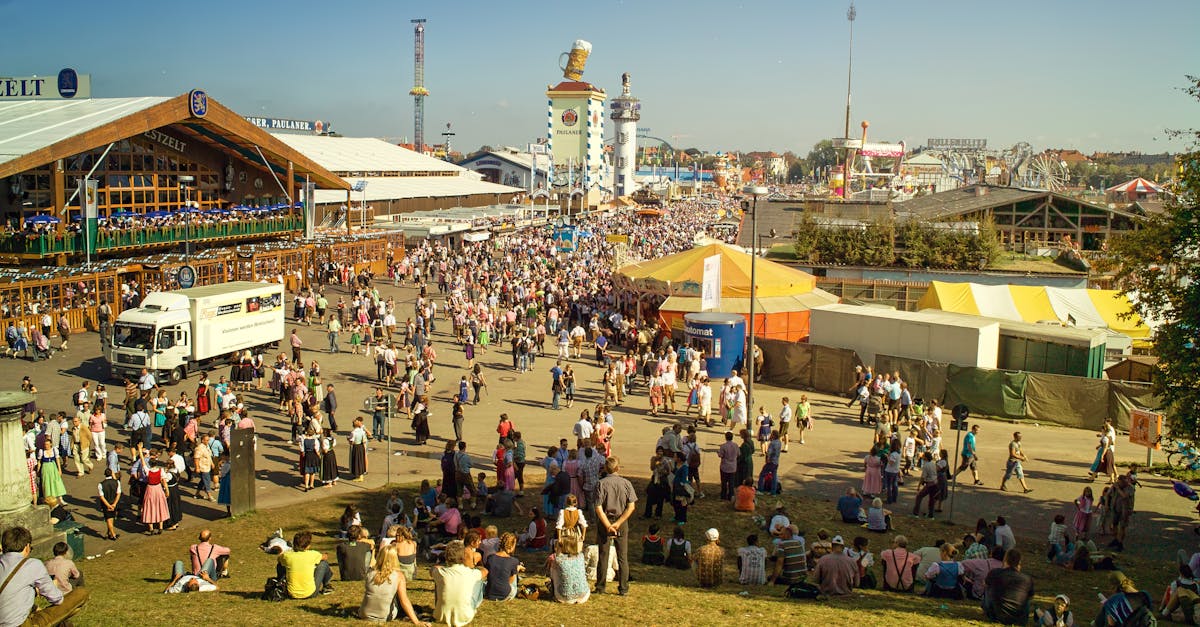
Germany customs and culture are rich and diverse, deeply ingrained in the nation’s daily life. One of the most famous celebrations is Oktoberfest, held annually in Munich. This festival not only highlights the country’s love for beer but also features traditional attire like lederhosen for men and dirndl for women. Oktoberfest attracts millions from around the world, showcasing Bavarian culture at its finest.
Unique Customs
- Advent Calendars: Used to count down the days to Christmas, these calendars are a beloved tradition among German families.
- Polterabend: A pre-wedding custom where guests break porcelain to bring good luck to the couple.
Regional Traditions
Each region in Germany has its own unique customs:
- In Bavaria, you’ll find Maibaumaufstellen, where communities erect and decorate a Maypole.
- The Rhineland celebrates Karneval, featuring parades and elaborate costumes.
- In the Black Forest, people observe Schwarzwalder Kirschtorte (Black Forest Cake) traditions during local festivals.
Local festivals play a crucial role in preserving cultural identity. They bring communities together, celebrating shared heritage and fostering a sense of belonging. These events provide opportunities to experience firsthand the diverse tapestry of Germany customs and culture that make each region unique.
4. A Day in the Life: Daily Living, Transportation, and Urban Lifestyle in Germany
Daily living in Germany is vibrant and diverse. Mornings often start with a hearty breakfast including bread, cold cuts, and cheese. Outdoor activities are an integral part of daily routines. Many Germans enjoy hiking and cycling, taking advantage of the country’s beautiful landscapes.
Public transportation system is another highlight of life in urban areas. Cities like Berlin and Munich boast efficient networks of buses, trams, and trains. This makes commuting straightforward and environmentally friendly. Walking or biking is highly encouraged for short distances.
In urban areas, residents often visit local markets for fresh produce. Cafés are popular spots for socializing over coffee and cake. Tradition and day to day in Germany blend seamlessly; many people still observe customs such as afternoon tea or ‘Kaffee und Kuchen’ time.
Key Points:
- Outdoor Pursuits: Hiking and cycling are common recreational activities.
- Efficient Transportation: Buses, trams, and trains offer reliable options.
- Eco-Friendly Commutes: Walking and biking are encouraged in cities.
Understanding these aspects of daily living can help renters appreciate the unique rhythm of life in Germany. The balance between tradition and modernity enriches the experience of residing here.
5. Exploring the Culinary Culture: From Traditional Cuisine to Beer Purity Law
German cuisine is a hearty and diverse blend of flavors that reflects the country’s rich history and regional variations. Staples like bread, potatoes, and sausages form the backbone of many meals. Bread holds a special place in German culture, with over 300 varieties available, ranging from dense rye loaves to lighter wheat breads. Potatoes feature prominently in dishes like Kartoffelsalat (potato salad) and Bratkartoffeln (fried potatoes).
Sausages, or Wurst, are another cornerstone of German cuisine. There are numerous types, including:
- Bratwurst: A fresh sausage typically grilled.
- Weißwurst: A white sausage from Bavaria, often eaten with pretzels and sweet mustard.
- Currywurst: Sausage served with a distinctive curry ketchup sauce.
Regional specialties add further depth — in Bavaria you’ll find Schweinshaxe (roasted pork knuckle), while the Rhineland is known for Sauerbraten (marinated pot roast). For a closer look at what’s on the plate across the country, our guide to Germany’s food culture and best dishes explores the regional diversity in detail.
Beer culture is an integral part of daily life in Germany, governed by the historic Reinheitsgebot, or Beer Purity Law. Established in 1516, this law mandates that beer can only contain four ingredients: water, barley, hops, and yeast. This emphasis on quality ingredients ensures that German beer maintains high standards.
“Good food is the foundation of genuine happiness.” – Auguste Escoffier
Transitioning from traditional foods to beverages offers insight into how deeply ingrained these elements are in German culture. Whether enjoying a hearty meal or sipping a well-crafted beer, you’re participating in traditions that have been cherished for centuries.
6. Navigating Social Etiquette, Communication Styles, and Education System in Germany
Understanding social etiquette in Germany is essential for blending in smoothly. Germans are known for their direct communication style. They value clarity and precision, speaking their minds respectfully. Privacy is another cornerstone; personal matters remain private, and people respect each other’s space.
Formality plays a significant role in social interactions. Titles are used frequently, and it’s common to address others with “Herr” or “Frau” followed by their last name. This formality extends to punctuality—it’s crucial to be on time for appointments and social gatherings.
The education system in Germany is robust and designed to promote critical thinking from an early age. Children start school around six years old and progress through a structured system that includes primary, secondary, and higher education levels. Schools emphasize critical thinking, creativity, and practical skills.
Key Points:
- Direct Communication: Clear and respectful.
- Privacy: Valued highly; personal matters remain private.
- Formality: Titles used in social interactions; importance of punctuality.
Education System Highlights:
- Early Start: Children begin school at six.
- Structured Levels: Primary, secondary, higher education.
- Focus Areas: Critical thinking, creativity, practical skills.
Embracing these aspects of German culture will help you navigate daily life effectively while respecting local customs and traditions.
Embracing Your New Life In Germany: Final Thoughts For Renters
Living in Germany offers a unique blend of rich traditions and modern conveniences. Embracing Germany culture can greatly enhance your experience, making your new environment feel like home.
Tips for adapting to life in Germany:
- Immerse yourself: Participate in local events and traditions to gain deeper insights into life in Germany.
- Respect the customs: Understanding and respecting facts about Germany culture helps build harmonious relationships with neighbors.
- Explore properties: Take the opportunity to explore available rental options that suit your lifestyle needs.
Living in Germany offers a unique blend of rich traditions and modern conveniences. Immerse yourself in local events, respect the customs, and take the time to understand the cultural rhythms that shape daily life here. For those considering a longer stay, studying in Germany is one pathway that many expats use to put down roots — and Uniplaces can help you find the right accommodation across the country’s major cities.