
Introduction
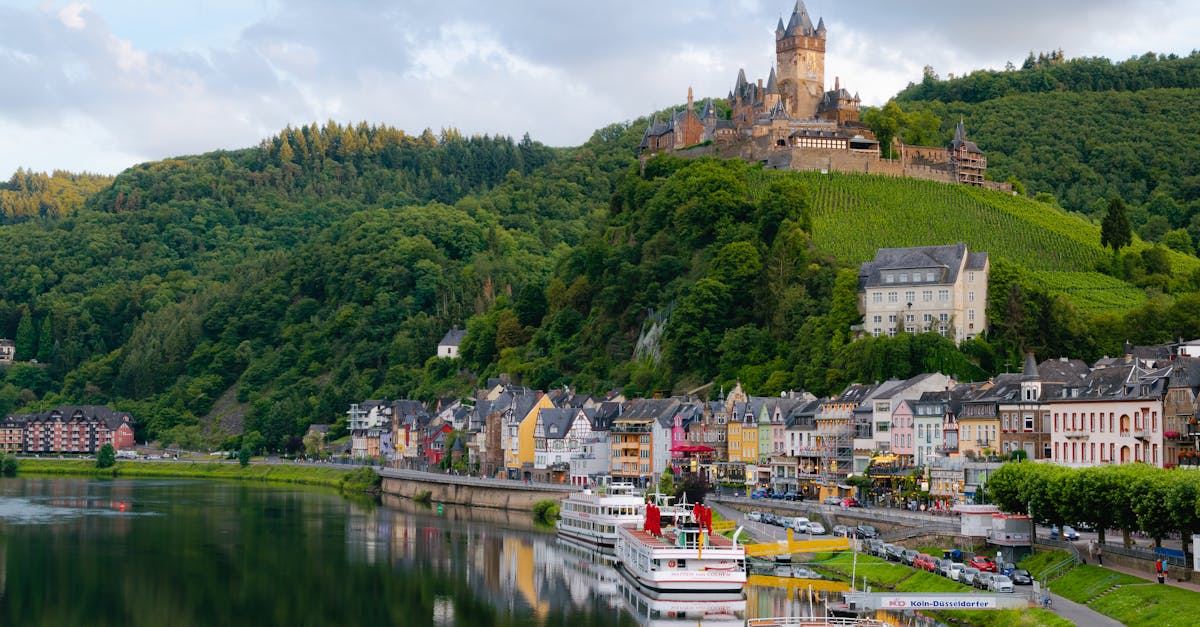
Germany is a country of stunning landscapes and rich cultural heritage. From the Central German Uplands to the Southern German Alps, and the North German Plain, each region offers a distinct experience shaped by centuries of history and tradition.
- Geographical Features: Mountains, hills, plains, and extensive river systems like the Rhine, Elbe, and Danube
- Cultural Diversity: Historical evolution has shaped Germany into a mosaic of traditions and practices
The diverse geography influences where people choose to live — those preferring urban excitement might opt for cities along major rivers or in the North German Plain, while nature enthusiasts are often drawn to the Central German Uplands or Southern German Alps. To understand Germany fully is to understand its people — our guide to German traditions and daily life adds depth to every site you visit.
Exploring the Diverse Landscapes of Germany
The landscapes of Germany are a treasure trove for nature lovers and adventure seekers. From the rugged mountains to serene river valleys, each region offers something unique. This geographical diversity shapes lifestyle choices and provides countless opportunities for exploration.
Major Geographical Features
1. Central German Uplands
This area is known for its rolling hills, dense forests, and charming villages. It’s a haven for hikers and those seeking tranquility.
2. Southern German Alps
Home to Bavaria’s picturesque lakes and snow-capped peaks, this region is famous for its breathtaking views and outdoor sports. Skiing, mountaineering, and lake activities are popular here.
3. North German Plain
Stretching from the Netherlands to Poland, this flat landscape includes fertile farmlands and sprawling cities. The North Sea coastline adds a maritime charm with sandy beaches and bustling ports.
4. River Systems
- Rhine: Flowing through key cities like Cologne and Düsseldorf, the Rhine River is vital for commerce and tourism. Its scenic valley is dotted with castles and vineyards.
- Elbe: Running through Dresden and Hamburg, the Elbe River plays a crucial role in transportation. Its banks feature historic towns and lush landscapes.
- Danube: Starting in the Black Forest, the Danube River flows southeastwards into Austria. It passes through several picturesque regions before leaving Germany.
Influence on Lifestyle Choices
The diverse geography influences where people choose to live:
- Those preferring urban excitement might opt for cities along major rivers or in the North German Plain.
- Nature enthusiasts might be drawn to the Central German Uplands or Southern German Alps for their rich natural beauty.
Germany offers an array of places to see, from bustling metropolises to serene countryside locales. This variety ensures there’s something for everyone when it comes to sightseeing in Germany.
Exploring the Rich Cultural Heritage of Germany
Germany has a diverse and fascinating cultural heritage that has been shaped by its history. This diversity comes from centuries of influence from different ethnic groups and significant historical events. Each region in Germany has its own traditions and customs, contributing to a vibrant mix of cultural practices.
Discovering UNESCO World Heritage Sites
Germany is home to many UNESCO World Heritage Sites that showcase its deep-rooted culture. Here are some notable examples:
1. Historic Towns and Castles
Quedlinburg, a medieval town known for its well-preserved half-timbered buildings, and Neuschwanstein Castle, a fairy-tale castle nestled in the Bavarian Alps.
2. Architectural Landmarks
Cologne Cathedral, an iconic Gothic masterpiece dominating Cologne’s skyline, and Würzburg Residence, a baroque palace with stunning frescoes and an impressive staircase.
These sites offer insights into the architectural and historical significance of different periods, making them essential destinations for history enthusiasts.
Experiencing Regional Cultural Practices
Traditions in Germany vary greatly depending on the region. For example:
- In Bavaria, you might witness traditional Oktoberfest celebrations featuring lederhosen, dirndls, and hearty beers.
- The Rhineland is renowned for its lively Carnival festivities, which include parades, costumes, and street performances.
- The northern regions often celebrate their maritime heritage through festivals like Kiel Week, showcasing sailing events and activities related to the sea.
Each area’s unique customs add depth to the cultural tapestry of Germany, offering travelers diverse experiences throughout the country.
These aspects highlight the intricate nature of German culture, making it one of the top 10 sites in Germany worth exploring for any cultural enthusiast.
Must-See Tourist Destinations in Germany
Exploring the tourist attractions in Germany can be an adventure of a lifetime. Some cities stand out due to their unique charm and vibrant culture.
1. Berlin
Berlin, the capital, is a top Germany attraction. Known for its historical significance and modern flair, the city offers landmarks like the Brandenburg Gate and the Berlin Wall. It’s a hub for art, music, and nightlife.
2. Munich
Munich is another must-see sight in Germany. Renowned for its Oktoberfest, this city blends traditional Bavarian culture with contemporary vibes. Iconic spots include Marienplatz and the Nymphenburg Palace.
3. Hamburg
Hamburg’s maritime spirit makes it a unique tourist destination in Germany. Its bustling port, historic Speicherstadt district, and vibrant Reeperbahn nightlife are just a few highlights.
Off-the-Beaten-Path Locations
For those seeking lesser-known treasures:
- Heidelberg: Famous for its picturesque old town and romantic castle.
- Rothenburg ob der Tauber: A well-preserved medieval town that feels like stepping back in time.
- Görlitz: Known for its stunning architecture and as a filming location for many movies.
Each of these must-see sights in Germany offers something special, making them worthy additions to any travel itinerary. Whether you’re drawn by cultural diversity or natural beauty, these destinations cater to various interests and preferences.
The Influence of Geography and Culture on Renters’ Preferences
Renters’ preferences in Germany vary widely due to the country’s diverse geography and rich cultural heritage. These elements influence lifestyle choices between urban and rural settings.
Urban vs Rural Settlements
- Urban Living: Cities like Berlin, Munich, and Hamburg attract renters with their vibrant cultural scenes, job opportunities, and modern amenities. Berlin’s artistic neighborhoods, Munich’s blend of tradition and innovation, and Hamburg’s maritime charm make these cities appealing to many.
- Rural Charm: On the other hand, regions like Bavaria with its picturesque lakes and mountains offer a quieter lifestyle. The North German Plain provides vast open spaces and a serene environment, perfect for those seeking peace away from bustling city life.
Trending Areas Influenced by Natural Beauty or Cultural Vibrancy
- Natural Beauty: Areas near the Rhine River or the Southern German Alps are trending among nature lovers. These regions provide stunning landscapes for outdoor activities such as hiking, skiing, and boating.
- Cultural Vibrancy: Towns with historical significance, like Heidelberg with its famous castle or Dresden known for its baroque architecture, attract renters interested in rich cultural experiences.
Renters’ choices reflect a desire to balance natural beauty with cultural vibrancy, making Germany an appealing destination for diverse lifestyle preferences.
Conclusion: A Complete Experience Awaits You in Germany!
Germany’s diverse geography and rich cultural heritage offer a unique blend of experiences — from the Central German Uplands to the Southern German Alps, from the bustling streets of Berlin to the serene landscapes of Bavaria. Whether you’re visiting for a short trip or planning a longer stay, Uniplaces lists accommodation across Germany’s major cities to help you find the right base.