vienna

你好, vienna

Art and culture are embedded in the soul of Vienna: imperial splendour, world-class museums, opera and classical music heritage. Modernist legacy and a cosmopolitan flair add delicious contrast to the old-world charm. Walk down the parks and grand palace-lined Ringstrasse, experience the centuries-old cafe tradition and admire the astonishing architecture of a buzzing modern capital filled with history.

vienna做什么?

有很多事情要做和看

显示更多

Schönbrunn Palace

A visit to Vienna’s most famous palace is a must for art lovers. The Baroque building structures have been preserved with “Viennese Charm" and host the 1,441 rooms that were once inhabited by the imperial family. You can still admire 40 of them on the guided tours today. Explore the architectural treasures of the Palace Gardens, such as the Palm House and the oldest zoo in the world, built in 1752 by Emperor Franz I. Naturally, the gardens are best visited in the warmer months.

Hofburg Imperial Palace

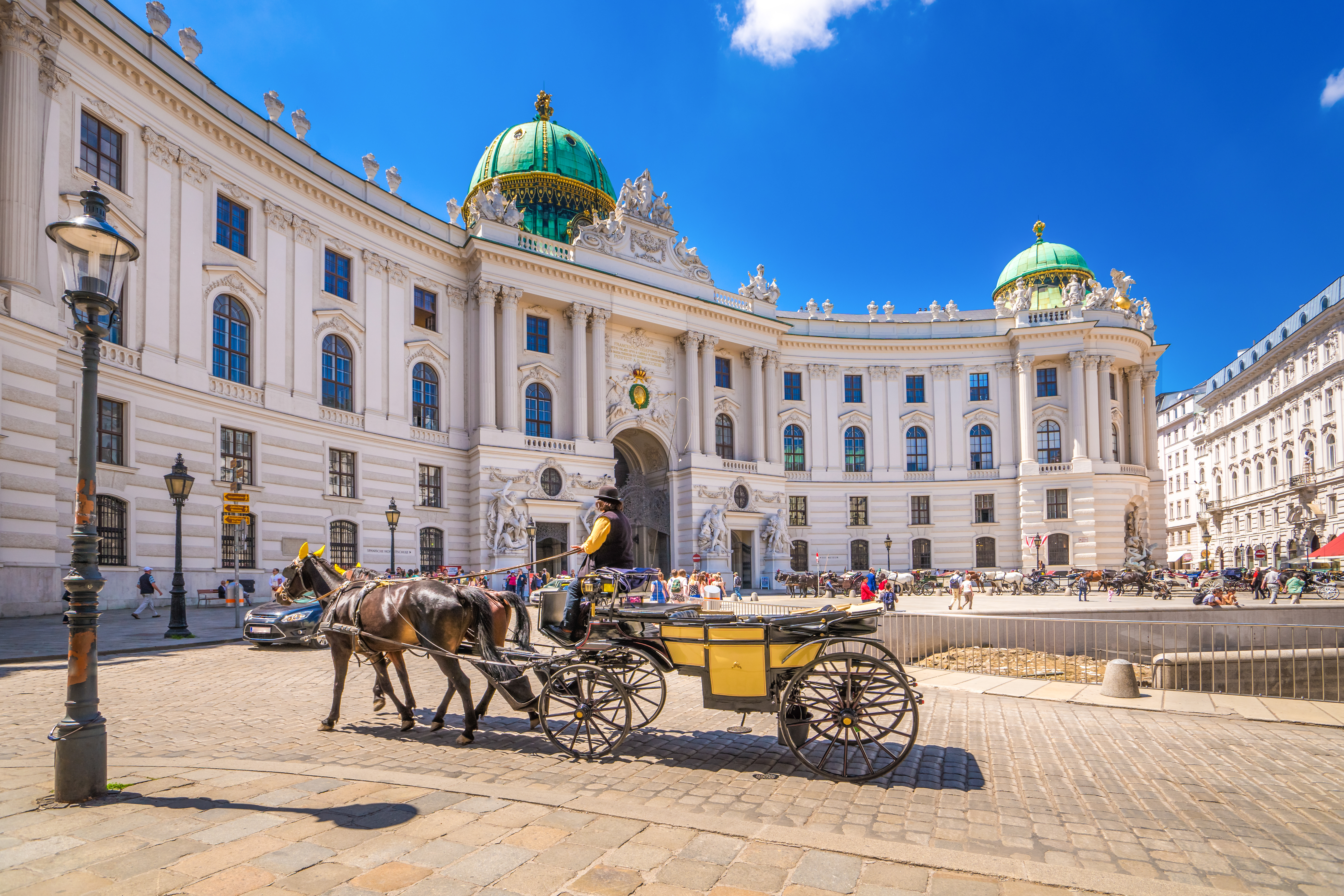
The Imperial Palace was the residence of the Habsburg emperor until 1918. From the 13th century until just before the end of the monarchy, the area was fitted out in imperial splendour within its present-day size. The original Gothic building around today’s Schweizerhof was extended on a continuous basis, resulting in an extensive building complex formed of different sections, which contributes an essential character to the appearance of Vienna's Old City. Europe’s largest imperial cultural complex today houses more than two dozen collections of international standing, including the Austrian National Library, the Imperial Treasury, the Imperial Apartments and the Sisi Museum, as well as the Spanish Riding School.

MAK — Austrian Museum of Applied Arts

The MAK Austrian Museum of Applied Arts is unique in its ability to represent the history and significance of the Wiener Werkstätte — a productive association that pioneered modern design, and whose influence can be seen in later styles such as Bauhaus and Art Deco. The archive comprises, among others, about 16,000 design drawings and about 20,000 fabric samples. One of the highlights of the MAK’s collection is Gustav Klimt’s nine-part working drawings for the mosaic frieze in the dining room of the Palais Stoclet in Brussels. After a restoration process that took several years, this has again been on permanent display in the MAK since 2012.

Secession

Featuring a golden dome decorated with laurel leaves, this Art Nouveau exhibition building was constructed in 1897/98 by Joseph Maria Olbriach, a student of Otto Wagner, and is one of the most famous structures in Vienna. The Beethoven Frieze created by Gustav Klimt in 1902 is on permanent display on the lower level. Changing exhibitions featuring contemporary art are held on the entrance level.