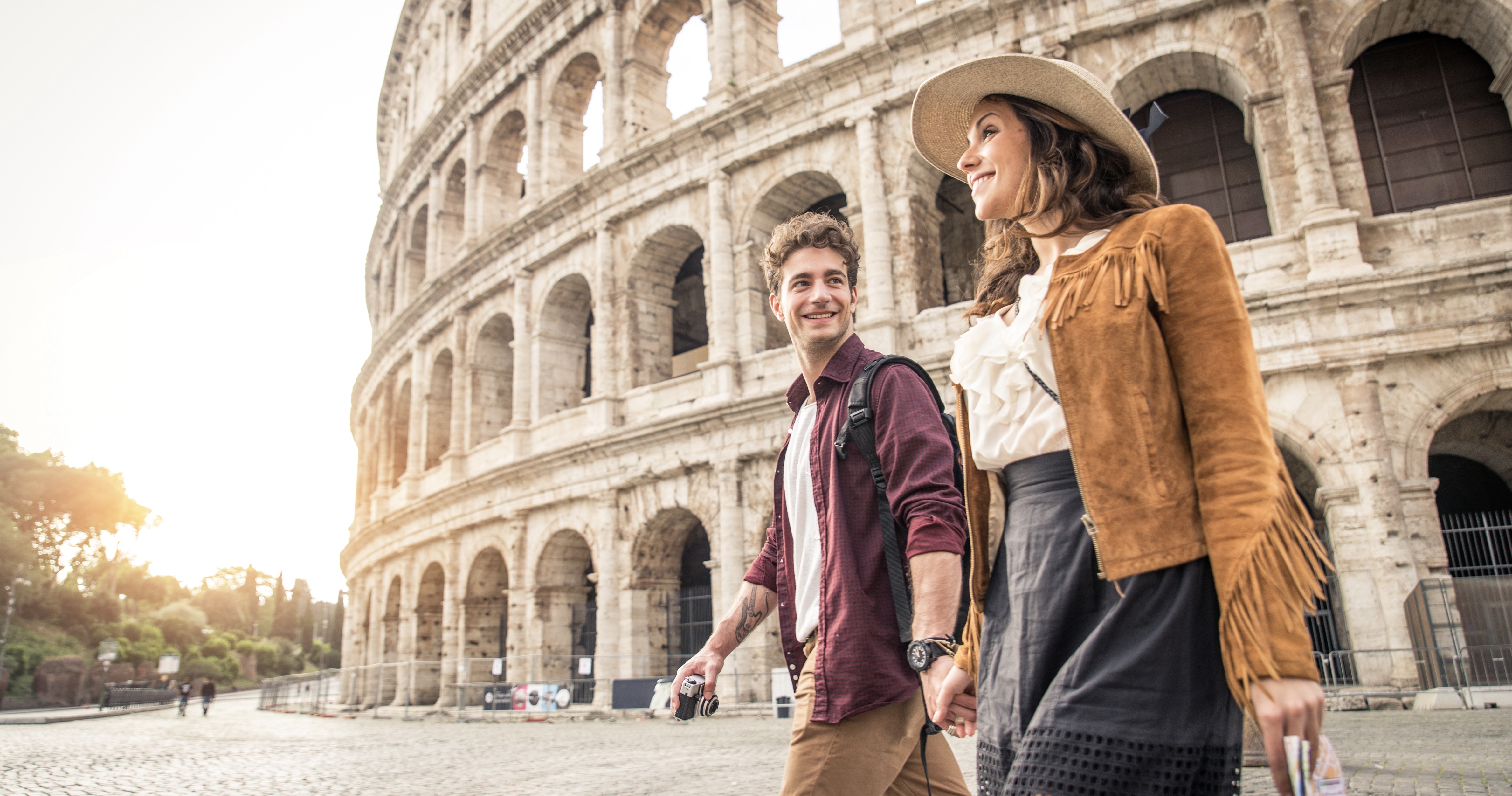
Informacje o mieście
Podstawowe informacje o mieście
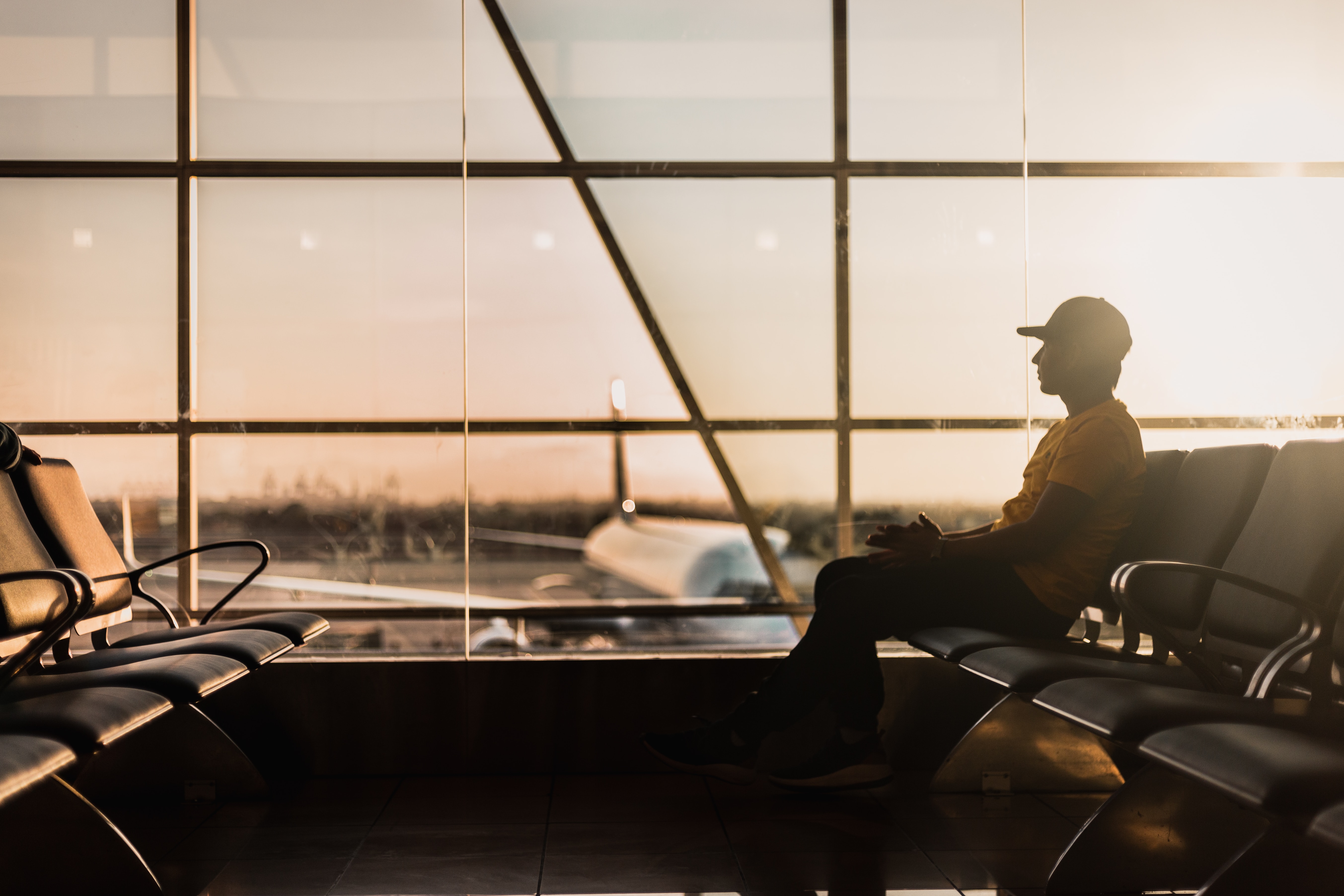
Fiumicino International Airport (FCO)
Rome’s main airport, Leonardo da Vinci (FCO), is located in Fiumicino, 30 km from central Rome, roughly a 30–40 minute drive depending on traffic. One of the most convenient ways to reach town is the non‑stop Leonardo Express train from the airport station to Roma Termini, which takes 32 minutes and runs every 15–30 minutes. A cheaper alternative is the regional train (FL1) to stations like Trastevere, Ostiense or Tiburtina, useful if your accommodation is outside the historic centre (ticket fares are lower, but you may need a connecting ride). For budget travellers, shuttle‑bus services such as Terravision or similar companies link FCO with central Rome in around 50–70 minutes, depending on traffic.
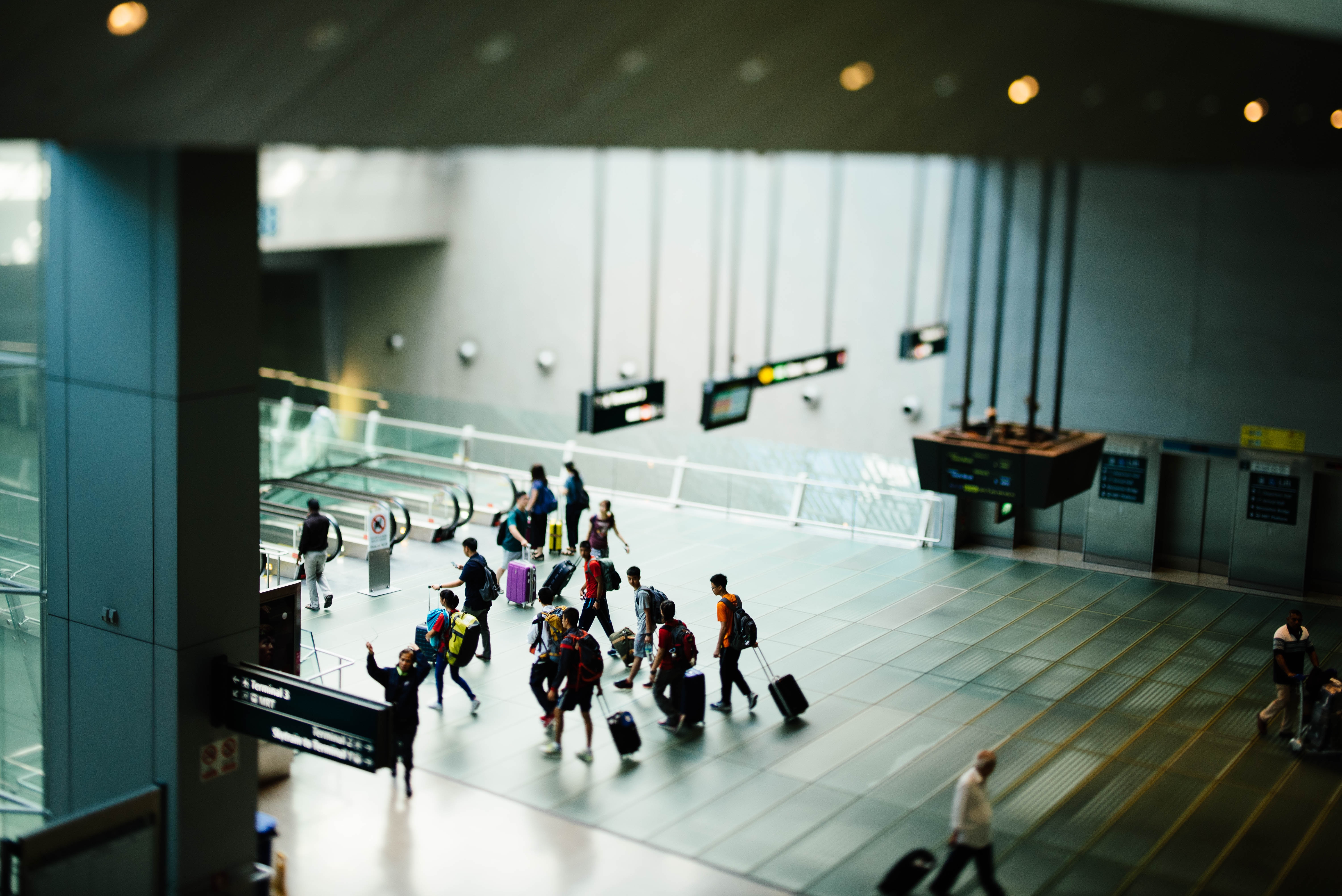
Ciampino Airport (CIA)
The city’s second airport, Ciampino (CIA), is situated 12km southeast of central Rome and is mainly served by low-cost and charter airlines. Some of these airlines have their own buses. The regular buses depart from the nearby underground station, Anagnina. A taxi ride from the airport and central Rome takes 20 minutes.
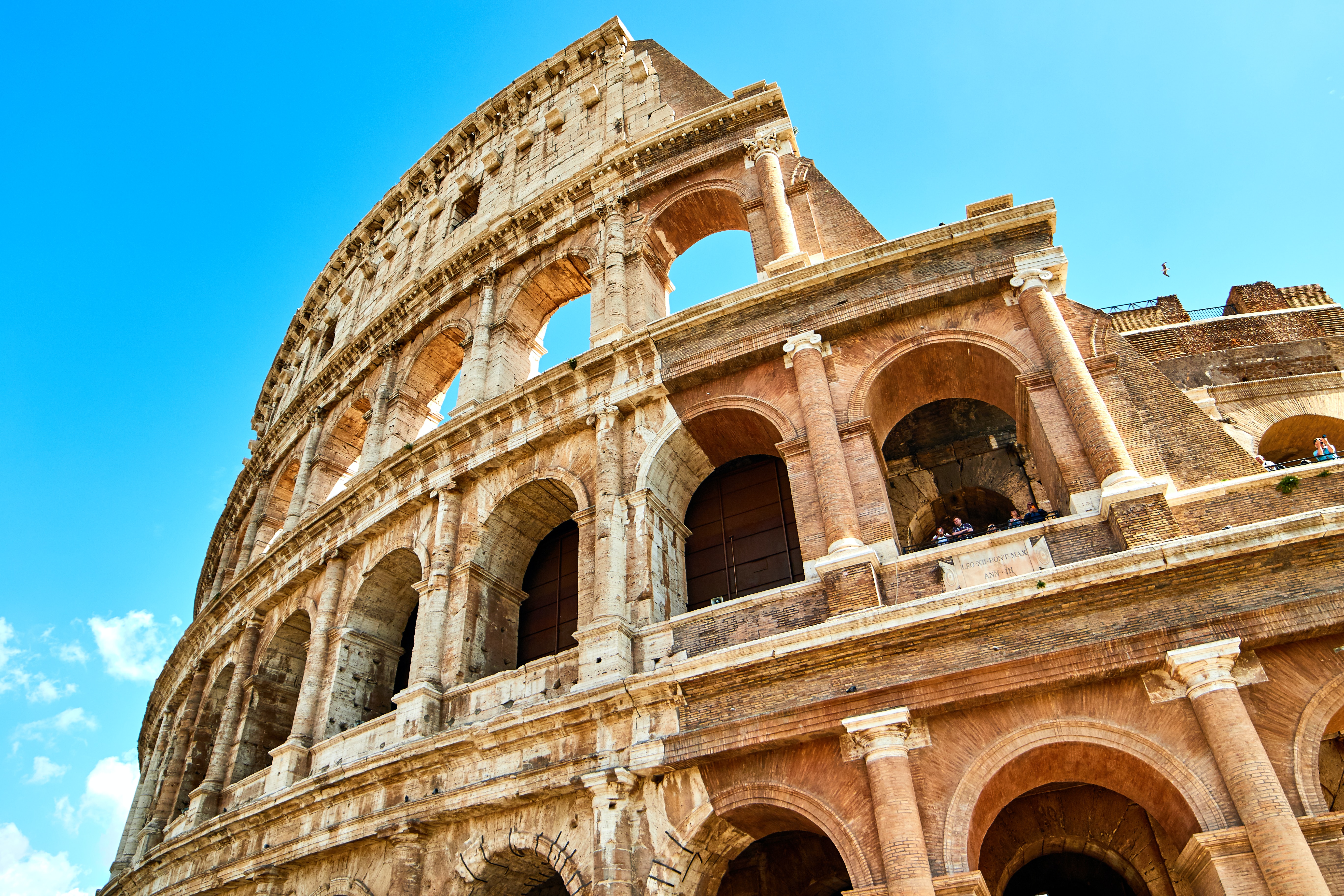
Best Time to Visit
Rome is a great city to visit year-round, though the experience varies by season. Summer (June–August) brings hot weather and large crowds, with outdoor concerts, open-air film screenings, and Ferragosto celebrations on 15 August, when many locals leave the city. Spring (March–May) and autumn (September–November) are quieter, with milder temperatures, blooming gardens, wine and food festivals, and events like the Rome Film Festival in October. Winter (December–February) is cooler and less crowded, but festive lights, Christmas markets in Piazza Navona, and New Year’s Eve fireworks at Circo Massimo create a memorable atmosphere. For fewer tourists and lower accommodation costs, October to April is generally the best period to visit.
Frequently Asked Questions about Rome (FAQs)
Is Rome a safe place to visit? Despite being a major European capital and one of the most visited cities in the world, Rome is a fairly safe city for travellers. However, as with most main tourist destinations, pickpocketing and scams are the biggest concerns here. So be careful with your belongings when taking public transport and around the city's main attractions, and avoid canvassers. Is Rome expensive? Yes, Rome is quite an expensive city to visit but slightly cheaper than other European destinations, such as London and Paris, especially when it comes to accommodation. As of today, the average cost per traveller in Rome is between €80-130 per day. Does Rome have Uber? Yes, the Uber app does work in Rome, and it is totally legal to take one, despite what a few taxi drivers may tell you. However, because there is no UberX or UberPOOL and only Uber Black, Uber Van, and Uber Lux, fares do tend to be higher. For more information on how to get around in Rome, read our sections on Taxi and Public Transport.
Passport & Visa
Citizens of European Union (EU) and European Economic Area (EEA) countries do not need a visa to enter Italy, only a valid ID. Many other countries, including the United Kingdom, United States, Canada, United Arab Emirates, Australia, and New Zealand, benefit from visa-free entry for short stays of up to 90 days within a 180-day period. Visitors from visa-exempt countries must hold a valid passport and, starting in late 2025, will need to apply for an ETIAS (European Travel Information and Authorisation System) authorisation online before travelling. For those requiring a visa, such as travellers from some Middle-East, African or Asian nations, a Schengen visa must be obtained prior to arrival. All travellers should ensure their passport is valid for at least three months beyond their intended stay.
Public Transport
Getting around Rome is straightforward and affordable using public transport, though much of the historic centre is compact enough to explore on foot. The network includes three metro lines (A, B and C), buses, trams and urban/regional rail, all run by ATAC. Tickets and passes, from 24‑hour to weekly, are available at machines, newsagents and ATAC offices. The metro runs until around 23:30 (later on weekends), while night buses (marked “N”) cover key routes after hours. For information on fares, routes and timetables, visit ATAC's official website.
Taxi
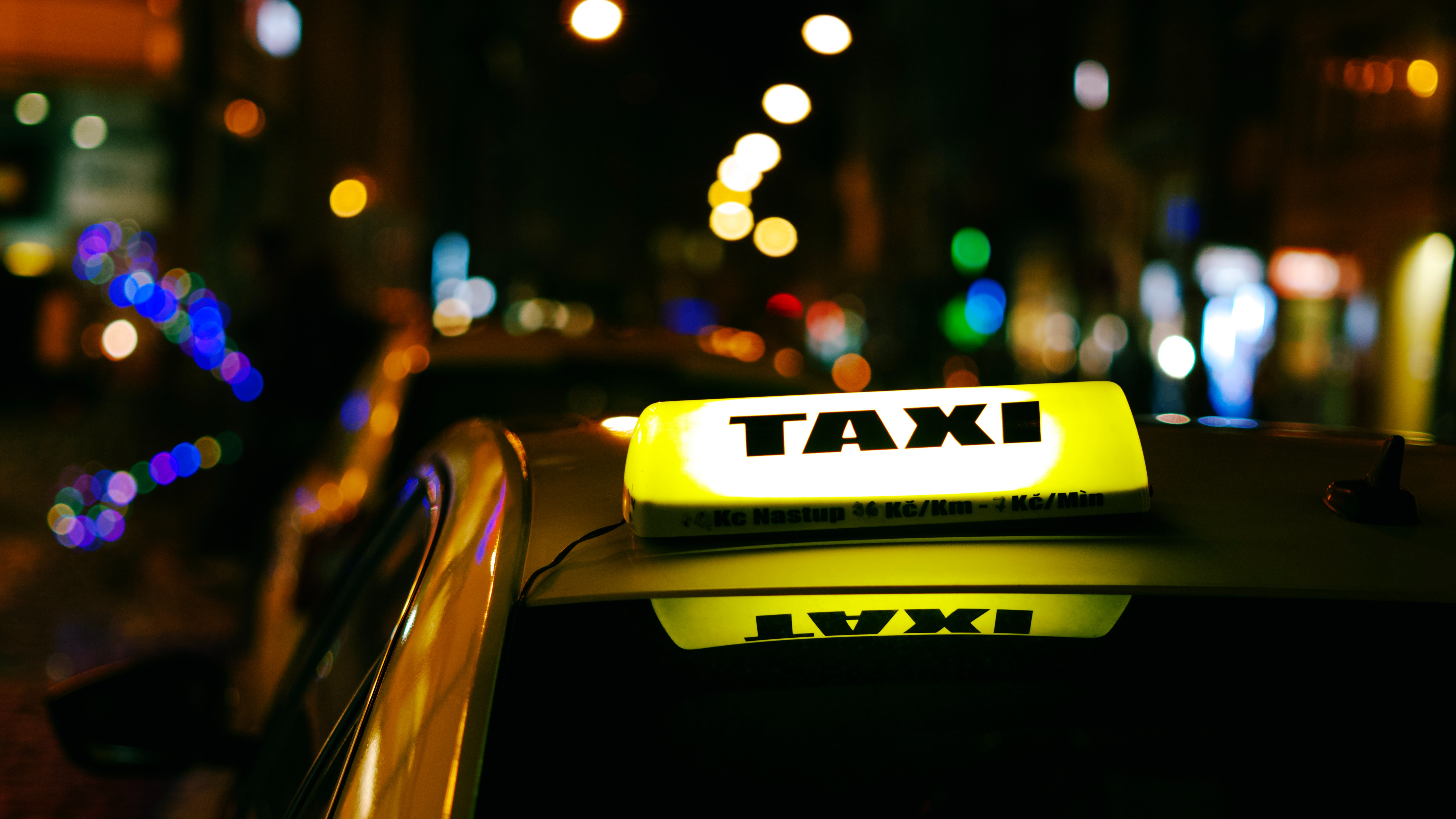
Official taxis in Rome are all white, with a “TAXI” sign on the roof and the City of Rome emblem plus licence number clearly displayed. You’ll find them at taxi stands near major squares, train stations, and tourist sites; street‑hailing is possible but less common, so using a stand or booking ahead is usually more reliable. App-based booking services like FreeNow and IT Taxi connect you with licensed taxis, while Uber operates only through premium or taxi-based services.

Post
Post offices in Rome are usually open from 9am to 2:30pm, from Monday to Friday and between 9:30am–1pm on Saturdays. Stamps can be bought at tobacconists that either carry a blue and white "Tabacchi" sign or are simply marked by the ”T” sign.

Pharmacy
Pharmacies in Rome are easy to spot by their green cross and the word “Farmacia” on the frontage. Many are open during regular business hours, with some larger or central pharmacies operating 24 hours. Keep in mind that prescriptions from abroad may not always be accepted, so it helps to know the generic name of any essential medication.

Telephone
Country code +39 Rome area code: 06 (also dialled in Rome) If you call Italy from abroad, you must always dial zero in the area code (do not omit it as is the general practice when making international telephone calls), e.g. +39 06 + the number.
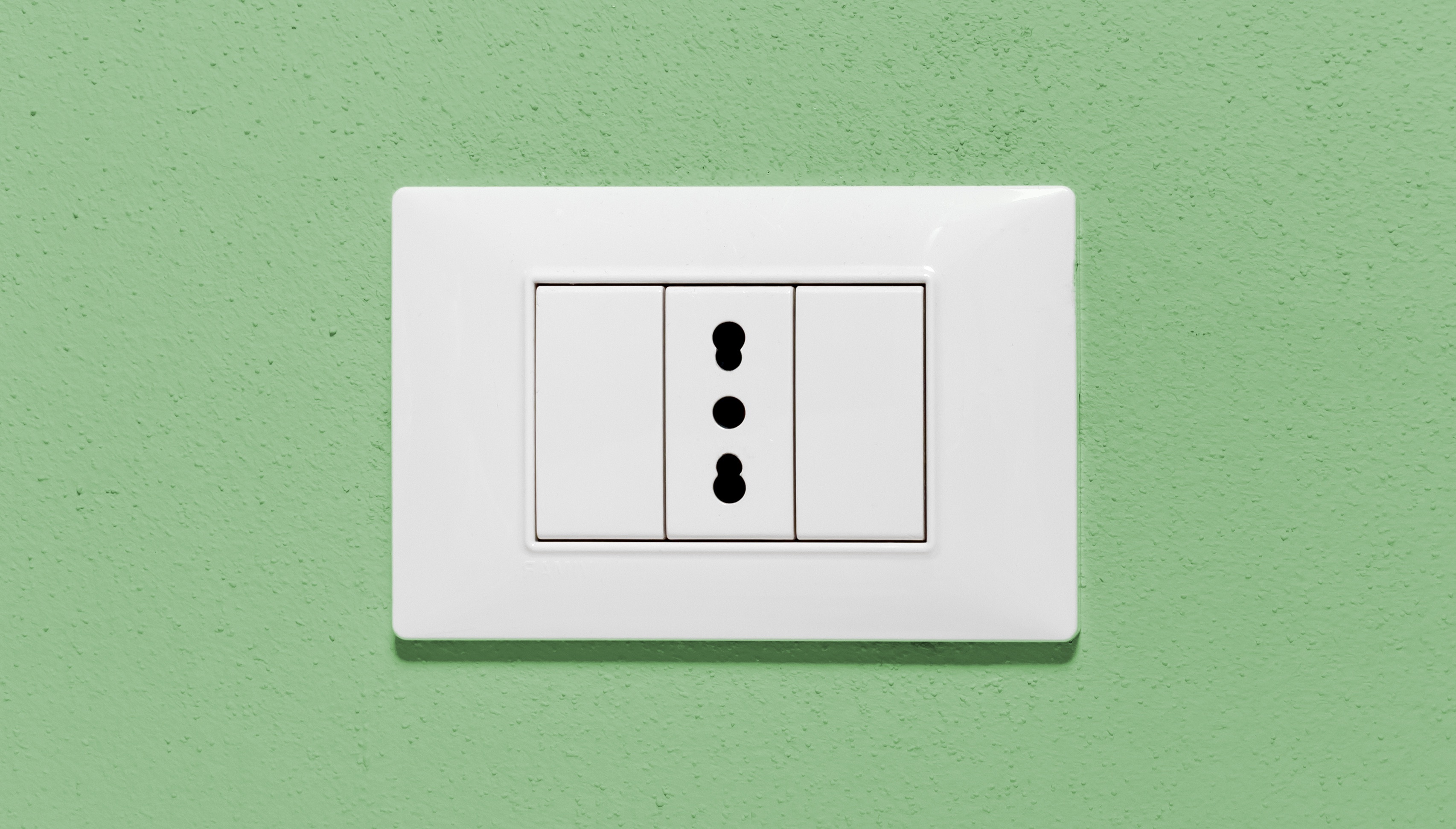
Electricity
Italy uses the Type F electrical sockets with two round holes, the same as in many countries in Continental Europe. You will also encounter Type L sockets with three round holes arranged in a line. A “universal“ socket, that accepts Type C, E, F and L plugs, is commonly used in Italy. The standard voltage is 230 volts, but some hotels have special plugs for 110 or 120-volt shavers.
Mieszkaj tam, gdzie chcesz
Przeglądaj według typu nieruchomości

Piękny apartament w pobliżu San Giovanni

Pokój wieloosobowy, z balkonem, w 4 pokojowe mieszkanie

Pokój jednoosobowy, z balkonem, w 3 pokojowe mieszkanie

Przyjemny pokój jednoosobowy blisko Parco di Torre Fiscale

Rezydencja

Pokój z podwójnym łóżkiem w rezydencja

1 pokojowe mieszkanie

Wspaniały pokój blisko Università degli Studi Roma Tre - Dipartimento di Scienze politiche

Pokój jednoosobowy w 4 pokojowe mieszkanie

1 pokojowe mieszkanie
Dopasuj kim jesteś
Przeglądaj według typu profilu

Studenci
Przeglądaj różne akademiki w różnych dzielnicach.

Cyfrowi nomadzi
Zmień sposób odkrywania świata, ciesz się wyjątkowymi miejscami z tętniącymi życiem społecznościami.

Profesjonaliści
Pracuj z niezawodnym Wi-Fi i doskonałymi udogodnieniami, pracuj wydajnie i pracuj jak najlepiej.

Grupy
Niezależnie od tego, czy jest to duże, czy małe, może być wyzwaniem, ale możemy Ci to ułatwić.

Rodziny
Niezależnie od tego, czy duża, czy mała rodzina może być wyzwaniem, ale możemy Ci to ułatwić.