milano

Ciao, milano

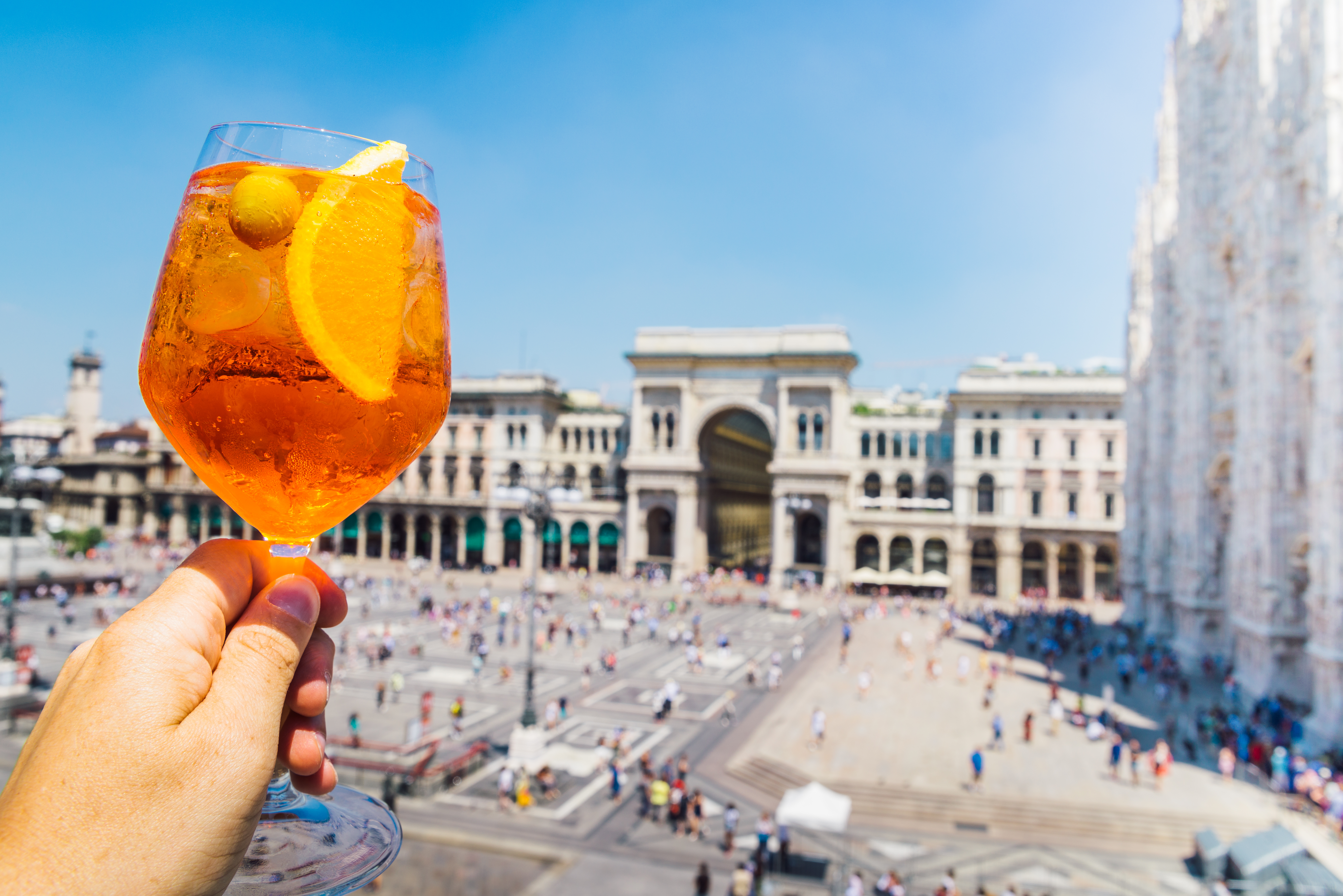
Milan is famous as one of the world’s most influential fashion capitals, so make some room in your wardrobe and get ready for a makeover. Milan is a major cultural centre in Italy, with world-class museums and galleries, the Duomo Cathedral, ancient churches, and impressive architecture of opulent Italian villas. After viewing da Vinci’s Last Supper, try Lombardi specials like ossobuco and risotto alla Milanese in one of the neighbourhood restaurants. Milan is the perfect starting point for exploring the prettiest landscapes of northern Italy.

Le migliori cose da fare a milano

Un sacco di cose da fare e da vedere

Mostra di più

Teatro alla Scala Museum

Teatro alla Scala, opened in 1778, is one of the most famous opera houses in the world. A visit to the museum grants you a sneak peek inside the theatre itself and the glamour that goes along with it. You’ll be able to visit one of its spectacular theatre boxes overlooking the stage.

The Milan Planetarium

Civico Planetario Ulrico Hoepli is the largest and oldest planetarium in Italy, offering a space where people can learn about astronomy and science. Inside the 20-metre wide dome you can watch projections of the night sky. Experts are always on hand to explain about the stars and planets. The planetarium offers a host of events and shows some of which are thematically tied to current events and pop culture such as spooky Halloween shows and lectures about the science in sci-fi films.

Il Duomo

The cathedral is the symbol of Milan. Construction began in 1386 and was not completed until 500 years later. Duomo di Milano is a late Gothic masterpiece, made even more interesting by the fact that this style can’t be seen anywhere else in Italy. Towering over the Piazza del Duomo, the marble building is marked by 135 spires and countless statues.

Castello Sforzesco

The Castello Sforzesco was built in the 15th by Francesco Sforza, Duke of Milan, on the remnants of a 14th-century fortification. Until the beginning of the 20th century it was a symbol of power and the nobility used it as their residence. Today the castle houses a wide selection of cultural sights, such as museums and exhibitions.