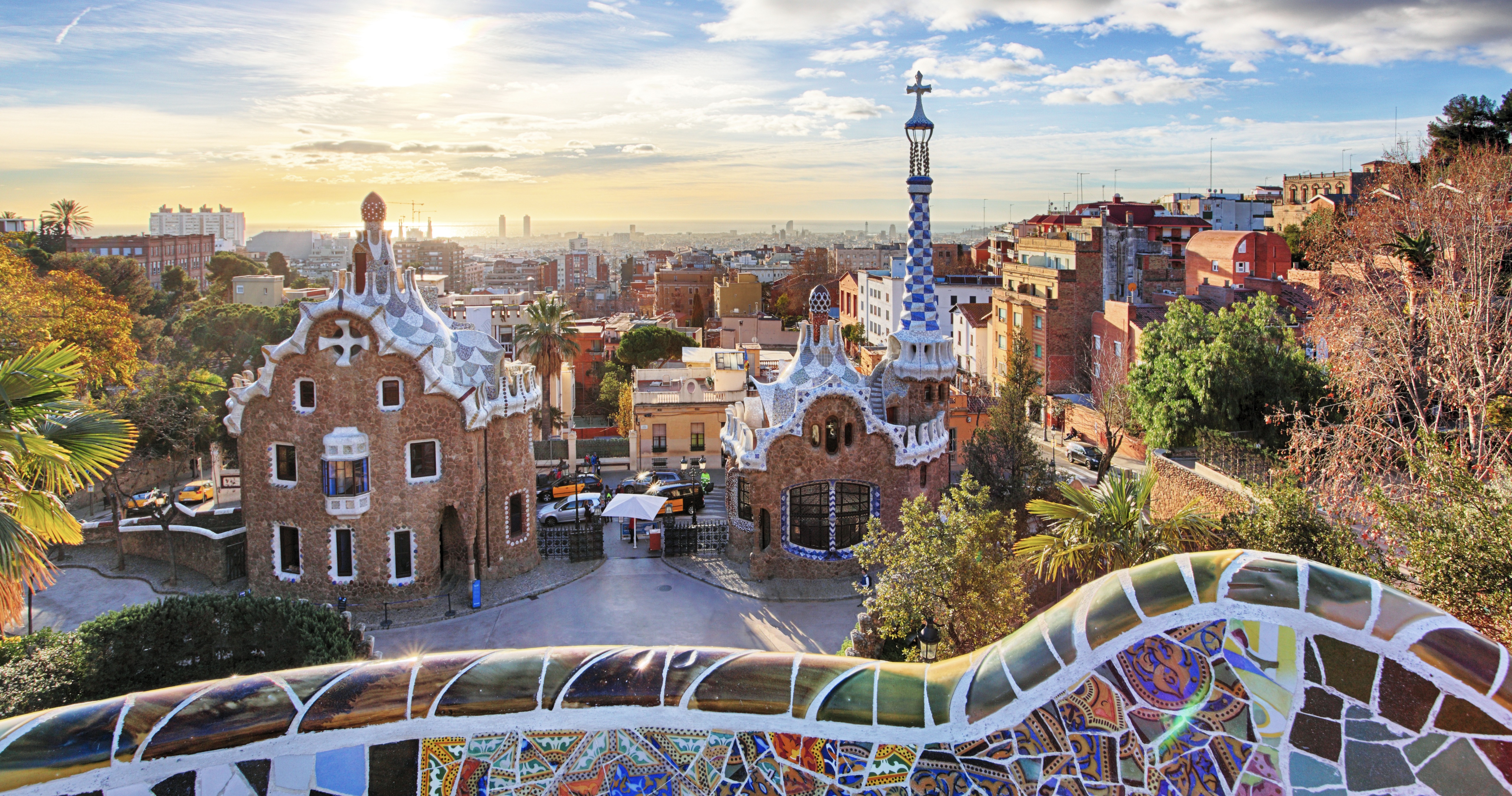
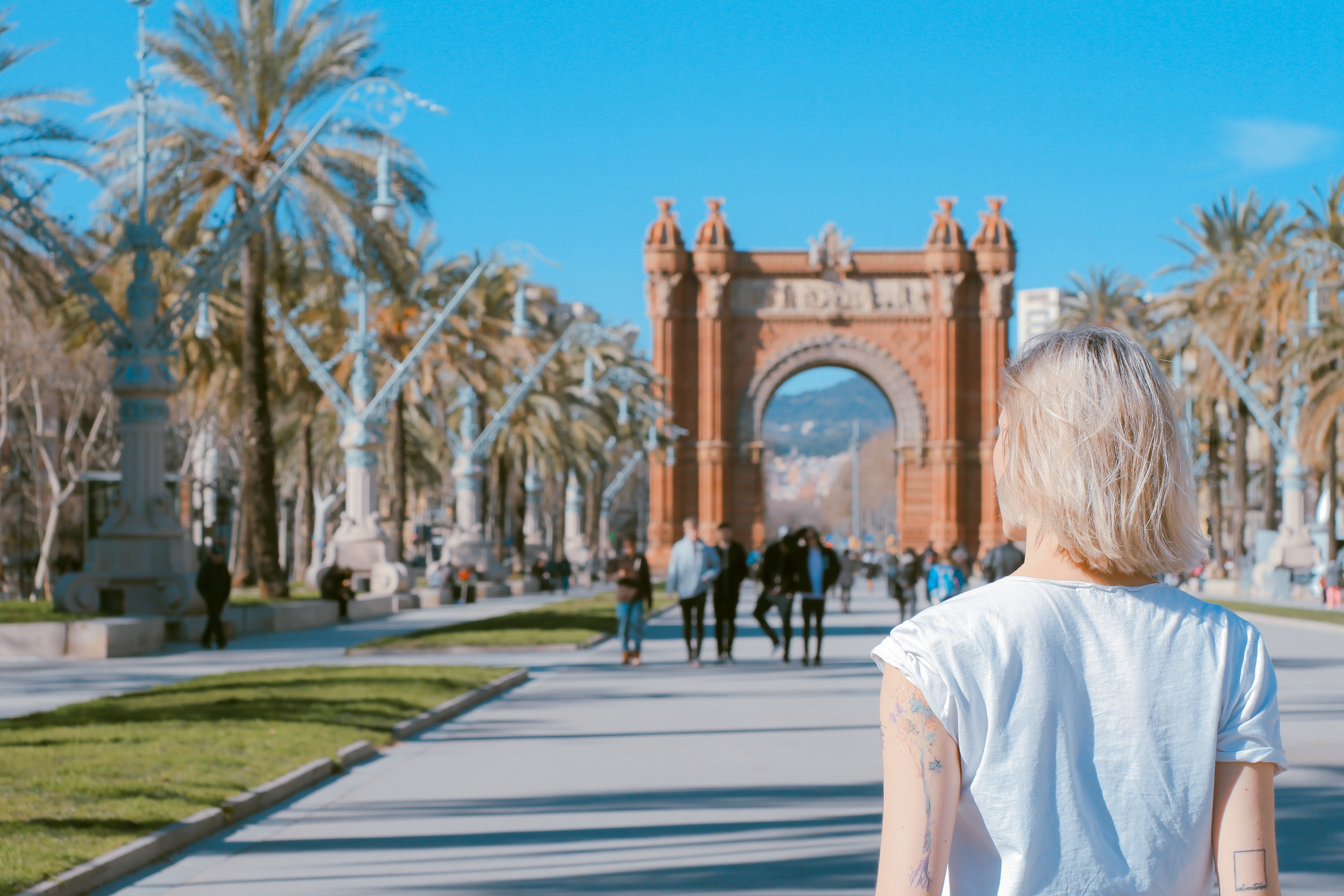
Like many cities in the Mediterranean, Barcelona has ancient Roman roots. The original settlement, Barcino, was a small but strategic port located where the city's cathedral now stands. Unlike today’s bustling metropolis, Barcino was overshadowed by Tarragona, the provincial capital of Roman Hispania.
Over the centuries, Barcelona saw invasions by Visigoths and Moors, though their lasting impact was minor compared to the transformative influence of the Franks in the late 9th century. This marked the emergence of Barcelona – and Catalonia – as a distinct entity, setting it apart from the rest of Spain.
This uniqueness is most evident in the language. While Spanish (or Castilian) features many Arabic loanwords, Catalan reflects its ties to neighbouring Romance languages like French and Occitan. Catalan is not a dialect of Spanish but a language with its own identity, spoken proudly across Catalonia.
Barcelona’s layered history is visible throughout the city. The oldest areas are clustered by the sea, including the Gothic Quarter (Barri Gòtic), a maze of medieval streets with Roman foundations. Across the famous boulevard La Rambla lies El Raval, a neighbourhood once infamous for its red-light district and the city's 'Chinatown' (Barrio Chino). In the 1980s, Raval began shedding its rough reputation and is now a hub for trendy cafés, art galleries, and eclectic culture.
Further north, the Eixample district showcases Barcelona’s 19th-century urban expansion, with its strict grid, airy boulevards, and modernist architecture, including Gaudí’s unmistakable landmarks.
From narrow alleys to wide avenues, the city moves between centuries effortlessly, its streets, buildings, and plazas carrying traces of the past while buzzing with contemporary life.Live where you want
Browse by property type

PILAR Single bedroom with private balcony, in 3-bedroom apartment
Bedroom

Appealing studio in Hostafrancs
Entire place

Private room
Bedroom

Bed in a comfy studio, in L'Hospitalet de Llobregat
Bed

Inviting studio close to The University of Barcelona
Entire place

Inviting studio in Cerdanyola del Vallès
Entire place

Bed in a welcoming shared studio, in L'Hospitalet de Llobregat
Bed

Accessible studio near Marina metro station
Entire place

Double bed in cozy studio in in Esplugues de Llobregat
Bed

Inviting double bedroom in Sants-Montjuïc
Bedroom
Match who you are
Browse by profile type

Students
Explore a variety of student accommodations across different neighbourhoods.

Digital nomads
Change the way you discover the world, enjoy unique places with vibrant communities.

Professionals
Work with reliable wifi and great amenities, stay productive, and do your best work.

Groups
Whether large or small, can be challenging but we can make it easier for you.

Families
Whether a large familie or a small one can be challenging but we can make it easier for you.