
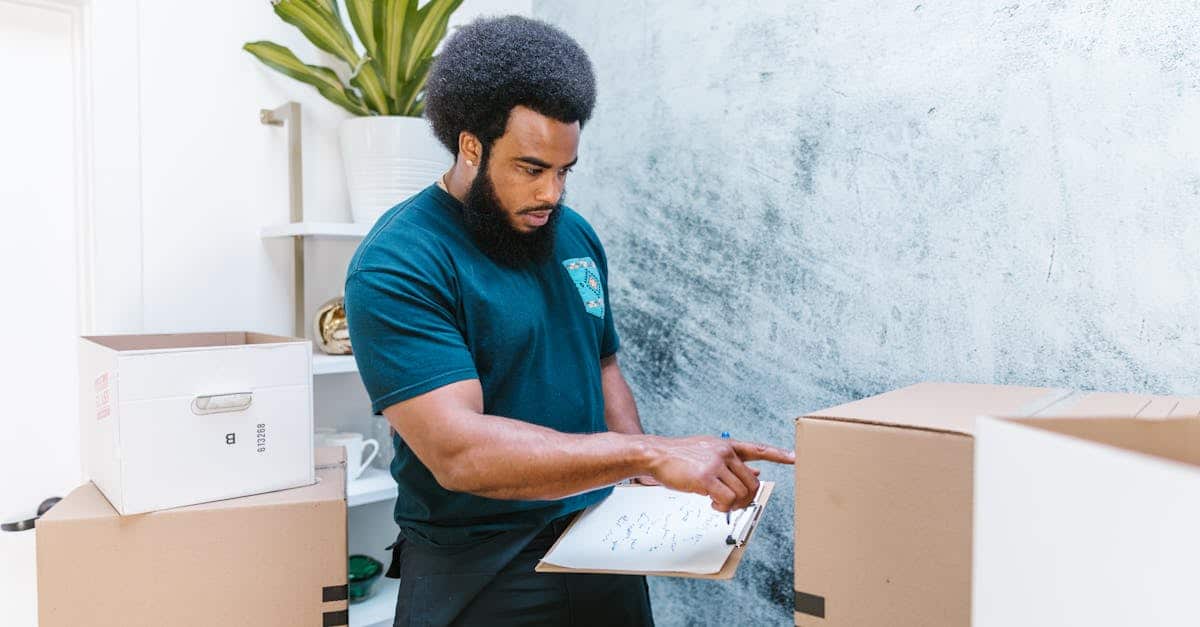
Moving abroad marks the beginning of an exciting life chapter – but it requires careful planning and organization. A well-structured moving abroad checklist becomes your roadmap to a successful relocation, helping you navigate everything from visa applications to finding your dream home in a new country.
This comprehensive expat relocation guide breaks down the essential steps you need to take before, during, and after your international move. We’ll walk you through:
- Securing the right visa and documentation
- Creating a realistic moving budget
- Finding suitable accommodation
- Setting up utilities and essential services
- Managing healthcare needs
- Shipping your belongings internationally
- Integrating into your new culture
- Preparing for emergencies
- Building your social network abroad
Whether you’re a first-time expat or an experienced globetrotter, this practical checklist ensures you don’t miss any crucial steps in your moving journey. Let’s dive into each aspect of your international relocation to make your transition as smooth as possible.
1. Visa Requirements and Essential Moving Documents
Securing the right visa is your first crucial step for a successful international move. Each country has specific visa categories designed to accommodate different purposes of stay:
Work Visas
- Employment contract or job offer letter
- Professional qualifications
- Proof of work experience
- Company sponsorship documentation
Student Visas
- University acceptance letter
- Proof of financial means
- Academic transcripts
- Language proficiency test results
Residency Visas
- Bank statements
- Police clearance certificate
- Health insurance documentation
- Proof of accommodation
Start your visa application process 3-6 months before your planned move date. Immigration offices process thousands of applications daily, with waiting times varying from weeks to several months depending on the visa type and country.
Essential Paperwork Checklist
- Valid passport with minimum 6 months validity
- Birth certificate
- Marriage certificate (if applicable)
- Medical records
- Tax documents
- Educational certificates
- Driver’s license
- Social security documentation
Create digital copies of all essential paperwork for expats and store them in a secure cloud service. Keep physical copies in a waterproof folder, and leave duplicates with a trusted family member. Many countries require certified translations of these documents – factor in time and costs for professional translation services.
2. Budgeting for Your Move and Understanding the Cost of Living Abroad
Creating a realistic budget for your international move requires careful planning and research. Here’s a comprehensive breakdown of essential expenses to consider:
Initial Moving Costs:
- International shipping and cargo fees
- Flight tickets and travel insurance
- Temporary accommodation for the first few weeks
- Security deposits for housing
- Visa application and processing fees
Monthly Living Expenses:
- Housing rent or mortgage payments
- Utilities (electricity, water, gas, internet)
- Transportation costs
- Groceries and dining
- Healthcare insurance premiums
- Phone plans and subscriptions
Hidden Costs to Consider:
- Currency exchange rates and transfer fees
- Local taxes and banking fees
- Emergency fund (3-6 months of expenses)
- Home furnishings and appliances
- Language classes or cultural integration programs
Research cost of living comparison websites to understand price differences between your current location and destination. Local expat forums provide valuable insights into real-world living costs. Consider creating a spreadsheet to track these expenses and adjust your budget based on local market conditions.
Remember to factor in salary differences and tax implications in your new country. Some destinations might offer higher salaries but also come with increased living costs. Use local job boards and salary comparison tools to gauge potential income levels in your field.
3. Finding Accommodation: Renting or Buying?
The choice between renting and buying property abroad requires careful thought about your long-term plans and financial situation. Here’s what you need to know about securing your new home:
Renting Abroad: Short-Term Benefits
- Lower initial investment
- Flexibility to relocate
- Reduced maintenance responsibilities
- Time to learn about different neighborhoods
- Protection from property market fluctuations
Buying Property: Long-Term Advantages
- Building equity in a foreign market
- Potential rental income
- Tax benefits in some countries
- Freedom to modify your space
- Fixed housing costs
Essential Steps for Property Search
- Research local property websites
- Connect with reputable real estate agents
- Join expat housing groups on social media
- Visit properties virtually through video tours
- Request detailed floor plans and photos
Tips for International Renters
- Request contracts in both local language and English
- Document property condition with photos
- Understand local tenant rights
- Verify utility connections
- Check included amenities and furnishings
Working with Local Agents
- Ask for references from previous expat clients
- Confirm licensing and credentials
- Discuss commission rates upfront
- Request market analysis for your desired area
- Get clear explanations of local property laws
Consider scheduling short-term accommodation for your first few weeks. This strategy allows in-person property viewings and helps prevent rushed decisions about your permanent housing solution.
4. Setting Up Utilities in Your New Home Country
Setting up utilities in a new country requires careful planning and research. Here’s what you need to know about getting essential services connected in your new home:
Essential Utilities Checklist:
- Electricity
- Water
- Gas
- Internet and phone services
- Waste management
- Cable/satellite TV
Research Local Providers:
- Check government websites for licensed utility companies
- Read customer reviews and service reliability ratings
- Compare prices and contract terms
- Verify coverage areas in your neighborhood
Required Documents for Setting Up Utilities:
- Valid ID or passport
- Proof of address (rental agreement/property deed)
- Bank account details
- Immigration documents
- Security deposit (amount varies by country)
Pro Tips for a Smooth Setup:
- Start the application process 2-3 weeks before your move
- Ask your landlord or real estate agent for recommended providers
- Consider bundled services for potential cost savings
- Keep records of all service agreements
- Take photos of utility meters on move-in day
- Download provider apps for easy bill management
Many countries offer online portals for setting up utilities through a single platform. Visit your destination country’s official utility services website to streamline the connection process. Remember to factor in activation fees and security deposits when budgeting for your move.
5. Health Considerations When Living Abroad: Insurance and Check-ups
Your health should be a top priority when moving to a new country. Health insurance for expats comes in several forms:
- International Health Insurance: Provides coverage across multiple countries
- Local Private Insurance: Offers coverage specific to your new country
- Public Healthcare System: Available in some countries for long-term residents
Before selecting health insurance, consider these factors:
- Coverage limits and deductibles
- Pre-existing conditions
- Prescription medication coverage
- Emergency evacuation services
- Direct billing vs. reimbursement options
A pre-move health checklist includes:
- Medical Records
- Request copies of your medical history
- Get digital copies of recent test results
- List current medications and dosages
- Vaccinations
- Check country-specific requirements
- Update routine immunizations
- Get travel-specific vaccines
- Dental and Vision
- Schedule check-ups before departure
- Get spare glasses or contact lenses
- Ask for prescription copies
Research healthcare facilities in your new location:
- Identify hospitals with English-speaking staff
- Find specialists for ongoing conditions
- Locate pharmacies near your new home
- Save emergency numbers in your phone
Living in a new country requires understanding local healthcare practices. Some countries mandate health insurance for visa approval, while others provide public healthcare access to residents.
6. Moving Your Belongings: Expat Moving Tips and Customs Regulations to Keep in Mind
The logistics of moving your belongings internationally requires careful planning and strategic decisions. Here’s what you need to consider:
Declutter and Prioritize
- Create three lists: must-take items, maybe items, and items to sell/donate
- Consider the climate of your new country when deciding on clothing and furniture
- Calculate replacement costs versus shipping expenses for each item
- Take photos of valuable items for insurance purposes
Shipping Options and Costs
- Air freight: Fast but expensive, ideal for essential items
- Sea freight: Cost-effective for larger shipments, takes 1-3 months
- Excess baggage: Practical for moderate amounts of belongings
- Door-to-door services: Convenient but pricier
Choosing a Moving Company
- Research companies with experience in your destination country
- Request detailed quotes from at least three providers
- Check reviews and ask for references from previous customers
- Verify insurance coverage for international moves
- Ensure they understand local customs regulations
Customs Regulations
- Research restricted and prohibited items in your destination
- Prepare detailed inventory lists in English and local language
- Keep original receipts for high-value items
- Check duty-free allowances and potential taxes
- Document electronics’ serial numbers
Remember to pack a separate suitcase with essential items you’ll need immediately upon arrival, including important documents, medications, and basic necessities for your first few weeks.
7. Embracing Cultural Integration as an Expat
Cultural integration goes beyond just settling into a new home – it’s about becoming part of the local community fabric when living in a new country.
Language Learning Essentials:
- Start with common greetings and everyday phrases
- Download language learning apps for practice
- Carry a pocket phrasebook for quick reference
- Practice with locals at markets, cafes, or shops
- Join language exchange meetups
Understanding Local Culture:
- Research traditional customs and celebrations
- Learn appropriate gestures and body language
- Observe local dining etiquette and social norms
- Respect religious practices and cultural values
- Participate in community events and festivals
The path to cultural integration starts with small steps. Shop at local markets instead of international stores. Try regional dishes at neighborhood restaurants. Watch local TV shows or listen to radio stations to pick up language nuances and cultural references.
Build authentic connections by showing genuine interest in local traditions. Ask respectful questions about customs you don’t understand. Share your own cultural background when appropriate, creating meaningful cross-cultural exchanges.
Remember that mistakes are natural learning opportunities. Local communities often appreciate expatriates who make sincere efforts to embrace their culture, even if those attempts aren’t perfect.
8. Emergency Preparedness: Being Ready for Any Situation as an Expat
Living in a foreign country requires strategic planning for unexpected situations. A well-thought-out emergency preparedness plan helps first-time expats handle critical situations with confidence.
Essential Emergency Contacts
- Save local emergency numbers (police, ambulance, fire department)
- Store your embassy’s contact information
- Keep digital copies of emergency contacts accessible offline
Healthcare Facilities Research
- Map out nearby hospitals and medical centers
- Identify English-speaking healthcare providers
- List 24-hour pharmacies in your neighborhood
- Save contact details for medical transportation services
Emergency Kit Essentials
- Basic first aid supplies
- Important medications and prescriptions
- Flashlight and batteries
- Cash in local currency
- Portable phone charger
- Copies of essential documents
Location-Specific Safety
- Learn your area’s natural disaster risks
- Know evacuation routes from your home
- Identify local emergency shelters
- Save offline maps of your neighborhood
Creating a detailed emergency response plan helps you stay calm during stressful situations. Share your emergency contacts and plans with family members back home and trusted local friends. Regular updates to your emergency preparedness strategy ensure you’re ready for various scenarios in your new country.
9. Networking as an Expat: Building Connections in Your New Community
Building a strong social network is essential for a successful expat relocation. Here’s how to create meaningful connections in your new home:
Online Communities
- Join Facebook groups dedicated to expats in your specific city
- Connect through platforms like InterNations or Meetup
- Participate in LinkedIn professional groups for expats
- Use apps like Bumble BFF to meet local friends
In-Person Networking
- Attend local expat meetups and social gatherings
- Join sports clubs or fitness classes
- Take language exchange classes
- Participate in community volunteer activities
- Visit local markets and neighborhood events
Professional Connections
- Network with colleagues at your workplace
- Join professional associations in your field
- Attend industry conferences and seminars
- Connect with alumni groups from your university
Cultural Integration Activities
- Sign up for cooking classes featuring local cuisine
- Participate in cultural festivals and celebrations
- Join hobby-based groups that match your interests
- Attend local art exhibitions and music events
Remember to stay active in these communities and contribute meaningfully to discussions. Share your experiences, ask questions, and offer support to fellow expats who might need guidance. Many lasting friendships start through these initial connections, making your transition to a new country smoother and more enjoyable.
Conclusion
Moving abroad marks the start of an incredible life chapter. This practical moving abroad checklist serves as your compass, but remember to adapt it to your unique situation. Each expat journey differs – what works for one person might need adjustments for another.
The key to a successful relocation lies in thorough preparation and maintaining flexibility when unexpected challenges arise. Your step-by-step checklist will guide you through visa requirements, budgeting decisions, accommodation searches, and essential paperwork.
Stay open to new experiences as you navigate life in your chosen destination. Embrace the cultural differences, learn from local customs, and allow yourself time to adjust. The adventure of living abroad brings invaluable personal growth and unforgettable memories.
Ready to start your expat journey? Download our complete moving abroad checklist here and join our community of global citizens sharing relocation tips and experiences. Your new life awaits!