
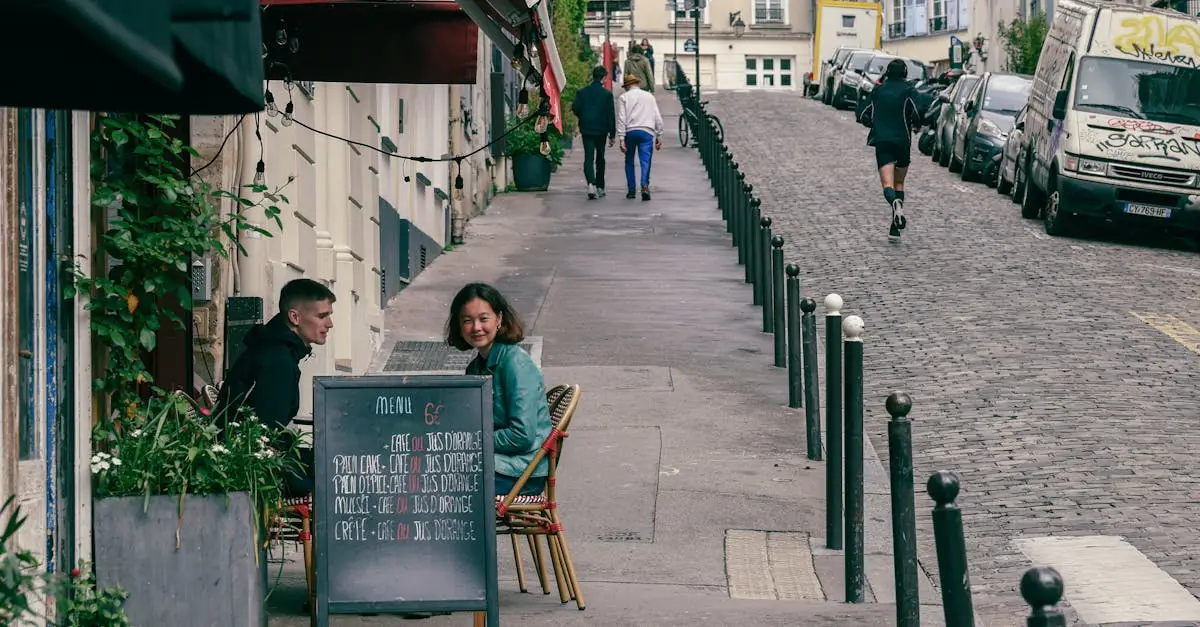
France is known for its emphasis on enjoying life outside of work, which attracts many professionals to its lively cities. The country has a unique 35-hour workweek and generous five-week paid vacation policy, making it an attractive place for expats looking for a balanced lifestyle.
Living and working in French cities like Paris and Marseille provides excellent opportunities to experience this celebrated work-life balance. The way the French approach their professional lives is quite different from many other countries, with strict labor laws in place to protect employees’ rights and promote a culture that values personal time.
For expats thinking about moving to France, it’s crucial to understand the local work culture in order to succeed professionally. Each city has its own set of workplace customs:
- Paris: A fast-paced, formal business environment where hierarchy is highly valued
- Marseille: A more laid-back Mediterranean vibe while still maintaining professionalism
This guide delves into the intricacies of French work culture in these two distinct cities, discussing:
- Business etiquette expectations
- Communication styles
- Building professional relationships
- Practices for achieving work-life balance
- Strategies for integrating into the local culture
Whether you’re planning to work in the bustling capital or the historic port city of Marseille, adapting to French workplace norms will help you establish meaningful professional connections and fully enjoy the benefits of France’s balanced approach to work and life.
Learn more about French work culture
Understanding French Work Culture
French work culture is different from many other Western countries. It is based on long-standing traditions and social rules. In France, the workplace has a clear hierarchy where people respect authority and maintain formal relationships in their daily interactions.
Key Aspects of French Workplace Hierarchy:
- Formal titles (Monsieur, Madame) are used until explicitly invited to use first names
- Decision-making typically flows from top management down
- Senior positions command significant respect and authority
- Written communication maintains formal language and structure
The French professional world places high value on networking, known as “réseautage.” In Paris, networking often occurs through:
- Professional associations and chambers of commerce
- Alumni networks from prestigious schools (Grandes Écoles)
- Industry-specific events and trade shows
- Business lunches at traditional bistros
Marseille’s networking culture reflects its Mediterranean heritage:
- Strong emphasis on face-to-face relationships
- Extended coffee breaks for relationship building
- Local business clubs and maritime industry gatherings
- Regular social events that blend professional and personal connections
Professional relationships in France develop gradually through shared experiences and mutual trust. The concept of “le carnet d’adresses” (address book) remains crucial – a carefully cultivated network of professional contacts that opens doors and creates opportunities throughout one’s career.
Work-Life Balance in France
French labor laws create a strong system for maintaining healthy work-life boundaries. The important 35-hour workweek law is a fundamental part of French work culture, backed by strict rules that protect employee wellbeing.
Key Legal Protections:
- Right to disconnect from work communications after hours
- Minimum of 5 weeks paid vacation annually
- Additional time off for life events (marriage, birth, bereavement)
- Protected lunch breaks lasting 45 minutes to 2 hours
The French work-life balance experience can differ significantly for expats. While local employees typically embrace these protections fully, international companies and startups might have different expectations. Many expats report pressure to match working hours with global teams or headquarters in different time zones.
Common Expat Experiences:
- Higher workload during global team collaboration
- Extended hours to accommodate international meetings
- Varied enforcement of disconnection rights across companies
- Cultural adjustment to longer lunch breaks and vacation periods
Adapting to French workplace rhythms takes time, but many expats find the emphasis on personal time refreshing. Companies in Paris tend to have more intense work schedules, while businesses in Marseille often have a more relaxed Mediterranean pace.
Learn more about French labor laws Guide to French workplace rights
Common Workplace Practices
Daily routines in French offices reflect distinct cultural values that shape professional life. Parisian workplaces maintain strict punctuality standards – arriving even five minutes late can create a negative impression. The unwritten rule suggests arriving 5-10 minutes early for meetings to demonstrate respect for colleagues’ time.
Time Management in French Offices
Time management in French offices follows structured patterns:
- Morning Hours: 9:00 AM – 1:00 PM
- Lunch Break: 1:00 PM – 2:00 PM (Paris) / 1:00 PM – 3:00 PM (Marseille)
- Afternoon Hours: Until 6:00 PM
The Unique Workplace Rhythm of Marseille
Marseille’s extended lunch breaks create a unique workplace rhythm. These two-hour pauses allow employees to:
- Share meals with colleagues
- Run personal errands
- Take short walks along the Mediterranean
- Practice la sieste (short afternoon rest)
This relaxed midday culture in Marseille stems from the Mediterranean lifestyle, where work adapts to life rather than life adapting to work. Local cafes fill with professionals enjoying three-course meals, building relationships with colleagues.
Dress Code Differences Between Cities
The dress code varies between cities – Parisian offices lean toward formal business attire, while Marseille workplaces often accept smart casual options, particularly during warmer months. French Business Culture Guide
These established practices create predictable daily rhythms that help expats structure their workdays effectively. Understanding these customs proves essential for professional success in both cities.
Business Etiquette in Paris and Marseille
French business etiquette reflects a deep-rooted respect for formality and professional boundaries. Paris work etiquette places significant emphasis on titles and formal address – using “Monsieur” or “Madame” followed by the surname is standard practice until explicitly invited to use first names.
Professional Title Usage:
- Address colleagues with their professional titles (Dr., Professor, Director)
- Wait for senior colleagues to initiate first-name basis
- Use “vous” instead of “tu” in professional settings
- Include formal titles in email signatures
The expected etiquette for greetings varies between Paris and Marseille business cultures. Parisian professionals typically exchange firm handshakes during initial meetings and maintain physical distance. Marseille business etiquette tends to be slightly more relaxed, with la bise (cheek kisses) becoming common among established colleagues.
Greeting Guidelines:
- First meetings: Always handshake
- Established relationships: Follow your colleague’s lead
- Women initiate greeting style with male colleagues
- Number of kisses varies by region (2 in Paris, 3 in Marseille)
French business practices also emphasize maintaining eye contact during conversations and avoiding overly casual body language in professional settings. Business cards should be treated with respect – take time to read them when received and keep them visible during meetings.
Communication Style in the Workplace
French business communication embraces directness and candor. In French workplaces, expressing opinions clearly and honestly is considered professional and respectful. This direct communication style might surprise expats from cultures where indirect communication is the norm.
Key aspects of French communication style:
- Constructive criticism is delivered straightforwardly
- Disagreements are expressed openly rather than avoided
- Questions and challenges to ideas are welcomed
- Emotional expressions during discussions are acceptable
French business meetings often transform into lively debates. Teams engage in passionate discussions where members freely voice their thoughts and challenge others’ perspectives. This dynamic creates an environment rich in creativity and innovation.
Meeting culture in French workplaces:
- Active participation is expected from all attendees
- Intellectual discourse is highly valued
- Critical thinking and analytical skills are showcased
- Silence during discussions might be interpreted as disengagement
The French communication style values substance over pleasantries. While small talk has its place, business conversations focus on meaningful exchanges. This approach might feel intense to expats from cultures where maintaining harmony takes precedence over direct feedback.
Tips for adapting to French business practices:
- Share your thoughts confidently during meetings
- Don’t take heated debates personally
- Prepare well-reasoned arguments to support your ideas
- Learn to appreciate frank feedback as a tool for growth
Cultural Considerations for Expats
Adapting to French work culture presents unique challenges for expats in Paris and Marseille. The language barrier stands as a primary hurdle – while many international companies use English, daily interactions and social connections often require French proficiency.
Key Cultural Challenges:
- Hierarchical structures require careful navigation of professional relationships
- Different meeting dynamics and decision-making processes
- Adapting to formal communication styles and professional titles
- Understanding unwritten social codes and workplace etiquette
Learning French opens doors to deeper professional integration and career advancement. French language skills enable expats to:
- Participate actively in team discussions
- Build stronger relationships with colleagues
- Access local professional networks
- Navigate administrative procedures independently
The cultural adjustment period varies for each expat. Some find success by:
- Taking intensive French language courses
- Joining professional associations
- Finding a local mentor
- Participating in workplace social events
Many expats report that investing time in understanding French workplace customs leads to stronger professional relationships. Organizations like the Franco-British Chamber of Commerce and American Chamber of Commerce in France offer valuable resources and networking opportunities for international professionals.
The Paris Region Welcome Guide provides comprehensive information about working in France, including cultural insights and professional development resources.
Living Costs and Quality of Life for Expats
Living costs in Paris and Marseille differ significantly. Here’s what expats need to budget for:
Housing Costs
- Paris: €1,200-2,000/month for a 1-bedroom apartment
- Marseille: €700-1,200/month for similar accommodations
- Security deposits: 2-3 months’ rent
- Agency fees: 1 month’s rent + VAT
Monthly Living Expenses
- Utilities: €100-150
- Internet/Phone: €50-70
- Transportation: €75 (monthly pass)
- Groceries: €400-500
- Healthcare: €30-50 (basic insurance)
The quality of life for expats varies between cities. Paris offers extensive cultural activities, international schools, and robust public transportation. Marseille provides Mediterranean lifestyle benefits, lower living costs, and easier access to nature.
Visa and Residency Requirements
- Long-stay visa application before arrival
- Residence permit (carte de séjour) within 3 months
- Required documents:
- Proof of income
- Housing contract
- Health insurance
- Work contract
Local administrative offices (préfectures) handle residency matters. Many expats find success working with relocation agencies or immigration lawyers to navigate paperwork requirements. English-speaking services are readily available in both cities to assist with administrative procedures.
Conclusion
The French approach to work-life balance offers expats a refreshing perspective on professional life. The 35-hour workweek, extended lunch breaks, and generous vacation policies create space for personal growth and relaxation. Living in Paris or Marseille presents unique opportunities to embrace these cultural values while building meaningful careers.
Success in French work culture stems from understanding and respecting local customs. Learning the language, adapting to formal business etiquette, and participating in social traditions helps expats thrive in their new environment. The emphasis on work-life balance in France creates a sustainable, fulfilling lifestyle that many expats come to appreciate.
Helpful Resources for Adapting to French Work Culture:
- French Chamber of Commerce Guide to Business Etiquette
- Working in France: A Guide for International Professionals
The French work environment rewards those who embrace its distinct characteristics. By balancing professional demands with personal time, expats can create rewarding careers while enjoying the renowned French quality of life.