
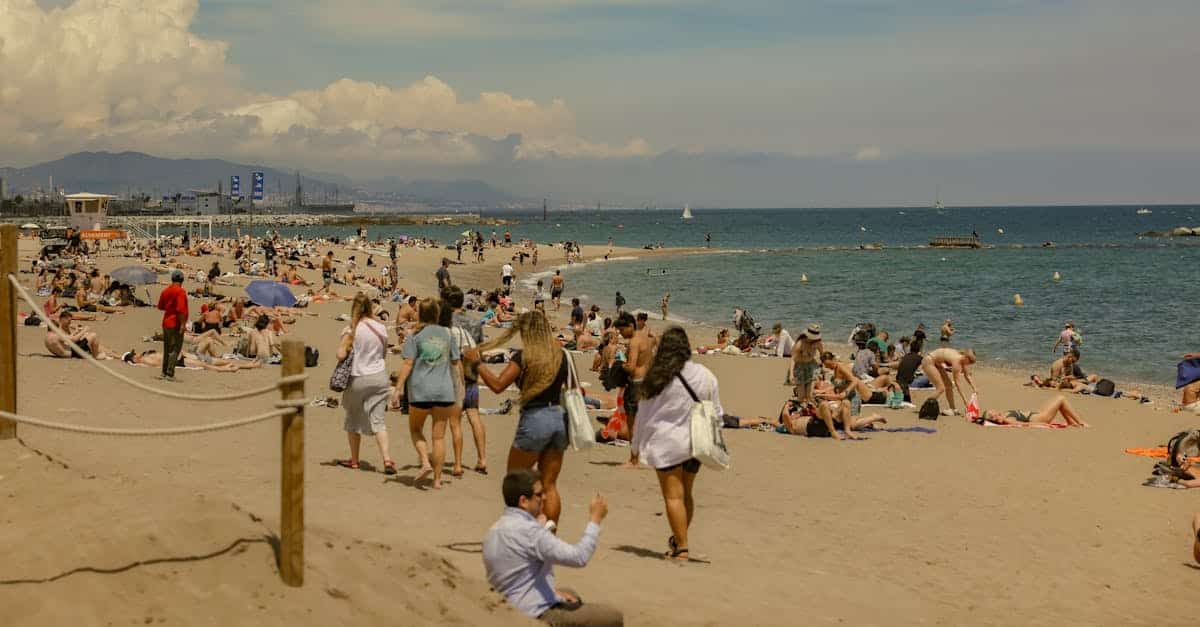
Spain’s coastline stretches over 8,000 kilometers, featuring pristine beaches that attract millions of visitors yearly. These sun-soaked shores offer incredible experiences, but they also demand respect and awareness of safety measures.
Beach safety in Spain combines modern lifeguard services, advanced warning systems, and local regulations designed to protect beachgoers. The Spanish coast experiences unique conditions – from strong rip currents in the Mediterranean to powerful Atlantic waves along the northern shores.
Understanding local beach conditions and safety measures isn’t just recommended – it’s essential. Each region has specific characteristics:
- Mediterranean Coast: Warm waters with occasional strong currents
- Atlantic Coast: Powerful waves and changing tides
- Balearic Islands: Crystal-clear waters with seasonal jellyfish presence
- Canary Islands: Year-round swimming with volcanic beach formations
Spanish beaches maintain high safety standards through:
- Professional lifeguard services
- Clear flag warning systems
- Emergency response teams
- Regular water quality monitoring
This guide walks you through essential safety information to ensure your Spanish beach experience remains safe and enjoyable. Whether you’re planning a family vacation or living near the coast, these safety guidelines will help protect you and your loved ones. For a wider view of broader safety risks across Spain’s cities and regions, understanding how coastal safety fits into everyday travel and urban life is essential.
Learn more about Spanish beach regulations
Understanding Coastal Dangers
Spain’s beautiful coastline has hidden dangers that we need to be aware of. The biggest threat to swimmers is rip currents, which are responsible for 80% of beach rescues along Spanish shores.
What Are Rip Currents?
Rip currents are powerful, narrow channels of water that flow away from the shore at high speeds. These currents can pull even strong swimmers far from the beach in seconds.
Identifying Rip Currents
Here are some signs to look out for when trying to identify rip currents:
- A channel of choppy, off-colored water
- Gaps in the line of breaking waves
- Debris floating steadily seaward
- A difference in water color
- Foam or seaweed moving away from shore
Safety Actions if Caught in a Rip Current
If you find yourself caught in a rip current, remember to stay calm and follow these steps:
- Stay calm – panic leads to exhaustion
- Swim parallel to the shore
- Once free from the current, swim at an angle toward the beach
- If tired, float or tread water while signaling for help
Prevention Tips
To prevent getting caught in a rip current, here are some tips to keep in mind:
- Check local weather and surf conditions before swimming
- Swim at beaches with active lifeguard stations
- Avoid swimming alone
- Stay within designated swimming zones
- Learn to spot rip current indicators
The Spanish coastline experiences varying rip current patterns throughout the year. These patterns become stronger during storms and near physical structures like piers or rock formations.
Jellyfish Season in Spain
Spanish beaches experience peak jellyfish activity during the warm summer months, typically from June to September. The Mediterranean coast sees higher concentrations of these marine creatures, particularly in areas like Costa del Sol and Costa Blanca.
Common Species in Spanish Waters:
- Pelagia noctiluca (Mauve Stinger) – Small, purple-pink jellyfish
- Rhizostoma pulmo (Barrel Jellyfish) – Large, white-blue species
- Physalia physalis (Portuguese Man o’ War) – Not a true jellyfish but dangerous
Recognizing Jellyfish Warnings:
- Purple warning flags indicate jellyfish presence
- Digital information boards at beach entrances
- Mobile apps tracking jellyfish movements
- Local beach authority announcements
If You Get Stung:
- Leave the water immediately
- Remove any visible tentacles with tweezers
- Rinse the affected area with seawater (never fresh water)
- Apply ice packs to reduce pain and swelling
- Seek medical attention if symptoms worsen
Many Spanish beaches provide jellyfish sting treatment stations equipped with vinegar and other first-aid supplies. These stations are marked with clear signage and are usually located near lifeguard posts.
The Spanish coast guard regularly monitors jellyfish populations, updating beach warning systems to help visitors stay safe. Local authorities recommend checking daily jellyfish forecasts through official beach apps or websites before swimming.
Beach Flag System Explained
Spain’s beaches use a standardized flag system to communicate vital swimming conditions. Understanding these signals helps ensure your safety in Spanish waters.
Flag Colors and Their Meanings
- Green Flag: Safe swimming conditions
- Yellow Flag: Exercise caution
- Red Flag: Swimming prohibited
- Purple Flag: Marine hazards
- Red and Yellow Flags: Safe swimming zones
What It Means When There’s No Flag
If you find yourself on an unguarded beach with no flag present, it indicates that you swim at your own risk. This situation comes with limited emergency response capabilities, so it’s wise to consider alternative locations for your safety.
The flag system works alongside local weather reports and lifeguard recommendations. Flags are typically updated twice daily, with additional changes based on sudden weather shifts or water conditions. Look for flag stations near lifeguard towers or main beach access points for current status updates.
Learn more about Spanish beach safety guidelines
Lifeguard Services in Spain
Spain’s beaches have professional lifeguard services (Servicio de Salvamento) during the busiest tourist seasons, usually from June to September. The Spanish Red Cross manages many of these services in popular coastal areas.
Lifeguard Stations
Lifeguard stations (torres de vigilancia) are strategically placed along the beaches and can be identified by their unique red and yellow structures. These stations are open from 10:00 AM to 8:00 PM during the peak season and are staffed by trained professionals who have:
- First aid supplies
- Rescue boards and tubes
- Emergency communication devices
- Medical equipment for basic treatment
The Royal Spanish Lifesaving Federation sets strict standards for beach safety, requiring lifeguards to complete certified training programs and undergo regular skill assessments.
Safe Swimming Guidelines
To ensure your safety while swimming at Spanish beaches, please follow these guidelines:
- Stay within 50 meters of the nearest lifeguard tower
- Choose beaches displaying the red-over-yellow flag indicating active lifeguard supervision
- Follow lifeguards’ verbal instructions and whistle signals
- Check the daily posted schedule for lifeguard service hours
Additional Safety Measures
Popular tourist destinations such as Costa del Sol and Costa Brava have implemented extra safety measures through the Spanish Maritime Safety Agency. These measures include regular beach patrols and rescue boat services.
Accessibility Services
Many Spanish beaches also offer accessibility services for visitors with reduced mobility. This includes specialized lifeguards and adapted swimming equipment that can be requested at main lifeguard stations.
General Safety Tips for Beachgoers
A safe beach experience in Spain starts with smart choices. Here are key water safety tips to protect you and your loved ones:
- Stay in Safe Swimming Zones: Choose designated swimming areas marked by red and yellow flags
- Watch the Weather: Check local forecasts and avoid swimming during storms
- Keep Kids Close: Maintain arm’s length distance with children under 12
- Stay Hydrated: Drink water regularly and avoid alcohol before swimming
- Use Sun Protection: Apply waterproof sunscreen and wear protective clothing
- Mind Your Belongings: Keep valuables secure and visible while swimming
- Check Water Depth: Enter water feet-first in unfamiliar areas
- Bring Basic Safety Gear: Pack a basic first aid kit and flotation devices
Swimming safety in Spain includes respecting posted signs and local regulations. Pay attention to changing conditions throughout your beach visit and adjust your activities accordingly.
Emergency Contacts and Procedures
Spain’s unified emergency number 112 operates 24/7 with English-speaking operators ready to assist in beach-related emergencies. This number works across all Spanish regions, even without mobile signal or credit.
Regional Emergency Services:
- Costa del Sol: +34 952 229 990
- Balearic Islands: +34 971 211 112
- Costa Brava: +34 972 182 222
- Canary Islands: +34 928 492 112
Quick-Access Emergency Resources:
Save these numbers in your phone before heading to the beach. Most coastal areas display emergency contact information on beach information boards or lifeguard stations. Many Spanish beaches offer free mobile apps with real-time safety updates and direct emergency calling features.
The Spanish Coast Guard responds to maritime emergencies through VHF Channel 16 or their dedicated number: +34 900 202 202. This service operates year-round, providing crucial support for water-related incidents.
Conclusion
Spain’s beaches offer unforgettable experiences when approached with knowledge and respect for safety guidelines. Your beach adventure starts with understanding local rules and staying alert to changing conditions. Keep the emergency number 112 handy, watch for warning flags, and choose swimming spots near lifeguard stations.
Make beach safety a natural part of your coastal routine:
- Check daily weather and swimming conditions
- Teach children about water safety
- Stay within designated swimming zones
- Follow lifeguard instructions
Your vigilance creates safer beaches for everyone. Spain’s coastline welcomes you – enjoy it responsibly and create lasting memories.
For those living near the coast long-term, beach awareness is only one part of everyday safety considerations for expats living in Spain, including neighborhoods, transport, and daily routines.
For detailed water safety information, visit Salvamento Marítimo and Spanish Red Cross Beach Safety