
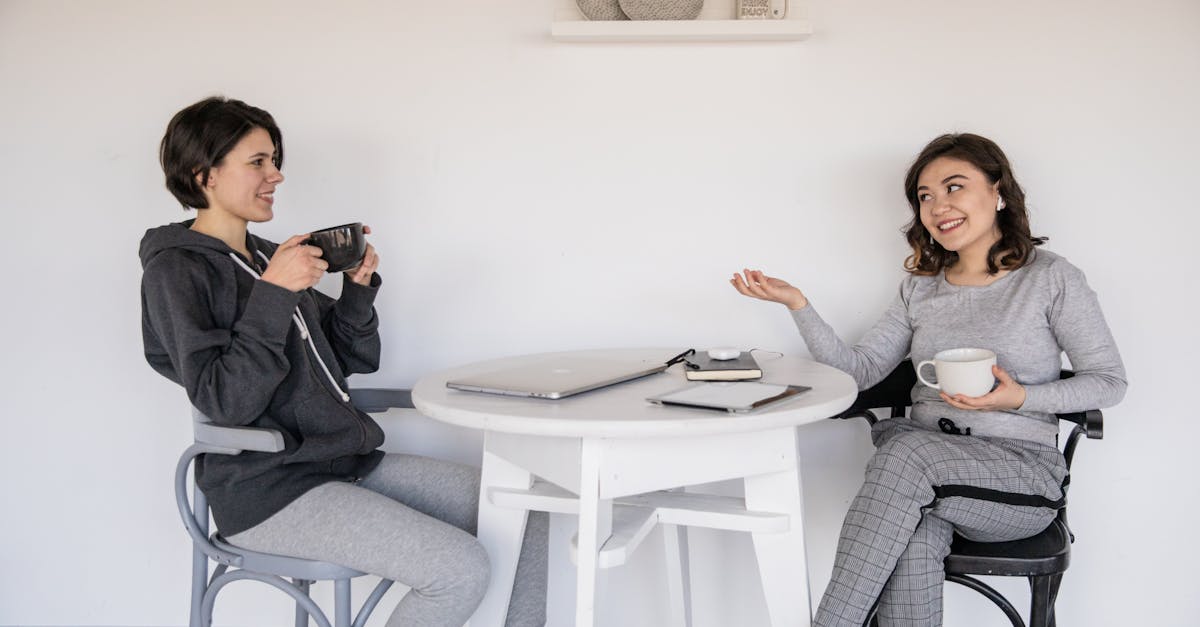
Living with roommates brings unique challenges, especially when personality types clash. The dynamic between introvert vs extrovert roommates creates an interesting mix of social preferences and communication needs that can make or break shared living experiences.
Picture this: One roommate craves social gatherings and constant interaction, while the other values quiet time and personal space. These contrasting needs often lead to misunderstandings and tension in shared living spaces. Yet, these differences can spark incredible opportunities for growth and understanding when handled thoughtfully.
This guide dives into practical strategies for:
- Creating balanced social interactions
- Respecting personal boundaries
- Building effective roommate communication styles
- Managing shared spaces harmoniously
- Finding the sweet spot between togetherness and alone time
Whether you’re an introvert seeking peace or an extrovert looking for connection, living with different personalities doesn’t have to be a source of conflict. Through understanding, respect, and the right communication tools, roommates can create a living environment that nurtures both social butterflies and quiet souls alike.
Understanding Introverts and Extroverts
Living with different personality types requires a deep understanding of their core traits. Let’s break down the key characteristics of introverts and extroverts:
Introverts:
- Recharge through alone time and quiet activities
- Process thoughts internally before speaking
- Prefer deep, one-on-one conversations
- Feel drained after extended social interactions
- Work best in calm, low-stimulation environments
Extroverts:
- Gain energy from social interactions
- Think out loud and process thoughts externally
- Enjoy group activities and conversations
- Seek stimulation from their environment
- Thrive in social settings and collaborative spaces
Many people misunderstand these personality traits. Being introverted doesn’t mean someone is shy or antisocial – they simply process social energy differently. Extroverts aren’t always loud or attention-seeking; they just feel energized by external stimulation.
These differences create unique dynamics in shared living spaces. An introvert might need a quiet evening at home to recharge, while an extrovert could interpret this as their roommate being distant. Understanding these natural tendencies helps roommates respect each other’s needs without taking behaviors personally.
A key insight: personality traits exist on a spectrum. Many people display both introverted and extroverted qualities depending on the situation. This flexibility allows roommates to adapt and find common ground in their living arrangement.
The Role of Communication in Roommate Relationships
Clear communication serves as the foundation for successful roommate relationships. Different roommate communication styles can make or break the shared living experience, creating either harmony or tension in your space.
Key Communication Patterns:
- Direct vs. Indirect: Extroverts often prefer immediate, face-to-face discussions, while introverts might choose text messages or notes to express their thoughts
- Processing Time: Introverts may need time to reflect before responding to questions or concerns, whereas extroverts tend to process thoughts through verbal expression
- Social Energy Management: Extroverted roommates might initiate frequent conversations, while introverted ones require quiet periods to recharge
Creating Effective Communication Channels:
- Set up a shared digital platform (group chat or house management app) for important announcements
- Establish regular check-ins at times that work for both personality types
- Create a shared calendar for social events and quiet hours
- Use a message board in common areas for non-urgent communications
Managing social energy with roommates requires understanding each person’s preferred communication method. A text-loving introvert might feel overwhelmed by constant in-person chats, while an extrovert could interpret written messages as distant or cold.
The key lies in adapting your communication style to match your roommate’s comfort level. This might mean scheduling brief face-to-face meetings for important discussions or using a mix of written and verbal communication for daily interactions.
Balancing Social Interaction and Alone Time
Living spaces become dynamic when introverts and extroverts share them. Extroverts draw energy from social interactions, often seeking conversation and shared activities. They might invite friends over, initiate group dinners, or create spontaneous movie nights. Introverts recharge through solitude, requiring quiet spaces and dedicated alone time to maintain their emotional balance.
Creating Harmony Through Space Management:
- Designate specific quiet zones in shared areas
- Set up a rotation schedule for hosting guests
- Establish “social-free” hours during weekdays
- Create a shared calendar for social events
Smart Solutions for Both Personalities:
- Use headphones during individual activities
- Text or leave notes instead of interrupting
- Plan social activities in advance
- Keep common areas flexible for both quiet and social times
Successful co-living happens when both roommates respect these different energy patterns. Extroverts can learn to give advance notice before inviting guests, while introverts can communicate their need for downtime clearly. A shared living space thrives when roommates establish clear boundaries and honor each other’s social preferences.
Practical Balance Tips:
- Schedule regular check-ins to discuss social plans
- Create a signal system for “do not disturb” moments
- Find compromise activities that suit both styles
- Maintain separate spaces for recharging
The key lies in finding creative solutions that honor both personalities’ needs. When extroverts understand their roommates’ need for solitude and introverts acknowledge their roommates’ social requirements, the living space transforms into a balanced environment where both can thrive.
Practical Tips for Successful Co-habitation
Creating a harmonious living space requires specific strategies that respect both introverted and extroverted personalities. Here are practical approaches to help roommates navigate their shared living experience:
1. Set Clear Boundaries Early
- Create designated quiet hours for study or relaxation
- Establish guest policies and advance notice requirements
- Define shared vs. private spaces within the home
2. Develop a Communication System
- Use a shared digital calendar for social events
- Create a roommate chat group for daily updates
- Set up regular check-ins to discuss concerns
3. Respect Personal Space
- Knock before entering private rooms
- Use headphones when watching videos or listening to music
- Keep shared spaces tidy to reduce stress
4. Create Compromise Solutions
- Alternate between quiet nights and social gatherings
- Plan activities that suit both personality types
- Share household responsibilities based on comfort levels
Understanding each other’s needs leads to natural adjustments and learning opportunities. When extroverted roommates need social interaction, they can host gatherings in common areas while respecting their introverted roommate’s private space. Similarly, introverted roommates can participate in occasional group activities while maintaining their boundaries for alone time.
Consider creating a roommate agreement that outlines these arrangements, making it easier to reference and adjust as needed. This living document can evolve as both parties learn more about each other’s preferences and habits.
Learning from Each Other’s Differences
Living with someone who has a different personality type creates unique opportunities for personal development. Introverts can learn valuable social skills from their extroverted roommates, such as:
- Expanding their comfort zones through gentle exposure to social situations
- Developing confidence in group settings
- Learning to express thoughts and feelings more openly
Extroverts gain equally valuable insights from their introverted roommates:
- Appreciating the power of quiet reflection
- Discovering the joy of solitary activities
- Understanding the value of listening deeply
These shared living experiences shape both roommates’ communication styles and emotional intelligence. An extrovert might discover that their introverted roommate’s thoughtful approach leads to deeper conversations, while an introvert may find that their extroverted roommate’s spontaneity adds excitement to their daily routine.
The key lies in viewing these differences as learning opportunities rather than obstacles. When roommates approach their relationship with curiosity and openness, they develop:
- Enhanced empathy and understanding
- Improved adaptability
- Stronger interpersonal skills
- Greater self-awareness
These skills extend far beyond the shared living space, benefiting future relationships, work environments, and social interactions. Each personality type brings unique strengths to the table, creating a rich environment for mutual growth and understanding.
External Resources on Personality Types
Ready to dive deeper into understanding personality types and communication styles? These trusted resources offer valuable insights for roommates navigating their differences:
- 16 Personalities – Take a free personality assessment based on the Myers-Briggs Type Indicator to understand your traits and communication preferences.
- Psychology Today: Living with Different Personality Types – Expert articles and research-backed advice on managing relationships between different personality types.
- The Quiet Revolution – Susan Cain’s platform dedicated to understanding introversion, featuring practical tips for introverts and extroverts living together.
These resources provide scientific insights, practical strategies, and expert guidance to help you build stronger connections with your roommate while honoring your unique personality traits.
Conclusion
Living with someone who has a different personality type creates unique opportunities for growth and understanding. The journey of bridging the gap between introverts and extroverts enriches both roommates’ lives in unexpected ways.
Successful roommate relationships bloom when both parties:
- Respect each other’s social energy needs
- Practice active listening and clear communication
- Create designated quiet and social spaces
- Embrace learning from their differences
- Stay flexible with shared living arrangements
The practical strategies shared in this guide serve as stepping stones toward building a harmonious living environment. By implementing these tips, roommates can transform their personality differences from potential challenges into valuable strengths.
Remember: there’s no “right” or “wrong” personality type. The key lies in understanding, respecting, and adapting to each other’s needs. Your shared living space can become a sanctuary where both introverts and extroverts thrive, creating lasting friendships built on mutual respect and understanding.