
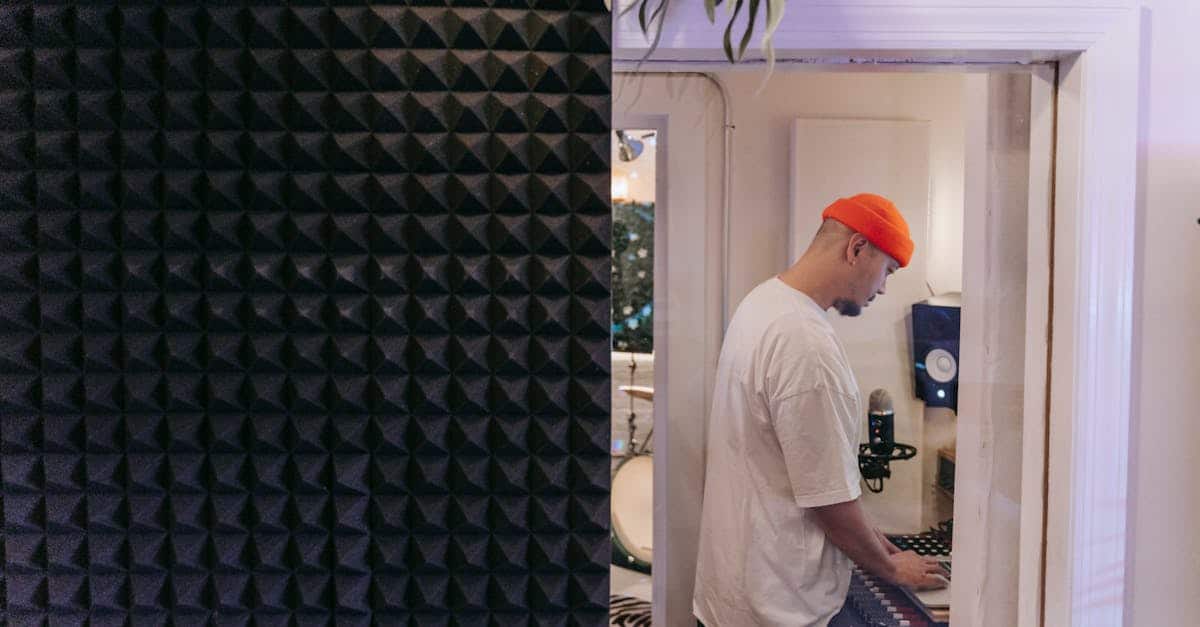
Living in shared spaces brings unique challenges, with noise being a top concern for many renters. Whether it’s the neighbor’s late-night TV shows, street traffic, or the constant hum of city life, unwanted sounds can impact your peace and well-being.
DIY soundproofing offers practical solutions without breaking your lease or your budget. These renter-friendly techniques transform your space into a peaceful sanctuary while respecting property rules. From strategic furniture placement to simple installations, you can significantly reduce noise without permanent modifications.
Key Benefits of Apartment Soundproofing:
- Better sleep quality
- Increased privacy
- Enhanced focus for work or study
- Reduced stress levels
- Improved home comfort
The best part? Many effective soundproofing methods use everyday items you might already own. By combining smart design choices with targeted noise-reduction strategies, you can create a quieter living environment that feels like your own personal retreat.
Let’s explore budget-friendly ways to soundproof your rental home and reclaim your peace of mind.
Identifying Noise Weak Spots
Finding noise entry points helps create targeted renter-friendly noise solutions. Start your sound assessment during quiet hours to detect subtle noise leaks:
Simple Detection Methods:
- Stand near walls, windows, and doors during noisy times
- Hold a lit candle near potential gaps – flickering indicates air leaks where sound enters
- Place your hand on surfaces to feel vibrations from external noise
- Listen for echoes in empty corners and spaces
Common Weak Spots:
- Thin walls between units
- Windows facing busy streets
- Gaps under doors and around frames
- Electrical outlets on shared walls
- HVAC vents and ducts
- Ceiling light fixtures
Creating a noise map of your space reveals the best ways to dampen sound effectively. Mark problem areas on a simple floor plan, rating each spot’s noise level from 1-10. This visual guide helps prioritize your reducing noise in apartments strategy and ensures your soundproofing efforts target the most disruptive areas first.
1. Using Bookshelves as Sound Barriers
You can turn your bookshelves into effective DIY noise-canceling solutions by placing them strategically against shared walls. The heavy mass of books creates a barrier that reduces noise transmission between apartments.
Here’s how to make the most of your bookshelf’s soundproofing potential:
- Position tall bookcases directly against shared walls
- Fill shelves completely with books, prioritizing hardcover editions
- Stack heavier books horizontally for increased density
- Add decorative storage boxes filled with items to occupy empty spaces
- Place multiple bookcases side by side for enhanced coverage
The science behind this renter-friendly soundproofing technique is based on mass and density. Books absorb sound waves through their pages while creating a thick barrier that blocks noise transmission. A fully loaded 6-foot bookshelf can reduce sound transfer by up to 25%.
For the best results, combine different shelf heights and widths to cover larger wall sections. You might also want to consider adding fabric backing to your bookshelf to further improve its sound-dampening properties.
2. Using Carpets and Rugs
Transform your noisy space into a peaceful sanctuary with strategic carpet and rug placement. These soft floor coverings act as natural sound absorbers, reducing both impact noise and airborne sound.
Benefits of Floor Coverings:
- Absorb footsteps and furniture movement sounds
- Minimize sound reflection between walls
- Create a barrier against noise from lower floors
- Reduce echo in large, open spaces
The thickness of your carpet matters – opt for dense materials with deep pile heights. A high-quality carpet pad underneath adds an extra layer of sound insulation. For budget-friendly options, layering multiple affordable rugs creates similar sound-dampening effects.
Placement Tips:
- Position large area rugs in high-traffic zones
- Cover at least 60% of hard floor surfaces
- Place runners in hallways to reduce sound travel
- Add rubber backing for enhanced noise reduction
Complement your floor coverings with carpet tiles on walls – they serve as DIY soundproofing panels while adding visual interest to your space. These removable squares offer flexibility for renters seeking temporary sound solutions.
3. Installing Soundproof Panels or Curtains
Soundproof curtains and acoustic panels create an effective barrier against unwanted noise without permanent modifications to your rental space. These solutions blend seamlessly with your decor while absorbing sound waves.
Soundproof Curtains:
- Select curtains with multiple layers of dense fabric
- Look for curtains labeled as “thermal” or “blackout”
- Hang curtains 3-4 inches above windows
- Extend curtains beyond window frames for maximum coverage
DIY Soundproofing Panels:
- Create custom panels using:
- Dense foam or mineral wool
- Fabric covering
- Wooden frames
- Mount panels using removable adhesive strips
- Place panels on walls facing noise sources
Strategic Panel Placement:
- Position acoustic panels at ear level
- Focus on walls shared with neighbors
- Target corners where sound tends to bounce
- Space panels evenly across problem areas
These sound-absorbing solutions work best when combined. A mix of curtains and panels creates multiple barriers against noise while maintaining your apartment’s aesthetic appeal.
4. Sealing Doors to Block Noise
Doors are often a major entry point for unwanted noise. A simple soundproofing technique that renters can use involves identifying and sealing any gaps around the door frame.
DIY Door Sealing Options:
- Weather stripping: Apply self-adhesive foam tape along the door frame
- Door sweeps: Install a brush-style sweep at the bottom gap
- Pipe insulation foam: Cut and attach to the sides of the door
Pro Tips for Door Sealing:
- Test for gaps by shining a light around the door edges at night
- Focus on the bottom gap, which tends to be the largest
- Use removable adhesive products to avoid damage
- Consider double-sided draft stoppers for enhanced sound blocking
For maximum effectiveness, combine multiple sealing methods. A well-sealed door can reduce sound transmission by up to 20%. While acoustic door seals provide professional-grade results, DIY alternatives using pipe insulation foam can achieve similar sound dampening effects at a fraction of the cost.
5. Soundproof Window Inserts
Window inserts offer a powerful DIY soundproofing solution without compromising your rental agreement. These custom-fitted panels create an additional barrier between your living space and outside noise.
How Window Inserts Work:
- Clear acrylic panels fit snugly inside existing window frames
- Air gap between insert and window creates sound-dampening buffer
- Magnetic strips or compression tubing secure panels in place
- Removable design leaves no damage upon departure
Benefits for Renters:
- Blocks up to 70% of outside noise
- Maintains natural light and window views
- Requires no drilling or permanent modifications
- Doubles as draft protection for energy savings
Installation Tips:
- Measure window dimensions carefully for proper fit
- Clean window frames thoroughly before installation
- Apply weatherstripping tape around edges for better seal
- Consider professional installation for complex windows
For budget-conscious renters, DIY alternatives include using thick plexiglass sheets with removable adhesive strips or installing heavy-duty magnetic curtain rods with sound-absorbing drapes.
Additional Noise Reduction Tips
White noise machines offer a practical DIY noise-canceling solution for renters seeking peace. These devices create consistent background sounds that mask disruptive noises from neighbors, traffic, or construction.
Popular white noise options include:
- Natural Sounds: Rain, ocean waves, or forest ambiance
- Fan Sounds: Different speed settings for varied intensities
- Pink Noise: A deeper alternative to white noise, ideal for sleep
- Brown Noise: Low-frequency sounds that block bass vibrations
Budget-friendly alternatives to dedicated machines:
- Phone apps with customizable sound libraries
- Desktop fans positioned strategically
- Air purifiers that double as noise machines
- YouTube playlists with 8-10 hour sound loops
The key to effective white noise lies in proper placement. Position your device between you and the noise source for optimal sound masking. Experiment with different sound types and volume levels to find your perfect acoustic comfort zone.
Enhancing Sound Absorption with Decor
Strategic decor placement creates a stylish approach to renter-friendly soundproofing. Large, leafy plants act as natural sound absorbers – their leaves catch and diffuse sound waves, reducing echo throughout your space. Position fiddle leaf figs, peace lilies, or rubber plants in corners and near noise-prone areas for maximum effect.
Upholstered furniture plays a crucial role in reducing noise in apartments. Plush sofas, armchairs, and ottomans with soft, textured fabrics absorb sound waves that would bounce off harder surfaces. Consider these sound-absorbing additions:
- Tufted headboards for bedroom walls
- Fabric-covered accent chairs
- Plush throw pillows scattered strategically
- Upholstered benches in entryways
- Padded storage ottomans
Layering different textures enhances both sound absorption and visual appeal. Mix velvet, chenille, and woven fabrics in your furniture choices. Wall tapestries and fabric art pieces add another dimension of sound control while expressing your personal style.
Creating Your Peaceful Haven
Transforming your rental space into a quieter sanctuary doesn’t require major renovations or landlord approval. These DIY soundproofing techniques offer practical solutions that respect your lease agreement while enhancing your living comfort. Start small by implementing one strategy at a time – perhaps beginning with door seals or strategic furniture placement. As you layer these sound-dampening elements, you’ll notice a significant improvement in your home’s acoustics.
Remember, renter-friendly soundproofing is an investment in your wellbeing. A quieter space can boost productivity, improve sleep quality, and create a more enjoyable living environment. Take control of your acoustic environment today with these budget-friendly solutions, and experience the difference a peaceful home can make in your daily life.
Ready to start your soundproofing journey? Share your experiences and creative DIY solutions in the comments below!