
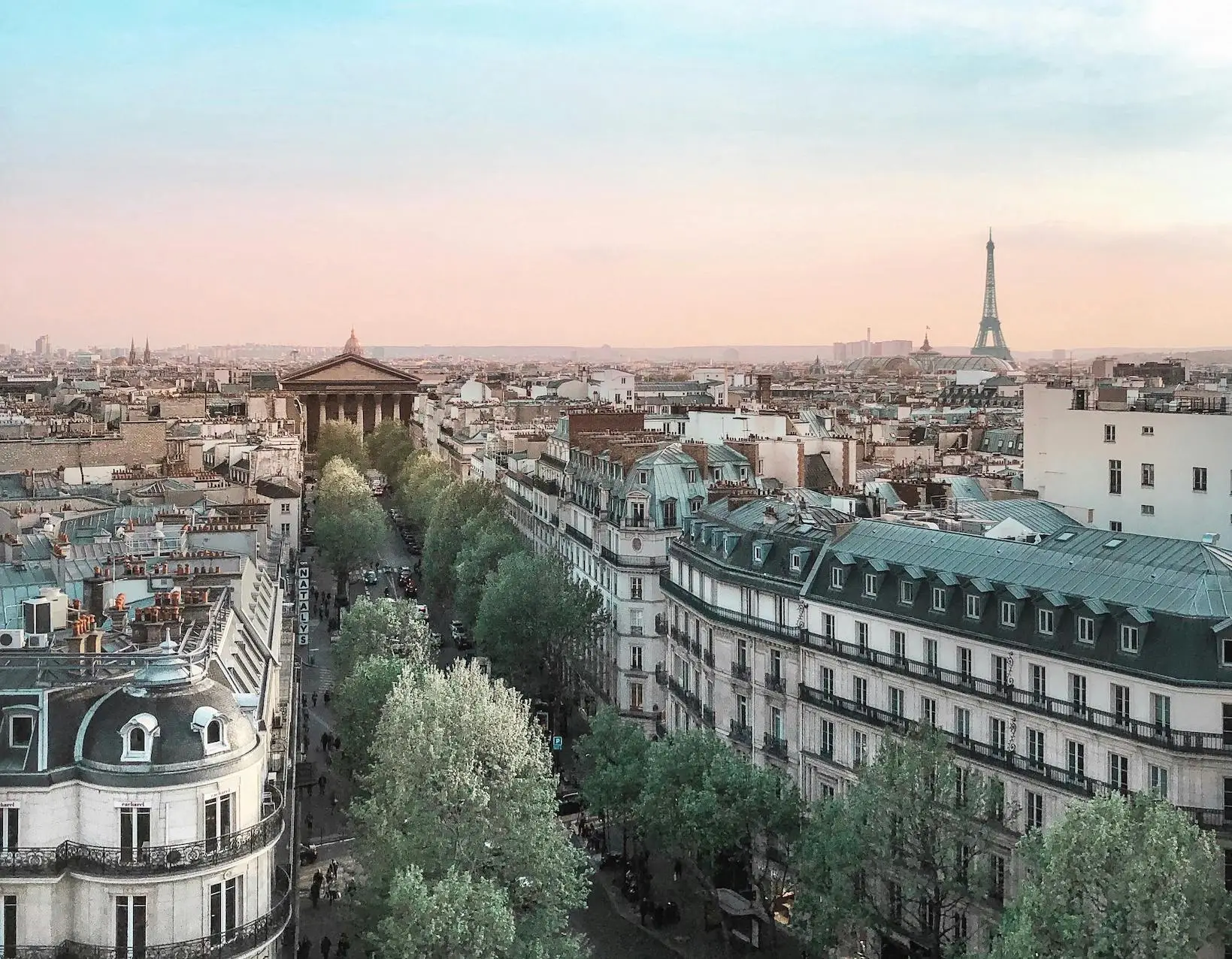
Explore Paris neighborhoods: culture, cuisine, and cost of living. Discover Belleville, Le Marais, Montmartre, and more in our ultimate guide.
Introduction
This is your ultimate Paris travel guide. In this article, we’ll explore the unique charm of various Paris neighborhoods, focusing on their culture, cuisine, and cost of living.
Whether you’re planning a visit or considering a move to Paris, this guide will provide valuable insights into daily life in different neighborhoods of the city.
We’ll cover:
- The artistic diversity of Belleville
- The cultural richness of Le Marais
- The bohemian spirit of Montmartre
- The historical essence of the Louvre District
- The elegance and modernity of the Opera District
By understanding these neighborhoods, you’ll gain a deeper appreciation for the local markets, dining options, and entertainment venues. We’ll also include a detailed breakdown of Paris living costs to help you budget effectively.
Get ready to explore this Paris city guide and discover what each area has to offer!
If you’re apartment-hunting, browse verified rooms and apartments on Paris listings and filter by neighborhood and move-in date.
Exploring the Neighborhoods of Paris
1. Belleville: The Artistic Hub
Belleville stands out as a vibrant and diverse neighborhood in Paris’s 20th arrondissement. Known for its artistic flair, this area has a rich history rooted in working-class culture and immigration. Its streets are adorned with colorful street art and murals, showcasing the creativity that pulses through Belleville.
Artistic Diversity and Working-Class History
Belleville’s artistic spirit is palpable. Artists from various backgrounds have found inspiration here, contributing to an eclectic mix of galleries and studios. The neighborhood’s working-class roots add to its unique charm, creating an authentic atmosphere that contrasts with more tourist-centric areas.
Boulevard de Belleville Market
One of the highlights of Belleville is the weekly market on Boulevard de Belleville. Held every Tuesday and Friday, this bustling market offers a plethora of fresh produce, spices, and exotic foods. It’s not just a place to shop; it’s an experience that immerses you in the local culture. Strolling through the stalls, you’ll find everything from ripe fruits to handmade crafts, reflecting the neighborhood’s multicultural essence.
“The Boulevard de Belleville market is a sensory delight – vibrant colors, tantalizing aromas, and the lively chatter of vendors make it a must-visit.”
Dining Options: Tradition Meets Modernity
Belleville’s culinary scene is as diverse as its residents. Here are some dining options that blend traditional and modern cuisines:
- Le Baratin: A cozy spot known for its traditional French fare with a twist. Expect hearty dishes like lamb stew alongside innovative appetizers.
- Les Pères Populaires: Offering a casual dining experience with affordable prices, this bistro captures the essence of Belleville’s working-class heritage.
- Street Food: Beyond sit-down restaurants, Belleville boasts numerous street food vendors offering flavors from around the world, particularly Asian and North African influences.
Belleville’s blend of artistic diversity, rich history, vibrant markets, and eclectic dining options makes it an essential stop for anyone exploring Paris districts. Whether you’re wandering through its colorful streets or savoring local delicacies at one of its many eateries, Belleville offers a snapshot of Parisian life that’s both unique and captivating.
2. Le Marais: A Cultural Melting Pot
Le Marais, one of the most vibrant Paris districts, is a cultural gem that seamlessly blends the old with the new. Known for its rich history and trendy atmosphere, this neighborhood offers a unique mix of cultural activities, dining options, and entertainment.
Cultural Heritage and Trendy Atmosphere
Le Marais’s streets are lined with historic buildings, chic boutiques, and art galleries. The Jewish Quarter adds another layer of cultural depth with its synagogues and traditional bakeries. Strolling through Le Marais feels like stepping back in time while also embracing modernity.
Dining Options
The food scene in Le Marais is diverse. Classic French bistros like Chez Marianne serve traditional fare, while places like L’As du Fallafel offer delicious Middle Eastern cuisine. The neighborhood’s culinary landscape reflects its multicultural influences.
Nightlife and Entertainment
When the sun sets, Le Marais comes alive with various nightlife options:
- Bars: Cozy spots like Sherry Butt for craft cocktails.
- Clubs: Dance the night away at Club Rayé.
- Live Music: Enjoy performances at venues like La Bellevilloise.
Le Marais district is a must-visit for anyone looking to experience the blend of historic charm and contemporary vibrancy that defines residential areas in Paris.
3. Montmartre: The Bohemian Spirit
Montmartre, one of the most famous Paris districts, has a rich history as an artist enclave. Known for its bohemian spirit, this area has attracted iconic artists like Picasso and Van Gogh. Walking through Montmartre, you’ll feel the artistic vibe in every corner, from the charming cobblestone streets to the vibrant street art.
Key Attractions in Montmartre
- The stunning Sacré-Cœur Basilica, perched atop a hill offering panoramic views of the city.
- The nearby Place du Tertre is bustling with local artists selling their work, creating an open-air gallery atmosphere.
Local art scenes thrive here with numerous galleries and studios where you can explore contemporary and traditional art forms. For those interested in cultural activities, Montmartre hosts several annual arts festivals celebrating its artistic heritage.
Navigating Montmartre is easy thanks to excellent public transportation options. The area is well-served by multiple metro lines including Line 2 and Line 12, making it accessible from other residential areas in Paris.
For those considering living in Montmartre, it offers a unique blend of historical charm and modern amenities. As one of Paris’s iconic neighborhoods, it provides a distinctive lifestyle that combines cultural richness with everyday convenience.
4. Louvre District: The Heart of History
The Louvre district is a testament to Paris’s rich history. It is home to the famous Louvre Museum, which is known for its art and culture. The museum has masterpieces like the Mona Lisa and Venus de Milo, attracting millions of visitors every year.
A Lively Hub of Art and Culture
The area around the Louvre offers more than just historical significance. It is a vibrant place where modern life blends with the past. Cafes such as Café Marly provide stunning views of the museum courtyard, perfect for a relaxed afternoon. For those seeking culinary delights, restaurants like Le Fumoir serve exquisite French cuisine, making it a favorite among both tourists and locals.
Exploring Beyond the Museum
When you explore beyond the museum, you’ll find charming streets filled with boutique shops and hidden gems. The atmosphere here balances between its grand past and bustling present, offering a unique Parisian experience.
- Historical Importance: Iconic Louvre Museum
- Dining Options: Café Marly, Le Fumoir
- Local Atmosphere: Blend of historical charm and modern vibrancy
Paris districts like the Louvre neighborhood capture the essence of residential areas in Paris, seamlessly blending cultural activities with daily life. Whether you’re an art enthusiast or just looking to soak in some local flavor, this district has something for everyone.
5. Opera District: A Blend of Elegance and Modernity
The Opera district presents a unique blend of elegant architecture and a bustling atmosphere. Known for its grand boulevards and historic buildings, this area is home to the famous Palais Garnier opera house, an architectural masterpiece that draws visitors from around the world.
Residents and visitors can enjoy a wide range of shopping options, including high-end boutiques and department stores like Galeries Lafayette and Printemps. The streets are lined with cafes and bistros, offering everything from quick coffee breaks to leisurely meals.
Shopping Highlights:
- Galeries Lafayette
- Printemps
- High-end boutiques
Dining in the Opera neighborhood is a delightful experience. You’ll find both traditional French cuisine and international flavors, catering to various tastes. Whether you’re in the mood for a classic croissant or a gourmet dinner, the Opera district has something to offer.
Dining Highlights:
- Traditional French bistros
- International restaurants
- Cozy cafes
This area also serves as a hub for cultural activities, with numerous theaters and concert halls. The lively atmosphere makes it one of the most vibrant residential areas in Paris.
Exploring the Opera neighborhood offers a glimpse into daily life in Paris, highlighting its elegance and modernity.
Cost of Living in Paris Neighborhoods
Understanding Paris living costs is crucial when planning a move or an extended stay. Here’s a breakdown to help you navigate the financial aspects of living in this vibrant city.
Rental Prices in Paris
Rental prices vary significantly across different neighborhoods and types of accommodations:
- Furnished Private Rooms: Average around €750 per month.
- Furnished Studios: Generally cost about €1,367 per month.
- Unfurnished Apartments: Typically higher, averaging €1,834 per month.
These prices reflect the high demand and dense population in Paris. Areas like Belleville may offer more affordable options compared to central arrondissements like Le Marais or the Louvre district.
Grocery Costs and Dining Out
Grocery shopping can also impact your budget. Monthly grocery costs usually range between €200 and €300. Shopping at local markets, such as Marché d’Aligre, can provide fresh produce at reasonable prices.
Dining out expenses vary widely:
- Inexpensive Meals: Around €17.50 per person.
- Mid-range Restaurants: Can reach up to €70 per person for a three-course meal.
Exploring neighborhood bistros and international eateries can offer diverse culinary experiences without breaking the bank.
Monthly Expenses Breakdown
To manage your cost of living in Paris effectively, here’s a rough estimate of average monthly expenses:
- Groceries: €200 – €300
- Transportation (Metro Pass): Approximately €84
- Dining Out: Varies; budgeting around €100 – €200 can be practical if dining out occasionally
Tips for Managing Costs
Living in one of the world’s most expensive cities requires smart budgeting. Consider these tips:
- Use Public Transportation: Invest in a monthly metro pass to save on daily travel.
- Shop at Local Markets: Fresh produce at places like Boulevard de Belleville’s market can be more affordable than supermarkets.
- Dine Smartly: Opt for lunch menus or explore eateries in less touristy areas for better deals.
Navigating the cost of living in Paris neighborhoods is manageable with careful planning and local insights.
Culinary Scene Across Neighborhoods
Paris has a wide variety of delicious food options influenced by its diverse population. Each neighborhood in the city has its own special flavors, representing the different communities that live there.
Multicultural Influences
The mix of cultures in Paris’s neighborhoods is clear in the many different types of restaurants you can find. In places like Belleville, you can enjoy both Asian and North African cuisines along with traditional French meals. This combination creates a lively food scene where every dish has a story to tell.
Key Highlights:
- Belleville: Known for its Asian and North African eateries. Street food and family-run restaurants offer authentic experiences.
- Latin Quarter: Famous for Greek taverns and Middle Eastern food stalls that line its narrow streets.
- Chinatown (13th arrondissement): A hub for delicious Chinese, Vietnamese, and Laotian cuisine.
Local Markets
Local markets are the heart of Paris’s food scene. They provide fresh produce and a chance to experience the city’s culinary traditions firsthand. One standout is Marché d’Aligre, located in the 12th arrondissement.
Marché d’Aligre Features:
- Fresh fruits, vegetables, and meats.
- Specialty shops selling cheese, wine, and gourmet products.
- A flea market section with antiques and curiosities.
Traditional vs. International Cuisine
Parisian dining options span from classic bistros to international eateries. Traditional French dishes like coq au vin, boeuf bourguignon, and crème brûlée can be enjoyed in historic bistros scattered throughout the city.
Traditional French Bistros:
- Le Comptoir du Relais in Saint-Germain-des-Prés: Renowned for its rustic French fare.
- Chez Georges near Place des Vosges: Offers classic dishes in an old-world setting.
Contrasting this are the international offerings brought by immigrant communities. From sushi bars in the Opera district to Moroccan tagine in Le Marais, global flavors are well-represented.
Dining Options in Paris
Whether you crave traditional French cuisine or international flavors, Paris has something for everyone:
- Budget-friendly eats: Street food stalls and casual cafes.
- Mid-range options: Trendy bistros and ethnic restaurants.
- Fine dining: Michelin-starred establishments offering innovative takes on classic dishes.
Paris’s culinary scene is a testament to its rich cultural diversity. Every neighborhood offers a unique gastronomic journey waiting to be explored.
To plan day-to-day commuting, pair area choices with Paris public transportation.
Conclusion
Exploring Paris’s neighborhoods is like diving into a tapestry of culture, cuisine, and everyday life. Each area offers unique attractions and a distinct atmosphere.
- Experience local markets: Discover the vibrant energy at places like Boulevard de Belleville.
- Savor diverse cuisines: Enjoy traditional French dishes or international flavors from immigrant communities.
- Delve into daily life: Embrace the charm and character of each neighborhood.
Living in Paris means immersing yourself in its rich heritage and modern vibrancy. Whether you’re visiting or planning to stay, the neighborhoods to explore provide endless opportunities for adventure and connection. Take this guide as your starting point, and let Paris’s neighborhoods reveal their magic to you.
For neighborhood deep-dives, start with the Latin Quarter, Le Marais, or Montmartre depending on your lifestyle.