
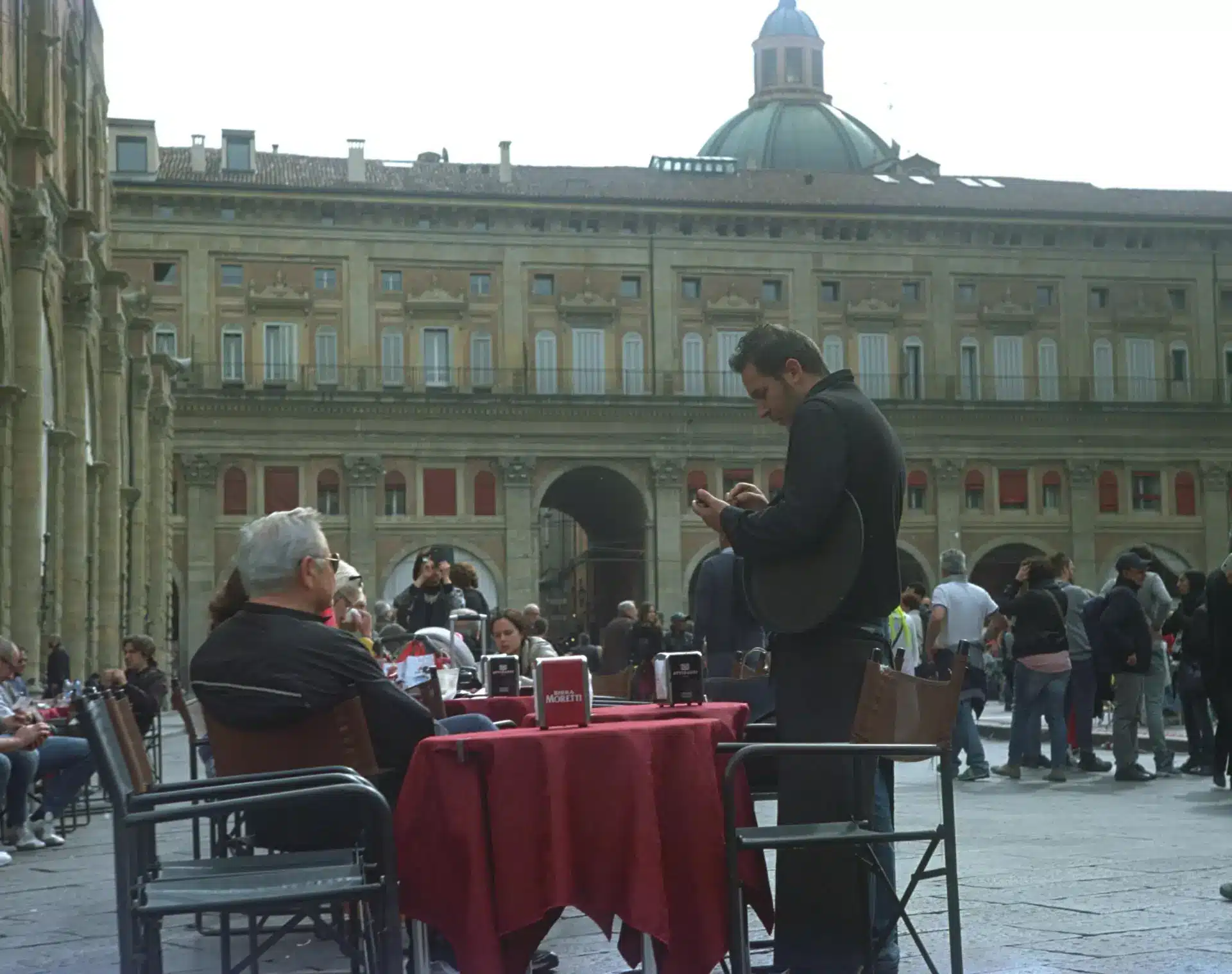
Discover essential social customs in Milan and Rome. Learn proper etiquette for dining, home visits, and daily interactions to navigate Italian culture smoothly.
Introduction
Understanding local etiquette is essential for anyone looking to integrate smoothly into Italian society, especially in vibrant cities like Milan and Rome. Each city has its own unique blend of social customs and traditions that reflect the rich tapestry of Italian culture. From the stylish fashion sense of Milan to the historic charm of Rome, knowing what manners are expected can prevent cultural misunderstandings.
For expats, grasping these subtle differences isn’t just about fitting in—it’s about showing respect and building genuine connections with locals. This article will guide you through the fascinating world of Italian social customs, offering insights into Milan etiquette and Rome manners.
You’ll learn about:
- General etiquette practices across Italy
- Specific social norms when visiting homes
- Dining customs that might surprise you
- Gift-giving traditions to keep in mind
Explore more through these resources: Italy Expat Etiquette Guide, Milan Social Guide, Rome Manners Tips. For seasonal context, connect etiquette with Italian holidays in Milan and Rome and the broader cultural calendar of major events.
General Etiquette in Italy
Understanding Italian cultural customs can be key to smooth interactions. In Italy, polite behavior often starts with greetings. Among friends and family, cheek kisses are a common way to say hello. Typically, this involves a light kiss on both cheeks. When meeting someone for the first time, a firm handshake is the norm.
Respect for elders is deeply ingrained in Italian culture. It’s customary to stand when an older person enters the room as a sign of deference. This gesture demonstrates respect and acknowledges their presence.
The importance of smart attire cannot be overstated. Italians tend to dress neatly and stylishly, even in casual settings. While casual wear might seem tempting, it’s often seen as disrespectful in more formal gatherings.
When it comes to punctuality, Italians have a relaxed attitude. Arriving 15 to 30 minutes late is generally acceptable in social settings. This flexible timing reflects a laid-back approach to social engagements.
Politeness extends to everyday interactions, such as opening doors for others. This simple act is considered courteous and is especially appreciated by the elderly and women. Embracing these aspects of Italian cultural customs helps one navigate social situations with ease and grace.
Visiting Homes in Milan and Rome
When invited to someone’s home in Milan or Rome, understanding local customs can enhance your experience and help with smoother integration. As an expat, these tips for Italy visits are crucial.
What to Bring
It’s customary to bring a small token of appreciation, such as a bottle of wine or a bouquet of flowers. This gesture shows gratitude and respect for your host’s hospitality.
Complimenting the Host
Compliments about the host’s home or the meal they have prepared are not only polite but also essential conversation starters. Expressing genuine admiration goes a long way in building rapport.
Staying for Meals
If you’re visiting close to dinner time, anticipate staying for a meal. It’s common practice, and your hosts will likely expect it. Engaging in this tradition offers a deeper connection with Italian culture.
Understanding these practices helps avoid awkward moments and fosters positive relationships. These expat tips for Italy visits ensure you make a good impression while embracing the rich cultural tapestry of Milan and Rome.
Dining Etiquette in Milan and Rome
Dining etiquette is a key aspect of Italian social customs, especially in vibrant cities like Milan and Rome. Understanding local etiquette helps expats integrate smoothly into social settings.
Starting the Meal
Begin every meal with respect and courtesy. In Italy, it’s customary to wait for the host to sit before starting your meal. Once seated, guests should wait until the host invites them to begin eating by saying “Buon appetito.”
Table Manners
Patience is a virtue at the dining table. Guests should remain seated until everyone has finished their meal. Leaving the table prematurely might be perceived as impolite. This practice emphasizes collective enjoyment and respect for communal dining experiences.
Drink Preferences During Meals
Water and wine are staples at Italian tables. While in Milan and Rome, you’ll notice that drinks like sodas or juices aren’t typically served with meals. Water or wine complements the flavors of Italian cuisine, reflecting traditional preferences.
Bread Consumption
Bread is more than just an appetizer. In Italian culture, bread is usually enjoyed alongside the main course rather than before it. Consuming too much bread beforehand might be viewed as filling up on appetizers rather than savoring the main dishes.
For further insights on Italian dining customs, explore these resources:
- Understanding Italian Dining Etiquette
- Guide to Social Customs in Italy
- Italian Cultural Norms and Etiquette
Gift Giving Practices in Italy
Understanding gift giving customs is essential for any Italy expat wanting to integrate smoothly. In Italy, presenting gifts is a gesture of goodwill and appreciation. It’s customary to open gifts in front of the giver, allowing an immediate expression of gratitude and sharing in the joy of giving.
Wrapping Gifts
When it comes to wrapping gifts, cultural sensitivities play a significant role. Avoid using black or purple wrapping paper as these colors symbolize mourning and loss. Instead, opt for vibrant and cheerful colors that convey happiness and celebration.
Bringing Specialty Foods
When bringing specialty foods from your home country as gifts, it’s wise to tread carefully. While sharing a piece of your culture can be appreciated, reactions may vary. Italians take great pride in their culinary traditions, so some might be hesitant or unsure about unfamiliar foods. It’s best to introduce such gifts thoughtfully, perhaps with a story or explanation of its significance in your culture.
These insights into Italy expat etiquette around gift-giving offer a window into the rich tapestry of Italian social customs. Embracing these practices fosters deeper connections and mutual respect between cultures, enhancing the experience for both the giver and receiver.
Tipping Practices in Italy
Understanding the tipping practices in Italy can make your experience smoother and more enjoyable. While tipping isn’t mandatory, it is appreciated in various situations.
1. Restaurants
When dining out, leaving a small tip shows gratitude for good service. Unlike some countries where a set percentage is expected, Italians often round up the bill or leave a couple of euros as a gesture of thanks.
2. Cafes and Taxis
At cafes, it’s common to round up the total when paying for your coffee or snack. This small act is customary and appreciated. Similarly, taxi drivers welcome rounded fares as a tip, making transactions simpler for both parties.
3. Hotel Staff and Service Providers
When staying at hotels, consider offering a euro per bag to porters as a token of appreciation for their assistance. Housekeeping staff also appreciate small tips left in the room upon departure.
These practices reflect a culture that values politeness and acknowledgment rather than obligation. They offer insight into how Italians express appreciation and maintain social harmony without strict rules. Such understanding enhances interactions and enriches your experience while navigating through Italy’s vibrant social landscape.
Navigating Cultural Differences as an Expat in Italy
Adapting to the local customs in Milan and Rome is crucial for any expat aiming to integrate smoothly. Understanding local etiquette goes beyond just avoiding mistakes—it’s about respecting and embracing the culture. Misunderstandings can easily lead to cultural misinterpretations, which might create obstacles in building relationships.
Key Areas to Focus On:
- Social Interactions: Familiarize yourself with social norms like greetings, which often involve cheek kisses or handshakes depending on the context.
- Dining Practices: Recognize and respect dining customs, such as waiting for the host before starting a meal.
- Respect for Elders: Understand the importance of gestures like standing up when an elder enters a room.
Helpful Resources:
To deepen your understanding, explore these resources:
These guides offer comprehensive insights into Italian social customs, assisting expats in navigating cultural nuances effectively. Engaging with these resources ensures a smoother transition and helps avoid common pitfalls that might arise from cultural differences.
Conclusion
Understanding and embracing the social customs of Milan and Rome can greatly enhance an expat’s experience, turning them from feeling like an outsider into an integral part of the lively local community. Knowing the local etiquette not only makes everyday interactions smoother but also opens doors to forming deeper connections. By respecting Milan social norms and Rome local habits, expats show a sincere appreciation for the culture, which in turn nurtures mutual respect and understanding.
Cultural knowledge serves as a bridge, breaking down barriers and facilitating a seamless integration into Italian social life. When expats familiarize themselves with these customs, they demonstrate respect for their hosts while simultaneously enriching their own experiences in Italy.
Additional Resources on Italian Etiquette and Culture
To explore further into Italian social customs, check out these resources:
- Italia Mia’s Guide to Italian Food Etiquette
- Cultural Insights on Italy by International Citizens Group
For a more comprehensive understanding, consider reading:
- Ciao! An Essential Guide to Italian Etiquette and Customs by Carla Vincenzo
- La Dolce Vita: A Journey Through Italian Social Customs by Giuseppe Russo
These materials will offer valuable insights into the subtleties of Milan social norms and Rome local habits, aiding expats in confidently navigating their new surroundings.
By engaging with these cultural resources and etiquette guides, expats can better appreciate Italy’s rich traditions, ensuring a rewarding adventure full of discovery and connection. For everyday city situations, pair this with safety tips for Milan and Rome.