
Introduction
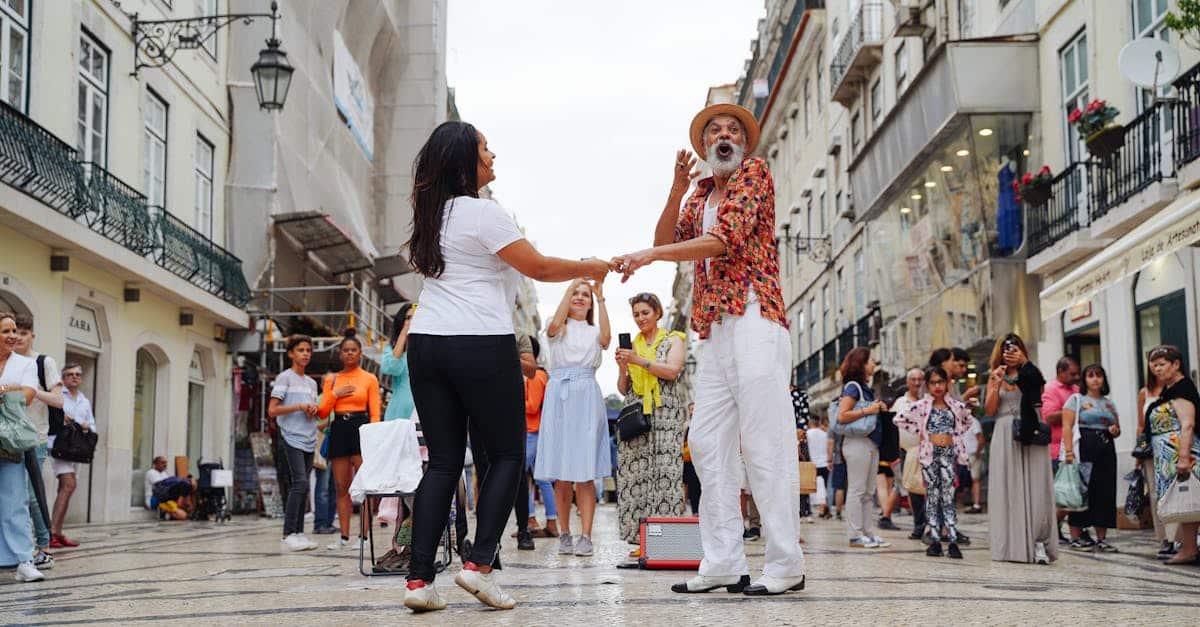
Portugal’s diverse social customs play a significant role in shaping daily interactions throughout its lively cities. By understanding the cultural etiquette of Portugal, expats can establish genuine connections and confidently navigate various social situations.
Each region of Portugal has its own unique traditions that contribute to this rich cultural landscape. In Lisbon, the capital city known for its cosmopolitan atmosphere, social customs combine modern European influences with traditional Portuguese elements. On the other hand, Porto showcases its northern charm through warm and family-oriented social practices. The city of Coimbra, home to many students, has its own distinct social dynamics influenced by its academic environment. Additionally, Braga upholds deep religious traditions that shape local customs and societal expectations.
These cultural subtleties impact various aspects of life, including:
- How people greet each other and engage in conversations
- The nature of business relationships
- The way social gatherings are organized and conducted
- Interactions within families
- Behavior in public spaces
For expats living in Portugal, taking the time to understand and embrace these social customs can lead to more authentic experiences and meaningful friendships. 10 surprising facts about life in Portugal adds useful cultural context that makes many of these customs easier to understand and appreciate.
1. Greetings and Communication Styles
Portuguese greeting customs reflect the warm, relationship-focused nature of the culture. Understanding these social norms helps create meaningful connections across Portugal’s diverse regions.
Formal Greetings
- Address people as Senhor (Mr.) or Senhora (Mrs.) followed by their surname
- Use “Bom dia” (good morning), “Boa tarde” (good afternoon), or “Boa noite” (good evening)
- Maintain eye contact while speaking
- Handshakes are standard in business settings
Informal Settings
- Two kisses on the cheeks between women or when greeting a woman
- Men typically share handshakes or abraços (hugs)
- Use first names after being invited to do so
- “Olá” or “Oi” work as casual “hello”
Regional Variations
- Lisbon etiquette tends to be more formal, especially in business contexts
- Porto cultural norms lean slightly more relaxed, with faster transitions to first-name basis
- Rural areas often maintain traditional Portuguese manners with greater emphasis on formal titles
Conversation Guidelines
- Start with light topics like food, sports, or local culture
- Ask about family (Portuguese value close family ties)
- Express interest in local traditions and festivals
Topics to Avoid
- Personal finances
- Political views
- Religious beliefs
- Comparisons between Portugal and Spain
- Critical comments about Portuguese history
- Personal questions during initial meetings
Remember to read body language and match your conversation partner’s level of formality. Portuguese people appreciate genuine interest in their culture and respond warmly to respectful communication.
2. Dress Code Expectations
Portuguese dress code etiquette reflects a blend of Mediterranean style and European sophistication. Understanding these unwritten rules helps expats navigate social situations with confidence.
Casual Settings
- Light, breathable fabrics work well for daily activities
- Clean, pressed clothing is expected even for casual outings
- Avoid overly revealing outfits, especially in smaller cities like Coimbra
- Neat jeans paired with collared shirts or blouses are acceptable
Business Attire
- Dark suits and ties for men in formal business settings
- Conservative dresses or pantsuits for women
- Quality accessories and well-maintained shoes
- Lighter fabrics in summer while maintaining professionalism
Social Gatherings
- Smart casual for dinner parties: dress shirts, slacks, or elegant dresses
- Beach attire strictly limited to coastal areas
- Formal events require suits or cocktail dresses
- Religious venues need modest clothing with covered shoulders
Regional Considerations
- Lisbon embraces contemporary European fashion
- Porto tends toward traditional business wear
- Coimbra expat etiquette leans conservative, especially in academic settings
- Coastal towns accept relaxed dress codes during tourist seasons
Seasonal Adaptations
- Layer clothing for unpredictable weather
- Light jackets or blazers for evening events
- Sun protection accessories in summer
- Waterproof options for rainy seasons
3. Dining Etiquette and Tipping Practices
Portuguese dining culture values conversation and connection. Meals serve as social occasions where relationships are built and strengthened. The food itself tells its own story — discovering Portugal’s culinary secrets reveals the dishes and traditions that define these shared moments around the table.
Essential Dining Customs
- Wait for everyone to be served before starting your meal
- Keep both hands visible on the table, not in your lap
- Place your knife and fork parallel on the plate when finished
- Leave a small portion of food on your plate to show satisfaction
- Accept second helpings when offered – it’s considered polite
Table Manners and Utensil Use
- Hold your fork in your left hand, knife in your right
- Break bread with your hands, not your knife
- Use bread to help push food onto your fork
- Place your napkin on your lap once seated
- Dab your mouth with the napkin before drinking
Meal Timing and Structure
- Lunch: 12:30-14:30
- Dinner: 20:00-22:00
- Expect multiple courses served at a relaxed pace
- Coffee is typically served after dessert
- Business meals can last 2-3 hours
Tipping Guidelines
- Restaurants: 10-15% for good service
- Taxis: Round up to nearest euro
- Bars: No tipping expected
- Hotels: €1-2 per bag for porters
- Tour guides: €5-10 per person for day tours
Regional Variations
- Porto: More formal dining etiquette
- Lisbon: Relaxed approach to dining customs
- Coastal areas: Extended lunch breaks common
- Rural regions: Traditional customs strictly observed
Portuguese dining culture values conversation and connection. Meals serve as social occasions where relationships are built and strengthened. Take time to engage in conversation between courses and show appreciation for the food and company.
4. Gift Giving Customs and Superstitions
Gift giving in Portugal represents a meaningful gesture that strengthens social bonds and shows respect for local customs. When visiting a Portuguese home, bringing a thoughtful gift demonstrates appreciation for your host’s hospitality.
Appropriate Gift Ideas:
- Quality wines or spirits
- Artisanal chocolates
- Fresh pastries from local bakeries
- Small decorative items for the home
- Books about the guest’s home country
- High-quality olive oil or regional specialties
Gift Presentation Tips:
- Present gifts with both hands
- Wrap gifts elegantly in neutral colors
- Remove price tags
- Give gifts at the beginning of the visit
Portuguese manners around gift-receiving include opening presents immediately in the presence of the gift-giver to show appreciation.
Superstitions and Taboos:
- Avoid red flowers – associated with the revolution and political statements
- Skip scissors or knives – symbolize cutting relationships
- Never give handkerchiefs – considered to bring tears and sadness
- Avoid black or purple wrapping – colors connected to mourning
- Skip giving 13 of anything – considered an unlucky number
Regional Gift-Giving Variations:
- Porto: Port wine is particularly appreciated
- Lisbon: Local gourmet products are favored
- Coimbra: University-themed gifts hold special meaning
- Braga: Religious-themed presents are well-received
When attending dinner parties, Portuguese hosts appreciate guests who arrive with regional specialties from their home country, creating opportunities for cultural exchange.
5. Punctuality and Time Management Norms
Time management in Portugal follows distinct social codes between personal and professional settings. Understanding these unwritten rules helps expats navigate social interactions with confidence.
Professional Settings:
- Arrive 5-10 minutes early for business meetings
- Email or call if running more than 5 minutes late
- Schedule important meetings between 10 AM and 5 PM
- Respect traditional lunch breaks (1-3 PM in many companies)
Social Gatherings:
- 15-20 minutes late is standard for casual meetups
- Dinner invitations have a flexible arrival window of 30 minutes
- Arriving exactly on time to a house party might catch hosts unprepared
- Weekend social plans often start later than scheduled
Regional Variations:
- Lisbon and Porto maintain stricter business punctuality
- Coastal and rural areas tend to be more relaxed with timing
- University cities like Coimbra blend academic and social schedules
- Tourist areas adjust to international expectations
Cultural Context:
- Portuguese value quality time over strict schedules
- Building relationships takes precedence over rigid timing
- Business culture increasingly adopts international standards
- Younger generations tend to be more time-conscious
Adapting to Portuguese time management requires balancing respect for local customs with professional responsibilities. Many expats find this dual approach enriches their experience in Portugal, allowing them to maintain productivity while embracing a more relaxed social rhythm.
Conclusion: Embracing Portuguese Cultural Etiquette as an Expat
Navigating Portuguese social customs enriches your expat experience and creates meaningful connections with locals. The warm, welcoming nature of Portuguese society opens doors for genuine friendships and professional relationships when you demonstrate respect for local traditions.
Your efforts to understand and practice cultural etiquette in Portugal show locals that you value their heritage. Simple gestures like:
- Greeting neighbors with “Bom dia“
- Following proper dining etiquette
- Respecting time expectations
- Dressing appropriately for occasions
- Participating in local celebrations
These actions build trust and acceptance within your community. Portuguese people appreciate expats who make sincere attempts to integrate, even if mistakes happen along the way.
Remember that cultural adaptation is a journey. Each interaction provides an opportunity to learn and grow. By embracing Portuguese customs with an open mind and genuine interest, you’ll discover the authentic charm of Portuguese life and create lasting bonds in your new home.