
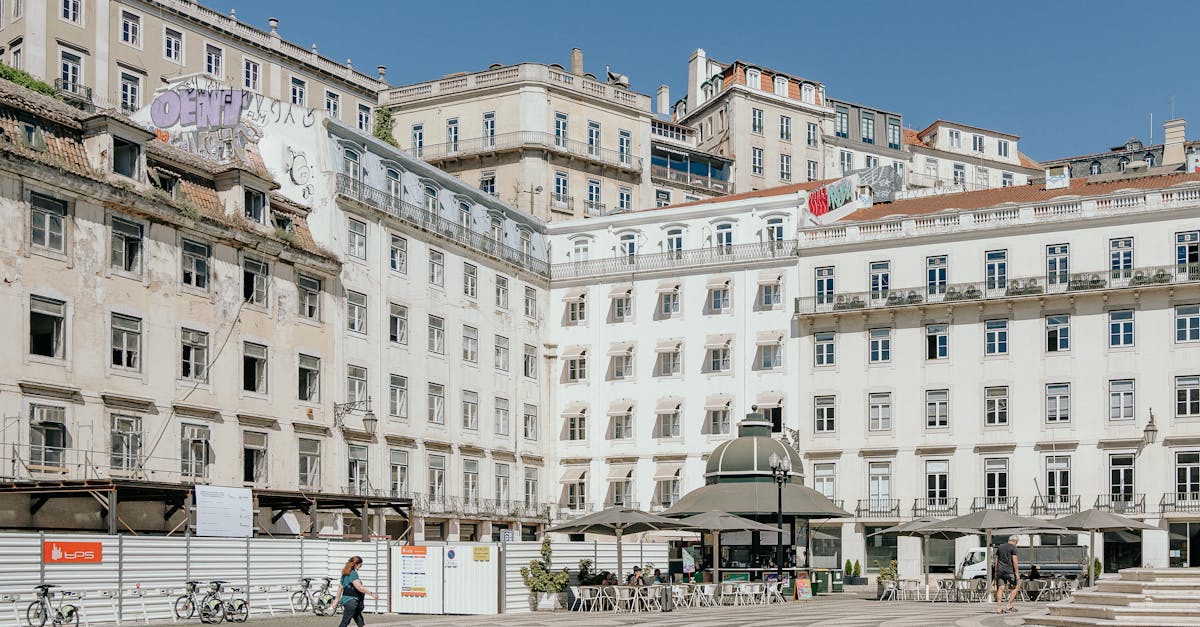
Life in Lisbon offers a unique blend of rich cultural traditions and modern urban living. The Lisbon lifestyle is known for its laid-back pace, vibrant social scene, and deep-rooted family values. For expats, Lisbon is an attractive destination due to its relatively affordable cost of living, stunning landscapes, and warm climate.
This article dives into life in Lisbon, exploring key aspects such as daily routines, local customs, and living expenses. Whether you’re considering moving to Portugal or simply curious about what it’s like to live here, these insights will help you understand the charm and appeal of Lisbon living.
1. The Local Lifestyle in Lisbon
Daily Routines and Social Life
Life in Lisbon flows at a relaxed pace. Locals enjoy simple pleasures that make daily life delightful. Common daily activities include:
- Sipping coffee at neighborhood cafés, often referred to as pastelarias.
- Taking leisurely strolls through the picturesque streets, especially in historic neighborhoods like Alfama or Bairro Alto.
These routines reflect a deeply ingrained appreciation for the moment. It’s common to see people pausing their day to enjoy a bica (a small espresso) or a glass of vinho verde (young green wine).
Socializing is essential in Lisbon’s vibrant café culture. Cafés serve as hubs where friends and family gather, share stories, and connect. This creates a strong sense of community among residents.
“The café is where you see the essence of Lisbon’s social life,” says Maria, a local resident. “It’s not just about coffee; it’s about connections.”
Whether you’re an expat in Lisbon or a lifelong resident, these social settings offer warmth and camaraderie. The city’s neighborhoods, from trendy Chiado to the laid-back vibe of Cais do Sodré, provide unique experiences and foster diverse interactions.
By embracing these routines and social habits, you immerse yourself in the authentic lifestyle of Lisbon.
Family and Community Values
Life in Lisbon thrives on strong family and community bonds. The local lifestyle places high value on close-knit relationships, with families often gathering for meals and celebrations. This sense of unity extends to the wider community. Residents frequently come together for various events, from lively street festivals to religious celebrations that highlight local traditions.
Expats in Lisbon quickly find themselves welcomed into this warm atmosphere. They adapt by participating in these communal activities, which not only enrich their social life but also help them understand the deeper cultural fabric of the city.
2. Insights into Local Customs and Traditions
Culinary Traditions: A Taste of Lisbon’s Flavors
Exploring local customs in Lisbon reveals the city’s deep connection to its gastronomy. Two dishes stand out as quintessential parts of Lisbon’s traditions:
- Bacalhau (Salted Cod): Often referred to as the national dish, bacalhau is a staple in Portuguese cuisine, with over 365 different ways to prepare it. Whether fried, baked, or served with cream, this dish is a must-try.
- Pastel de Nata (Custard Tart): This sweet treat is a beloved dessert in Lisbon. Originating from the Jerónimos Monastery, these flaky pastries filled with creamy custard are best enjoyed sprinkled with cinnamon and powdered sugar.
Dining out in Lisbon offers a rich tapestry of experiences. Visit traditional taverns known as tascas for an authentic taste of local cuisine. For a modern twist on classic dishes, trendy restaurants across the city blend tradition with innovation. For the best places to experience both, top 5 restaurants in Lisbon: a foodie’s guide has reliable picks across the capital.
Enjoying meals at these places allows you to immerse yourself in life in Lisbon, savoring flavors that have been cherished for generations. Whether sharing a plate of bacalhau with friends or indulging in pastel de nata while wandering the narrow streets, food plays a central role in daily life and social interactions here.
Local cuisine isn’t just about eating; it’s a way to connect with the culture and history of Lisbon. Each meal tells a story, inviting you to become part of Lisbon’s rich tapestry.
The Soulful Sounds of Fado Music and More
Fado music is an integral part of Lisbon’s traditions. This heartfelt genre, typically performed in small venues, narrates tales of love, heartbreak, and yearning. The haunting tunes and passionate lyrics embody the spirit of Portuguese culture.
But Lisbon’s artistic heritage goes beyond just Fado. The city also has a lively scene for modern visual arts and theater shows. Galleries display cutting-edge creations from local artists, while theaters feature performances that span from timeless plays to contemporary adaptations.
Delving into these cultural expressions provides insight into the diverse history that influences daily life in Lisbon.
3. Navigating Costs: Living Expenses in Lisbon Explained
Finding Your Ideal Neighborhood: A Guide for Expats
Choosing the best neighborhood to stay in Lisbon depends on your lifestyle and needs. Lisbon offers a variety of areas that cater specifically to expatriates. Browse verified accommodation in Lisbon on Uniplaces — listings across all the neighborhoods covered below.
1. Baixa
- The heart of downtown Lisbon.
- Known for its historic buildings and vibrant atmosphere.
- Close proximity to shops, restaurants, and public transportation.
2. Alfama
- Famous for its narrow streets and traditional Fado music.
- Offers a more authentic Portuguese experience.
- Proximity to cultural landmarks and local eateries.
3. Cascais
- A coastal town just outside Lisbon.
- Popular among expats for its beaches and relaxed lifestyle.
- Excellent schools and parks make it ideal for families.
4. Estrela
- Known for its beautiful gardens and quiet streets.
- A more residential area with good access to public transport.
- Perfect for those seeking a peaceful environment.
5. Parque das Nações
- Modern area with contemporary apartments and amenities.
- Close to the riverfront, shopping centers, and entertainment options.
- Great for young professionals and families alike.
When considering where to live, think about:
- Proximity to amenities: Schools, parks, grocery stores, etc.
- Public transport options: Metro stations, bus routes, etc.
- Local vibe: Some areas are more touristy while others offer an authentic local feel.
Understanding the cost of living in Lisbon is crucial. Living expenses in Lisbon can vary depending on the neighborhood you choose. Knowing your priorities will help you find a place that fits your budget while maximizing the quality of life in Lisbon.
Everyday Expenses: Budget-Friendly Tips for Living Well
Understanding the cost of living in Lisbon is key to managing your finances. For a detailed breakdown of housing, utilities, food, and transport costs across Lisbon’s neighborhoods, living in Lisbon: how to budget for your new life in Portugal gives realistic monthly benchmarks.
Here’s a snapshot of average costs:
Housing Costs
- One-bedroom apartment in city center: €800-€1,200
- Outside city center: €600-€900
Utility Costs
- Electricity, heating, cooling, water, garbage: about €100-€150 per month
Grocery Prices
- Milk (1 liter): €0.90
- Bread (500g): €1.20
- Eggs (12): €2.50
Dining Out Costs
- Meals at local cafés: around €10-€15
- Trendy restaurants: about €25-€40
Affordable healthcare is accessible through both public and private systems.
Compared to other European capitals, life in Lisbon is relatively affordable. Economic factors influence price variations across different neighborhoods. Researching the best neighborhoods to stay in Lisbon can help you find an area that suits your budget and lifestyle preferences.
To enjoy meals without spending too much, explore local markets and neighborhood eateries where you can savor authentic flavors at reasonable prices.
4. Education System & Healthcare Accessibility: Ensuring Well-Being for All Residents
Education System in Portugal
The education system in Portugal is designed to cater to children from a young age. Mandatory schooling begins at age six and continues until students turn 18. For expatriate families, there are both public and private institutions available.
Public Schools: Pros: Free education, immersive Portuguese language experience. Cons: Language barrier for non-Portuguese speakers, varying quality of education.
Private Schools: Pros: Bilingual education options, international curricula like IB or British systems. Cons: Higher tuition fees, limited spots available.
Healthcare in Portugal
Healthcare in Portugal is accessible and of high quality. Both public and private healthcare services are available, ensuring comprehensive medical care for residents. For a detailed comparison of costs, wait times, and what each system covers, public vs private healthcare in Portugal: what expats need to know gives a clear breakdown of the trade-offs.
Public Healthcare: Funded by taxes and provides essential health services. Accessible through the National Health Service (SNS).
Private Healthcare: Offers shorter waiting times and more personalized care. Often preferred by expats who have private health insurance.
Supporting Families Abroad: Resources Available for Expatriate Households
Lisbon is a popular destination for expatriates due to its vibrant culture and welcoming community. However, relocating can come with challenges such as language barriers and adapting to new customs.
To ease the transition:
- Language Courses: Many institutions offer Portuguese classes to help expats integrate smoothly.
- Support Networks: Joining expat communities can provide valuable resources and social connections.
- Family Services: Access to international schools, child care facilities, and family-friendly amenities make Lisbon an attractive city for expat families.
Understanding these aspects helps determine why Lisbon is often considered one of the best places for expats to live.
Conclusion: Embracing Life As An Expat In Beautiful Lisboa!
Life in Lisbon offers a unique blend of vibrant culture, delicious food, and engaging traditions. Is Portugal a good place to live? Absolutely! The local lifestyle here is rich with daily routines that encourage social interactions and community connections.
- Social Life: Enjoy coffee at neighborhood cafés or take leisurely strolls through charming streets.
- Family Values: Experience the strong family-centered culture and join community events like street festivals.
Life in Lisbon: Insights into Local Lifestyle and Traditions reveal a welcoming environment for expats. Whether visiting temporarily or considering a long-term stay, embracing Lisbon’s way of life can be rewarding.