
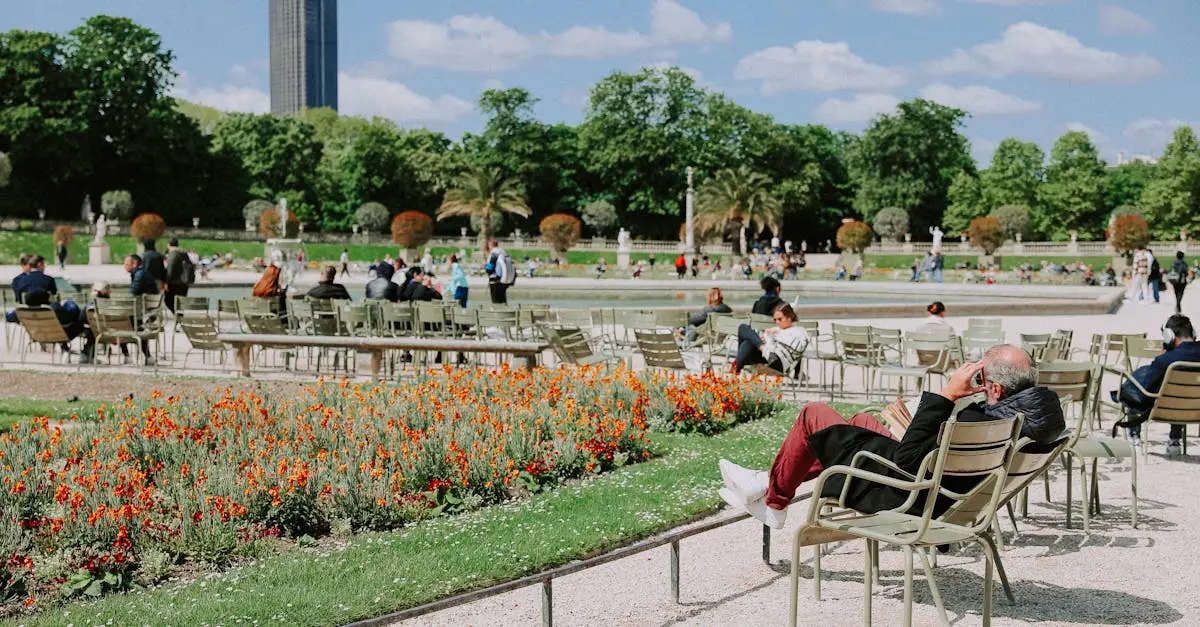
Master expat life in Paris: adapt to local traditions, explore neighborhoods, navigate costs, and savor French cuisine for a smoother transition.
Introduction
Living in Paris as an expat is an exciting yet challenging adventure. Understanding the local lifestyle and traditions of Paris is crucial to making your experience enjoyable and successful. Paris lifestyle offers a unique blend of history, culture, and daily routines that are different from what many newcomers might be used to.
Moving to Paris means facing both opportunities and obstacles. Expats in Paris often navigate the complexities of finding housing, dealing with French bureaucracy, and overcoming language barriers. Yet, these challenges also present chances for personal growth and deeper cultural immersion.
This article will provide:
- Insights into local traditions: Learn how Parisians live and interact.
- Tips for adapting to the Parisian lifestyle: Get practical advice on daily routines and transportation.
- Exploring neighborhoods: Discover the charm of various arrondissements.
- Embracing the culinary scene: Savor the best of French cuisine.
- Managing expenses: Understand the cost of living in Paris.
Whether you’re just moving to Paris or have been living here for a while, this guide aims to make your transition smoother. Embrace the local lifestyle and enjoy everything that Paris has to offer!
If you’re house-hunting, browse verified rooms and apartments on Paris listings and filter by neighborhood, budget, and move-in date.
Understanding Local Traditions in Paris
Adapting to local traditions is crucial for any new expat in Paris. Embracing the customs and norms helps you integrate better into the community.
Why Learning Local Customs Matters
Understanding Paris traditions can make daily interactions smoother. Parisians value politeness and have specific social codes. For instance, always greeting with a “Bonjour” when entering shops or starting conversations shows respect.
Common Codes of Conduct
Here are some essential etiquettes to keep in mind:
- Personal Space: Keep a respectful distance in public spaces.
- Quietness: Lower your voice on public transport and in residential areas.
- Dining Etiquette: It’s common to wait until everyone is served before eating.
Importance of Speaking French
Language plays a key role in navigating cultural differences. Even basic French can go a long way:
- Greetings: Simple phrases like “Merci” (Thank you) and “S’il vous plaît” (Please) are appreciated.
- Daily Interactions: Ordering food or asking for directions becomes easier.
Learning these local traditions will enrich your experience and help you build meaningful connections in Paris.
Adapting to the Parisian Lifestyle as an Expat
The lifestyle in Paris is full of energy and charm, shaping how expats go about their daily lives. The city’s lively atmosphere means there’s always something going on, from busy markets to spontaneous street performances. This liveliness influences daily routines, encouraging residents to embrace a mix of planning and spontaneity.
Getting Around in Paris
Getting around efficiently is key to enjoying expat life in Paris. Walking is a favorite mode of transport for many Parisians. Strolling through the picturesque streets allows you to soak in the city’s beauty and discover hidden gems. For longer distances, the Metro offers a reliable option. With 16 lines covering the city, it’s easy to get from one neighborhood to another.
Other transportation options include:
- Buses: An extensive network that complements the Metro.
- Bicycles: The Vélib’ bike-sharing system is popular for eco-friendly travel.
- Scooters: Electric scooters are scattered throughout the city for quick rides.
Adapting to these transportation methods can help you integrate smoothly into the Parisian lifestyle. Embrace walking for short trips and rely on public transport for convenience, making daily commutes hassle-free and enjoyable.
Finding Community as an Expat in Paris
Expat France can be a daunting experience, especially when it comes to socializing in Paris. Making connections with locals or fellow expatriates often feels challenging. Language barriers and cultural differences sometimes create a sense of isolation.
Challenges Faced by Newcomers
New expats may find it difficult to break into established social circles. Parisians can seem reserved initially, making it harder to form friendships quickly. The fast-paced lifestyle of the city also leaves little room for spontaneous social interactions.
Suggestions for Socializing in Paris
- Join Local Groups or Classes: Enroll in language courses or hobby classes like cooking, art, or sports. Websites like Meetup and local Facebook groups offer various options tailored to different interests.
- Attend Expat Events: Many organizations host events specifically for expatriates. These gatherings provide a relaxed environment to meet people who are also navigating life in Paris.
- Frequent Local Cafes and Parks: Regularly visiting the same spots helps build familiarity with locals. Engage in small talk; even a simple Bonjour can open doors.
Understanding local lifestyle and traditions of Paris enriches these social experiences. Learning French phrases shows respect and eagerness to integrate, easing initial interactions with locals.
Exploring Neighborhoods in Paris: Where to Stay as a Newcomer?
Finding the best neighborhoods to stay in Paris can be an adventure. Each arrondissement has its own vibe and charm, offering unique experiences for newcomers.
Le Marais is a popular choice. Known for its historic architecture and vibrant art scene, this neighborhood in Paris, France, is full of trendy boutiques and cozy cafes. It’s a favorite among young professionals and creatives who love the lively atmosphere.
Montmartre offers a different flavor. Perched on a hill, it provides stunning views of the city. Famous for its artistic history and bohemian spirit, Montmartre is perfect for those drawn to a more relaxed, yet culturally rich environment.
Choosing the right area depends on your preferences:
- Ambiance: Some prefer the bustling streets of Le Marais, while others might enjoy the quaint charm of Montmartre.
- Amenities: Consider what you need nearby—shops, parks, or entertainment options.
- Proximity to work or study: If you need easy access to certain parts of the city, factor that into your decision. The Metro system is extensive but living closer can save time.
Exploring various neighborhoods helps you find where you feel most at home. Each area has something special to offer, making Paris an exciting place to live.
Navigating the Cost of Living and Expenses of life in Paris as an Expat
Understanding the cost of living in Paris is essential for new expats. The living expenses in Paris can be quite high, but knowing what to expect helps you budget effectively.
Housing
- Rent: Expect to pay around €1,200–€2,500 per month for a one-bedroom apartment in central areas like Le Marais or Montmartre. Suburban rents can be lower, averaging around €800–€1,500.
- Utilities: Monthly costs for electricity, heating, cooling, water, and garbage collection are about €150–€200.
Transportation
- Metro Pass: A monthly Navigo pass costs approximately €75.
- Biking and walking: Many opt for biking or walking to save on transportation.
Food
- Groceries: A typical grocery bill for one person might be around €250–€400 monthly.
- Dining Out: Dinner at a mid-range restaurant is between €15–€30 per meal. Casual meals at cafes or bistros can be more affordable.
Healthcare
- Insurance: Public healthcare is available through Sécurité Sociale, and private insurance premiums range from €50–€200 per month.
- Doctor Visits: A routine doctor’s visit costs about €25.
Comparing Costs
Comparing Paris to other expensive cities:
- In London, average rent is higher, often exceeding £1,500 (€1,700) for similar apartments.
- New York City’s rents can go beyond $3,000 (€2,800), making Paris relatively affordable.
Understanding the currency in Paris, which is the Euro (€), helps in managing your finances effectively. Adapting to the local cost structure ensures a smoother transition into life in France for expats.
To reduce day-to-day friction, plan commuting with Paris public transportation.
Embracing the Culinary Scene: A Taste of Life in Paris
Food is an essential part of life in Paris. Start your day with a delicious pain au chocolat from a nearby bakery. When it comes to dinner, get ready for a long meal with several courses, showcasing the richness of French food culture.
Must-try dishes:
- Coq au vin: A classic French dish made with chicken, wine, and mushrooms.
- Croissants: Perfectly buttery and flaky pastries found at any boulangerie.
- Escargots: Snails cooked in garlic butter, a true delicacy.
Where to find them:
- Le Relais de l’Entrecôte: Famous for its steak-frites.
- Chez Janou: Known for its coq au vin and traditional ambiance.
- Marché d’Aligre: Offers fresh produce and local treats.
Exploring local markets and indulging in regional cuisine not only enriches your palate but also provides deeper insights into local lifestyle and traditions.
If you’re still choosing where to live, use Paris neighborhoods uncovered for a clear comparison.