
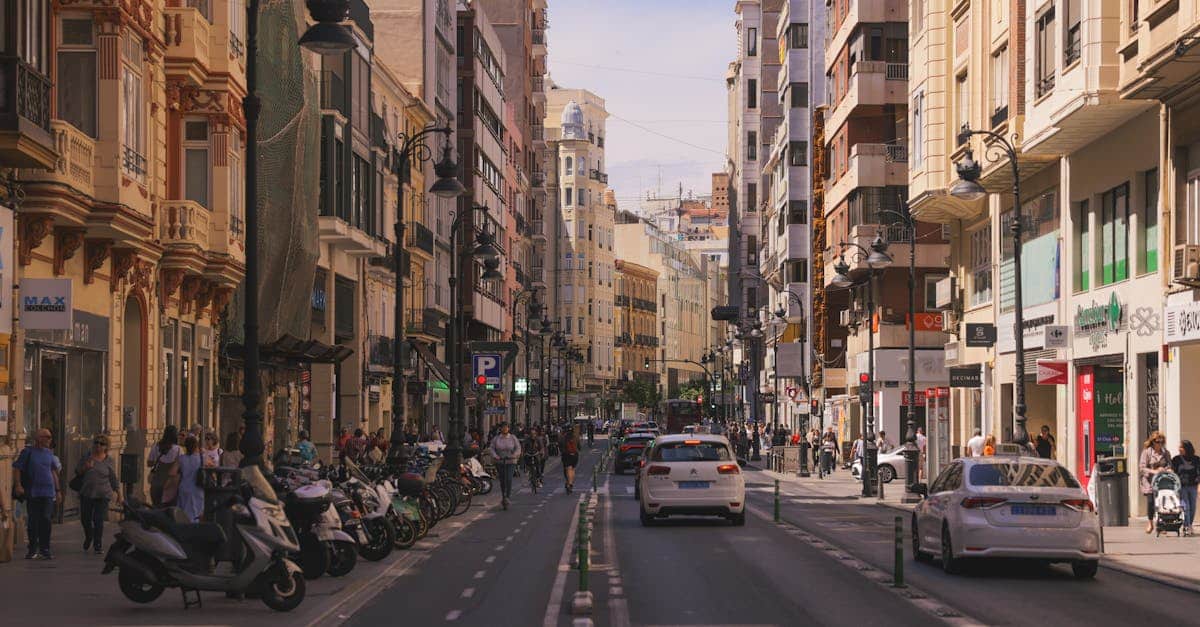
Living in Valencia offers a captivating mix of customs, traditions, and modern-day conveniences. This vibrant city on Spain’s eastern coast is known for its enchanting lifestyle that seamlessly blends cultural heritage with contemporary living. For potential renters, understanding the lifestyle in Valencia can make all the difference when setting expectations about their new homes.
Exploring Valencia customs and culture unveils a world where community bonds are strengthened through shared meals and time-honored traditions. From bustling markets to serene parks, life in Valencia is enriched by its diverse offerings.
This article provides valuable insights into the day-to-day experiences that define this city, helping future residents navigate daily life and expenses. For a broader perspective on neighborhoods, practical considerations, and what settling in Valencia looks like overall, a comprehensive guide to living in Valencia can help connect lifestyle insights with real-world decisions.
Expect to gain a clear perspective on the cost of living in this culturally rich metropolis. Whether it’s savoring local cuisine or discovering leisure activities, our guide will aid you in setting realistic expectations for your new adventure.
Understanding Daily Life in Valencia
A Glimpse into a Typical Day
Experiencing daily living in Valencia offers a unique snapshot of tradition and modernity harmonizing together. Every day unfolds with a rhythm that reflects the vibrant Valencia lifestyle, where social interactions and cultural practices are intertwined with routine activities.
Morning Beginnings:
The day kicks off with desayuno, a light breakfast enjoyed between 7:00 AM and 9:00 AM. Valencians often savor tostada con tomate (toasted bread with tomato) accompanied by café con leche (coffee with milk). This morning ritual sets the tone for a leisurely start to the day.
Mid-Morning Reprieve:
As the morning progresses, a mid-morning snack or almuerzo occurs around 10:30 AM to 12:00 PM. It’s common to see locals indulging in a bocadillo (baguette sandwich), providing a boost before diving into the busiest part of their day.
Lunchtime Gatherings:
Lunch, or comida, is considered the main event of the day, typically happening from 1:00 PM to 4:00 PM. This meal is not just about nourishment but also about community bonding. Traditional dishes like paella make their appearance here, often complemented by a menu del día offering multiple courses at an affordable price.
Afternoon Pause:
Post-lunch, the city slows down, reflecting the traditional siesta culture even as it evolves. Shops might close briefly while residents take an afternoon break known as merienda around 5:30 PM to 7:00 PM, enjoying pastries or small sandwiches.
Evening Socials:
As night falls, dinner (cena) becomes a social affair from 8:30 PM to 10:30 PM. Tapas culture thrives during this time, with small plates meant for sharing among family and friends, reinforcing communal ties.
The Valencia daily routine is more than just a schedule; it’s an embodiment of its rich traditions and lively social fabric. This flow of activities offers insight into what it’s like to live in Valencia, where each day is punctuated by moments of connection and enjoyment.
The Cultural Significance of Meal Times
Meal times in Valencia are more than just a schedule; they’re a reflection of the vibrant Valencian life style and a key part of daily living in Valencia. These moments are woven into the fabric of the culture, providing a snapshot of the tradition and day-to-day activities. Understanding what it’s like to live in Valencia means appreciating how these meal times shape social interactions.
In Valencia, each meal is an opportunity for connection:
- Breakfast (Desayuno): Often light, setting a gentle start to the day with coffee or fresh juice.
- Mid-morning snack (Almuerzo): Locals gather for this meal, where conversations flow over sandwiches or bocadillos.
- Lunch (Comida): The most substantial meal, where families and friends linger over dishes like paella from 1:00 PM to 4:00 PM, fostering deep community bonds and emphasizing the importance of shared experiences.
- Afternoon snacks (Merienda): Continuing the tradition of connecting through food.
- Dinner (Cena): Particularly during this meal, tapas become central—a communal dining experience that encapsulates the essence of Valencia’s social fabric.
For those exploring what is it like to live in Valencia, these meal traditions offer rich insights into local customs and daily routines.
Exploring the Richness of Valencia Culture
Community Bonds and Socializing Traditions
Valencia culture thrives on strong community bonds, with social interactions often revolving around food and shared experiences. Long meals are a hallmark of Valencian life, offering more than just sustenance—they’re an opportunity for connection. Gathering around a table provides a space where friends and family come together to share stories, laughter, and life events.
Tapas Culture
One of the most cherished aspects of Valencia culture is the tradition of tapas. These small, shareable dishes are perfect for fostering a sense of community. Whether it’s patatas bravas, gambas al ajillo, or jamón ibérico, each plate brings people closer in a casual and relaxed setting. The act of sharing tapas encourages conversation and interaction, making meals a communal activity rather than a solitary one.
Long Meals as Social Glue
In Valencia, meals are not rushed affairs. Lunches can extend over several hours, especially during weekends or holidays, as they are seen as opportunities to bond with loved ones. This leisurely pace allows for deeper conversations and strengthens relationships within the community. The afternoon siesta that follows is not just about rest but also serves as a natural break in the day to digest both food and friendships.
Community Life in Valencia
Valencians place great importance on maintaining close ties with family and friends. Celebrations such as Las Fallas or local festivals incorporate communal dining as an integral element, further reinforcing these connections. Social interactions often spill out into vibrant plazas and local bars where people gather to enjoy each other’s company.
Exploring these aspects provides fascinating facts about Valencia culture that highlight its emphasis on community life. Residents embrace traditions that foster togetherness and make social interaction an essential part of daily life in this beautiful city by the sea.
Embracing Tradition Amidst Modernity
Valencia culture offers a fascinating blend of tradition and modern living. One of the most notable aspects is the historical significance of the siesta, a midday break that was once an integral part of Spanish daily life. Traditionally, Valencians would pause their day, retreating to cool interiors to escape the afternoon heat. This practice fostered a unique rhythm in Valencia, allowing for longer evenings filled with vibrant social interactions.
Today, the decline of siesta culture is evident as Valencia embraces more contemporary lifestyles. The shift towards continuous workdays in urban areas reflects broader economic and societal changes. While some shops and businesses still close for a few hours in the afternoon, many have adapted to meet modern demands.
Despite these changes, community life in Valencia remains strong, with traditions adapting rather than disappearing. The Valencian lifestyle continues to be defined by rich cultural practices, blending old customs with new ways of living. Understanding these nuances provides valuable insights into the day-to-day experiences potential renters might encounter.
Facts about Valencia culture highlight this balance between tradition and modernity, offering a snapshot of daily living that is both timeless and evolving. This dynamic interplay shapes expectations for those considering making Valencia their home.
Navigating the Cost of Living in Valencia
Housing Market Insights for Renters
Valencia offers a compelling case for those seeking affordable living in Spain. The cost to live in Valencia is notably lower than in other major Spanish cities like Madrid or Barcelona, making it an attractive destination for renters.
Current Rental Trends:
- Affordable Options: Renting in Valencia can be quite economical. Whether you choose to live near the vibrant city center or opt for quieter neighborhoods, the housing prices in Valencia cater to diverse budgets.
- Diverse Neighborhoods: Areas like Ruzafa and El Carmen are popular among young professionals and students for their lively atmosphere and relatively reasonable rent. In contrast, Benimaclet offers a more laid-back vibe with affordable housing options.
- Average Rental Prices: Typically, rental costs range from €600 to €900 per month for a one-bedroom apartment in central areas. In outer neighborhoods, prices can drop to around €400 to €700.
Factors Influencing Rent:
- Proximity to Amenities: Properties closer to amenities such as public transport, schools, and shopping centers often carry higher rental prices due to convenience.
- Modern vs. Traditional Housing: While modern apartments might come with a higher price tag, traditional Valencian homes offer charm and affordability.
Renting Tips:
- Compare Listings: Utilize online platforms and local real estate agencies to compare the latest rental offerings.
- Visit Neighborhoods: Spend time exploring different areas of Valencia to find a location that fits your lifestyle and budget preferences.
- Stay Updated: Keep an eye on market trends as rental prices can fluctuate based on demand and seasonality.
The affordable living in Spain’s third-largest city makes it an ideal place for those looking to experience Spanish culture without breaking the bank.
Dining Expenses: Enjoying Local Cuisine on a Budget
Valencia offers an enticing blend of flavors without straining your wallet. Those considering the cost to live in Valencia will find dining out surprisingly affordable compared to other major Spanish cities like Madrid or Barcelona. The city’s vibrant food scene invites locals and newcomers alike to explore its culinary delights.
Dining Out in Valencia:
- Tapas Bars: A hallmark of Valencian dining, tapas bars provide a cost-effective way to sample local cuisine. Enjoying multiple small plates allows you to savor a variety of flavors at reasonable prices. A typical tapa can cost between €2 and €4, making it easy to indulge without breaking the bank.
- Meal Times and Costs:Breakfast (Desayuno): Start your day with a café con leche and tostada con tomate for around €3.
- Lunch (Comida): Many restaurants offer a menu del día for €10-€15, including an appetizer, main course, dessert, and often a drink.
- Dinner (Cena): For more relaxed dining, dinner may comprise several tapas or light dishes shared among friends, costing approximately €10-€20 per person.
The affordability aspect of living in Valencia extends beyond dining expenses. Housing prices in Valencia are more accessible than in other large cities, adding to the appeal for those renting in Valencia. This blend of affordable living in Spain makes it easier for potential renters to set realistic expectations about their new homes while enjoying Valencia’s rich lifestyle and traditions.
Insights into daily living are vital to understanding the true essence of Valencia, where tradition meets modernity seamlessly.
Enhancing Your Lifestyle with Leisure Activities in Valencia
Parks and Outdoor Spaces: Embracing Nature’s Beauty
Valencia offers a wide array of leisure activities that enhance the lifestyle of its residents. Surrounded by beautiful parks and urban spaces, Valencia is a haven for outdoor enthusiasts looking to embrace nature’s beauty. One of the most beloved parks in Valencia is Turia Park. This vibrant green space stretches over 9 kilometers through the city, providing an oasis where locals and visitors alike can unwind.
Turia Park, once a riverbed, is now a thriving hub for leisure activities. Residents enjoy jogging, cycling, or simply strolling along its picturesque paths. Families often gather here for picnics, while sports enthusiasts make use of the park’s numerous facilities such as football pitches and basketball courts. For those seeking serenity, the park’s gardens offer tranquil spots perfect for reading or meditation.
Another must-visit spot is Parque Central, a newer addition to Valencia’s urban landscape. Known for its modern design and lush greenery, it provides a perfect setting for relaxation amidst the city’s hustle and bustle. Visitors can explore its landscaped gardens, water features, and playgrounds designed for young children.
For those interested in cultural events, Valencia’s parks frequently host concerts, festivals, and art exhibitions throughout the year. These events provide unique opportunities to experience local culture while enjoying the outdoors.
Urban spaces for leisure in Valencia are not limited to parks alone. Throughout the city, charming plazas like Plaza de la Virgen offer places to meet friends or simply sit back and watch life unfold.
Whether you’re an active adventurer or someone who enjoys quiet reflection, Valencia’s parks and urban spaces promise enriching experiences that cater to all lifestyles. Their availability ensures that everyone can find their slice of nature in this vibrant city.
Cultural Institutions: Nurturing Artistic Appreciation and Historical Awareness
Valencia’s cultural institutions play a crucial role in improving the lifestyle of its residents by providing a wide range of leisure activities and fostering a love for the arts. Both locals and tourists have the opportunity to fully experience the city’s rich cultural heritage through its numerous museums.
Museums in Valencia
Here are some of the key museums in Valencia that contribute to artistic appreciation and historical awareness:
- Museo de Bellas Artes: This art museum houses an impressive collection of works from notable artists such as Goya and Velázquez. It offers a deep dive into the world of Spanish art, enriching the community’s cultural engagement.
- IVAM (Institut Valencià d’Art Modern): As one of the foremost modern art museums in Valencia, IVAM showcases contemporary works that challenge and inspire. It’s a hub for creativity, reflecting the evolving artistic landscape.
- Museo de Historia de Valencia: For those keen on historical insights, this museum provides a comprehensive overview of Valencia’s past, illustrating its journey from ancient times to modernity.
These museums serve as more than just storage places for art and historical objects; they are essential urban spaces for leisure where locals find inspiration and connection to their roots. By providing opportunities for relaxation and cultural involvement, these institutions improve everyday life in Valencia, helping newcomers grasp the lively traditions and values that shape life here.