
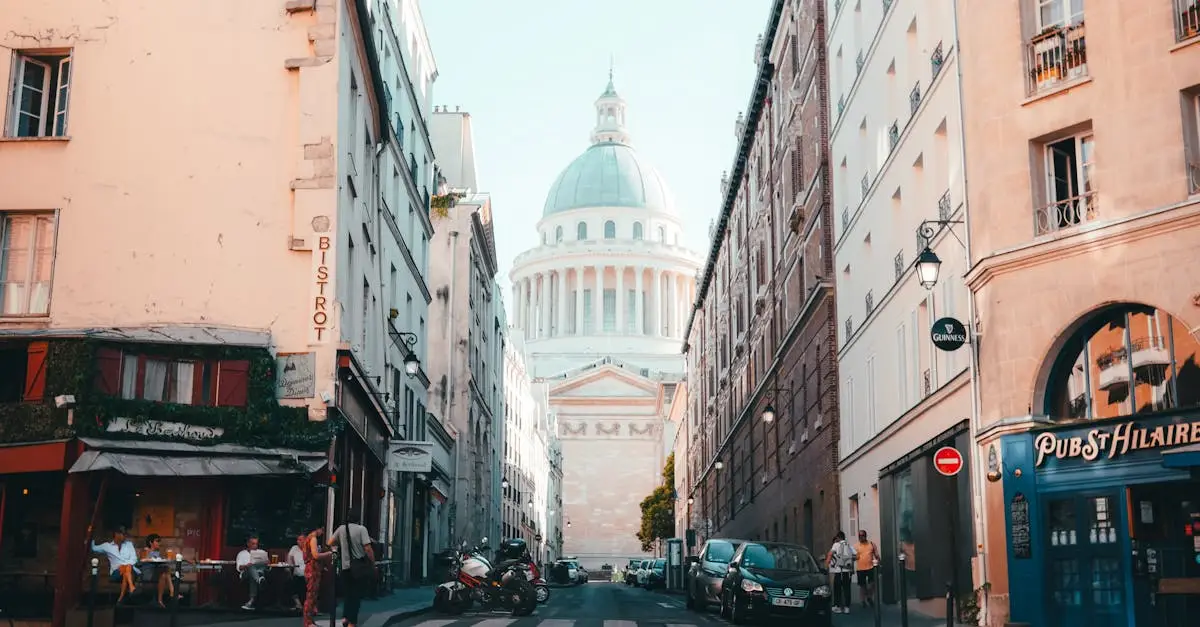
Explore Paris’s Latin Quarter, a historic district where centuries of academic excellence, vibrant culture, and student life create an authentic Parisian experience.
Located in the 5th arrondissement of Paris, the Latin Quarter is a historic district known for its long-standing academic and artistic legacy. This vibrant area has been a hub of intellectual activity since medieval times, attracting scholars and artists from all over the world.
If you’re apartment-hunting, browse verified rooms and apartments on Paris listings and filter by university access and budget.
A Place of Learning
The Latin Quarter is home to the renowned Sorbonne University, one of the oldest and most prestigious universities in Europe. The name “Latin Quarter” comes from the fact that Latin was once widely spoken here, particularly among students and professors.
Where Tradition Meets Creativity
In this lively neighborhood, ancient traditions of learning coexist with contemporary forms of artistic expression. The streets are filled with:
- Bustling cafes where lively discussions take place
- Independent bookstores that celebrate literary heritage
- Street performers who bring a modern twist to traditional art forms
- Local markets offering delicious regional cuisine
An Atmosphere of Inspiration
From sunrise to sunset, the Latin Quarter buzzes with activity as students, artists, and locals come together. The mix of medieval architecture and vibrant energy creates an inspiring environment where creativity flourishes.
This authentic Parisian neighborhood continues to be a place where knowledge-seeking intersects with artistic pursuits—a true testament to French intellectual life.
1. A Historical Perspective on the Latin Quarter
The Latin Quarter’s story begins in medieval Paris, when Latin served as the universal language of academia. In 1257, Robert de Sorbon established a small college that would evolve into the prestigious Sorbonne University, setting the foundation for Paris’s reputation as a global center of learning.
The Rise of Intellectual Exchange
By the 13th century, the area had transformed into a bustling hub of intellectual exchange. Students and scholars from across Europe flocked to study at the growing number of colleges, speaking Latin in classrooms, debates, and daily life – giving the quarter its enduring name.
Notable Institutions Shaping Academia
The district’s academic legacy includes notable institutions:
- College of France – Founded in 1530, pioneering free public education
- École Normale Supérieure – Established in 1794, shaping France’s academic elite
- École Polytechnique – Created in 1794, advancing scientific research
The Influence of Sorbonne Beyond Academics
The Sorbonne’s influence extended beyond academics, sparking revolutionary ideas and cultural movements. Its halls witnessed the birth of existentialism, surrealism, and critical philosophical debates. The university’s students played pivotal roles in historical events, from the French Revolution to the May 1968 protests.
Preserving History through Architecture
The medieval architecture of these institutions remains largely intact, with the Sorbonne’s iconic chapel and grand amphitheaters still hosting lectures. These historic buildings stand as testament to centuries of scholarly tradition, drawing thousands of students who continue to shape the Latin Quarter’s vibrant academic atmosphere.
2. Must-See Landmarks in the Latin Quarter
The Latin Quarter is home to some of the most stunning architectural treasures in Paris. Here are the must-see landmarks you shouldn’t miss:
1. The Panthéon
The Panthéon is a masterpiece of neoclassical architecture, with its grand dome visible throughout the city. Inside, you’ll find the final resting place of famous French figures such as Victor Hugo, Marie Curie, and Voltaire.
2. Jardin des Plantes
If you’re looking for a peaceful escape, head to the Jardin des Plantes. This beautiful garden features botanical gardens dating back to 1635, a Natural History Museum, an alpine garden with over 2,000 mountain species, and a small zoo that houses endangered species.
3. Cluny Museum
Art lovers will appreciate the Cluny Museum, which showcases medieval artifacts in a 15th-century mansion. Don’t miss the opportunity to see the renowned Lady and the Unicorn tapestries.
4. École des Beaux-Arts
For those interested in art history, a visit to the École des Beaux-Arts is a must. This prestigious art school was once attended by famous artists like Monet and Renoir.
5. Place Saint-Michel
Start your exploration of these landmarks at the Place Saint-Michel. Here you’ll find an iconic fountain depicting Saint Michael defeating the devil, symbolizing the eternal battle between good and evil.
Tips for visiting these landmarks:
- Buy Panthéon tickets online to skip long queues
- Visit the Jardin des Plantes early morning for peaceful walks
- Book guided tours at Cluny Museum to understand medieval art
- Check student discounts – many sites offer reduced rates
- Consider the Paris Museum Pass for multiple site access
3. The Lively Atmosphere of the Latin Quarter
The Latin Quarter is full of life and energy, thanks to its bohemian spirit and student-driven culture. You can often hear street musicians playing their tunes, while artists showcase their skills by drawing portraits along the busy Boulevard Saint-Michel. As evening falls, the neighborhood becomes even more vibrant when students leave their classrooms and fill the narrow streets.
A Hub of Intellectual Exchange
Two iconic places in this area that reflect its rich literary history are Café de Flore and Les Deux Magots. These historic cafes were once meeting spots for famous thinkers like Jean-Paul Sartre and Simone de Beauvoir during the mid-20th century. Today, they still retain their old-world charm and continue to attract students, artists, and tourists.
Theatrical Delights
The district also has a lively theater scene that adds to its colorful personality:
- Théâtre de l’Odéon – A historic venue showcasing contemporary performances
- Le Petit Journal Saint-Germain – An intimate jazz club with nightly live music
- Paradis Latin – Paris’s oldest cabaret theater, dating back to 1803
Street Performances and Cultural Adventures
The streets themselves become stages for spontaneous acts. Mime artists entertain crowds near Place Saint-Michel, while jazz quartets set up along Rue de la Huchette. Local art galleries stay open late, turning evening walks into cultural explorations.
The Influence of Sorbonne University Students
The presence of Sorbonne University students injects youthful energy into both traditional cafes and modern bistros. This fusion creates a one-of-a-kind atmosphere in the Latin Quarter—where history meets vibrancy.
4. Culinary Delights: Exploring Cafes in the Latin Quarter
The Latin Quarter cafes are the perfect places to experience authentic Parisian dining without breaking the bank. Tucked away in between cobblestone streets, these cafes offer a delightful mix of cultural heritage and affordable food.
Budget-Friendly Local Favorites:
- Le Petit Café – A charming spot serving classic French breakfast from €5
- Rue Mouffetard Market – Fresh produce and ready-made meals under €10
- Bistrot des Vosges – Daily student specials with traditional French cuisine
- La Crêperie des Arts – Sweet and savory crêpes starting at €4
Historic Student Haunts
The affordable cafes in Latin Quarter are known for being popular hangouts for students and artists. Le Reflet has been hosting poetry readings since 1954 while serving reasonably-priced daily specials. La Cave des Papilles combines wine tasting with small plates, offering student discounts during weekday afternoons.
Local Cafe Culture
Latin Quarter cafes uphold traditional French dining customs through:
- Prix fixe menus (€12-15)
- Extended lunch hours (12:00-15:00)
- Student discount cards
- Weekly cultural events
Many local cafes continue to foster the area’s academic spirit by providing free WiFi and spacious tables ideal for study sessions. The combination of affordable prices and genuine atmosphere makes these establishments vital to the neighborhood’s identity.
5. Bookstores That Define the Literary Scene in the Latin Quarter
The historic bookstores in the Latin Quarter are living testaments to Paris’s rich literary heritage.
Shakespeare and Company, perched along the Seine River, captures the essence of this literary tradition. This English-language bookstore has hosted legendary writers like Ernest Hemingway, F. Scott Fitzgerald, and James Joyce. Today, it maintains its tradition of supporting aspiring writers through its “Tumbleweed” program, offering accommodation to traveling writers in exchange for helping at the store.
Notable bookstores in the Latin Quarter:
- La Librairie du Quartier Latin: A treasure trove of academic texts and rare manuscripts
- San Francisco Book Company: Specializing in second-hand English books
- Abbey Bookshop: A Canadian-owned gem housing over 35,000 titles
- Gibert Joseph: A multi-story haven for students and book lovers
These unique bookshops serve as cultural anchors, fostering intellectual discourse and artistic expression. Small reading groups gather in hidden corners, poetry readings fill evening hours, and passionate discussions spark between shelves. The Latin Quarter’s bookstores create intimate spaces where literature transcends mere commerce.
The area’s bookstores maintain their authentic charm through carefully curated collections and personalized recommendations. Many shops feature wooden shelves reaching to the ceiling, rolling ladders, and that distinctive old-book scent that bibliophiles cherish. These spaces continue to inspire new generations of writers and readers, preserving the Quarter’s status as Paris’s literary heart.
Navigating Gentrification Challenges in the Latin Quarter
The Latin Quarter is undergoing significant changes as rising property values reshape its historic landscape. Local businesses, especially independent bookshops and traditional cafes, are struggling with skyrocketing rents. In 2021, the iconic Gibert Jeune bookstore closed its doors after 134 years of serving students.
Key Changes Affecting the District:
- Rent increases of 30-50% for commercial spaces
- Replacement of student-friendly establishments with luxury boutiques
- Declining number of affordable housing options for students
- Transformation of family-owned businesses into chain stores
Local community groups have launched initiatives to protect the Quarter’s student-centric character. The Sauvons le Quartier Latin (Save the Latin Quarter) movement advocates for rent control measures and preservation of historic storefronts. Their efforts include:
- Organizing protests against commercial development projects
- Creating support networks for threatened local businesses
- Proposing legislation to protect cultural heritage sites
- Developing student housing cooperatives
The Sorbonne University is actively involved in these preservation efforts, working alongside local organizations to maintain affordable spaces for students. Recent successes include the establishment of subsidized student cafes and the creation of community-managed study spaces in historic buildings. If you would like to know more about student integration, see French university culture and practical routines.
The district’s transformation reflects broader changes in Paris, yet grassroots movements demonstrate the community’s commitment to preserving the Latin Quarter’s unique academic spirit and cultural heritage.
Conclusion
The Latin Quarter is a vibrant neighborhood in Paris that embodies the city’s intellectual spirit and cultural heritage. It seamlessly blends centuries-old traditions with modern student culture, making it an authentic representation of Parisian life.
From the prestigious halls of La Sorbonne to the inviting atmosphere of Shakespeare and Company, every corner of this district has a story to tell about artistic and academic excellence.
What makes the Latin Quarter truly charming is its ability to retain its character despite the passage of time. Whether you’re enjoying a cup of coffee at Café de Flore, exploring ancient bookstores, or leisurely strolling through medieval streets, this neighborhood offers an experience that encapsulates both the history and present-day essence of Paris.
The Latin Quarter is more than just a place for tourists to visit; it is a vibrant community that actively contributes to shaping the cultural landscape of Paris.
Want a broader overview of where to live? Explore Paris neighborhoods uncovered to compare areas and find the best match.