
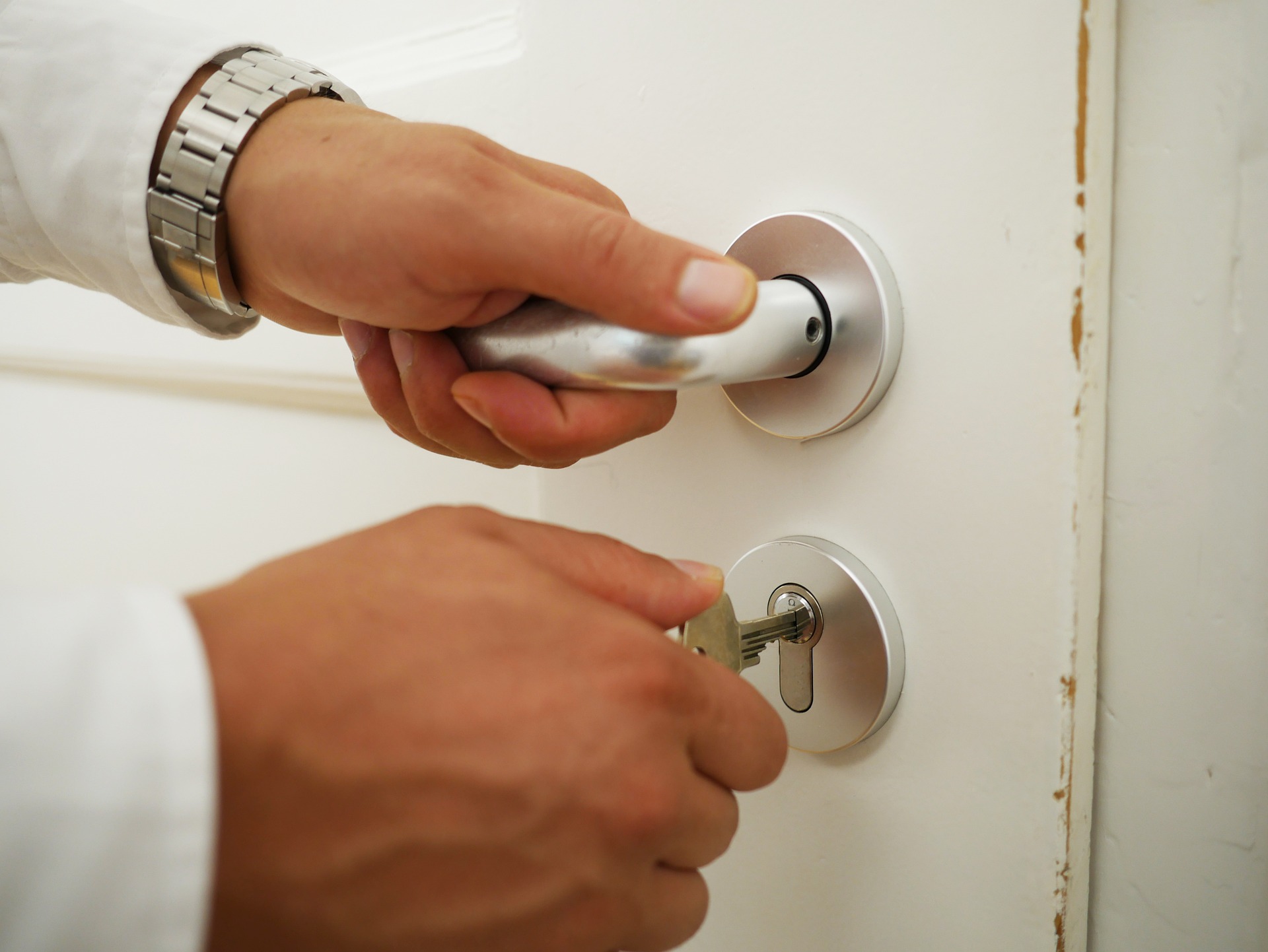
Living with roommates brings unique challenges when it comes to protecting your belongings. From accidental spills on your laptop to missing jewelry, sharing a living space puts your personal items at risk. That’s why having the right insurance coverage and safety measures is crucial for your peace of mind.
This guide explores essential strategies to safeguard your possessions, including:
- Getting the right renter’s insurance coverage
- Creating secure storage solutions for valuables
- Setting clear boundaries with roommates
- Handling property damage situations
- Identifying unsafe living conditions
- Finding new housing when needed
Whether you’re a first-time renter or experienced in shared living, these practical tips will help protect your belongings and create a safer living environment.
Understanding Renter’s Insurance
Renter’s insurance is like a financial safety net for you. It protects your belongings in case something unexpected happens. This important coverage comes into play when your personal items get damaged, stolen, or lost in your rental home.
What Does a Renter’s Insurance Policy Cover?
A standard renter’s insurance policy usually includes:
- Personal Property Coverage: This part of the policy protects your belongings from theft, fire, vandalism, and certain natural disasters.
- Liability Protection: If someone gets injured in your rental space and decides to sue you, this coverage will take care of the legal expenses.
- Additional Living Expenses: If your rental becomes uninhabitable due to a covered event (like a fire), this coverage will help with temporary housing costs.
- Medical Payments: If guests get injured on your property, this coverage will assist with their medical bills regardless of who is at fault.
How Much Coverage Do You Need?
The amount of coverage you have should match the total value of your possessions. To figure this out, it’s a good idea to do a quick home inventory. Take photos of your items and keep receipts for any big purchases you make. Most renter’s insurance policies cost between $15-30 per month, which is an affordable way to protect thousands of dollars worth of belongings.
Additional Coverage Options
While standard renter’s insurance policies provide good coverage, there are certain situations where you might need extra protection. Here are some common scenarios:
- High-value items: If you own valuable possessions such as jewelry, artwork, or expensive electronics that exceed the limits set by your policy, consider adding additional coverage specifically for these items.
- Water damage: Standard policies may not cover water damage caused by plumbing issues or sewer backups. If you’re concerned about potential water-related risks in your rental property, look into adding specific endorsements for this type of damage.
- Natural disasters: Depending on where you live, certain natural disasters like earthquakes or floods may not be included in standard renter’s insurance policies. If you’re at risk for such events, it’s important to purchase separate policies or endorsements to protect against them.
By understanding what renter’s insurance covers and assessing your specific needs, you can ensure that you have adequate protection for yourself and your belongings.
Securing Your Valuables in Shared Spaces
Living with roommates requires smart strategies to protect your belongings. Start by creating a detailed inventory of your personal items – take photos and note serial numbers of electronics, jewelry, and other valuables. Store this list digitally and share it with your insurance provider.
Establishing Clear Ownership Boundaries
Here’s how to establish clear ownership boundaries:
- Label your items with your name or initials
- Keep receipts for expensive purchases
- Document pre-existing damage to shared items
- Set up a shared spreadsheet tracking who owns what
Implementing Security Measures
Implement these security measures to protect valuable items:
- Install a personal safe bolted to the floor or wall
- Use locked storage units or cabinets for important documents
- Add keyed locks to your bedroom door
- Consider a small security camera for your private space
- Store irreplaceable items in a bank safety deposit box
Creating a Roommate Agreement
Create a roommate agreement addressing:
- Borrowing policies for personal items
- Responsibility for damages
- Guest policies and access to shared spaces
- Protocol for lost or damaged items
- Cleaning schedules for shared storage areas
Remember to regularly update your inventory list as you acquire new items or remove old ones. A well-organized system prevents misunderstandings and protects your belongings in shared living spaces.
Handling Damages Caused by Roommates
Living with roommates requires clear expectations and boundaries. Start by creating a shared document outlining responsibilities for common areas and personal spaces. Include specific guidelines about:
- Cleaning schedules
- Shared item usage
- Guest policies
- Quiet hours
- Damage reporting procedures
When accidents happen, address them immediately. Here’s a step-by-step approach to handling damages:
- Document the damage – Take photos and note the date
- Talk face-to-face – Have a calm discussion about what happened
- Review lease terms – Check your responsibilities as tenants
- Contact insurance – File a claim if needed
- Create a repair plan – Agree on timeline and cost-sharing
For serious incidents, keep written records of all communications and repair costs. Consider setting up a shared emergency fund for unexpected damages – each roommate can contribute monthly to cover potential repairs.
Remember to check your renter’s insurance policy coverage for roommate-caused damages. Some policies exclude coverage for intentional damage by co-residents, making it essential to understand your protection limits.
Safety Tips for Shared Housing
Living with roommates requires smart safety practices to protect everyone in the house. Here are essential safety tips for shared housing that create a secure environment:
Basic Security Measures
- Install deadbolts on all exterior doors
- Use window locks and security bars for ground-floor windows
- Set up motion-sensor lights around entry points
- Keep emergency numbers visible in common areas
Smart Home Security
- Install a video doorbell to monitor visitors
- Use smart locks with unique codes for each roommate
- Set up security cameras in shared spaces (with everyone’s consent)
- Enable mobile notifications for security alerts
Guest Policies
- Create a shared calendar for overnight guests
- Set quiet hours and visiting time limits
- Require roommate notification before bringing guests
- Establish rules about sharing guest access codes
Shared Responsibilities
- Create a check-off system for locking up at night
- Rotate security system monitoring duties
- Share emergency contact information
- Maintain a group chat for safety updates
Remember to document all safety agreements in your roommate contract and review these protocols regularly to ensure everyone stays committed to household security.
Recognizing Toxic Living Situations and When to Move Out from Roommates
Living with roommates can turn challenging when certain behaviors cross healthy boundaries. Watch for these warning signs of toxic living situations:
- Constant Arguments: Regular fights about basic household responsibilities or personal boundaries
- Financial Manipulation: Late rent payments, refusing to pay shared bills, or pressuring you to cover their expenses
- Invasion of Privacy: Entering your room without permission, using personal items without asking
- Passive-Aggressive Behavior: Silent treatment, leaving hostile notes, or making snide comments
- Disrespect for Shared Spaces: Leaving common areas messy, hosting parties without notice, or ignoring agreed-upon rules
Your safety and mental health matter. Consider moving out if you experience:
- Feeling anxious or stressed when returning home
- Walking on eggshells around your roommates
- Missing personal items or money
- Noticing signs of substance abuse or concerning behavior
- Dealing with repeated boundary violations
- Physical or verbal intimidation
Trust your instincts – if you feel unsafe or consistently unhappy in your living situation, start planning your exit strategy. A toxic living environment can impact your mental health, work performance, and personal relationships.
Finding a New Place to Live Smoothly
Ready to start apartment hunting? Here’s how to navigate your search while maintaining peace in your current living situation:
Search Strategies
- Set up email alerts on rental websites to catch new listings quickly
- Schedule viewings during your lunch break or after work
- Save apartment photos and details in a private folder
- Use incognito mode when browsing to keep your search private
Managing Current Living Arrangements
- Keep paying rent and bills on time
- Maintain your regular cleaning schedule
- Stay neutral in roommate conflicts
- Continue following house rules
Communication Tips
- Choose a calm moment to share your plans
- Give proper notice according to your lease
- Focus on your needs rather than criticizing others
- Be clear about move-out dates and expectations
Practical Steps
- Start packing gradually using discrete storage boxes
- Label boxes with neutral terms
- Store packed items at a friend’s place if needed
- Document the condition of shared spaces
- Take photos of your room and belongings
Remember to protect your security deposit by following proper move-out procedures and maintaining a professional attitude throughout the transition.
Conclusion
Living with roommates brings unique challenges that require smart planning and proactive measures. Protecting your belongings through renter’s insurance creates a safety net for unexpected situations. A combination of physical security measures and clear communication helps maintain peace of mind in shared spaces.
Building healthy roommate relationships starts with mutual respect and understanding. Set clear boundaries, establish shared responsibilities, and address concerns promptly. Remember – your comfort and safety matter. Trust your instincts when evaluating your living situation.
Take charge of your living space by implementing these insurance and safety hacks. Create a secure environment that allows you to focus on building positive connections with your roommates while protecting what matters most to you.
External Resources
Ready to take action? Here are trusted resources to help protect your belongings and create a safer living space:
Insurance Providers:
- Allstate Renters Insurance – Compare coverage options and get a personalized quote
- Nationwide Renters Insurance – Learn about policy features and start your application
Safety Resources:
- National Crime Prevention Council – Expert tips on home security and personal safety
- USA.gov Rental Housing Rights – Official guidance on tenant rights and responsibilities
University Housing Resources:
- Berkeley Student Legal Services – Rental Guide – Comprehensive guide for shared housing safety and security
These resources provide in-depth information to help you make informed decisions about insurance coverage and implement effective safety measures in your shared living space.