
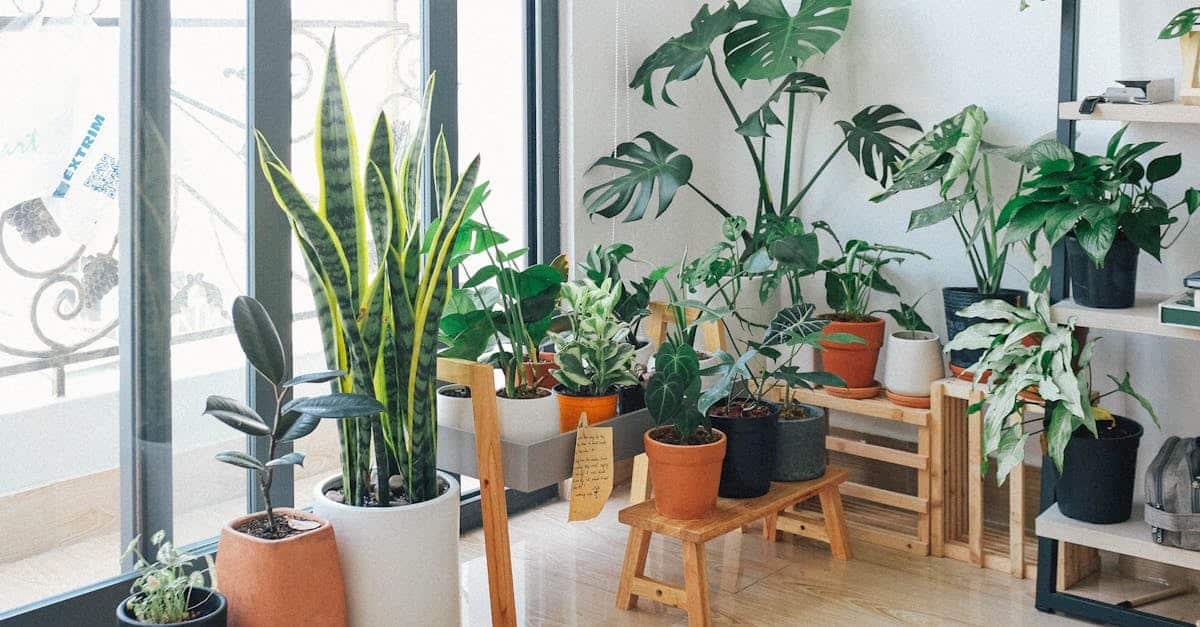
Did you know we spend about 90% of our time indoors? The air we breathe inside our homes can be 2-5 times more polluted than outdoor air. This makes indoor air quality a crucial factor in our health and well-being.
The good news? You don’t need expensive equipment to breathe cleaner air. Simple DIY air purification methods can transform your indoor environment into a fresher, healthier space. From strategic placement of air-purifying plants to creating natural air fresheners, these solutions are both effective and budget-friendly.
Nature offers powerful tools for cleaner air. Plants like Peace Lily and English Ivy act as natural air filters, removing common pollutants from your home. Combined with homemade air fresheners and natural cleaning products, you can create a comprehensive air purification system that works around the clock.
Ready to take control of your indoor air quality? Let’s explore these natural solutions that will help you create a healthier living space for you and your family.
Understanding Indoor Air Quality
Indoor air quality refers to the condition of air within enclosed spaces, particularly focusing on its impact on human health and comfort. The air inside our homes can contain up to 5 times more pollutants than outdoor air, making it crucial to understand what we’re breathing.
Common Indoor Air Pollutants:
- Radon – A radioactive gas that seeps through foundation cracks
- Secondhand Smoke – Contains over 7,000 chemicals, including 70 known carcinogens
- Formaldehyde – Released from pressed wood products, furniture, and some fabrics
- Volatile Organic Compounds (VOCs) – Found in paints, cleaners, and air fresheners
- Biological Pollutants – Includes mold, dust mites, and pet dander
Health Effects of Poor Indoor Air Quality:
- Short-term impacts:
- Headaches and dizziness
- Eye and throat irritation
- Fatigue
- Allergic reactions
- Long-term health risks:
- Respiratory diseases
- Heart disease
- Cancer (particularly from radon exposure)
- Chronic allergic conditions
These toxins in home environments can affect different people in various ways, with children, elderly, and those with pre-existing conditions being particularly vulnerable. Understanding these pollutants helps identify effective purification strategies and create healthier living spaces.
Essential DIY Air-Purifying Hacks
Transform your indoor air quality with these natural, cost-effective solutions. Let’s explore how nature’s own air purifiers can create a healthier living space.
1. Using Plants to Enhance Air Quality
NASA’s Clean Air Study identified several plants that excel at removing common indoor pollutants. Here are the top performers for your home:
Snake Plant (Dracaena trifasciata)
- Filters benzene, formaldehyde, trichloroethylene
- Thrives in low light conditions
- Requires minimal watering
- Perfect for bedrooms – converts CO2 to oxygen at night
Peace Lily (Spathiphyllum)
- Removes ammonia, benzene, formaldehyde
- Tolerates various light conditions
- Shows visible signs when needs watering
- Ideal for bathrooms and laundry rooms
English Ivy (Hedera helix)
- Eliminates airborne fecal particles
- Reduces mold in the air
- Adaptable to different light levels
- Great for hanging baskets
Plant Placement Tips:
- Position 1-2 plants per 100 square feet
- Place in rooms where you spend most time
- Keep away from direct AC/heating vents
- Ensure good air circulation around leaves
Care Guidelines:
- Clean leaves monthly to maximize air-filtering
- Check soil moisture weekly
- Maintain room temperature between 60-75°F
- Rotate plants quarterly for even growth
These green air purifiers work best as part of a comprehensive air quality strategy. Their natural filtering abilities complement other purification methods while adding beauty to your living space.
🌿 Shop Snake Plants on Amazon 🌺 Find Peace Lilies at Home Depot 🍃 Purchase English Ivy at Lowes
2. Homemade Air Fresheners
Create your own natural air fresheners to eliminate unwanted odors without harsh chemicals. These DIY solutions work alongside air-purifying plants to maintain fresh indoor air.
Essential Oil Room Spray Recipe:
- 1 cup distilled water
- 10-15 drops essential oil
- 1 tablespoon witch hazel
- Glass spray bottle
Natural Gel Air Freshener:
- 2 cups water
- 4 packets unflavored gelatin
- 20 drops essential oil
- 1 tablespoon salt
- Heat-safe glass jar
Popular Essential Oil Combinations:
- Energizing Blend: Lemon + Peppermint + Rosemary
- Calming Blend: Lavender + Vanilla + Chamomile
- Fresh & Clean: Tea Tree + Eucalyptus + Pine
These natural alternatives offer distinct advantages over commercial air fresheners:
- No artificial chemicals or synthetic fragrances
- Cost-effective long-term solution
- Customizable scents based on preference
- Safe for homes with pets and children
Quick Deodorizing Tips:
- Place bowls of baking soda in problem areas
- Simmer cinnamon sticks and citrus peels
- Use dried herbs in sachets for closets and drawers
- Add essential oils to cotton balls and place near air vents
Experiment with different scent combinations and strengths until you find your perfect blend. Store homemade fresheners in dark glass containers away from direct sunlight to preserve their effectiveness.
3. Toxin-Free Cleaning Practices
Creating a healthy indoor environment starts with choosing the right cleaning products. Natural cleaners like lemon juice and baking soda pack powerful cleaning properties without harmful chemicals. Mix baking soda with water to create an effective scrub for sinks and tubs, or use lemon juice to disinfect surfaces naturally.
Essential Floor Care Tips:
- Vacuum with HEPA filters to trap microscopic particles
- Clean hardwood floors with vinegar and water solution
- Use microfiber mops to capture dust without chemicals
- Remove shoes at the door to prevent tracking pollutants
Smart Home Material Choices:
- Select low-VOC or zero-VOC paints for walls
- Choose solid wood furniture over pressed wood
- Opt for natural fiber carpets and rugs
- Install hard surface flooring when possible
DIY All-Purpose Cleaner Recipe:
- 2 cups water
- 1/4 cup white vinegar
- 1/2 lemon, juiced
- 10 drops tea tree oil
Store cleaning supplies in glass containers and label them clearly. Replace commercial cleaners gradually with natural alternatives to maintain a toxin-free environment. Clean high-touch surfaces daily with these gentle yet effective solutions to reduce chemical exposure while maintaining a spotless home.
Maintaining a Healthy Indoor Environment with Proper Humidity Levels and Ventilation Strategies
Creating an optimal indoor environment requires careful attention to humidity control and proper ventilation. These two factors play crucial roles in maintaining healthy air quality within your living space.
Optimal Humidity Control
The sweet spot for indoor humidity lies between 30-50%. Here’s how to maintain these levels:
- Use a hygrometer to monitor humidity levels
- Place dehumidifiers in moisture-prone areas like basements
- Empty dehumidifier collection tanks regularly
- Run bathroom exhaust fans during showers
- Fix leaky pipes and faucets promptly
Smart Ventilation Practices
Fresh air circulation helps eliminate stale air and reduces indoor pollutant concentrations. Try these ventilation strategies:
- Open windows for 5-10 minutes daily, even in winter
- Create cross-ventilation by opening windows on opposite sides
- Use window fans to boost air exchange
- Clean air vents and replace filters monthly
- Schedule professional HVAC maintenance twice yearly
Seasonal Considerations
Different seasons require adjusted approaches to humidity control:
Summer
- Run dehumidifiers during humid weather
- Use ceiling fans to improve air circulation
- Keep AC units well-maintained
Winter
- Consider using a humidifier to prevent dry air
- Check window seals for drafts
- Leave interior doors open for better airflow
Pro Tips for Apartment Dwellers
Limited control over building systems? Try these apartment-friendly solutions:
- Position portable fans near windows
- Use standalone air purifiers
- Keep interior doors open when possible
- Place moisture-absorbing products in closets and bathrooms
- Request regular HVAC maintenance from property management
Remember to adjust these strategies based on your local climate and living situation. A combination of proper humidity control and ventilation creates an environment where air-purifying plants and natural cleaning methods can work most effectively.
Conclusion
Creating a healthier indoor environment doesn’t require expensive equipment or complex solutions. DIY air purification methods offer practical, cost-effective ways to transform your living space. By incorporating air-purifying plants, crafting natural fresheners, and implementing toxin-free cleaning practices, you’re taking active steps toward better air quality.
Start small – place a peace lily in your living room or mix your first batch of essential oil freshener. Each positive change builds momentum toward a fresher home environment. The natural approach to air purification brings additional benefits:
- Sustainability – Reduced reliance on synthetic products
- Cost savings – DIY solutions are budget-friendly
- Personal satisfaction – Creating your own natural purifiers
- Health benefits – Decreased exposure to harmful chemicals
Your journey to better indoor air quality starts today. Take control of your home environment with these natural purification methods. Small changes in your daily habits can create significant improvements in the air you breathe. Make the commitment to healthier indoor living – your body will thank you.
🌿 Explore our curated collection of air-purifying plants 🍋 Discover natural cleaning recipes 💨 Learn more DIY air freshener techniques