
Introduction
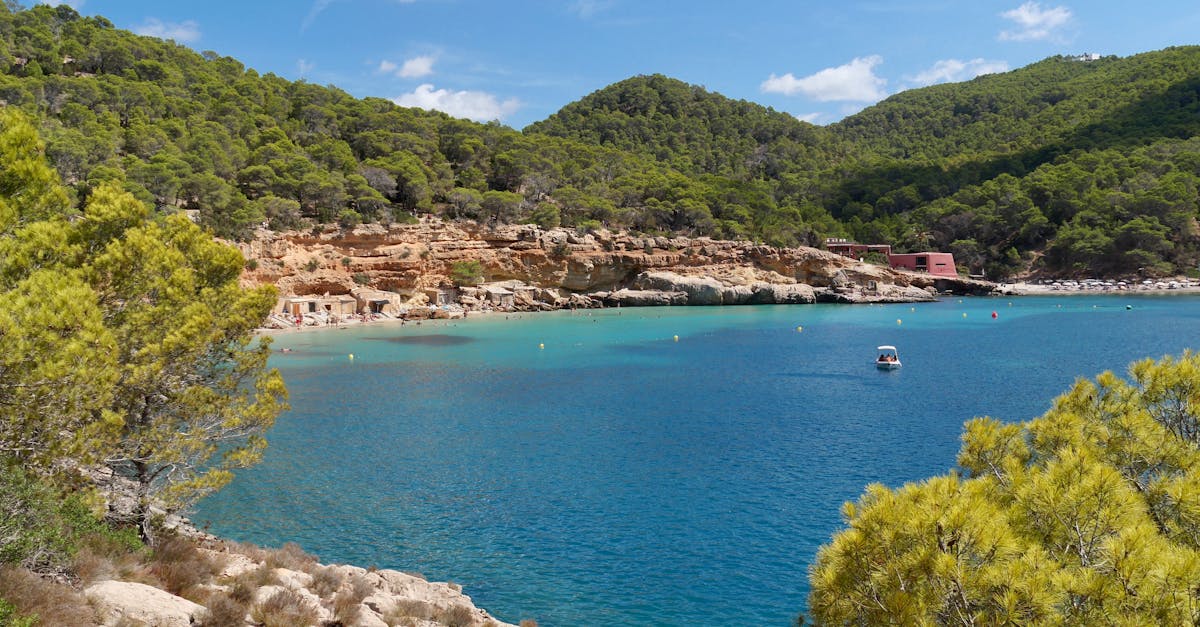
Spain’s identity is deeply rooted in its culture and landscapes. From high plateaus and dramatic mountain ranges to fertile valleys and coastlines, geography has shaped the country’s history, architecture, and cultural diversity.
Exploring Spain means understanding how its physical environment influenced civilizations, regional identities, and traditions that continue to define the country today.
Major Geographical Features of Spain
Spain’s landscapes are structured around several key geographical elements.
The Meseta Central
This central plateau has historically shaped:
- Settlement patterns
- Agriculture
- The rise of major cities like Madrid and Toledo
Mountain Ranges: Pyrenees and Sierra Nevada
- Natural borders and historical divisions
- Strategic importance throughout history
- Strong regional identities
Rivers and Fertile Valleys
Major rivers such as the Ebro and Guadalquivir enabled:
- Agricultural development
- Trade routes
- Cultural exchange between regions
Landscapes and Historical Influences
Spain’s geography provided the stage for centuries of cultural exchange.
Key historical layers include:
- Roman infrastructure and urban planning
- Moorish architecture and agricultural systems
- Jewish intellectual and cultural contributions
These influences remain visible in Spain’s cities, monuments, and regional customs.
Cultural Diversity Across Regions
Spain is not culturally uniform — its geography has reinforced strong regional identities over centuries. In Andalusia, Moorish heritage shapes architecture, music, and flamenco traditions, while Catalonia stands out with its distinct language, civic culture, and local customs. In the Basque Country, ancient linguistic roots and deeply rooted traditions continue to influence everyday life. Together, these differences highlight how Spanish traditions and regional customs vary widely across the country, shaping social norms, celebrations, and daily interactions in each region.
Landscapes and Heritage Sites
Many of Spain’s most important heritage sites are inseparable from their surroundings.
Examples include:
- Mountain fortresses
- Coastal trade cities
- Agricultural landscapes shaped over centuries
These sites reflect how geography and culture evolved together.
Geography and Modern Spanish Life
While landscapes shaped Spain’s past, they continue to influence modern life in very practical ways. Climate and terrain affect regional economies, local food traditions, and the rhythm of seasonal celebrations across the country. From coastal communities built around tourism and seafood to inland regions shaped by agriculture and climate extremes, how landscapes influence everyday life in Spain remains visible in work patterns, social habits, and cultural expression.
Tourism and Cultural Discovery
Spain’s geographical diversity offers travelers a wide range of experiences:
- Coastal cities shaped by maritime trade
- Mountain towns rooted in seasonal traditions
- Urban centers influenced by surrounding terrain
Understanding the land adds depth to exploring Spain’s cities, festivals, and cultural heritage.
Conclusion
Spain’s landscapes are inseparable from its culture. Mountains, plains, rivers, and coastlines shaped history, traditions, and regional identities that continue to define the country today.
Exploring Spain through its geography offers a deeper understanding of how the land itself became a foundation for culture, heritage, and modern life.