
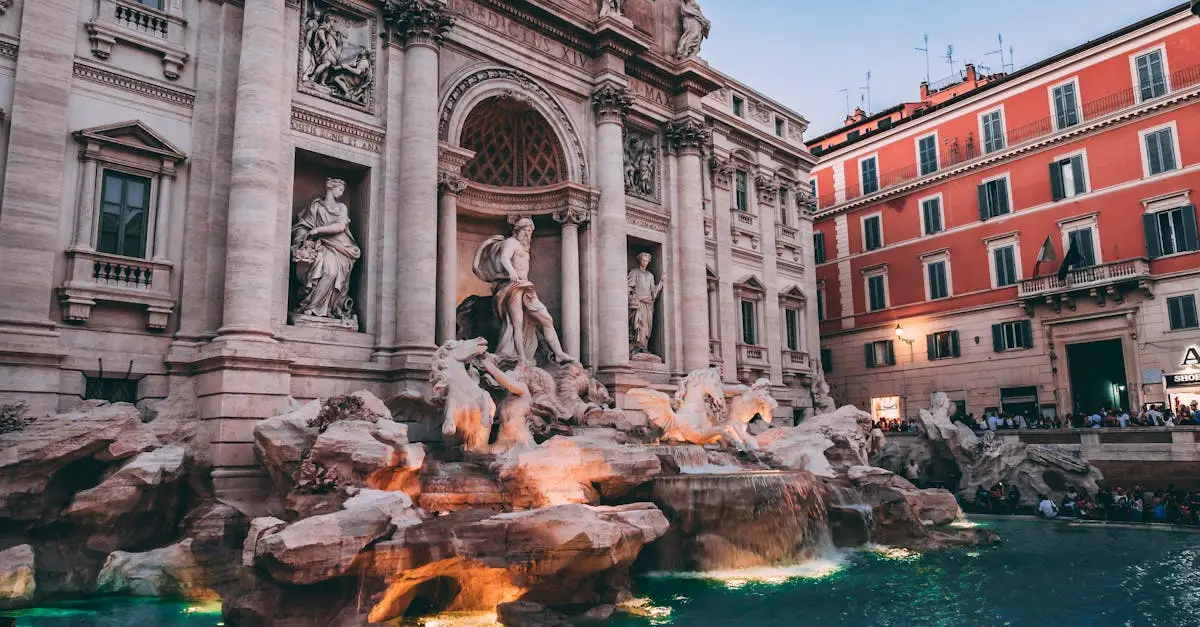
Rome is a city full of history and charm, with many different neighborhoods, each with its own personality. From the artsy vibe of Trastevere to the historic charm of Monti, these areas offer unique cultural experiences and insights into daily life. Whether you’re considering moving here or just visiting, it’s important to understand the local scene. This guide will help you discover:
- Cultural Insights
- Dining Experiences
- Local Markets
- Entertainment Options
- Must-See Attractions
- Residential Appeal
Rome’s neighborhood guides go deep into what it’s like to live in Rome, providing detailed information about each area’s unique qualities and lively atmosphere. If you’re planning your move, you can browse verified rooms and apartments in Rome listings and filter by budget, location, and move-in date.
1. Cultural Insights into Rome’s Neighborhoods
Each neighborhood in Rome has its own cultural character. From the artistic flair of Monti to the timeless charm of Trastevere, these areas offer distinct experiences shaped by their local traditions and historical architecture.
Monti
Known for its vibrant nightlife and artistic scene, Monti is a haven for creatives and young professionals. Its cobbled streets are lined with quirky boutiques, galleries, and lively bars. Historic structures coexist with modern-day creativity, making it a dynamic part of any Rome city guide.
Trastevere
This neighborhood is a picturesque blend of narrow streets, artisanal shops, and authentic trattorias. Traditional festivals enliven Trastevere throughout the year, celebrating local customs and creating a close-knit community feel. The area’s architecture reflects its history, with medieval churches and Renaissance-era buildings defining its distinctive atmosphere.
Exploring these diverse Rome areas reveals how each neighborhood’s unique culture contributes to the city’s rich tapestry. Dive deeper into areas like Trastevere, Monti, Prati, and Testaccio, then plan routes using Rome public transport tips
2. Dining Experiences Across Neighborhoods
The culinary scene in Rome is a vibrant tapestry of flavors and experiences. Each neighborhood offers unique dining options that cater to every palate. From the Michelin-starred restaurants of Prati to the charming, family-owned trattorias in Trastevere, there’s something for everyone.
Exploring Roman Cuisine
Embracing Roman cuisine means indulging in traditional Roman dishes. A visit isn’t complete without trying carbonara, a creamy pasta made with eggs, cheese, pancetta, and pepper. Cacio e pepe is another must-try dish, featuring just three simple ingredients: pasta, cheese, and black pepper—yet packing a flavor punch.
Authentic Flavors in Local Eateries
Local eateries offer an authentic taste of Rome’s rich gastronomic heritage. Imagine starting your day with a cappuccino and cornetto at a cozy café in Monti or enjoying a leisurely dinner of supplì (fried rice balls) and carciofi alla giudìa (Jewish-style artichokes) in the heart of the Jewish Ghetto.
Each meal becomes an exploration, revealing more of the city’s character through its diverse dining landscape.
3. The Role of Local Markets in Everyday Life
Neighborhood markets in Rome are more than just places to shop; they’re vibrant hubs that foster community connections. These markets provide residents with fresh produce and artisanal products, offering a slice of everyday Roman life. Walking through these bustling venues, you’ll find locals engaging in lively conversations while selecting the best seasonal fruits and vegetables.
One standout is Mercato Testaccio, renowned for its lively atmosphere and rich offerings. It’s a place where the past meets the present, as historic Italian food culture mingles with modern culinary trends. Visitors can savor pizza al taglio, porchetta sandwiches, and fresh pasta, all crafted by passionate vendors.
Rome’s neighborhood guides delve into the local aspects of each area, providing focused insights into daily life, culture, and distinctive features. The atmosphere of local markets not only highlights unique attractions but also underscores their appeal for potential residents.
4. Entertainment Venues and Nightlife Scene by Neighborhoods
Exploring the entertainment options in Rome unveils a vibrant scene that caters to diverse tastes. Each neighborhood offers its own unique flair, reflecting its character through various venues.
1. Theaters
Rome’s neighborhoods boast an array of theaters, from historic opera houses like Teatro dell’Opera in the heart of the city to contemporary performance spaces such as Teatro Argentina in Trastevere. These venues host everything from classical performances to avant-garde productions.
2. Live Music Spots
For music enthusiasts, live music spots abound. Head to Monti for intimate jazz sessions at places like Gregory’s Jazz Club, or experience the electrifying atmosphere at Circolo degli Illuminati in Ostiense.
3. Nightlife in Neighborhoods
The nightlife scene varies greatly across Rome. In Testaccio, you’ll find lively clubs and bars offering late-night dancing and drinks. Meanwhile, Pigneto’s bohemian vibe attracts a younger crowd with its eclectic mix of cocktail bars and indie clubs.
Each neighborhood’s entertainment options lend insight into its cultural pulse, inviting locals and visitors alike to enjoy Rome’s dynamic nightlife.
5. Must-See Attractions Within Each Neighborhood
Exploring attractions in Rome by neighborhood reveals a tapestry of must-see sites and distinctive features. Each area offers its own unique attractions to discover.
Monti
Known for its bohemian vibe, Monti is home to the Basilica di Santa Maria Maggiore, a stunning example of Roman architecture. Hidden piazzas in this neighborhood invite quiet reflection away from the bustling city.
Trastevere
Wander through charming cobblestone streets to find the Basilica of Santa Maria. This neighborhood’s vibrant atmosphere is complemented by street performers and quaint shops.
Centro Storico
The heart of Rome boasts iconic landmarks like the Pantheon. Nearby, Piazza Navona enchants with its fountains and lively ambiance.
Testaccio
This area features Monte Testaccio, an ancient mound made of pottery shards, offering a unique glimpse into Rome’s past.
These neighborhoods highlight unique attractions that invite exploration beyond the well-trodden tourist paths.
6. Residential Appeal for Potential Residents: Prospects and Considerations
Exploring residential areas in Rome offers valuable insights for expats or long-term visitors. Each neighborhood provides a unique living experience. Factors to consider when deciding where to settle include:
- Proximity to Amenities: Access to shops, schools, and public transport can greatly affect daily convenience.
- Safety Levels: Understanding the safety of an area ensures peace of mind for residents.
- Overall Vibe: The neighborhood’s atmosphere influences lifestyle; some areas are lively and bustling, while others offer a more peaceful setting.
Rome living costs vary across neighborhoods. Central areas like Trastevere may have higher living costs due to their popularity and vibrancy. In contrast, outer districts could be more budget-friendly.
Rome’s neighborhood guides delve into the local aspects of each area, providing focused insights into daily life, culture, and distinctive features. They highlight unique attractions, the atmosphere of local markets, dining, and entertainment options. These guides help readers grasp the neighborhood’s authentic character and appeal for potential residents by offering valuable information about the neighborhood.
Conclusion: Embrace the Authentic Character of Roman Life Through Its Neighborhoods!
Exploring Rome’s neighborhoods guide serves as a portal to the heart of the city, offering insights into daily life, culture, and unique features. Immerse yourself in these communities to experience Rome’s authentic character. Whether drawn to vibrant nightlife or serene cobbled streets, each area presents a distinct charm. Choose a neighborhood that resonates with your lifestyle and preferences. Let Rome’s neighborhood guides be your companion in discovering attractions, local markets, dining experiences, and entertainment options. This journey not only enriches visits but also aids potential residents in finding their perfect Roman enclave. For first-week planning, you might want to take a look at this expat checklist.