
Introduction
Portugal’s culinary specialties are a tapestry of rich flavors and traditions. Its food culture, influenced by a coastal lifestyle and historical connections from the Age of Discovery, makes Portugal an enticing place to live. The importance of food culture in choosing a living environment cannot be overstated.
In this article, we will explore Portugal’s culinary treasures and how they enhance daily life for residents. For a focused shortlist of the most essential dishes before diving in, 10 must-try authentic Portuguese dishes is the ideal companion read. We will discuss iconic dishes that define Portuguese cuisine, communal dining experiences that celebrate togetherness, and local wines that elevate every meal.
The Essence of Portuguese Cuisine
Portuguese food reflects the country’s rich history and diverse landscape. The geographical influences on traditional Portuguese cuisine stem from its extensive coastline along the Atlantic Ocean. This proximity to the sea has deeply embedded seafood into everyday meals.
During the Age of Discovery, Portuguese explorers brought back spices and ingredients from their voyages. These included peppers, cinnamon, saffron, and cloves. These new flavors blended with local ingredients, creating unique dishes that are still enjoyed today.
Seafood is a cornerstone of Portuguese cooking. From grilled sardines to octopus prepared with olive oil and garlic, the flavors are vibrant and fresh. Coastal towns and cities highlight this marine abundance in their markets and restaurants.
The combination of historical exploration and a bountiful coast defines Portugal’s culinary identity. This creates a delightful experience for anyone exploring traditional meals in this beautiful country.
Key Ingredients that Define Portuguese Cooking
Portugal’s cuisine shines with its fresh ingredients, especially seafood. The Atlantic coast offers an abundance of fish, shellfish, and other marine delights. Bacalhau (salted cod) is a staple, found in countless recipes across the country. Grilled sardines, octopus, and clams also play starring roles.
Local produce adds vibrant flavors to Portuguese dishes. Fresh vegetables like kale, potatoes, and tomatoes are common. These ingredients often come from local farms, ensuring high quality and freshness.
Herbs and Spices
Portuguese cooking uses a variety of herbs and spices to add depth:
- Cilantro: A key herb in many dishes.
- Bay leaves: Infuse stews and soups with their unique aroma.
- Paprika: Adds color and a mild kick.
- Piri-piri: Small chili peppers that bring heat to sauces and marinades.
These elements create a rich tapestry of flavors that define the country’s culinary identity.
Must-Try Dishes that Embody Portugal’s Culinary Identity
Exploring classic Portuguese dishes reveals a rich tapestry of flavors and traditions. Authentic Portuguese food often reflects the country’s history and coastal lifestyle.
1. Bacalhau (Salted Cod)
Bacalhau (Salted Cod) stands out as the national dish, with countless recipes showcasing regional variations. This staple appears on tables across the country, serving as a reliable comfort food.
2. Pastel de Nata (Custard Tart)
Pastel de Nata (Custard Tart) embodies Portuguese pastry-making excellence. Originating from the Jerónimos Monastery in Lisbon, its crispy pastry shell filled with creamy custard makes it a must-try treat. To enjoy it in its best setting, Lisbon’s top 5 restaurants for foodies has reliable picks across the capital.
3. Caldo Verde (Green Soup)
Caldo Verde (Green Soup) offers a taste of northern Portugal. Made with kale, potatoes, and sometimes chorizo, this traditional soup brings warmth and comfort to many households.
4. Francesinha (Porto Sandwich)
Francesinha (Porto Sandwich) is a hearty delight from Porto. Layers of cured meats and steak topped with melted cheese and drenched in a spicy tomato and beer sauce create a unique culinary experience. For the best places to try it at source, Porto’s top restaurants for authentic meals covers the most reliable traditional spots in the city.
Other notable meals include:
- Arroz de Pato (Duck Rice): A flavorful dish combining rice with duck meat and chorizo, often baked for a crispy top layer.
- Sardinhas Assadas (Grilled Sardines): A summer favorite served with boiled potatoes and salad during food and wine festivals across Portugal.
Each dish showcases the vibrant flavors and cultural significance of Portugal’s culinary heritage.
The Dining Experience: A Celebration of Togetherness
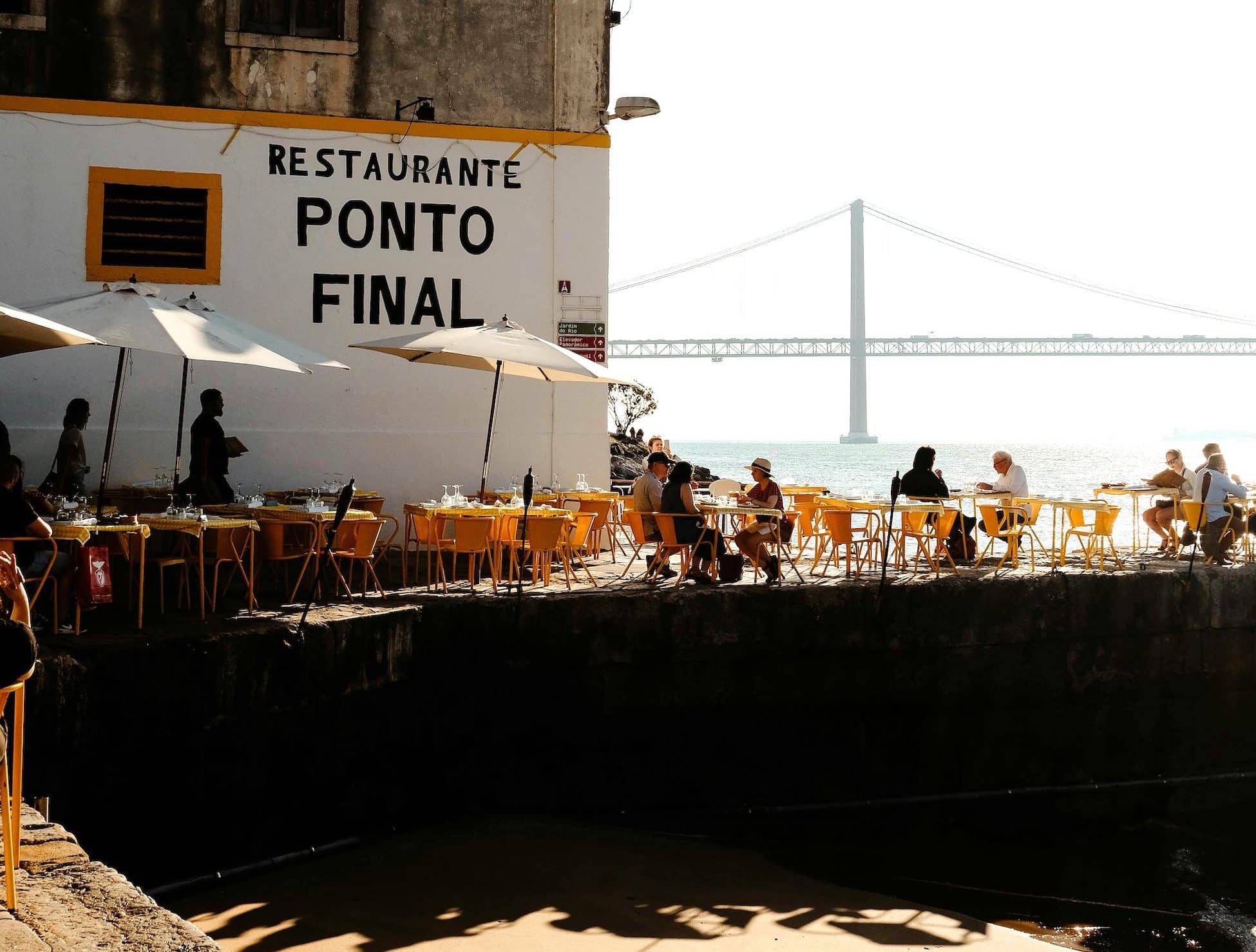
Portuguese dining culture is built around communal meals and family gatherings. Meals are seen as an opportunity to bond with loved ones, share stories, and enjoy each other’s company. This contrasts sharply with faster-paced dining cultures around the world.
1. Leisurely Meals
In Portugal, meals are leisurely and often stretch over several hours. Dinner might start late in the evening and extend well into the night.
2. Family Gatherings
Sundays are often reserved for large family lunches that include multiple generations. These gatherings are filled with laughter, conversation, and, of course, delicious food.
This emphasis on togetherness makes dining in Portugal a memorable experience. The act of sharing food fosters a sense of community and connection among diners.
Wine Pairings: Elevating Your Culinary Journey in Portugal
The right wine can transform a meal, and Portuguese wines do this beautifully.
Vinho Verde: The Perfect Match for Seafood
Vinho Verde is a young wine from the Minho region. Its light, crisp profile pairs well with seafood dishes like Sardinhas Assadas and Polvo à Lagareiro. This refreshing wine complements the ocean’s bounty, enhancing every bite.
Port Wine: A Decadent Companion for Desserts
Port Wine, originating from the Douro Valley, offers a rich contrast to sweet treats like Pastel de Nata. The deep flavors of Port wine make it perfect for sipping alongside desserts or enjoying on its own.
Both wines invite you to savor each moment, turning meals into memorable experiences.
Conclusion: Embrace Portugal’s Culinary Treasures as You Settle In
Exploring local cuisines offers a gateway to truly immerse yourself in your new home. The food culture impact on living choices is profound in Portugal. Enjoying dishes like Bacalhau and Pastel de Nata enriches daily life, creating memorable experiences. By celebrating these culinary treasures, you connect deeply with Portuguese traditions and the community around you.
“Food brings people together on many different levels. It’s nourishment of the soul and body; it’s truly love.” – Giada De Laurentiis